
Захранване за усилвател на автомобилна телевизионна антена 5V VS 12V
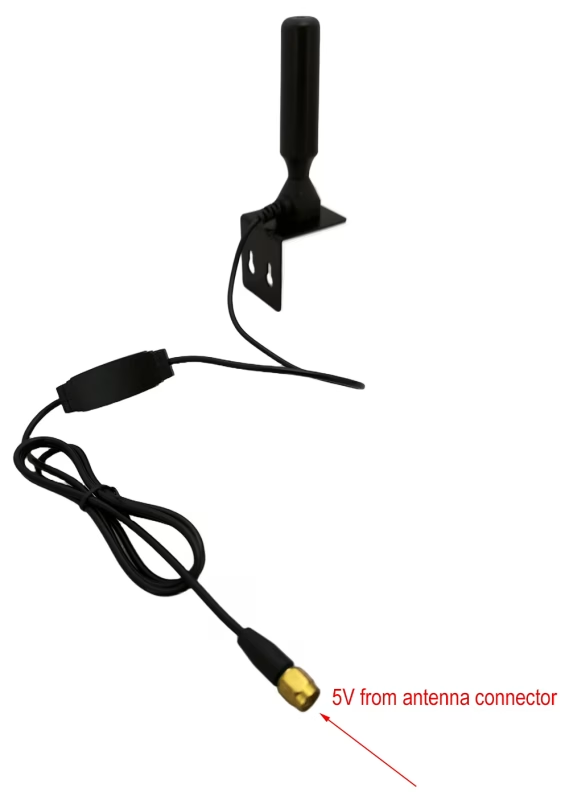
Когато инсталирате антена за цифрова телевизия в колата си, може да забележите, че кабелът на антената включва малък модул, наречен a бустер или усилвател. Този усилвател е предназначен да усилва слабите телевизионни сигнали, подобряване на качеството на приемане и намаляване на шума или трептенето на изображението по време на шофиране. Обаче, бустерът изисква захранване, за да работи, и обикновено има два начина да го предоставите: 5V от RF изхода на телевизионната кутия или 12V директно от акумулатора на автомобила. Докато и двете могат да накарат бустера да работи, те се различават по производителност, монтаж, и стабилност. Нека да разгледаме сравнението на тези два метода.
1. 5V Захранване от RF изхода на TV Box
В много цифрови телевизионни кутии, портът на RF антената може да извежда малко 5V DC мощност чрез същия коаксиален кабел, който пренася телевизионния сигнал. Този метод е най-удобният, защото не е необходимо да прекарвате допълнителен захранващ проводник. Бустерът получава захранване директно от телевизионната кутия, опростяване на инсталацията и минимизиране на претрупването на кабели.
Обаче, възможностите за извеждане на ток от телевизионната кутия са ограничени, обикновено по-малко от 100mA, което означава, че бустерът може да работи само при умерени нива на печалба (около 10-15dB). Това обикновено е достатъчно за градска среда или открити градски зони, където сигналът е относително силен. Захранването 5V от ТВ бокса също е чисто и стабилно, произвеждайки много малко електрически шум, което спомага за поддържане на добро качество на картината.
Накратко, 5V захранване е просто, безопасно, и ефективен за повечето стандартни приложения, където силата на сигнала е достатъчна.
2. 12V Захранване от автомобилната батерия
Някои бустери са проектирани да приемат 12V DC от електрическата система на автомобила. В този случай, бустерът се захранва директно от акумулатора на автомобила или линията ACC, обикновено чрез отделен захранващ кабел. Тази настройка позволява на бустера да черпи по-висок ток, позволяващ по-високи нива на печалба (15-25dB) и по-силно усилване— идеален за зони със слаб или нестабилен сигнал.
Обаче, 12V линията в колата не винаги е чиста. Може да бъде повлиян от електрически шум, генериран от системата за запалване, алтернатор, или други аксесоари. За предотвратяване на смущения, препоръчително е да инсталирате a захранващ шумов филтър или използвайте стабилен регулиран 12V източник на захранване.
Инсталацията е малко по-сложна, тъй като трябва да свържете допълнителен захранващ проводник, но подобрението на производителността може да бъде значително, особено по време на дълги разстояния или високоскоростни пътувания, където полученият сигнал варира често.
3. Ключови разлики с един поглед
| Особеност | 5V от TV Box | 12V от автомобилен акумулатор |
|---|---|---|
| Източник на захранване | От TV box RF изход | От акумулатора на автомобила |
| Инсталация | Много лесно | Изисква допълнително окабеляване |
| Обхват на усилване | 10–15dB | 15-25dB |
| Стабилност на мощността | Чисто и безопасно | Може да изисква филтър |
| Препоръчителна употреба | Градски райони със силен сигнал | Слаб сигнал или използване на магистрала |
4. Важни бележки
- Никога не свързвайте 5V и 12V едновременно. Това може да повреди трайно бустера.
- Винаги проверявайте етикета или ръководството на бустера, за да потвърдите диапазон на напрежението. Някои модели поддържат напрежение от 5–12 V, докато други са проектирани само за едно конкретно напрежение.
- Ако захранвате бустера с 12V, осигурете правилно заземяване и защита с предпазител, за да предотвратите късо съединение или пикове на напрежението.
5. Заключение
Изборът между 5V и 12V захранване за усилвателя на вашата автомобилна телевизионна антена зависи от вашата среда и нужди.
Ако шофирате предимно в градски условия с добро покритие на сигнала, 5V от телевизионната кутия е удобно и достатъчно.
Ако често пътувате през селски райони или имате нужда от максимална сила и стабилност на сигнала, 12V захранване от акумулатора на автомобила осигурява по-силно усилване и по-добро приемане, стига да се прилага подходящо филтриране.
Добре захранен бустер осигурява по-ясно приемане, по-малко отпаднали, и по-гладко телевизионно изживяване в автомобила – независимо къде ви отведе пътят.

ЧЗВ
1. Което осигурява по-силен сигнал — 5V или 12V за автомобилни телевизионни антени?
Като цяло, 12V мощност позволява на бустера да осигури по-голямо усилване и по-силно усилване на сигнала, тъй като може да черпи повече ток. Ако често шофирате в райони със слаби или променливи сигнали, опцията 12V ще осигури забележимо по-добра производителност. Обаче, за градска употреба, 5V обикновено е достатъчен и по-безопасен за инсталиране.
2. Как да изберем добра антена за автомобилна цифрова телевизионна кутия?
Когато избирате автомобилна антена, разгледайте три основни аспекта:
1. Печалба и чувствителност: По-висока печалба (≥20dB) подобрява приемането в зони със слаб сигнал.
2. Честотен диапазон: Уверете се, че покрива цифровите телевизионни ленти на вашата страна (обикновено 470–860MHz).
3. Тип инсталация: Изберете между монтаж на стъкло, магнитна основа, или монтаж на покрива в зависимост от вашето превозно средство.
Добрата антена трябва да включва активен усилвател, водоустойчиви конектори, и стабилно съвпадение на импеданса за постоянна производителност.
3. Как да намерите надежден доставчик на антени за цифрова телевизия?
Потърсете доставчик, който отговаря на следните критерии:
1. Специализация в превозни средства или продукти за безжично видео предаване.
2. опит в производството на активни антени и RF модули.
3. Техническа поддръжка и следпродажбено обслужване, особено за OEM или интеграционни проекти.
4. Сертификати и протоколи от тестове (e.g., ТОВА, FCC) доказване на качество и съответствие.
Четенето на реални отзиви от клиенти и искането на примерни тестове преди групова покупка също са интелигентни начини за гарантиране на надеждност.
Задайте въпрос
Вашето съобщение е изпратено