
COFDM traadita video saatja modulaator ja vastuvõtja demodulaatori moodul koos Etherneti IP RTSP UDP väljundiga
Sissejuhatus
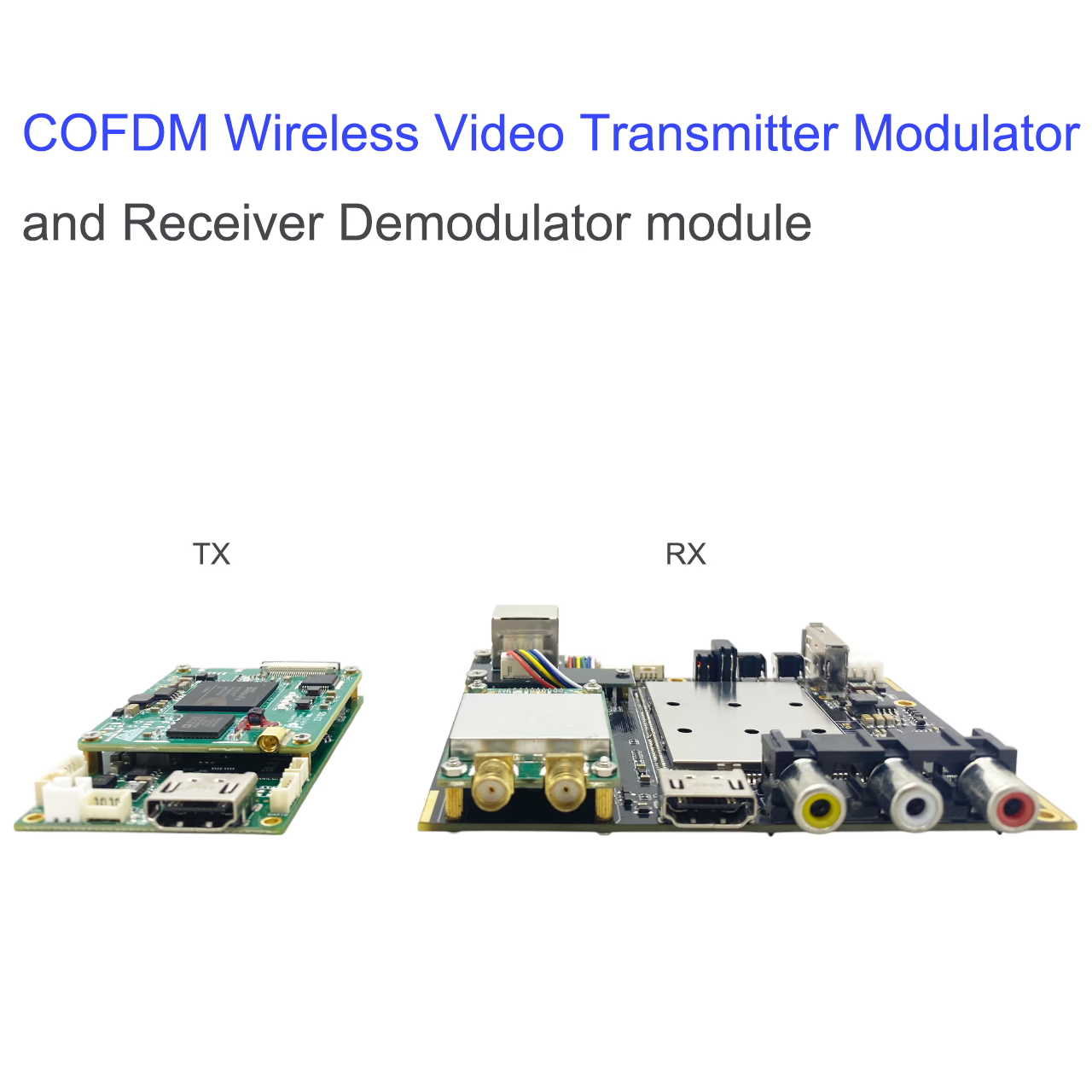
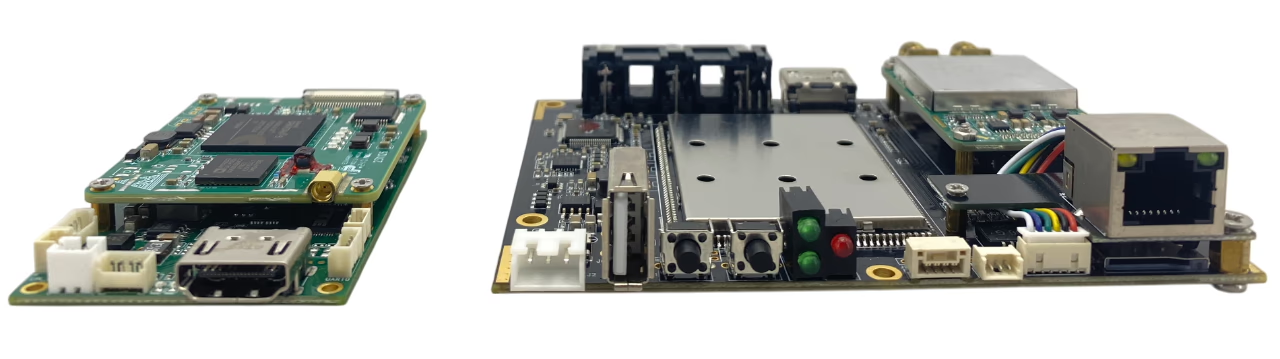
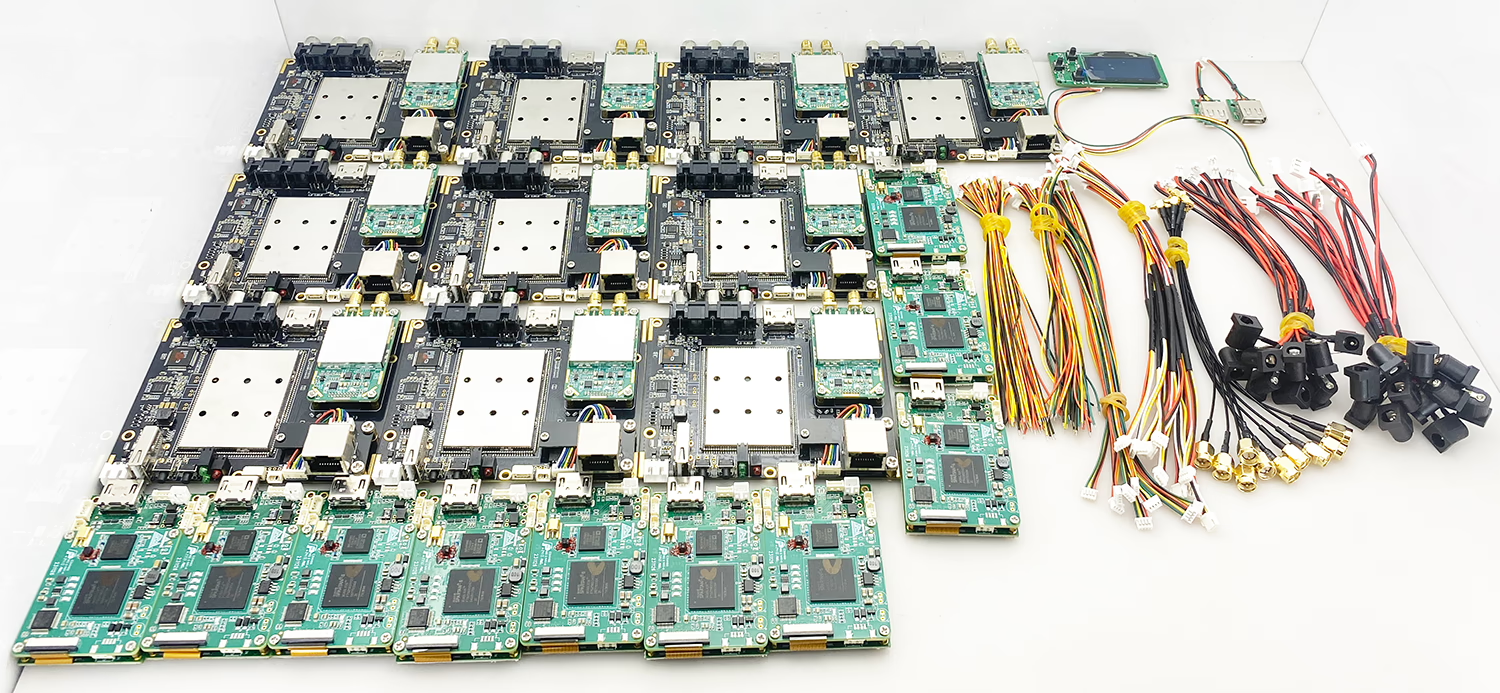
The COFDM juhtmevaba videosaatja modulaator ja vastuvõtja demodulaatori moodul on professionaalse kvaliteediga lahendus, mis on loodud usaldusväärseks pakkumiseks, kvaliteetne videoedastus paljudes rakendustes. Saatja toetab mõlemat HDMI ja CVBS AV videosisend, samal ajal kui vastuvõtja pakub HDMI, OF, ja Etherneti videovoo väljund, tagades mitmekülgse ühenduvuse kaasaegsetele videosüsteemidele. Toetusega RTSP ja UDP video voogedastusprotokollid, see moodul integreerub hõlpsalt IP-põhistesse töövoogudesse, ja veebi kasutajaliidese leht või AT-käsud võimaldavad lihtsat seadistamist ja juhtimist. Valikuline parameetrite konfiguratsiooniplaat täiustab funktsionaalsust, võimaldades täiustatud jälgimist ja reguleerimist. Töötamine lai 170– 3500 MHz sagedusvahemik, süsteemi saab kohandada konkreetsete keskkondade jaoks ja laiendada välisele võimsusvõimendid kohandatud projektinõuete täitmiseks. Vastuvõtja toetab mitmekesisuse tuuneri tehnoloogia stabiilseks signaali vastuvõtuks, kui H.264 ja H.265 kodekid optimeeritud madala latentsusega püsivara toimetama sujuvalt, reaalajas video voogesitus, mis sobib ideaalselt nõudlike rakenduste jaoks.

See on latentsusega HDMI CVBS–DVB-T COFDM kodeerija modulaatori saatja drooni fpv jaoks.
KKK
1. Milleks kasutatakse COFDM juhtmevaba videosaatja ja vastuvõtja moodulit??
COFDM juhtmevaba videosaatja ja vastuvõtja moodulit kasutatakse stabiilseks, pikamaa, kvaliteetne videoedastus sellistes rakendustes nagu valve, UAV video voogesitus, ringhääling, ja mobiilsed videosüsteemid.
2. Kas saatja toetab HDMI videosisendit?
Jah, saatja toetab HDMI-videosisendit, muutes selle ühilduvaks kaasaegsete digitaalsete videoallikatega.
3. Kas ma saan selle saatjaga kasutada CVBS AV-sisendit?
Jah, saatja toetab ka CVBS AV analoogsisendit, võimaldab integreerida vanemate videoseadmetega.
4. Millist tüüpi videoväljundit vastuvõtja pakub?
Vastuvõtja pakub HDMI-d, CVBS VÄLJAS, ja Etherneti videovoo väljund maksimaalse paindlikkuse tagamiseks.
5. Kas see moodul toetab IP-video voogedastusprotokolle nagu RTSP ja UDP??
Jah, COFDM traadita moodul toetab nii RTSP kui ka UDP voogedastusprotokolle, võimaldades hõlpsat integreerimist IP-põhiste süsteemidega.
6. Kuidas konfigureerida saatjat ja vastuvõtjat?
Seadistamine on lihtne sisseehitatud veebikasutajaliidese lehe või täiustatud juhtimise AT-käskude abil.
7. Kas on veel üks võimalus süsteemi parameetrite reguleerimiseks?
Jah, Täpsemate sätete jälgimiseks ja reguleerimiseks saate kasutada valikulist parameetrite konfiguratsiooniplaati.
8. Mis on selle COFDM videosaatja töösagedus?
See toetab laia 170–3500 MHz sagedusvahemikku, mida saab kohandada erinevate keskkondade jaoks.
9. Kas ma saan edastusulatust välise võimendiga laiendada?
Jah, Edastuskauguse pikendamiseks saab lisada väliseid RF-võimsusvõimendeid.
10. Milliseid koodekeid see süsteem toetab?
Vastuvõtja toetab nii H.264 kui ka H.265 videokoodekit, optimeeritud madala latentsusega reaalajas voogesituse jaoks.
11. Kui stabiilne on signaali vastuvõtt?
Vastuvõtja kasutab diversity-tuuneri tehnoloogiat, mis tagab stabiilse signaali vastuvõtu isegi rasketes keskkondades.
12. Kas see saatja sobib UAV-video edastamiseks??
Jah, selle kerge disain ja lai sagedustugi muudavad selle ideaalseks droonide ja UAV videoedastusrakenduste jaoks.
13. Mis on COFDM-i modulatsiooni kasutamise eelis?
COFDM pakub tugevat vastupanu mitmeteelistele häiretele ja tagab usaldusväärse videoedastuse pikkadel vahemaadel.
14. Kas seda moodulit saab kasutada mobiilsete valvesüsteemide jaoks??
Jah, seda kasutatakse tavaliselt sõidukipõhises järelevalves, korrakaitse, ja avaliku turvalisuse projektid.
15. Kui madal on video voogesituse latentsusaeg?
Tänu optimeeritud H.264/H.265 püsivarale, latentsusaeg on äärmiselt madal, muutes selle sobivaks reaalajas jälgimiseks.
16. Kas süsteem toetab Etherneti videoväljundit??
Jah, vastuvõtja pakub Etherneti videovoo väljundit IP-töövoogude ja NVR-i integreerimiseks.
17. Kas ma saan süsteemi kaugjuhtida?
Jah, saate saatjat ja vastuvõtjat veebi kasutajaliidese või AT-käskude kaudu kaugjuhtimisega konfigureerida ja juhtida.
18. Kas moodul ühildub olemasolevate IP-videosüsteemidega?
Jah, RTSP ja UDP protokolli tugi tagab sujuva integreerimise enamiku IP-põhiste videoplatvormidega.
19. Millist video eraldusvõimet see toetab?
Süsteem toetab Full HD video eraldusvõimet sujuva reaalajas edastamisega.
20. Kas see töötab vaateväljas (NLOS) keskkondades?
Jah, COFDM-tehnoloogia võimaldab edastada isegi NLOS-i tingimustes, erinevalt traditsioonilistest analoogsüsteemidest.
21. Kas seda saab kasutada video otseülekandeks?
Jah, COFDM juhtmevaba videosüsteem sobib ideaalselt sündmuste otseülekandeks ja välitingimustes video tootmiseks.
22. Millist toiteallikat on vaja saatja ja vastuvõtja jaoks?
Süsteem töötab 12V toiteallikaga, ja saatja võib olenevalt seadistusest vajada suuremat voolu.
23. Kui turvaline on videoedastus?
Süsteem toetab krüpteerimisvalikuid, tagades turvalise traadita video voogesituse.
24. Kas see sobib pikamaa videoedastuseks?
Jah, väliste võimendite ja korralike antennidega, see võib toetada väga pikamaa edastamist.
25. Kas see voogesitab videot otse arvutisse või NVR-i?
Jah, kasutades Etherneti väljundit RTSP või UDP-ga, seda saab voogesitada otse arvutitesse või NVR-idesse.
26. Millised rakendused sobivad selle mooduli jaoks kõige paremini?
Rakendused sisaldavad UAV-videolinke, sõjaline side, politsei järelevalve, ringhääling, ja hädaolukorras reageerimine.
27. Kuidas määrata saatja ja vastuvõtja sagedust?
Sageduse saate valida veebiliidese kaudu, AT käsud, või valikuline konfiguratsiooniplaat.
28. Kas see toetab mitme kanaliga toimimist?
Jah, mitut sagedust saab konfigureerida, et vältida häireid mitme süsteemi seadistustes.
29. Kas ma saan kasutada süsteemi linnakeskkonnas häiretega?
Jah, COFDM on loodud takistama linnapiirkondades levinud häireid ja mitmesuunalist peegeldust.
30. Kas see süsteem on plug-and-play?
Jah, kui see on ühendatud toiteallika ja video sisendi/väljundiga, süsteem saab kohe edastust alustada.
31. Milliseid antenne selle süsteemi jaoks soovitatakse?
Olenevalt rakendusest ja levialast saab kasutada suure võimendusega suund- või mitmesuunalisi antenne.
32. Kas süsteem toetab multicast video voogesitust??
Jah, see võib toetada UDP kaudu multiedastust, muutes selle tõhusaks mitme vastuvõtja jaoks.
33. Kas ma saan püsivara uuendada?
Jah, jõudluse parandamiseks või uute funktsioonide lisamiseks saab rakendada püsivara uuendusi.
34. Kas COFDM juhtmevaba moodul on kaasaskantav?
Jah, see on kompaktne ja kerge, ideaalne kaasaskantavate ja mobiilsete rakenduste jaoks.
35. Kas seda saab toita akust?
Jah, 12 V alalisvoolu disain võimaldab seda välitingimustes kasutada kaasaskantavatest akudest.
36. Mis on tüüpiline edastuskaugus?
Tööulatus sõltub antenni tüübist, keskkond, ja võimendi kasutamine, kuid võib ulatuda mitme kilomeetrini.
37. Kas madala latentsusega video sobib kaugjuhtimispuldi rakendustele?
Jah, madal latentsus muudab selle ideaalseks drooni juhtimiseks, robotsüsteemid, ja taktikalised operatsioonid.
38. Kas vastuvõtja suudab videot korraga mitmesse seadmesse väljastada?
Jah, videot saab väljastada HDMI kaudu, CVBS, ja Etherneti samal ajal.
39. Kas moodul on välistingimustes vastupidav?
Jah, see on mõeldud professionaalseks kasutamiseks ja seda saab integreerida ilmastikukindlatesse korpustesse.
40. Kas see toetab tihendamata videoedastust?
Ei, see kasutab H.264 või H.265 tihendust, et tasakaalustada video kvaliteeti ja ribalaiuse tõhusust.
41. Mis on maksimaalne toetatud bitikiirus?
Süsteem toetab paindlikke bitikiirusi, konfigureeritav vastavalt rakenduse vajadustele.
42. Kas süsteemi saab kohandada konkreetsete projektide jaoks?
Jah, kohandatud sagedusvahemikud, võimsustasemed, ja püsivara sätteid saab kohandada vastavalt projekti nõuetele.
43. Kas süsteem töötab suurel kiirusel liikudes?
Jah, COFDM-tehnoloogia tagab usaldusväärse videoedastuse suure liikuvuse tingimustes.
44. Kas ühe saatjaga saab kasutada mitut vastuvõtjat??
Jah, multisaadete võime võimaldab mitmel vastuvõtjal ühendada ühe saatjaga.
45. Kas vastuvõtjal on salvestusfunktsioon??
Mõned vastuvõtjamudelid toetavad USB-salvestust, võimaldab otsest video jäädvustamist.
46. Mis on H.265 kasutamise peamine eelis H.264 ees?
H.265 pakub paremat videokvaliteeti väiksema ribalaiusega, traadita edastuse tõhususe parandamine.
47. Kas seda süsteemi saab kasutada mere- või avamere videoedastuseks??
Jah, korralike antennidega, seda saab kasutada merevideorakenduste jaoks.
48. Kas see süsteem sobib riigi- või kaitserakendusteks??
Jah, seda kasutatakse laialdaselt kaitses, politsei, ja avaliku julgeoleku videosuhtlus.
49. Kas ma saan integreerida süsteemi kolmanda osapoole videohaldustarkvaraga??
Jah, kuna see toetab RTSP/UDP-d, see ühildub enamiku VMS- ja IP-videoplatvormidega.
50. Miks peaksin valima analoogi asemel COFDM juhtmevaba videosaatja??
Kuna COFDM tagab ülima töökindluse, pikem ulatus, parema kvaliteediga, ja stabiilne jõudlus NLOS-keskkondades võrreldes analoogsüsteemidega.


isdb-t.com –
Hiljuti kasutasin COFDM juhtmevaba video saatja ja vastuvõtja moodulit, ja mulle avaldas selle jõudlus väga muljet. Video kvaliteet on suurepärane, sujuva reaalajas voogesituse ja ülimadala latentsusega, mis muudab selle ideaalseks professionaalseks kasutamiseks. Lai sagedusvahemik ja mitmekesine tuuneri tehnoloogia tagavad stabiilse vastuvõtu ka keerulistes keskkondades. Mulle väga meeldib HDMI-ühenduse paindlikkus, CVBS, ja Etherneti väljundid, mis võimaldab hõlpsasti erinevate seadmetega ühenduse luua. Veebi kasutajaliidest on lihtne kasutada, ja valikuline konfiguratsiooniplaat lisab rohkem kontrolli. Üldiselt, see on usaldusväärne ja võimas lahendus.