
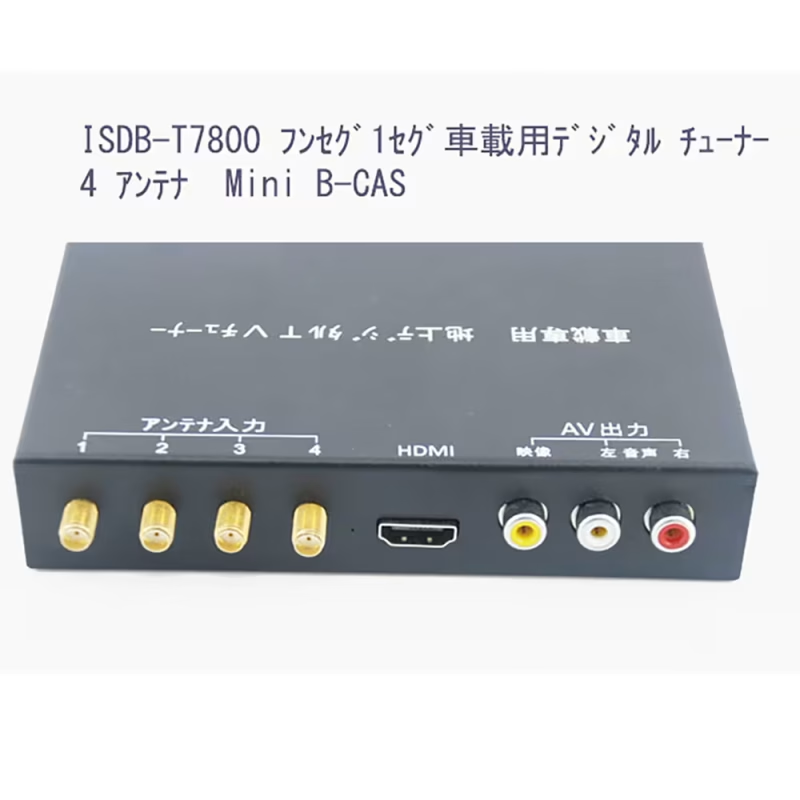
چرا خودروهای ژاپنی به تلویزیون دیجیتال چهار آنتن ISDB-T نیاز دارند؟?
The need for four antennas in Japan’s ISDB-T (Integrated Services Digital Broadcasting-Terrestrial Television) سیستم, especially in vehicles, is primarily due to factors related to signal quality, reliability, and reception under varying conditions. در اینجا دلیل آن است:
- Improved Signal Reception: ISDB-T broadcasting uses MIMO (Multiple Input Multiple Output) technology, which employs multiple antennas to improve the quality and stability of signal reception. The four antennas help maintain a stable signal, especially in moving environments like vehicles, or in areas with strong obstructions (such as tall buildings or tunnels).
- Reception of Multi-Frequency Signals: With four antennas, the system can receive signals from different directions and frequency bands, improving adaptability in diverse environments. This setup reduces the impact of signal interference due to reflection, obstruction, or other factors.
- Enhanced Signal Diversity: In complex environments, especially in fast-moving vehicles, multiple antennas help reduce multipath interference (signals that reach the receiver via different paths), ensuring a stable and high-quality signal for both audio and video.
- Higher Data Transfer Rates: Using multiple antennas allows the system to transmit data at higher rates, which is essential for delivering high-quality video content. This is particularly important in in-vehicle entertainment systems, where users expect clear and stable TV viewing experiences.
In summary, the four-antenna configuration is designed to enhance signal stability, ensure better reception in challenging environments, and provide a higher-quality viewing experience, especially in mobile or dynamic scenarios like cars.
OSD Menu UI of four-antenna ISDB-T digital TV
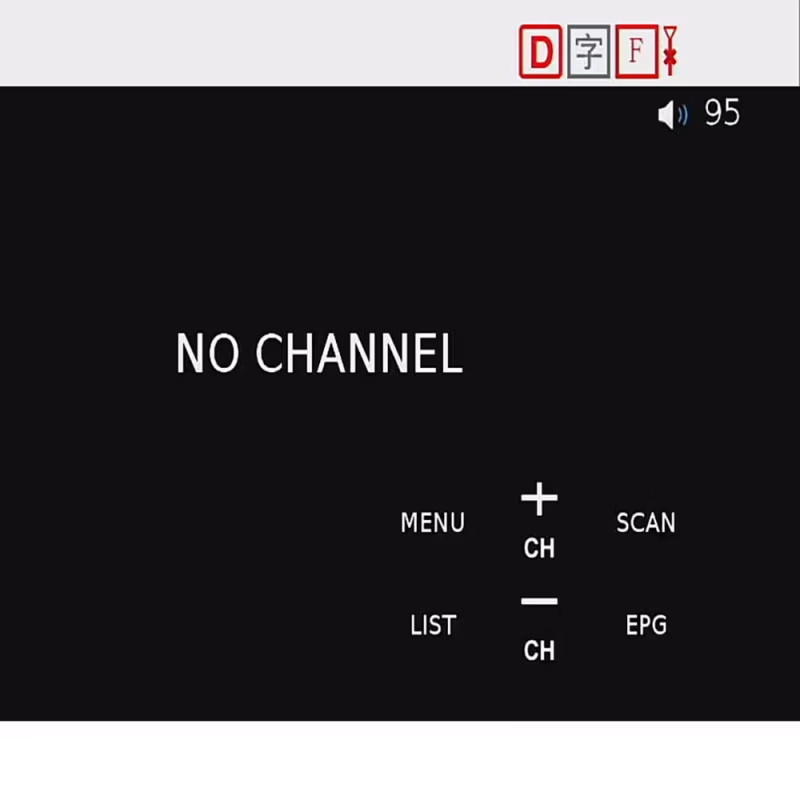

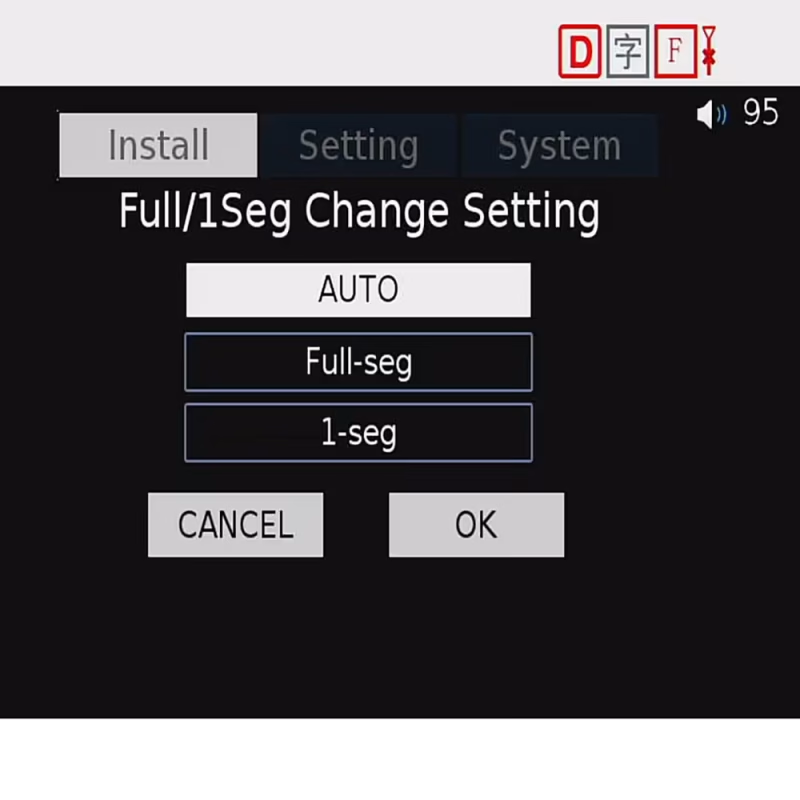
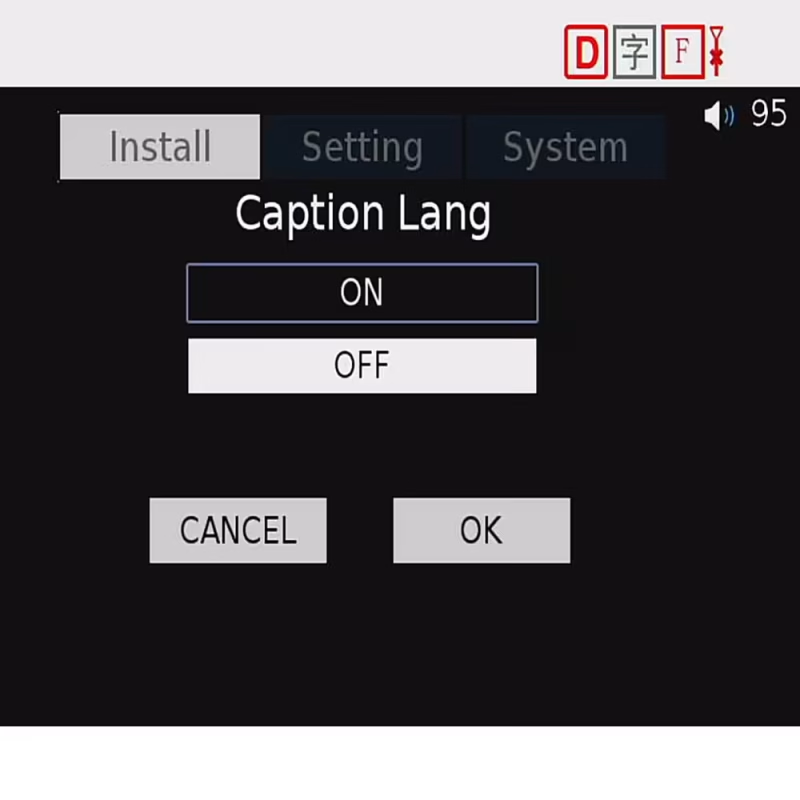
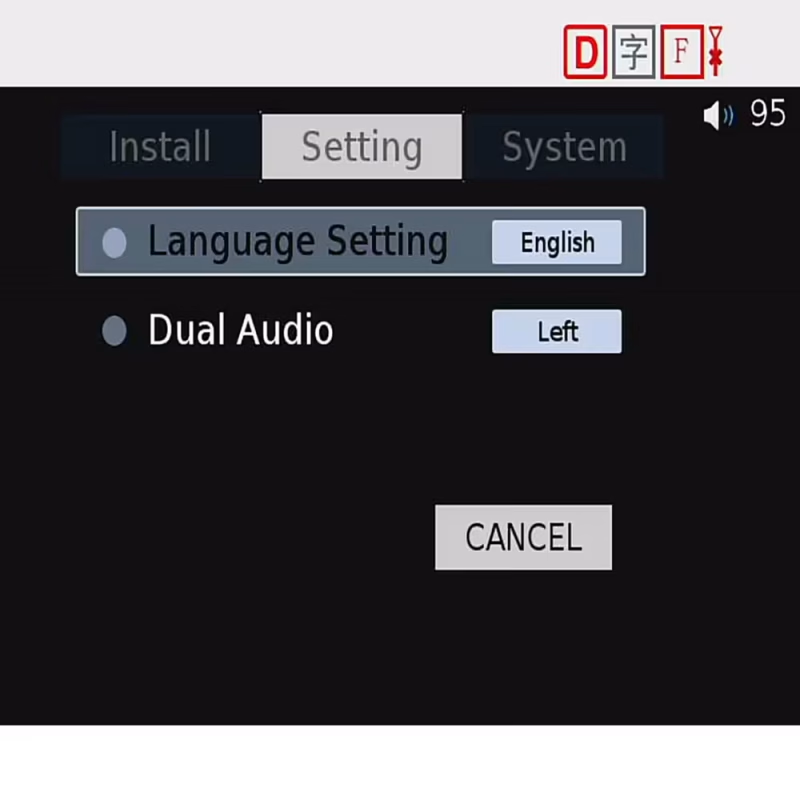
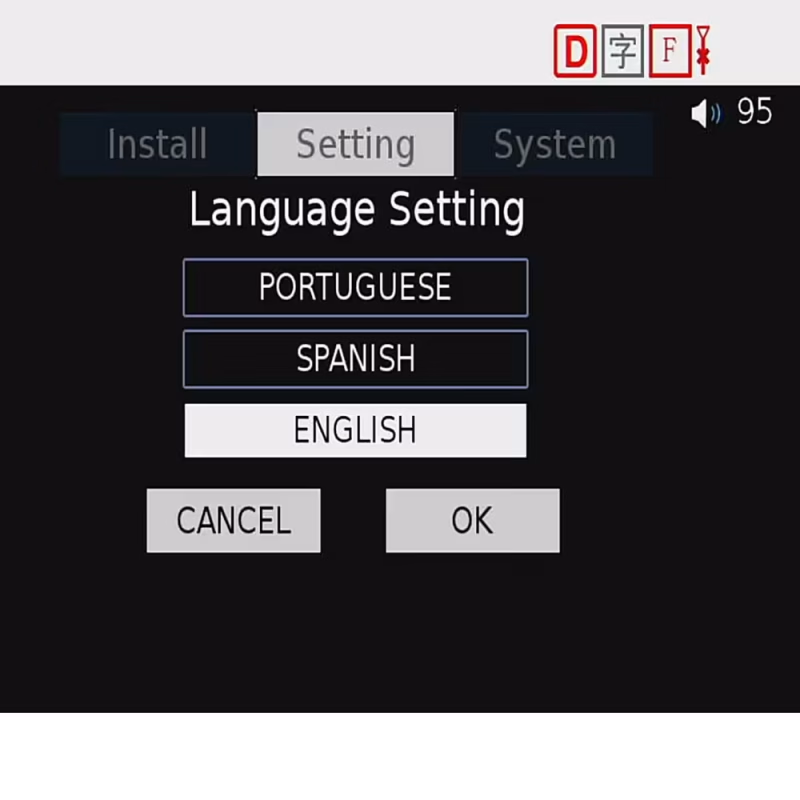

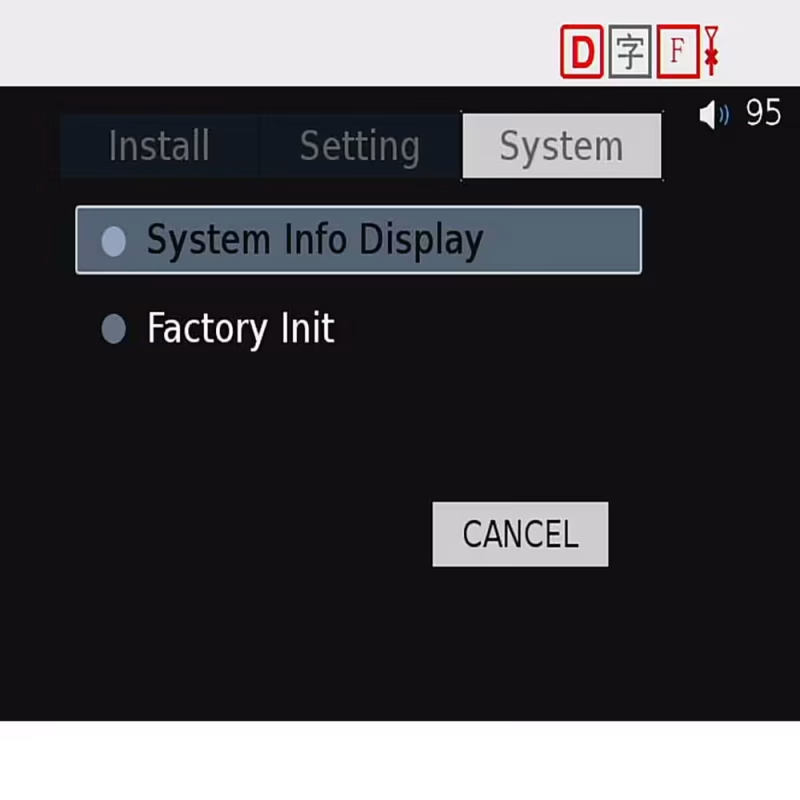
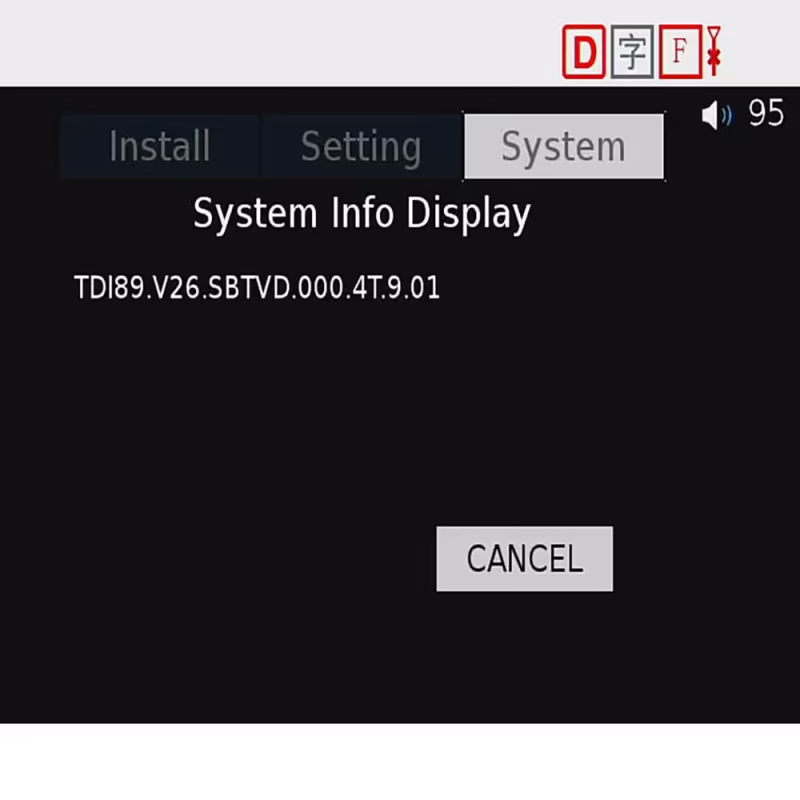
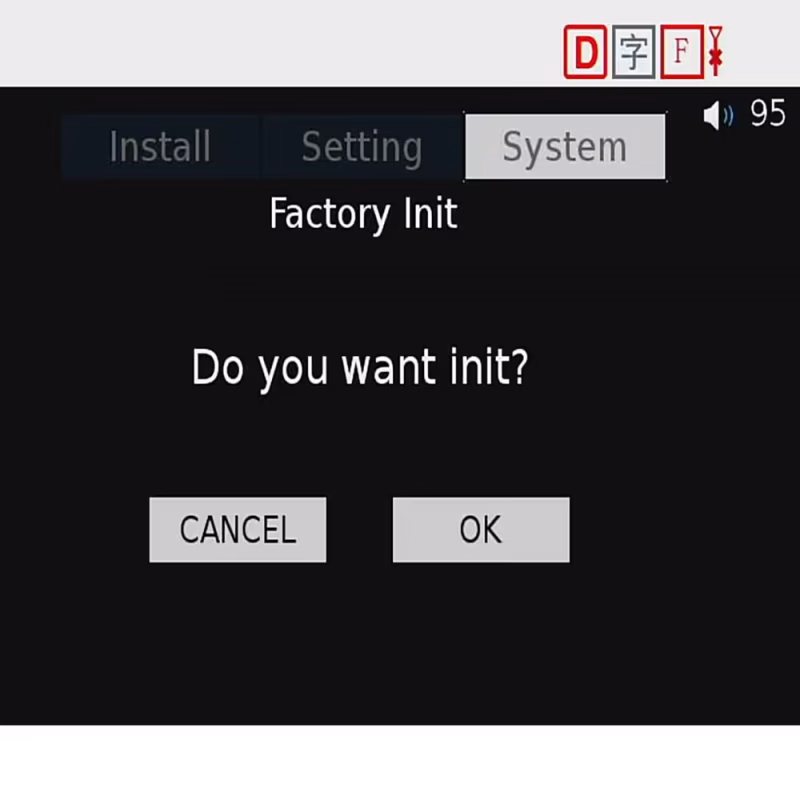
Diverse signal reception enhances stability. A TV box with four antennas uses antenna diversity; multiple antennas combine to enhance signal reception. This is extremely important for:
Urban areas with tall buildings are susceptible to signal interference caused by multipath effects—signals bouncing off surfaces. Using multiple antennas and combining their signals intelligently mitigates this issue.
High-speed driving can cause intermittent or weak signals. Using multiple antennas improves reception by choosing the strongest signal.
Japan’s environment: geography and urban development. Tall buildings in dense cities, such as Tokyo and Osaka, obstruct and reflect signals, creating interference. Hilly and mountainous terrain in rural areas can hinder signal reception. Using multiple antennas improves coverage in these situations. Antenna diversity improves vehicle connectivity by mitigating signal disruptions in tunnels and similar environments.
Japan’s ISDB-T standard allows for high-definition video and multiple sub-channels on a single frequency. For smooth, high-quality video while driving. Concurrent signal processing is achieved through the use of four-tuner- four antenna ISDB-T. For a smooth viewing experience, advanced algorithms seamlessly integrate and switch between signals.
Japanese drivers want reliable, high-quality in-car entertainment. Having a TV box with four antennas ensures. Minimize interruptions during live broadcasts. Passengers enjoy improved viewing experiences on long drives or commutes.
To meet the demands for reliable TV reception in challenging Japanese environments, more people choose a superior 4-antenna, 4-tuner ISDB-T system (4×4 ISDB-T7800). This system offers significantly better performance for in-car viewing, China made ISDB-T is quality best and price cheaper, making it popular in Japan’s car modification market.
یک سوال بپرسید
از پاسخ شما سپاسگزاریم. ✨