
Car TV Antenna Booster Power Supply 5V VS 12V
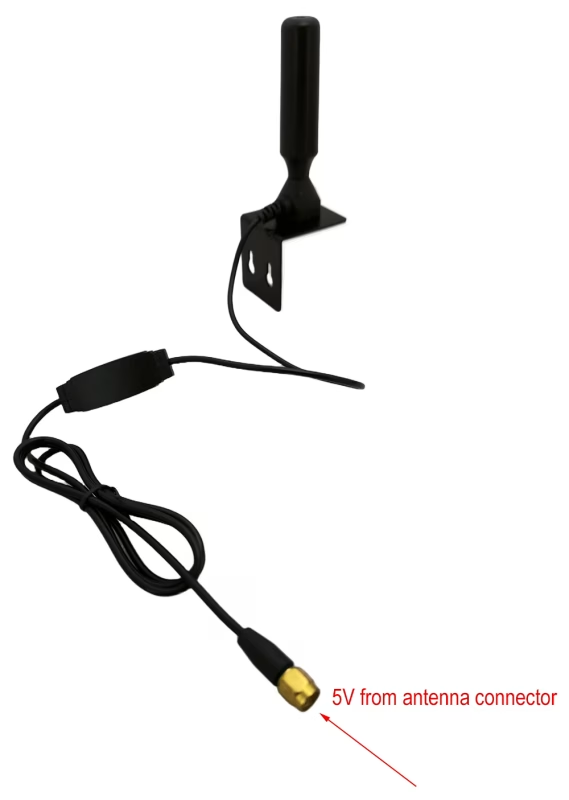
When installing a digital TV antenna in your car, you may notice that the antenna cable includes a small module called a ракета-носитель или усилитель. This booster is designed to strengthen weak TV signals, improving reception quality and reducing image noise or flickering during driving. Однако, the booster requires power to operate, and there are typically two ways to provide it: 5V from the TV box’s RF output или 12V directly from the car battery. While both can make the booster work, they differ in performance, installation, and stability. Let’s look at how these two methods compare.
1. 5V Power from the TV Box RF Output
In many digital TV boxes, the RF antenna port can output a small 5V DC power through the same coaxial cable that carries the TV signal. This method is the most convenient because you don’t need to run an extra power wire. The booster receives power directly from the TV box, simplifying installation and minimizing cable clutter.
Однако, the current output capability from the TV box is limited, usually less than 100мА, which means the booster can only operate at moderate gain levels (around 10–15dB). This is generally enough for city environments or open urban areas where the signal is relatively strong. The 5V power supply from the TV box is also clean and stable, producing very little electrical noise, which helps maintain good picture quality.
Суммируя, 5V powering is simple, safe, and effective for most standard applications where signal strength is sufficient.
2. 12V Power from the Car Battery
Some boosters are designed to accept 12В постоянного тока from the vehicle’s electrical system. В этом случае, the booster is powered directly from the car’s battery or ACC line, usually via a separate power cable. This setup allows the booster to draw higher current, enabling higher gain levels (15–25dB) и stronger amplification—ideal for areas with weak or unstable signals.
Однако, the 12V line in a car is not always clean. It can be affected by electrical noise generated by the ignition system, alternator, or other accessories. To prevent interference, it’s recommended to install a power noise filter or use a stable regulated 12V power source.
Installation is slightly more complicated since you need to connect an additional power wire, but the performance improvement can be significant, especially during long-distance or high-speed travel where the received signal fluctuates frequently.
3. Key Differences at a Glance
| Особенность | 5V from TV Box | 12V from Car Battery |
|---|---|---|
| Power Source | From TV box RF output | From vehicle battery |
| Установка | Very easy | Requires extra wiring |
| Gain Range | 10–15dB | 15–25dB |
| Power Stability | Clean and safe | May require filter |
| Recommended Use | Strong-signal urban areas | Weak-signal or highway use |
4. Important Notes
- Never connect both 5V and 12V at the same time. Doing so can permanently damage the booster.
- Always check the booster label or manual to confirm its voltage range. Some models support 5–12V wide voltage, while others are designed for only one specific voltage.
- If you power the booster with 12V, ensure proper grounding and fuse protection to prevent short circuits or voltage spikes.
5. Заключение
Choosing between 5V and 12V power for your car TV antenna booster depends on your environment and needs.
If you mostly drive in urban areas with good signal coverage, 5V from the TV box is convenient and sufficient.
If you often travel through rural regions or need maximum signal strength and stability, 12V power from the car battery provides stronger amplification and better reception, as long as proper filtering is applied.
A well-powered booster ensures clearer reception, fewer dropouts, and a smoother in-car TV experience—no matter where the road takes you.

часто задаваемые вопросы
1. Which provides stronger signal — 5V or 12V for car TV antennas?
In general, 12V power allows the booster to deliver higher gain and stronger signal amplification because it can draw more current. If you often drive in areas with weak or fluctuating signals, the 12V option will provide noticeably better performance. Однако, for city use, 5V is usually sufficient and safer to install.
2. How to choose a good antenna for a car digital TV box?
When selecting a car antenna, consider three main aspects:
1. Gain and sensitivity: Higher gain (≥20dB) improves reception in weak-signal areas.
2. Частотный диапазон: Ensure it covers your country’s digital TV bands (usually 470–860MHz).
3. Тип установки: Choose between glass-mount, магнитная основа, или roof-mount depending on your vehicle.
A good antenna should include an active booster, waterproof connectors, and stable impedance matching for consistent performance.
3. How to find a reliable supplier of digital TV antennas?
Look for a supplier that meets the following criteria:
1. Specialization in vehicle or wireless video transmission products.
2. Experience in manufacturing active antennas and RF modules.
3. Technical support and after-sales service, especially for OEM or integration projects.
4. Certifications and test reports (НАПРИМЕР., ЕС, FCC) proving quality and compliance.
Reading real customer feedback and requesting sample tests before bulk purchasing are also smart ways to ensure reliability.
Задайте вопрос
Спасибо за ответ! ✨