

射頻頻率濾波器 腔體濾波器 帶阻帶通濾波器 頻率 定制
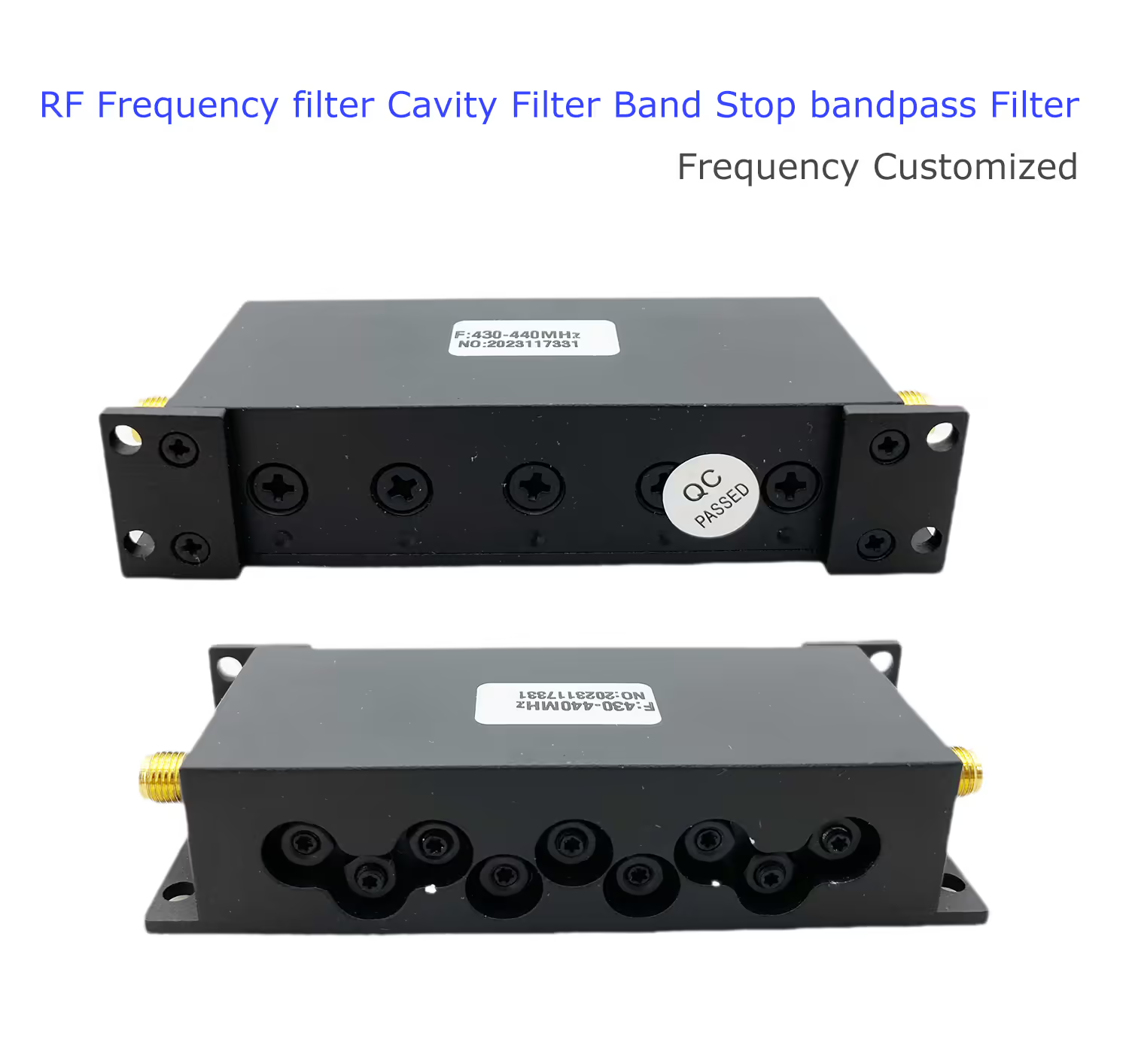
A band-pass filter is a device that permits waves within a certain frequency range to pass through while preventing waves outside of that range from getting through. It is designed to allow frequency components within a defined range to pass while minimizing the presence of frequency components in other ranges, in contrast to a band-stop filter.
Frequency Filter Bandpass filter
A band-pass filter is an electronic device that permits signals within a specific frequency range to pass while preventing signals at other frequencies from getting through. It merges the features of both high-pass and low-pass filters to create a passband where signals can pass without loss, while frequencies outside this range are diminished.
The operation of a band-pass filter is based on several key aspects:
- 通帶: This filter has two cutoff frequencies: the lower cutoff frequency (f1) and the upper cutoff frequency (f2). Signals can only pass through if they fall within this range, known as the passband, which has a bandwidth of f2 – f1.
- Signal Processing: If the input signal’s frequency is below f1, the filter blocks it; similarly, if the frequency exceeds f2, the filter also blocks it. Only frequencies that lie between f1 and f2 can pass through without obstruction.
- 設計: A band-pass filter can be constructed using various electronic components, including resistors, capacitors, and inductors. The arrangement of capacitors and inductors determines the filter’s cutoff frequency and bandwidth.


評測
沒有評分.