
के बीच विशिष्ट अंतर मौजूद हैं डिजिटल वीडियो प्रसारण (डीवीबी) तथा एकीकृत सेवाएँ डिजिटल प्रसारण (आईएसडीबी). वे डीवीबी-टी & आईएसडीबी-टी प्रसारण प्रारूप दुनिया के विभिन्न हिस्सों में उपयोग किए जाते हैं. The “टी” में “DVB-T” तथा “ISDB-T” के लिए खड़ा है “लौकिक,” और यह प्रत्येक मूल प्रसारण प्रणाली का अधिक अंतर्राष्ट्रीय रूप निर्दिष्ट करता है. कुछ DVB-S और ISDB-S भी हैं, The “एस” के लिए खड़ा है “उपग्रह”.

DVB एक व्यापक रूप से उपयोग की जाने वाली प्रणाली है जो प्रोग्रामिंग चलाने के लिए कुछ मानकों को स्वीकार करती है. यह डीवीबी प्रोजेक्ट द्वारा स्थापित दिशानिर्देशों का एक सेट है, जो अंतरराष्ट्रीय सदस्यों से युक्त एक बोर्ड है. यह संगठन यूरोपीय-आधारित है, लेकिन DVB का उपयोग दुनिया भर के देशों में किया जाता है. DVB कई तरीकों से डेटा वितरण प्रदान करता है, जैसे उपग्रह, केबल, स्थलीय टेलीविजन, और माइक्रोवेव.

आईएसडीबी डीवीबी का बहुत कम व्यापक विकल्प है. इसे जापान में विकसित किया गया था और उसी देश में उपयोग के लिए बनाया गया था. इसका उपयोग जापान के एनालॉग रेडियो और टेलीविज़न सिस्टम के साथ-साथ इसके सभी डिजिटल टेलीविज़न और रेडियो सिस्टम द्वारा किया जाता है. आईएसडीबी-टी का उपयोग हाई-डेफिनिशन टेलीविजन शो प्रसारित करने और एक ही समय में वन-सेग्स नामक सेलफोन जैसे मोबाइल डिवाइस से जानकारी प्रदर्शित करने के लिए किया जा सकता है।.

DVB-T & ISDB-T
जबकि DVB मूल रूप से यूरोप में उपयोग के लिए बनाया गया था, इसका उपयोग DVB-T के साथ दुनिया भर में किया जा सकता है. डीवीबी का उपयोग करने वाले देशों में दक्षिण अफ्रीका शामिल है, केन्या, ईरान, इजराइल, न्यूज़ीलैंड, और मलेशिया. जाँच करना डीवीबी-टी द्वारा अपनाए गए देश.
आईएसडीबी-टी जापान में बनाया गया था 2003, लेकिन इसने देश तब तक नहीं छोड़ा जब तक ब्राजील ने इसका उपयोग शुरू नहीं किया 2007. ISDB-T 2011 के मध्य तक पूरी तरह से अंतर्राष्ट्रीय बन गया, अब आईएसडीबी-टी द्वारा अपनाए गए देश, 6एम बैंडविड्थ वाले देश, जापान, ब्राज़िल, पेरू, अर्जेंटीना, फिलीपींस, चिली, वेनेजुएला, इक्वेडोर, परागुआ, कोस्टा रिका, बोलीविया, निकारागुआ, उरुग्वे, बेलीज, होंडुरस, ग्वाटेमाला, अल साल्वाडोर, श्री लंका 8एम बैंडविड्थ वाले देश, बोत्सवाना, मालदीव

मतभेद
डीवीबी-टी प्रणाली प्रदान करती है 6, 7, तथा 8 मेगाहर्ट्ज रिसीवर, जिसका अर्थ है कि वे तीन गति से प्रसारण कर सकते हैं. आईएसडीबी-टी रिसीवर्स की पेशकश नहीं करता है 7 क्षमताओं. DVB-T और ISDB-T के बीच यही एकमात्र बड़ा अंतर है, तथापि, क्योंकि दोनों कोडित ऑर्थोगोनल फ़्रीक्वेंसी डिवीजन मल्टीप्लेक्सिंग का उपयोग करते हैं (सीओएफडीएम) मॉड्यूलेशन प्रौद्योगिकी. वह कारक उन दोनों को एक समान प्रदर्शन प्रदान करता है.
इसलिए DVB-T ISDB-T चुनें जो बेहतर है? कृपया आपके देश ने कौन सा डिजिटल टीवी सिस्टम खरीदा है, उसके अनुसार सही डिजिटल टीवी बॉक्स चुनें. यदि आपके कोई प्रश्न हैं तो, तुम कर सकते हो संपर्क करें आपके लिए पुष्टि करने के लिए.
चीन में एक पेशेवर डिजिटल टीवी निर्माता के रूप में, ISDB-T.com आपको कई विकल्प प्रदान करेगा.
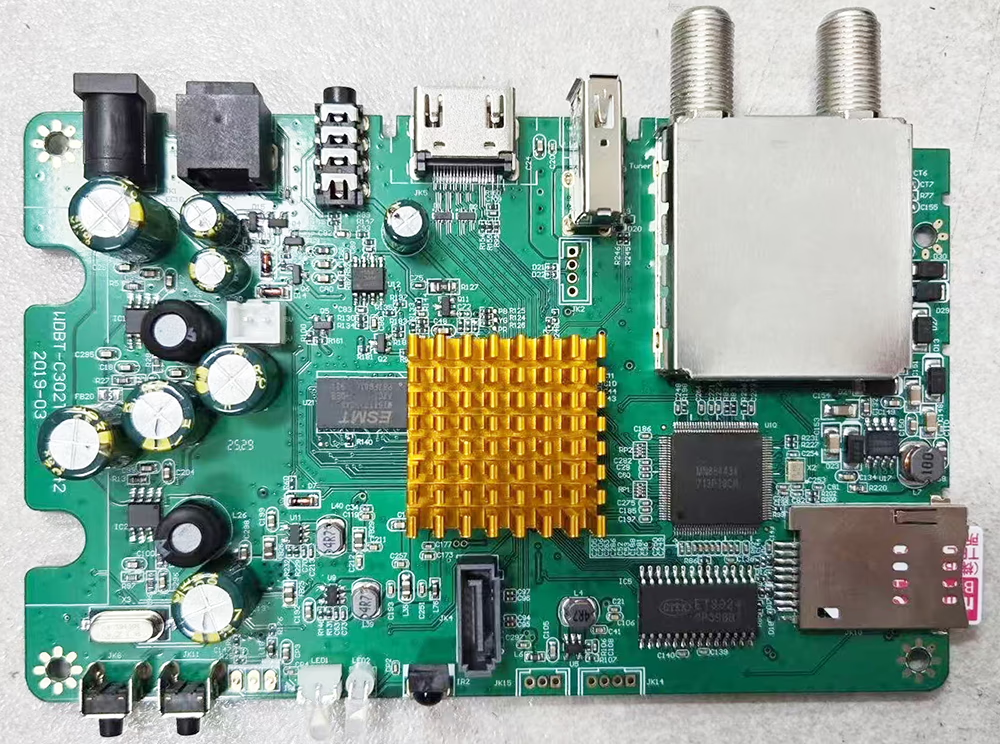
DVB-T vs ISDB-T: Key Differences and an In-Depth Look at ISDB-T Digital TV Technology
Digital terrestrial television standards allow broadcasters to deliver high-quality video, ऑडियो, and data services over the air. Among the most widely used systems are DVB-T (Digital Video Broadcasting – Terrestrial) तथा ISDB-T (एकीकृत सेवाएँ डिजिटल प्रसारण - स्थलीय).
Both technologies are designed to transmit digital TV signals through terrestrial broadcast networks, but they were developed in different regions and have different technical features and deployment histories.
इस आलेख में, we explore the differences between DVB-T and ISDB-T, and also take a deeper look at ISDB-T technology, its features, advantages, and global adoption.
What is DVB-T?
DVB-T (Digital Video Broadcasting – Terrestrial) is a digital broadcasting standard developed by the DVB Project, an international consortium of broadcasters, manufacturers, and network operators.
Originally designed for Europe, DVB-T has become one of the most widely used digital terrestrial TV standards worldwide.
Key characteristics of DVB-T
- समर्थन 6 मेगाहर्ट्ज, 7 मेगाहर्ट्ज, तथा 8 MHz bandwidth channels
- उपयोग सीओएफडीएम (कोडित ऑर्थोगोनल फ्रीक्वेंसी डिवीजन मल्टीप्लेक्सिंग) मॉडुलन
- समर्थन QPSK, 16QAM, and 64QAM constellations
- Enables Single Frequency Network (SFN) प्रसारण
- Designed for एचडीटीवी, एसडीटीवी, and digital radio services
DVB-T is used in many countries across Europe, Africa, Asia, and Oceania.
Popular related keywords:
- DVB-T digital TV
- DVB-T receiver
- DVB-T set-top box
- DVB-T terrestrial broadcasting
आईएसडीबी-टी क्या है??
ISDB-T (एकीकृत सेवाएँ डिजिटल प्रसारण - स्थलीय) is a digital broadcasting system developed in जापान. It was designed to support high-definition television, mobile broadcasting, and data services within a single broadcast channel.
The standard was launched in Japan in the early 2000s and later adopted by many countries in Latin America and Asia.
ISDB-T is widely known for its flexibility, robustness, and support for mobile television services.
Key features of ISDB-T
- उपयोग सीओएफडीएम मॉडुलन
- समर्थन mobile and portable reception
- Enables simultaneous HD and mobile broadcasting
- Includes Emergency Warning System (EWS)
- की अनुमति देता है डेटा प्रसारण और इंटरैक्टिव सेवाएं
One of the most distinctive features of ISDB-T is its segmented transmission system, which divides a broadcast channel into smaller segments for different services.
Important SEO keywords:
- ISDB-T digital TV
- आईएसडीबी-टी रिसीवर
- ISDB-T set-top box
- आईएसडीबी-टी प्रसारण प्रणाली
- ISDB-T tuner
- ISDB-T मॉड्यूलेटर
ISDB-T Segmented Transmission Technology
Unlike most digital TV standards, ISDB-T divides each 6 MHz channel into 13 खंडों.
This segmentation allows broadcasters to transmit multiple services simultaneously.
Typical configuration:
- 12 खंडों – used for HD or SD television (पूर्ण SEG)
- 1 खंड – used for mobile TV (एक-Seg)
One-Seg Mobile TV
एक-Seg is a mobile broadcasting service designed for:
- स्मार्टफोन
- पोर्टेबल टीवी
- USB TV tuners
- Car TV receivers
The One-Seg service allows viewers to watch live TV on mobile devices using just one segment of the broadcast channel.
Benefits of One-Seg:
- Low bandwidth consumption
- Reliable reception while moving
- Ideal for smartphones and portable devices
This feature makes ISDB-T particularly strong for mobile broadcasting, something DVB-T originally did not emphasize.
ISDB-T Technical Advantages
ISDB-T includes several improvements designed to improve reception quality and network efficiency.
1. Time Interleaving
ISDB-T uses time interleaving, which improves signal robustness in noisy environments and enhances reception for mobile or indoor devices.
2. Mobile and Portable Reception
The segmented transmission architecture enables reliable reception in:
- Moving vehicles
- स्मार्टफोन
- Portable televisions
- USB digital TV receivers
3. Emergency Warning System (EWS)
ISDB-T includes a built-in Emergency Warning System, which can automatically broadcast disaster alerts such as:
- Earthquakes
- Tsunamis
- Weather warnings
The system can automatically switch TVs on to display emergency information.
4. Efficient Frequency Usage
ISDB-T supports Single Frequency Networks (SFN), allowing multiple transmitters to operate on the same frequency.
Benefits include:
- Lower transmitter power
- Better coverage
- कुशल स्पेक्ट्रम उपयोग
ISDB-T Global Adoption
Although ISDB-T originated in Japan, it has expanded significantly across the world.
Countries using ISDB-T or ISDB-Tb (ब्राज़ीलियाई संस्करण) शामिल करना:
Asia
- जापान
- फिलीपींस
- श्री लंका
- मालदीव
Latin America
- ब्राज़िल
- अर्जेंटीना
- चिली
- पेरू
- इक्वेडोर
- वेनेजुएला
- परागुआ
- उरुग्वे
- बोलीविया
- कोस्टा रिका
- निकारागुआ
- होंडुरस
- ग्वाटेमाला
- अल साल्वाडोर
- बेलीज
Africa
- बोत्सवाना
Brazil played an important role in spreading the standard internationally by creating the ISDB-Tb variant, optimized for Latin American broadcasting.
Common SEO keywords:
- आईएसडीबी-टी देशों
- ISDB-Tb standard
- ISDB-T Latin America
- ISDB-T Brazil digital TV
DVB-T vs ISDB-T: Key Differences
| फ़ीचर | DVB-T | ISDB-T |
|---|---|---|
| मूल | यूरोप | जापान |
| चैनल बैंडविड्थ | 6 / 7 / 8 मेगाहर्ट्ज | Mainly 6 मेगाहर्ट्ज |
| मॉडुलन | सीओएफडीएम | सीओएफडीएम |
| मोबाइल टीवी | Limited in original DVB-T | में निर्मित (एक-Seg) |
| Segmented transmission | नहीं | हाँ (13 खंडों) |
| Emergency alert system | Not standard | Built-in EWS |
| Adoption regions | यूरोप, Africa, Asia | जापान, Latin America, Asia |
Both systems deliver similar performance because they rely on सीओएफडीएम मॉडुलन, which ensures strong signal resistance to interference.
Choosing the Right Digital TV Standard
When selecting a digital TV receiver or set-top box, it is important to choose the correct standard used in your country.
Examples:
- Countries using DVB-T require a DVB-T set-top box
- Countries using ISDB-T require an ISDB-T receiver or tuner
Using the wrong receiver will prevent your TV from decoding the broadcast signal.
Common product keywords:
- ISDB-T digital TV box
- ISDB-T tuner for TV
- ISDB-T car TV receiver
- ISDB-T USB TV stick
- ISDB-T न्यूनाधिक एनकोडर
निष्कर्ष
Both DVB-T and ISDB-T are important digital terrestrial broadcasting standards used around the world. While DVB-T is more widely adopted globally, ISDB-T offers unique advantages such as segmented broadcasting, mobile TV support, and built-in emergency alert systems.
With the rise of mobile viewing, portable receivers, and smart broadcasting services, ISDB-T remains a powerful and flexible solution for modern digital television networks.
यदि आप ढूंढ रहे हैं ISDB-T रिसीवर, ISDB-T set-top boxes, or ISDB-T modulators, be sure to choose a device compatible with the digital broadcasting system used in your country.


1 SEG ISDB-T AM एफएम
एएम एफएम रेडियो 1 बैटरी स्पीकर के साथ सेग आईएसडीबी-टी टीवी ध्वनि


आईएसडीबी-टी आरएफ के लिए एचडीएमआई एनकोडर
डिजिटल एनकोडर मॉड्यूलेटर HD-MI संगत एक्सटेंडर ओवर कोएक्सियल ISDB-T टीवी RF मॉड्यूलेटर MJZSEE V2020I


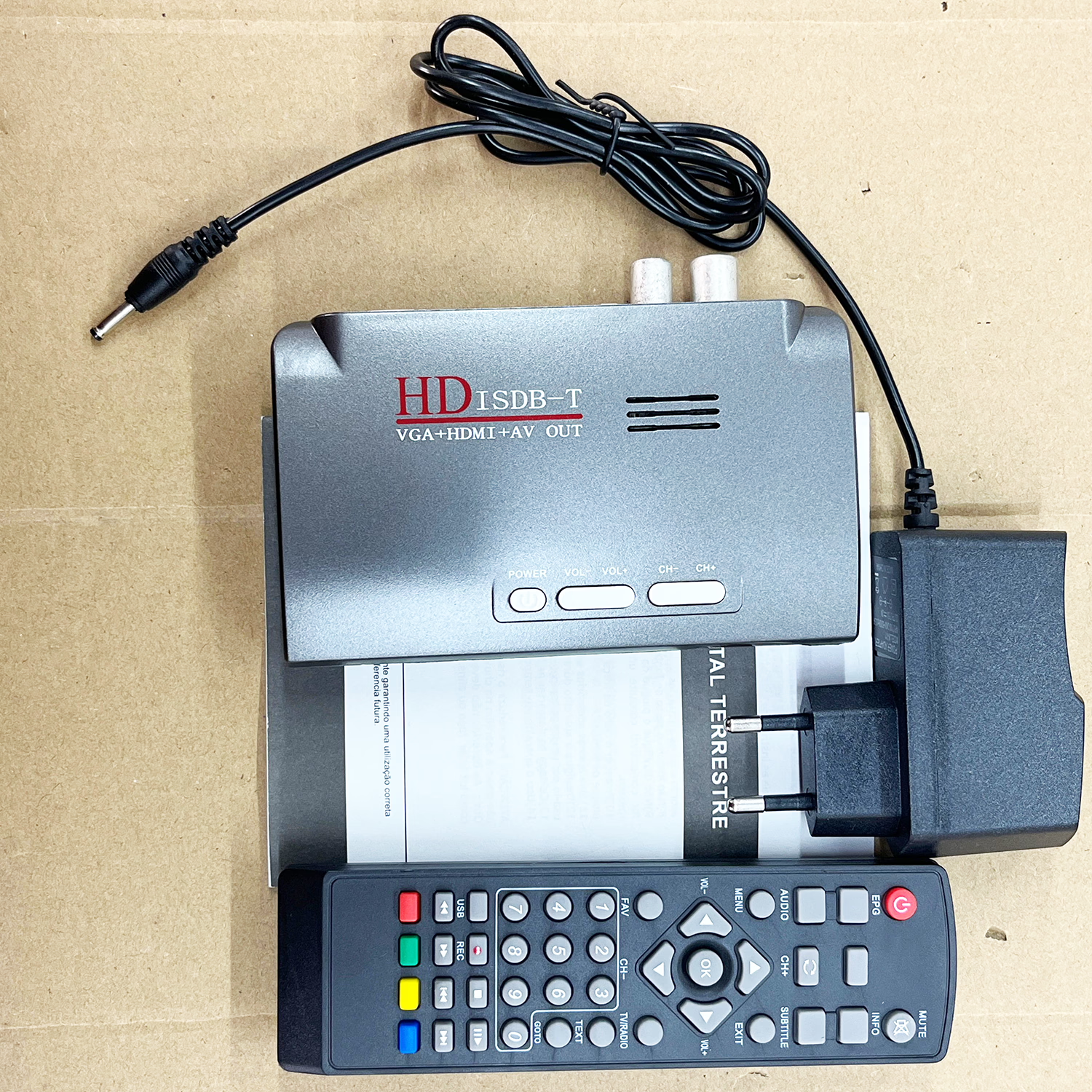




घर के लिए आईएसडीबी-टी
आईएसडीबी-टी बीएस सीएस जापान जापानी तीन-बैंड सेट-टॉप बॉक्स पीवीआर टीवी पीसीबी बोर्ड

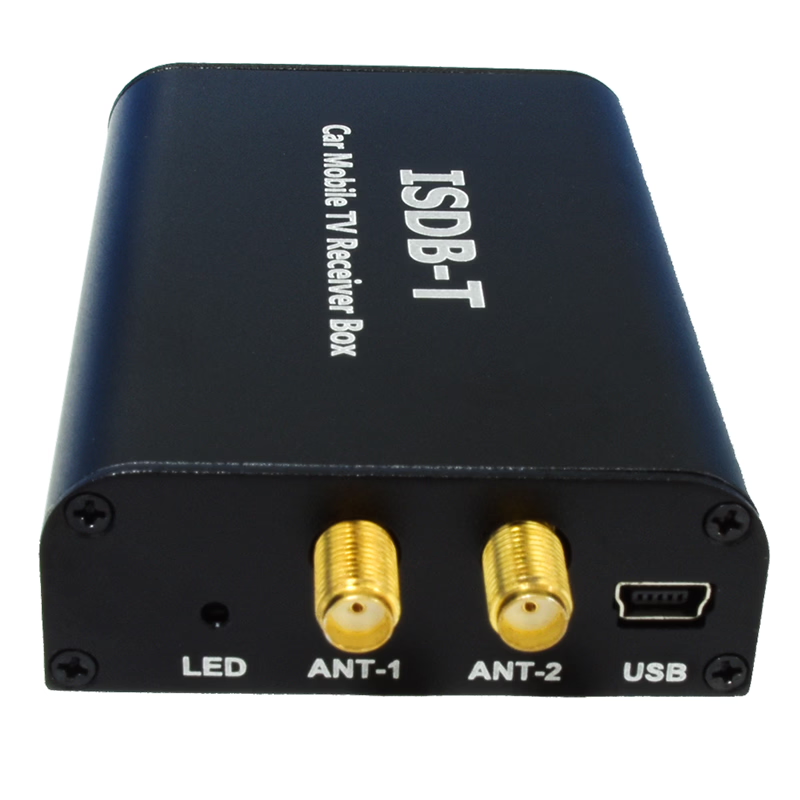
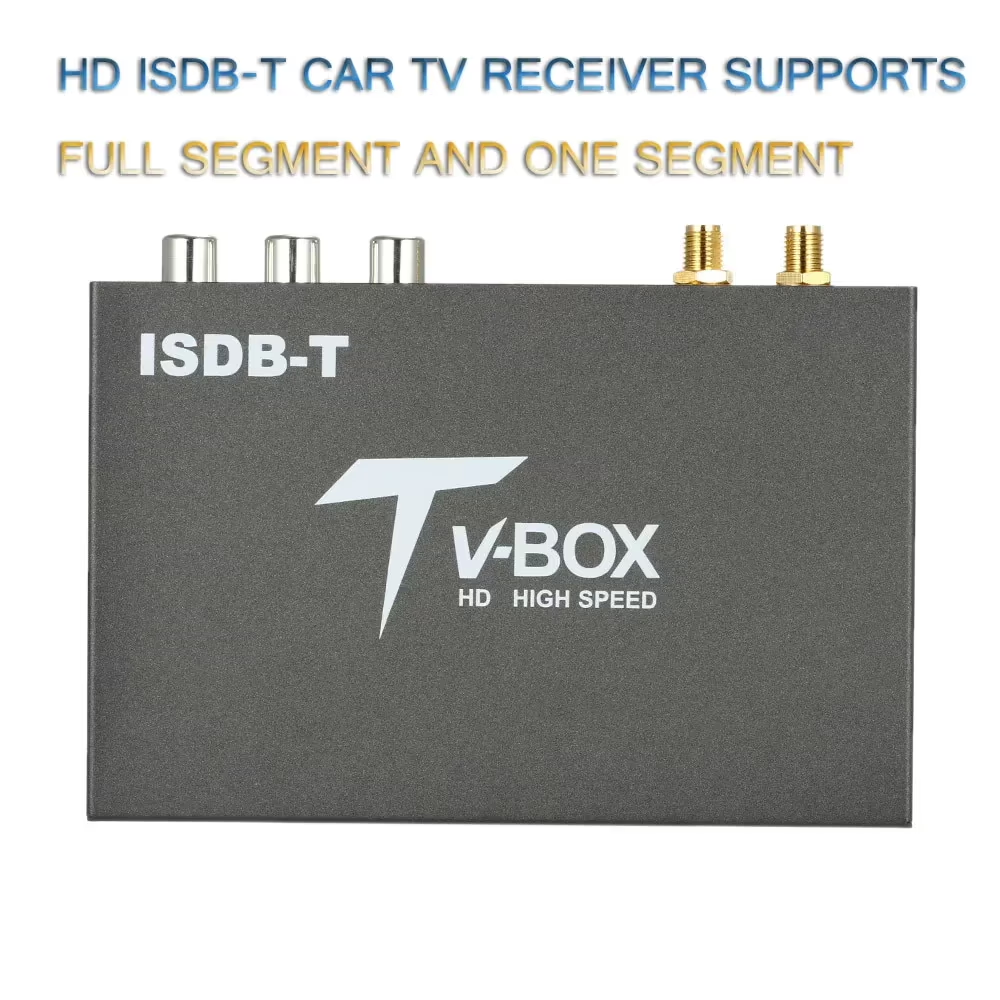
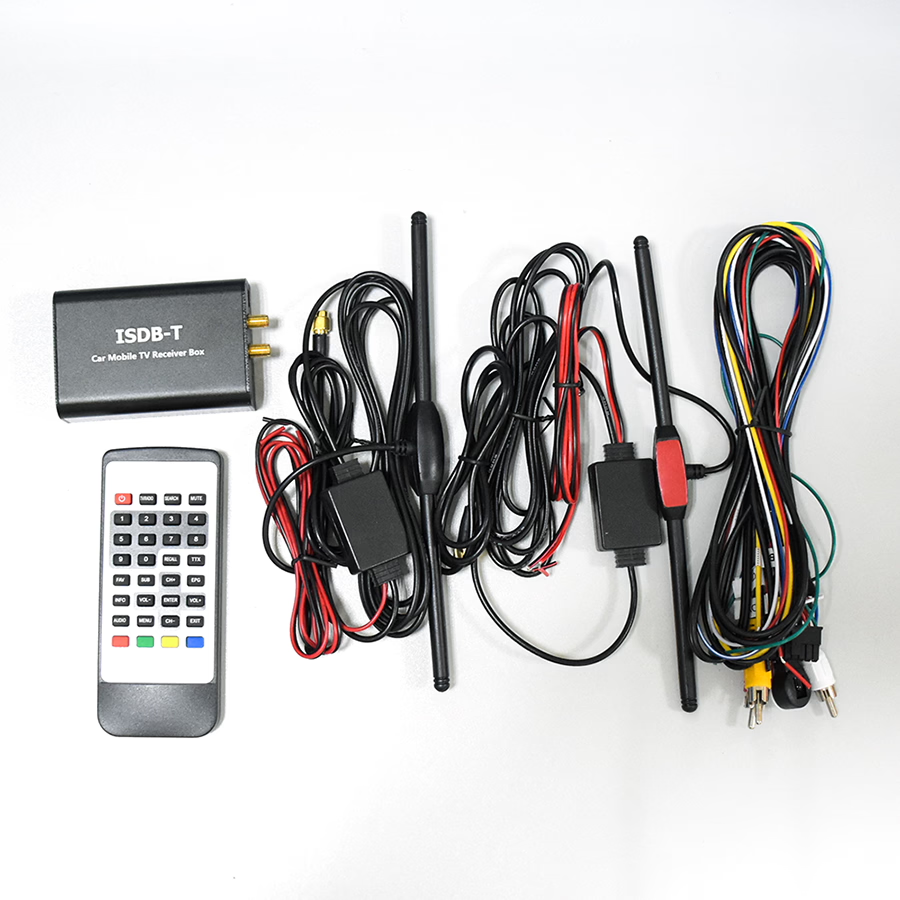
ISDB-T कार के लिए
ISDB-T डिजिटल टीवी रिसीवर डिकोडर ISDB बोर्डकास्ट एंटीना मिनी
प्रश्न पूछें
आपका संदेश भेज दिया गया है