
Sự khác biệt rõ ràng tồn tại giữa Phát sóng video kỹ thuật số (DVB) Và Dịch vụ tích hợp Phát sóng kỹ thuật số (ISDB). Những chiếc DVB-T đó & Các định dạng phát sóng ISDB-T được sử dụng ở nhiều nơi trên thế giới. các “T” TRONG “DVB-T” Và “ISDB-T” là viết tắt của “trên mặt đất,” và nó chỉ định một hình thức quốc tế hơn của mỗi hệ thống phát sóng ban đầu. Ngoài ra còn có một số DVB-S và ISDB-S, các “S” là viết tắt của “vệ tinh”.
DVB là một hệ thống được sử dụng rộng rãi, chấp nhận các tiêu chuẩn nhất định để chạy chương trình. Đó là một bộ hướng dẫn được thiết lập bởi Dự án DVB, đó là một hội đồng bao gồm các thành viên quốc tế. Tổ chức này có trụ sở ở Châu Âu, nhưng DVB được sử dụng ở nhiều nước trên thế giới. DVB cung cấp phân phối dữ liệu theo nhiều cách, như vệ tinh, cáp, truyền hình mặt đất, và lò vi sóng.

ISDB là giải pháp thay thế ít phổ biến hơn cho DVB. Nó được phát triển ở Nhật Bản và được chế tạo để sử dụng ở quốc gia đó. Nó được sử dụng bởi các hệ thống phát thanh và truyền hình analog của Nhật Bản cũng như tất cả các hệ thống phát thanh và truyền hình kỹ thuật số của nước này.. ISDB-T có thể được sử dụng để phát sóng các chương trình truyền hình độ nét cao và hiển thị thông tin từ thiết bị di động như điện thoại di động có tên One-Segs cùng lúc.
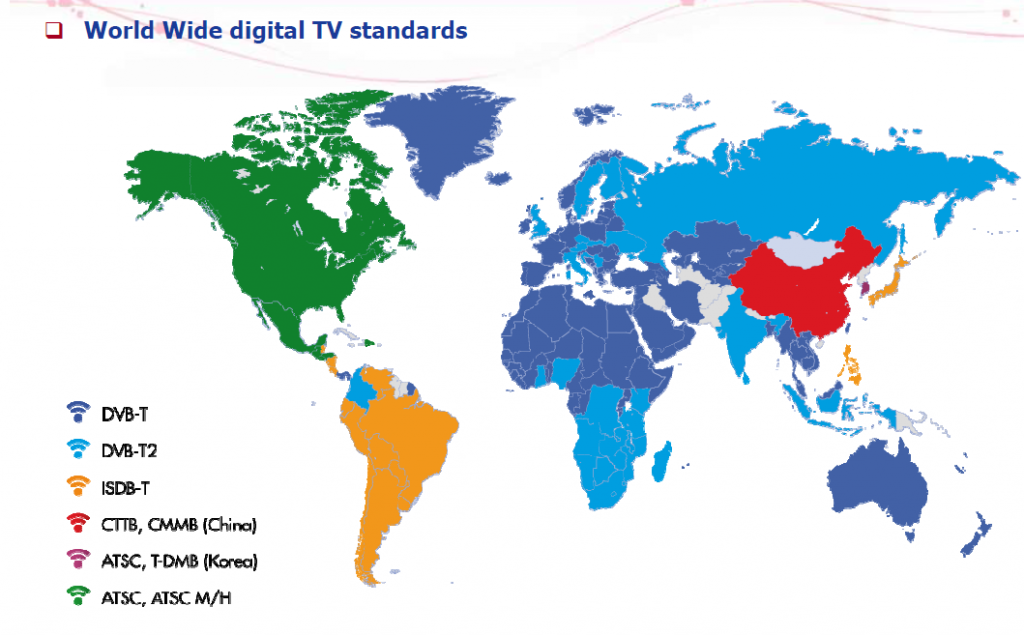
DVB-T & ISDB-T
Trong khi DVB ban đầu được xây dựng để sử dụng ở Châu Âu, nó có thể được sử dụng trên toàn thế giới với DVB-T. Các quốc gia sử dụng DVB bao gồm Nam Phi, Kenya, Iran, Israel, New Zealand, và Malaysia. Kiểm tra Các quốc gia áp dụng DVB-T.
ISDB-T được tạo ra ở Nhật Bản vào năm 2003, nhưng nó đã không rời khỏi đất nước cho đến khi Brazil bắt đầu sử dụng nó ở 2007. ISDB-T đã trở thành quốc tế hoàn toàn vào giữa năm 2011, Hiện nay Các quốc gia áp dụng ISDB-T, 6Quốc gia có băng thông M, Nhật Bản, Brazil, Peru, Argentina, Philippin, Chilê, Venezuela, Ecuador, Paraguay, Costa Rica, Bôlivia, Nicaragua, Uruguay, Belize, Honduras, Guatemala, El Salvador, Sri Lanka 8Quốc gia có băng thông M, Botswana, Maldives
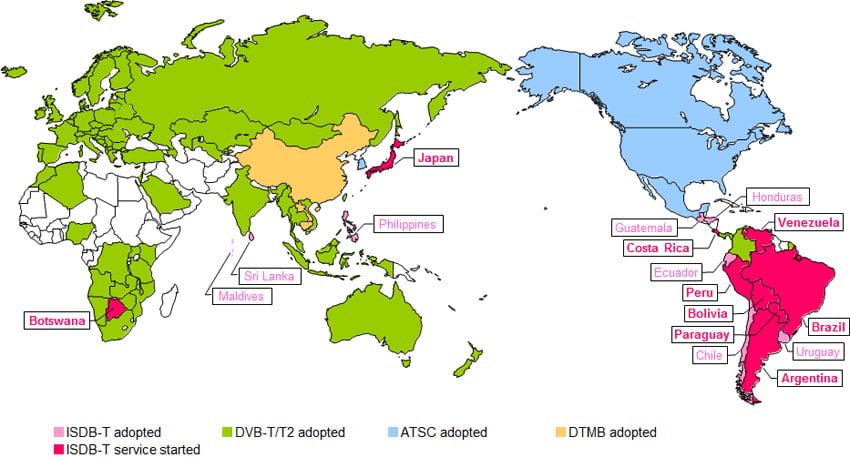
Sự khác biệt
Hệ thống DVB-T cung cấp 6, 7, Và 8 máy thu MHz, có nghĩa là họ có thể phát sóng ở ba tốc độ. ISDB-T không cung cấp máy thu với 7 khả năng. Đó là điểm khác biệt lớn duy nhất giữa DVB-T và ISDB-T, Tuy nhiên, bởi vì cả hai đều sử dụng ghép kênh phân chia tần số trực giao được mã hóa (COFDM) công nghệ điều chế. Yếu tố đó khiến cả 2 đều cho ra hiệu năng tương đương nhau.
Vậy chọn DVB-T ISDB-T cái nào tốt hơn? Vui lòng chọn đúng đầu thu TV kỹ thuật số theo hệ thống TV kỹ thuật số mà quốc gia bạn đã mua. Nếu bạn có bất kỳ câu hỏi nào, bạn có thể liên hệ với chúng tôi để xác nhận cho bạn.
Là nhà sản xuất truyền hình kỹ thuật số chuyên nghiệp tại Trung Quốc, ISDB-T.com sẽ mang đến cho bạn nhiều sự lựa chọn.
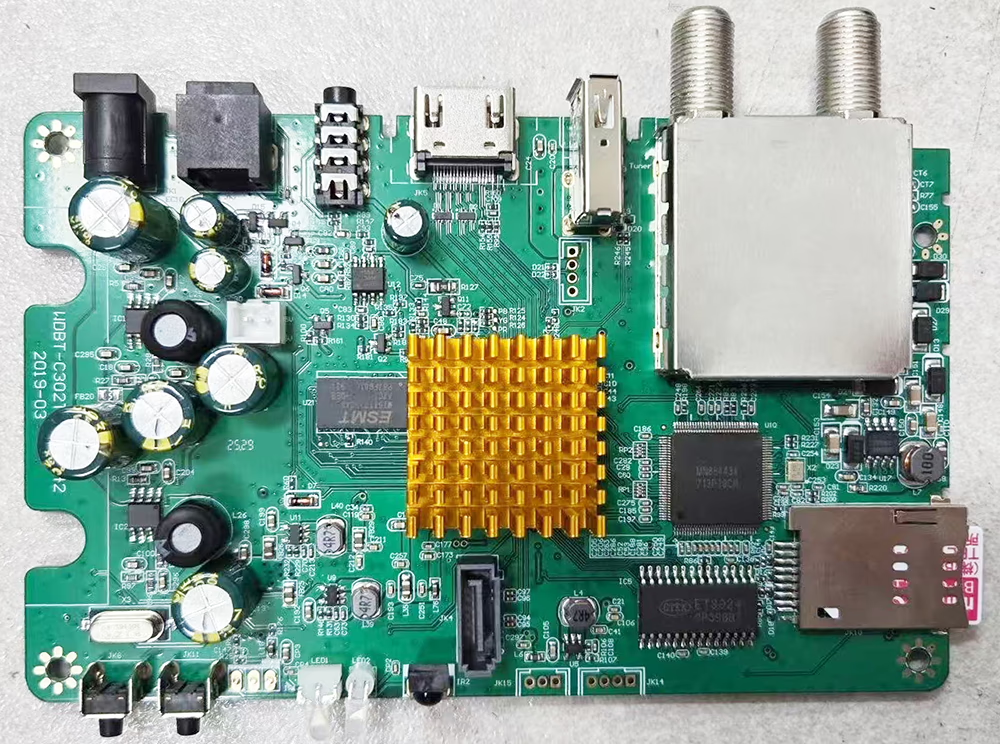
DVB-T so với ISDB-T: Sự khác biệt chính và cái nhìn sâu sắc về công nghệ truyền hình kỹ thuật số ISDB-T
Tiêu chuẩn truyền hình số mặt đất cho phép các đài truyền hình cung cấp video chất lượng cao, âm thanh, và dịch vụ dữ liệu qua mạng. Trong số các hệ thống được sử dụng rộng rãi nhất là DVB-T (Phát sóng video kỹ thuật số – Mặt đất) Và ISDB-T (Dịch vụ tích hợp Truyền hình số – Mặt đất).
Cả hai công nghệ đều được thiết kế để truyền tín hiệu truyền hình số qua mạng phát sóng mặt đất, nhưng chúng được phát triển ở các khu vực khác nhau và có các tính năng kỹ thuật cũng như lịch sử triển khai khác nhau.
Trong bài viết này, chúng tôi khám phá sự khác biệt giữa DVB-T và ISDB-T, và cũng có một cái nhìn sâu hơn về Công nghệ ISDB-T, tính năng của nó, thuận lợi, và sự áp dụng toàn cầu.
DVB-T là gì?
DVB-T (Phát sóng video kỹ thuật số – Mặt đất) là một tiêu chuẩn phát sóng kỹ thuật số được phát triển bởi Dự án DVB, một tập đoàn quốc tế của các đài truyền hình, nhà sản xuất, và các nhà khai thác mạng.
Ban đầu được thiết kế cho Châu Âu, DVB-T đã trở thành một trong những chuẩn truyền hình số mặt đất được sử dụng rộng rãi nhất trên toàn thế giới.
Đặc điểm chính của DVB-T
- Hỗ trợ 6 MHz, 7 MHz, Và 8 Kênh băng thông MHz
- Công dụng COFDM (Ghép kênh phân chia tần số trực giao được mã hóa) điều chế
- Hỗ trợ QPSK, 16QAM, và các chòm sao 64QAM
- Bật Mạng tần số đơn (SFN) phát sóng
- Được thiết kế cho HDTV, SDTV, và dịch vụ vô tuyến kỹ thuật số
DVB-T được sử dụng ở nhiều nước trên khắp Châu Âu, Châu phi, Châu Á, và Châu Đại Dương.
Từ khóa liên quan phổ biến:
- Truyền hình kỹ thuật số DVB-T
- đầu thu DVB-T
- Bộ giải mã DVB-T
- Truyền hình mặt đất DVB-T
ISDB-T là gì?
ISDB-T (Dịch vụ tích hợp Truyền hình số – Mặt đất) là một hệ thống phát sóng kỹ thuật số được phát triển trong Nhật Bản. Nó được thiết kế để hỗ trợ truyền hình độ nét cao, phát sóng di động, và dịch vụ dữ liệu trong một kênh quảng bá duy nhất.
Tiêu chuẩn này được đưa ra ở Nhật Bản vào đầu những năm 2000 và sau đó được nhiều nước trên thế giới áp dụng. Châu Mỹ Latinh và Châu Á.
ISDB-T được biết đến rộng rãi nhờ tính linh hoạt, sự vững chãi, và hỗ trợ các dịch vụ truyền hình di động.
Đặc điểm chính của ISDB-T
- Công dụng điều chế COFDM
- Hỗ trợ tiếp nhận di động và di động
- Bật phát sóng đồng thời HD và di động
- Bao gồm Hệ thống cảnh báo khẩn cấp (EWS)
- Cho phép dịch vụ truyền phát dữ liệu và tương tác
Một trong những tính năng đặc biệt nhất của ISDB-T là nó hệ thống truyền dẫn phân đoạn, chia kênh phát sóng thành các phân đoạn nhỏ hơn cho các dịch vụ khác nhau.
Từ khóa SEO quan trọng:
- Truyền hình kỹ thuật số ISDB-T
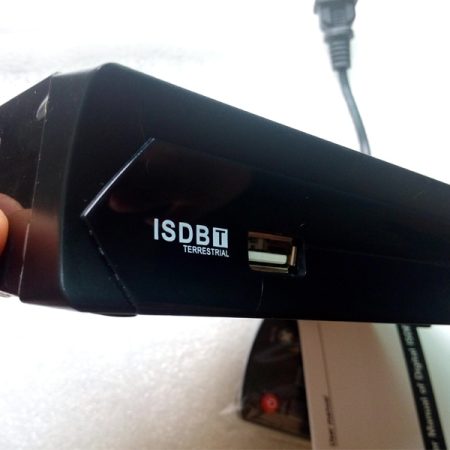
- Bộ thu ISDB-T
- Hộp giải mã tín hiệu ISDB-T
- Hệ thống phát sóng ISDB-T
- Bộ điều chỉnh ISDB-T
- Bộ điều chế ISDB-T
Công nghệ truyền phân đoạn ISDB-T
Không giống như hầu hết các tiêu chuẩn truyền hình kỹ thuật số, ISDB-T chia mỗi 6 kênh MHz vào 13 phân đoạn.
Phân đoạn này cho phép các đài truyền hình truyền tải nhiều dịch vụ cùng một lúc.
Cấu hình điển hình:
- 12 phân đoạn – dùng cho tivi HD hoặc SD (Toàn bộ phân đoạn)
- 1 đoạn – dùng cho truyền hình di động (Một đoạn)
Truyền hình di động một đoạn
Một đoạn là một dịch vụ phát sóng di động được thiết kế cho:
- Điện thoại thông minh
- TV di động
- Bộ điều chỉnh TV USB
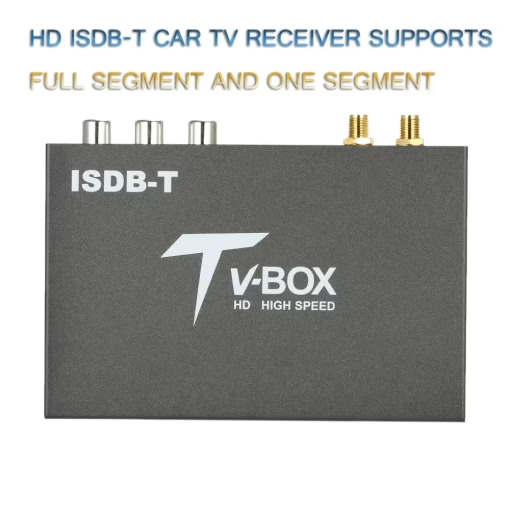
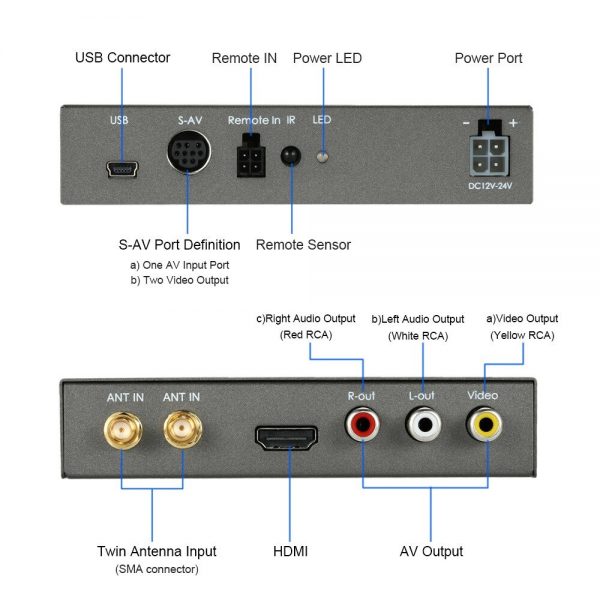
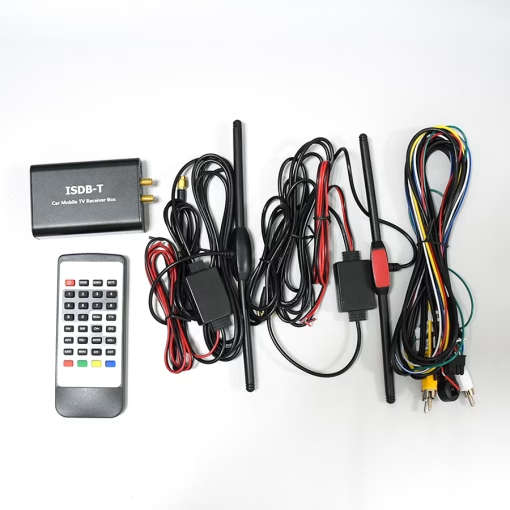
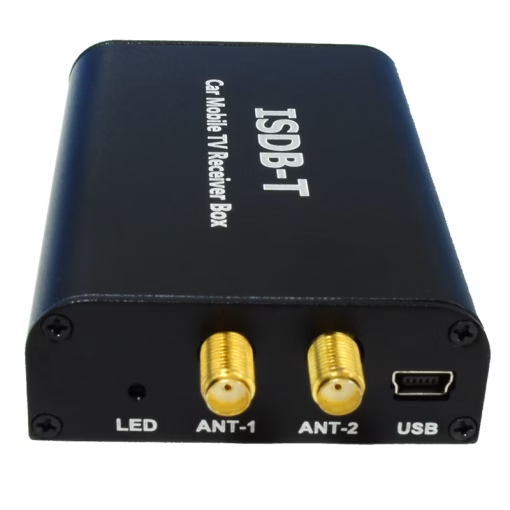
- Đầu thu TV trên ô tô
Dịch vụ One-Seg cho phép người xem xem truyền hình trực tiếp trên thiết bị di động chỉ bằng một đoạn kênh phát sóng.
Lợi ích của một phân đoạn:
- Tiêu thụ băng thông thấp
- Tiếp nhận đáng tin cậy trong khi di chuyển
- Lý tưởng cho điện thoại thông minh và thiết bị di động
Đặc điểm này làm cho ISDB-T đặc biệt mạnh cho phát sóng di động, điều mà DVB-T ban đầu không nhấn mạnh.
Ưu điểm kỹ thuật ISDB-T
ISDB-T bao gồm một số cải tiến được thiết kế để cải thiện chất lượng thu sóng và hiệu quả mạng.
1. xen kẽ thời gian
ISDB-T sử dụng xen kẽ thời gian, giúp cải thiện độ mạnh của tín hiệu trong môi trường ồn ào và tăng cường khả năng thu tín hiệu cho thiết bị di động hoặc trong nhà.
2. Tiếp nhận di động và di động
Kiến trúc truyền dẫn phân đoạn cho phép thu tín hiệu đáng tin cậy ở:
- Phương tiện di chuyển
- Điện thoại thông minh
- Tivi di động
- Đầu thu truyền hình kỹ thuật số USB
3. Hệ thống cảnh báo khẩn cấp (EWS)
ISDB-T bao gồm một tính năng tích hợp sẵn Hệ thống cảnh báo khẩn cấp, có thể tự động phát các cảnh báo thảm họa như:
- Động đất
- Sóng thần
- Cảnh báo thời tiết
Hệ thống có thể tự động bật TV để hiển thị thông tin khẩn cấp.
4. Sử dụng tần suất hiệu quả
Hỗ trợ ISDB-T Mạng tần số đơn (SFN), cho phép nhiều máy phát hoạt động trên cùng một tần số.
Lợi ích bao gồm:
- Công suất phát thấp hơn
- Bảo hiểm tốt hơn
- Sử dụng phổ hiệu quả
Áp dụng toàn cầu ISDB-T
Mặc dù ISDB-T có nguồn gốc từ Nhật Bản, nó đã mở rộng đáng kể trên toàn thế giới.
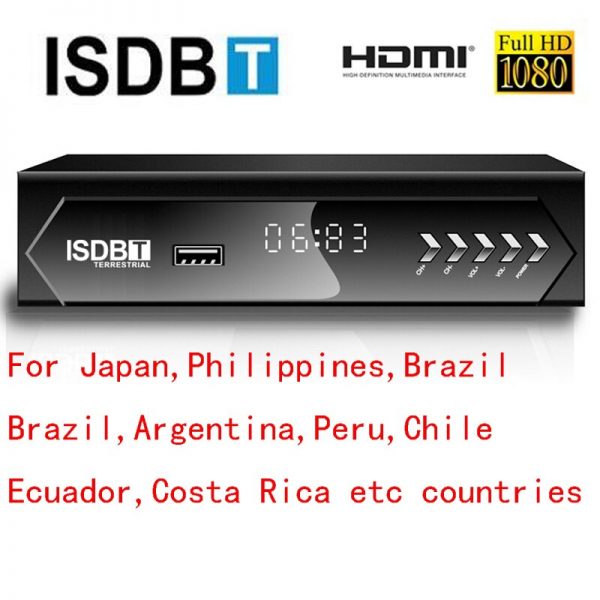
Các nước sử dụng ISDB-T hoặc ISDB-Tb (Phiên bản Brazil) bao gồm:
Châu Á
- Nhật Bản
- Philippin
- Sri Lanka
- Maldives
Mỹ Latinh
- Brazil
- Argentina
- Chilê
- Peru
- Ecuador
- Venezuela
- Paraguay
- Uruguay
- Bôlivia
- Costa Rica
- Nicaragua
- Honduras
- Guatemala
- El Salvador
- Belize
Châu phi
- Botswana
Brazil đóng vai trò quan trọng trong việc truyền bá tiêu chuẩn này ra quốc tế bằng cách tạo ra biến thể ISDB-Tb, được tối ưu hóa cho phát sóng Mỹ Latinh.
Từ khóa SEO phổ biến:
- các nước ISDB-T
- Tiêu chuẩn ISDB-Tb
- ISDB-T Châu Mỹ Latinh
- TV kỹ thuật số ISDB-T Brazil
DVB-T so với ISDB-T: Sự khác biệt chính
| Tính năng | DVB-T | ISDB-T |
|---|---|---|
| Nguồn gốc | Châu Âu | Nhật Bản |
| Băng thông kênh | 6 / 7 / 8 MHz | chủ yếu 6 MHz |
| điều chế | COFDM | COFDM |
| Truyền hình di động | Giới hạn ở DVB-T gốc | Tích hợp sẵn (Một đoạn) |
| Truyền phân đoạn | KHÔNG | Đúng (13 phân đoạn) |
| Hệ thống cảnh báo khẩn cấp | Không chuẩn | EWS tích hợp |
| Khu vực áp dụng | Châu Âu, Châu phi, Châu Á | Nhật Bản, Mỹ Latinh, Châu Á |
Cả hai hệ thống đều mang lại hiệu suất tương tự vì chúng dựa vào điều chế COFDM, đảm bảo khả năng chống nhiễu tín hiệu mạnh.
Chọn đúng tiêu chuẩn truyền hình kỹ thuật số
Khi chọn một đầu thu TV kỹ thuật số hoặc hộp giải mã tín hiệu, điều quan trọng là phải chọn đúng tiêu chuẩn được sử dụng ở nước bạn.
Ví dụ:
- Các nước sử dụng DVB-T yêu cầu một Bộ giải mã DVB-T
- Các nước sử dụng ISDB-T yêu cầu một Bộ thu hoặc bộ điều chỉnh ISDB-T
Sử dụng sai đầu thu sẽ khiến TV của bạn không giải mã được tín hiệu phát sóng.
Từ khóa sản phẩm phổ biến:
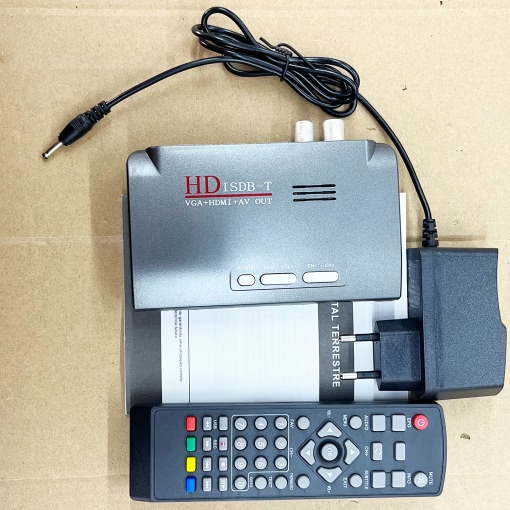
- Hộp truyền hình kỹ thuật số ISDB-T
- Bộ điều chỉnh ISDB-T cho TV
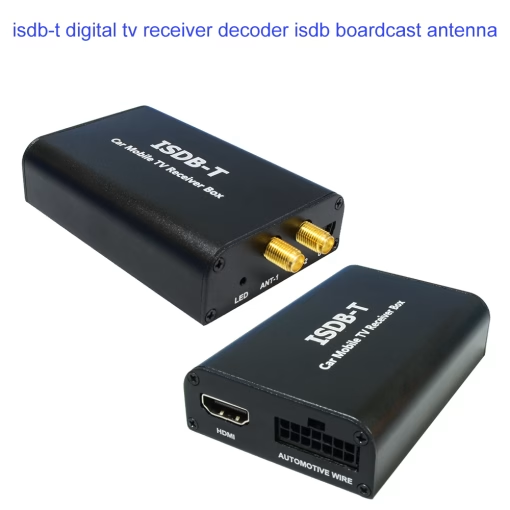
- Đầu thu TV ô tô ISDB-T
- Thanh USB TV ISDB-T
- Bộ mã hóa bộ điều chế ISDB-T
Phần kết luận
Cả hai DVB-T và ISDB-T là các tiêu chuẩn phát sóng mặt đất kỹ thuật số quan trọng được sử dụng trên toàn thế giới. Trong khi DVB-T được áp dụng rộng rãi hơn trên toàn cầu, ISDB-T cung cấp những lợi thế độc đáo như phát sóng phân đoạn, hỗ trợ truyền hình di động, và hệ thống cảnh báo khẩn cấp tích hợp.
Với sự gia tăng của xem di động, máy thu cầm tay, và dịch vụ phát sóng thông minh, ISDB-T vẫn là giải pháp mạnh mẽ và linh hoạt cho mạng truyền hình kỹ thuật số hiện đại.
Nếu bạn đang tìm kiếm Máy thu ISDB-T, Hộp giải mã tín hiệu ISDB-T, hoặc bộ điều biến ISDB-T, hãy nhớ chọn một thiết bị tương thích với hệ thống phát sóng kỹ thuật số được sử dụng ở quốc gia của bạn.
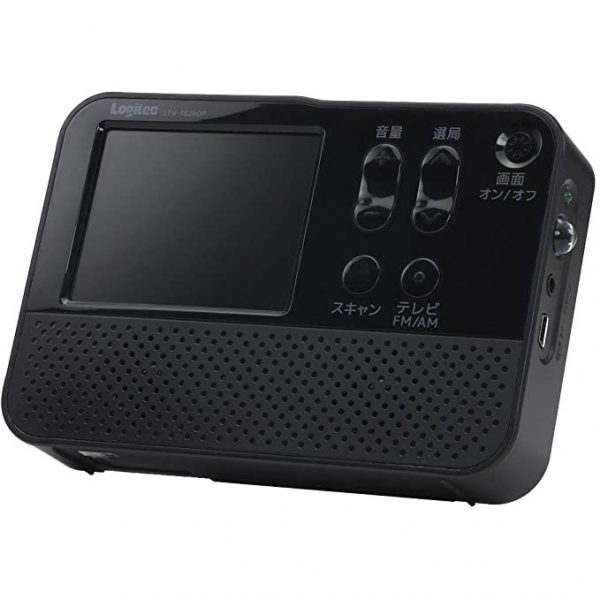

1 Phân đoạn ISDB-T AM FM

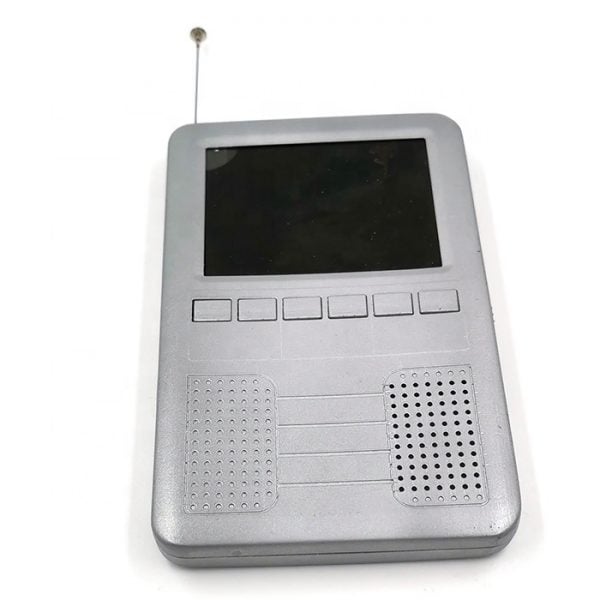
1 Phân đoạn ISDB-T AM FM
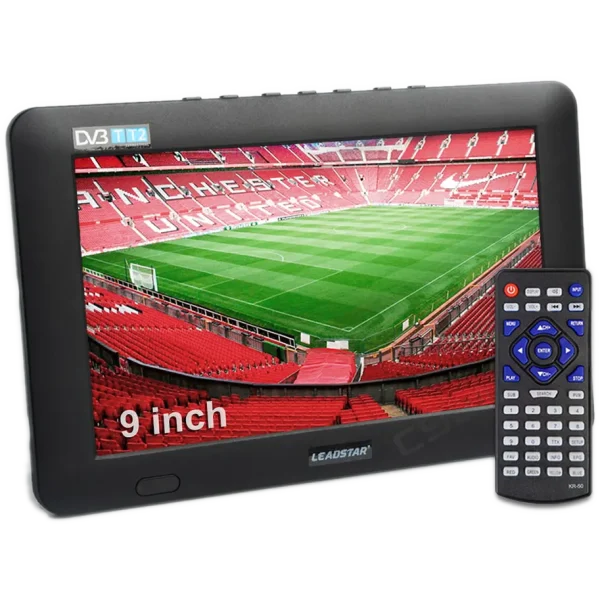
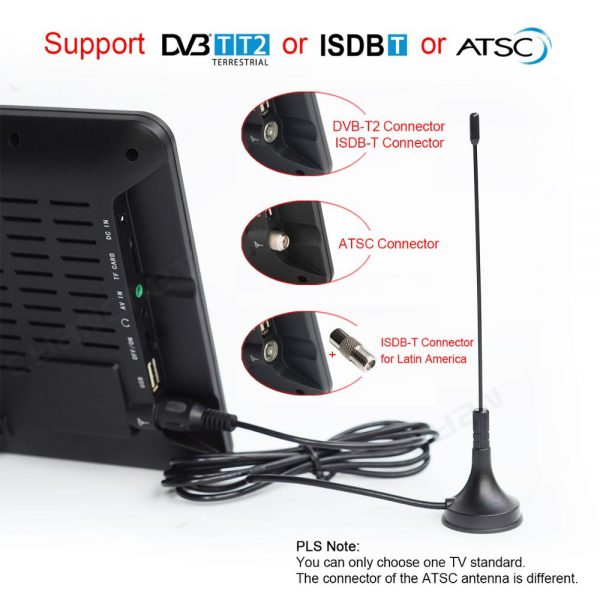

1 Phân đoạn ISDB-T AM FM
Đài phát thanh AM FM 1 phân biệt âm thanh TV ISDB-T với loa pin

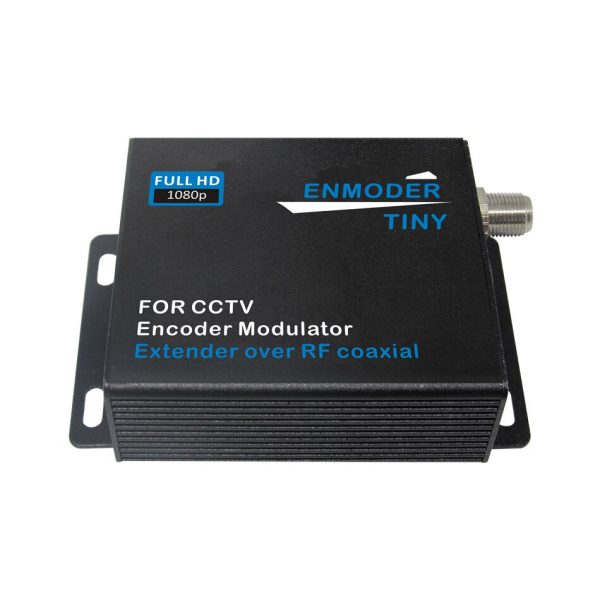
Bộ mã hóa HDMI sang ISDB-T RF
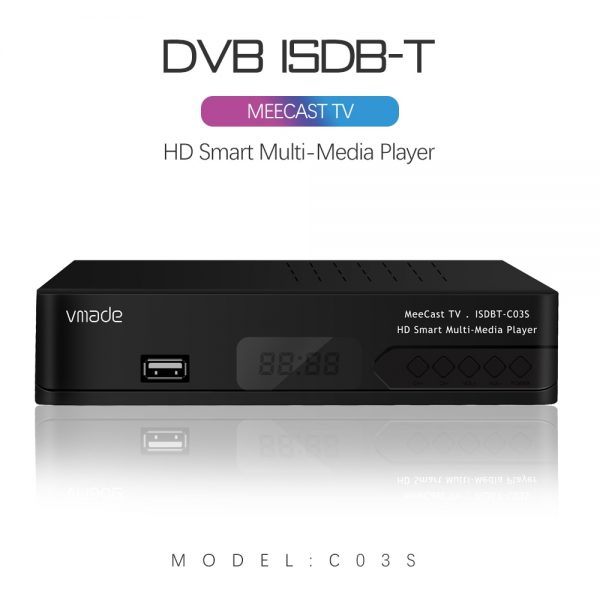
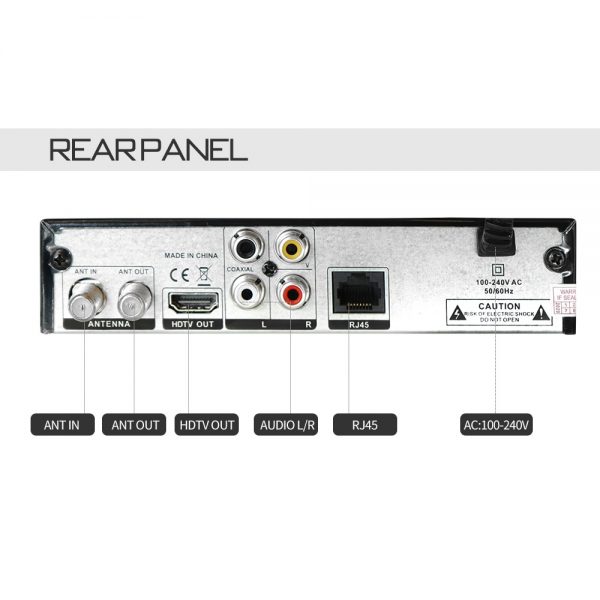
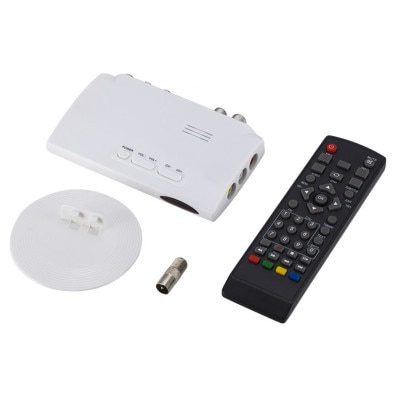

ISDB-T
ISDB-T cho gia đình
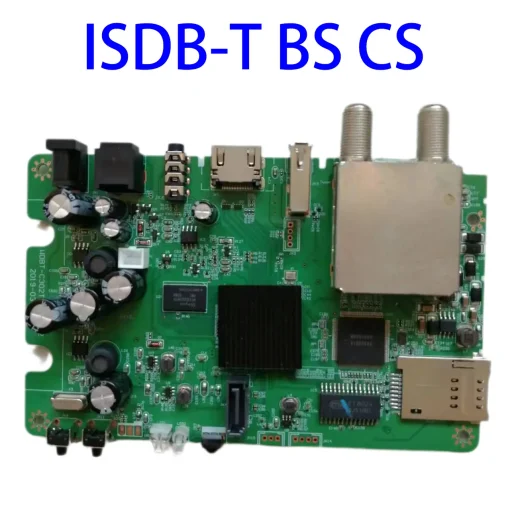
ISDB-T BS CS Nhật Bản Bộ giải mã ba băng tần Nhật Bản PVR TV PCB Bảng mạch
Đặt một câu hỏi
Tin nhắn của bạn đã được gửi