
Jak dwukierunkowe łącza TDD OFDM rozwiązują problemy związane z telemetrią i danymi czujników o dużej przepustowości w komunikacji z dronami
Wstęp
Nowoczesne UAV (Bezzałogowe Statki Powietrzne) coraz częściej wymagają jednoczesnej transmisji wielu typów danych – telemetrii, szybki czujnik lub dane wideo, oraz informacje zwrotne dotyczące poleceń/kontroli. Osiągnięcie tego wszystkiego za pomocą niezawodnego łącza bezprzewodowego o niskim opóźnieniu nie jest zadaniem trywialnym, szczególnie w przypadku zastosowań działających w czasie rzeczywistym, takich jak nadzór, mapowanie, lub autonomiczna nawigacja.
Klient niedawno przedstawił następujące wymagania dotyczące systemu komunikacji dronowej:
Podsumowanie wymagań klienta:
- Wysyłanie danych telemetrycznych @ 40ms (40Dane KB) ponad 100 Linia Ethernetowa Mb/s. Dane przesyłane są jako pakiety UDP.
- Przesyłanie surowych danych o rozmiarze 1.7 MB @40ms przez a 1 Linia Ethernet Gbps wykorzystująca protokół UDP.
- Polecenie/odpowiedź przez RS422, do interakcji z komputerem pokładowym drona w celu uzyskania danych IMU (lokalizacja i nastawienie) @40 ms, a także współdziałać z GCS przez RF.
Ten zestaw wymagań podkreśla złożoność potrzeb w zakresie transmisji danych współczesnych UAV: wysoka przepustowość, niskie opóźnienie, oraz interakcja pełnodupleksowa pomiędzy powietrzem i ziemią.
Wyzwania w oryginalnej konfiguracji
Przeanalizujmy wymagania pod względem technicznym:
| Typ danych | Interwał | Rozmiar danych | Równoważna szybkość transmisji danych | Typ komunikacji |
|---|---|---|---|---|
| Telemetria | 40 SM | 40 KB | ~8 Mb/s | UDP (100 Mb/s Ethernet) |
| Surowe dane | 40 SM | 1.7 MB | ~340 Mb/s | UDP (1 Ethernet Gb/s) |
| Rozkaz / IMU | 40 SM | <100 KB | Nieistotny | Łącze szeregowe RS422 |
Kluczowe wyzwania:
- Przepustowość: 340 Mb/s surowych danych przekracza możliwości, jakie mogą obsłużyć tradycyjne systemy COFDM lub systemy wąskopasmowe.
- Kierunkowość: Dane telemetryczne i IMU muszą przepływać w obu kierunkach pomiędzy dronem a GCS.
- Synchronizacja: Dane, wideo, i łącza sterujące muszą być zsynchronizowane 25 Hz (40 okres ms) bez utraty pakietów i dużych opóźnień.
Dzięki temu staje się oczywiste, że a TDD (Dupleks podziału czasu) Dwukierunkowe łącze oparte na OFDM jest idealnym rozwiązaniem.
Dlaczego TDD OFDM jest właściwym rozwiązaniem
1. Transmisja dwukierunkowa w jednym kanale częstotliwości
W przeciwieństwie do tradycyjnych jednokierunkowych nadajników COFDM, łącze TDD OFDM wykorzystuje to samo pasmo częstotliwości zarówno dla łącza w górę, jak i łącza w dół, naprzemienne przedziały czasowe transmisji. To pozwala:
- Pełna komunikacja dwukierunkowa (rozkaz, telemetria, i dane)
- Zmniejszona złożoność RF i wymagania dotyczące anteny
- Doskonała synchronizacja pomiędzy dronem a stacją naziemną
2. Efektywne wykorzystanie widma
W środowiskach wąskopasmowych lub systemach UAV o ograniczonej częstotliwości (np., 300 MHz–6 GHz), TDD OFDM umożliwia adaptacyjną alokację współczynników łącza w górę/w dół:
- Na przykład, 80% łącze w dół dla danych czujnika/wideo i 20% łącze nadrzędne dla telemetrii/poleceń.
- Dynamiczne przełączanie w oparciu o stan łącza zapewnia optymalną przepustowość i minimalne opóźnienia.
3. Zgodność z UDP
Ponieważ UDP jest lekki i przyjazny w czasie rzeczywistym, system TDD OFDM może enkapsulować pakiety UDP bezpośrednio w trybie mostu Ethernet, zapewnienie przejrzystej transmisji danych zarówno telemetrycznych, jak i sensorycznych.
4. Integracja z RS422 / Kontrola szeregowa
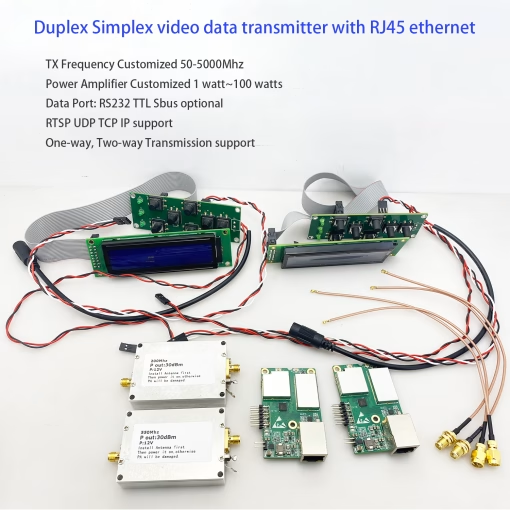
Moduły TDD OFDM często obsługują przezroczyste dane szeregowe (RS232/422/485) kanałów równolegle ze strumieniem Ethernet. To pozwala:
- Wymiana poleceń/sterowań w czasie rzeczywistym z komputerem pokładowym
- Synchronizacja danych IMU i GPS z oprogramowaniem kontroli naziemnej
- Ujednolicony strumień danych łączący interfejsy Ethernet i szeregowy
5. Niskie opóźnienia i stabilność
Ze zoptymalizowanym kadrowaniem, Systemy TDD OFDM mogą osiągnąć pełne opóźnienie poniżej 40–50 ms, który spełnia wymagania klienta 25 Częstotliwość aktualizacji telemetrii Hz.
Dodatkowo, solidny FEC (Korekta błędów w przód) i modulacja adaptacyjna utrzymują stabilną transmisję nawet w dynamicznych warunkach lotu.
Przykład wdrożenia systemu
[Drone Onboard Unit]
 ├── Sensors / Camera (Raw Data 1.7 MB @40ms)
 ├── Flight Controller (Telemetry + IMU via RS422)
 ├── TDD OFDM Transceiver Module (Ethernet + Serial Input)
 └── Power & Antenna System

       ⇅  (Bidirectional RF Link, e.g., 840 MHz / 1.4 GHz / 2.4 GHz)

[Ground Control Station]
 ├── TDD OFDM Receiver (Ethernet Output + RS422)
 ├── GCS Software (UDP-based Telemetry & Control)
 └── Data Storage / Video Processing System
Ta konfiguracja umożliwia a pełnodupleksowy most danych między dronem a ziemią – wideo, telemetria, i szeregowe sygnały sterujące płynnie przepływają przez to samo łącze radiowe TDD OFDM.
Zalety łączy dwukierunkowych TDD OFDM
| Funkcja | Korzyść |
|---|---|
| Pojedyncza częstotliwość dla TX/RX | Upraszcza konfigurację anteny i licencjonowanie widma |
| Regulowany współczynnik szczeliny czasowej | Możliwość dostosowania równowagi przepustowości łącza w górę/w dół |
| Przejrzysty UDP / Obsługa Ethernetu | Bezpośrednio kompatybilny z istniejącymi systemami opartymi na protokole IP |
| Zintegrowany port szeregowy | Idealny do dowodzenia/kontroli i wymiany telemetrii |
| Niskie opóźnienie | <50 ms opóźnienie od końca do końca |
| Silne przeciwdziałanie zakłóceniom | Modulacja OFDM i FEC zapewniają stabilną pracę |
Wniosek
Wymagająca konfiguracja klienta — łącząca telemetrię, surowe dane, i sterowanie RS422 – ilustruje dlaczego nowoczesne systemy UAV wymagają adaptacji, rozwiązania w zakresie transmisji danych w trybie pełnego dupleksu.
A Dwukierunkowe łącze TDD OFDM zapewnia:
- W czasie rzeczywistym, dwukierunkowa komunikacja Ethernet i szeregowa
- Skalowalna przepustowość zarówno dla skompresowanych, jak i surowych danych
- Niezawodna synchronizacja o godz 40 interwały aktualizacji ms
Poprzez wdrożenie systemu TDD OFDM, Projektanci UAV mogą osiągnąć idealną równowagę przepustowość, utajenie, i niezawodność, co czyni go podstawą sieci komunikacji dronów nowej generacji.
Często zadawane pytania
Pytanie 1: Czy łącze TDD OFDM może jednocześnie obsługiwać wideo i telemetrię??
Tak. System obsługuje mostkowanie Ethernet, umożliwiając wiele strumieni danych — wideo, telemetria, i sterowanie – do jednoczesnego multipleksowania.
Pytanie 2: Jakie jest typowe opóźnienie łącza TDD OFDM?
W zależności od konfiguracji i modulacji, Opóźnienie systemu jest zazwyczaj 30–50 ms, nadaje się do sterowania UAV w czasie rzeczywistym i transmisji wideo HD.
Pytanie 3: Czym różni się od tradycyjnego nadajnika COFDM?
Tradycyjne systemy COFDM są jednokierunkowy (Tylko w Teksasie), podczas gdy TDD OFDM jest dwukierunkowy, obsługujący zarówno kanały danych, jak i dowodzenia w jednym paśmie częstotliwości.
Pytanie 4: Jest 1.7 MB @ 40ms możliwe przez RF?
Nie bezpośrednio. Nieskompresowana szybkość transmisji danych (340 Mb/s) jest zbyt wysoka dla typowych łączy COFDM lub TDD OFDM. Rozwiązaniem jest kompresja, próbkowanie, lub selektywnie przesyłaj krytyczne fragmenty danych.
Pytanie 5: Jakie interfejsy są obsługiwane?
Moduły TDD OFDM zwykle zawierają:
Ethernetu (10/100/1000 Mb/s) do komunikacji UDP/TCP/IP
Port szeregowy (RS232/422/485) do wymiany poleceń lub telemetrii
GPIO lub CAN (fakultatywny) do sterowania urządzeniami zewnętrznymi
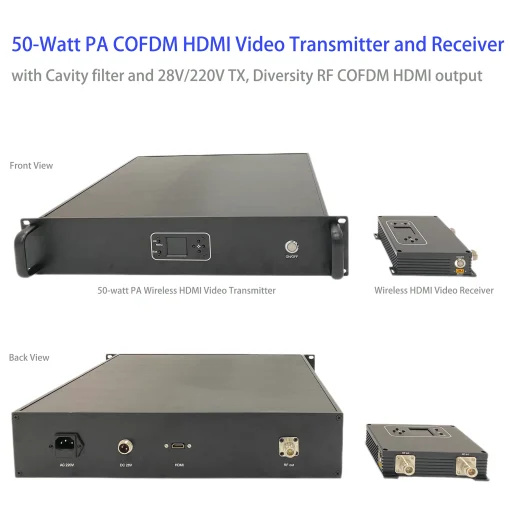
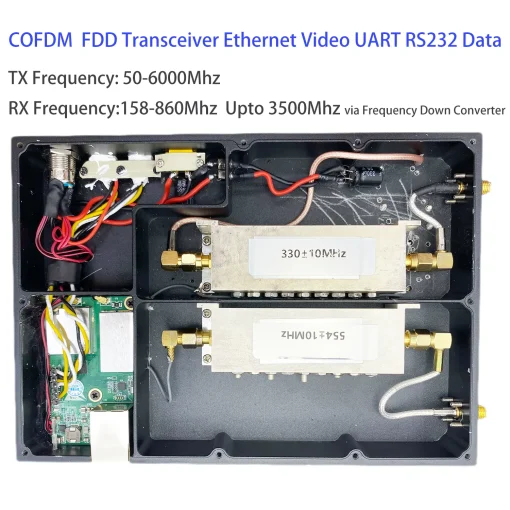

Łącze danych wideo z drona
VTX dla łącza danych wideo z drona odbiornik nadajnika dalekiego zasięgu 30-50 km 2X1,6WPA
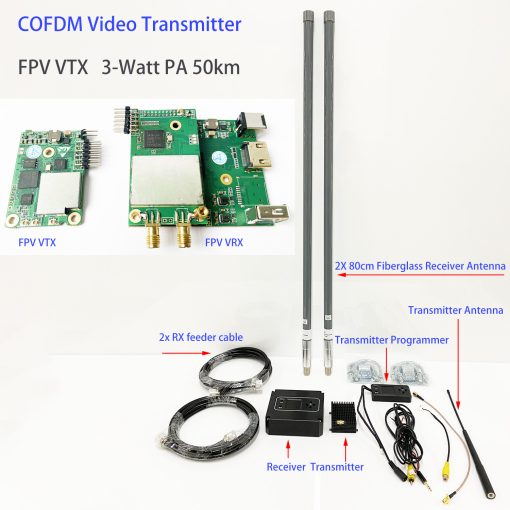
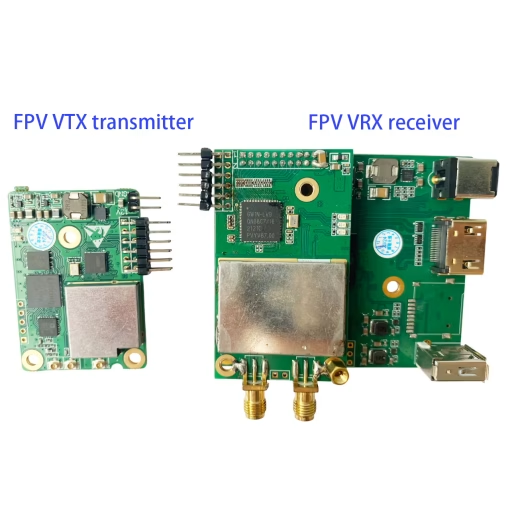
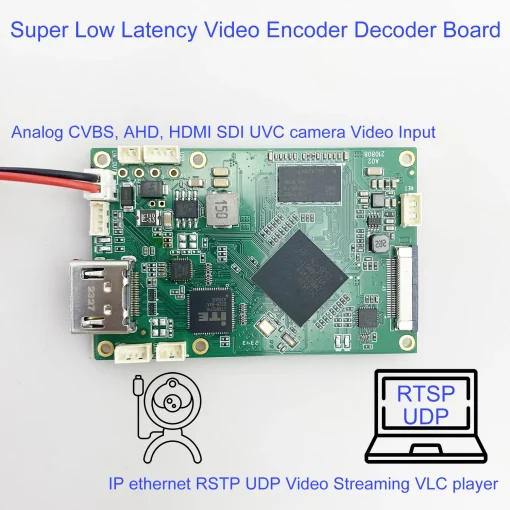
Koder HDMI do ISDB-T RF
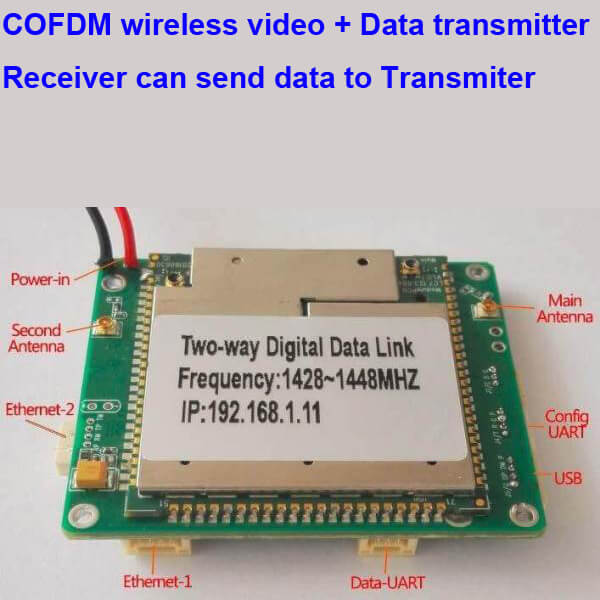
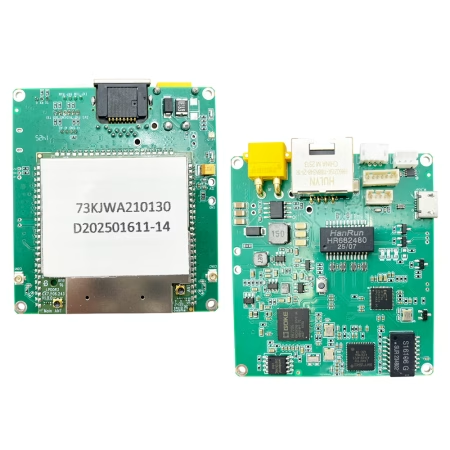
Łącze danych wideo z drona
DIY moduł łącza radiowego danych wideo z drona UAV IP TTL Sbus
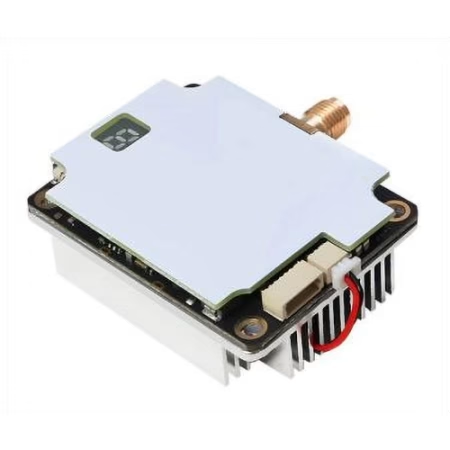
Łącze danych wideo z drona
Łącze danych wideo z drona
Zadaj pytanie
Twoja wiadomość została wysłana