
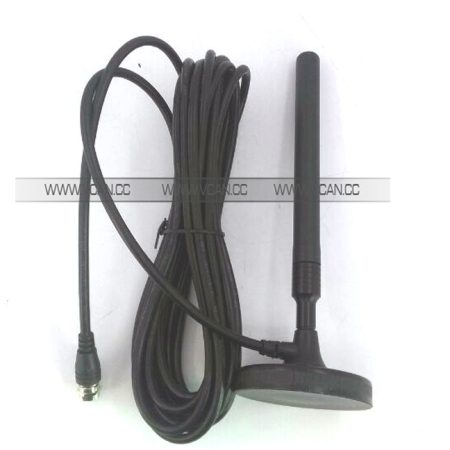
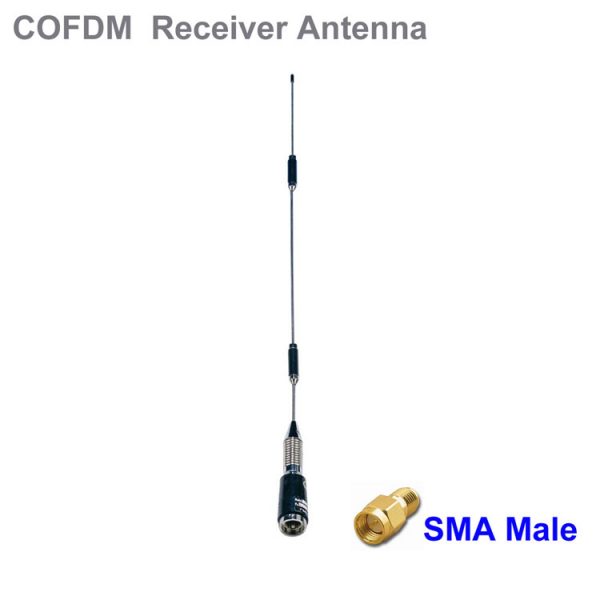
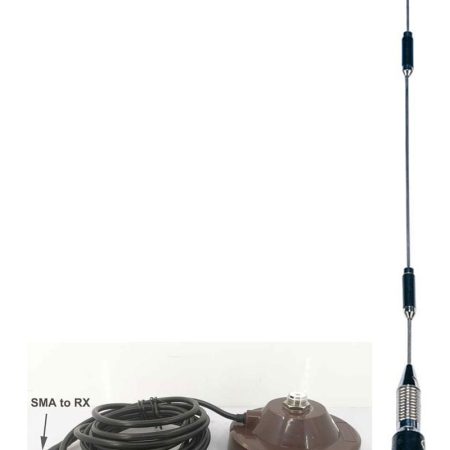
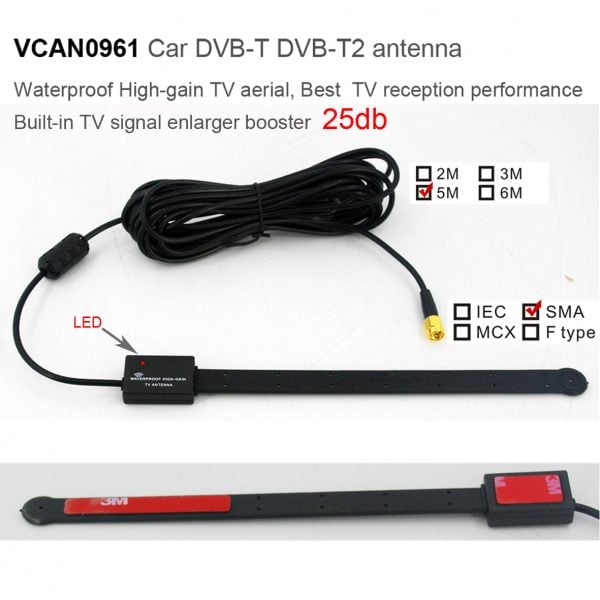
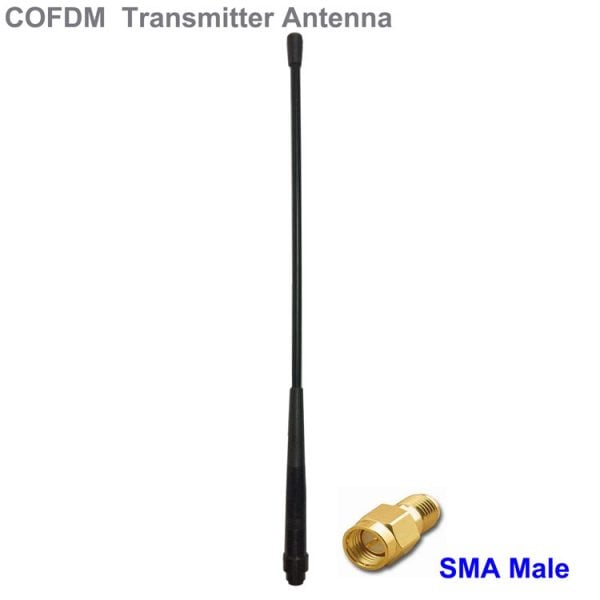
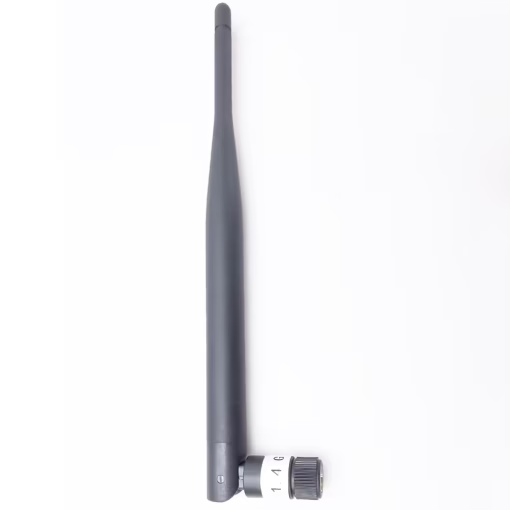
Antena omnidirecional externa de fibra de vidro
| Categoria | Plástico reforçado com fibra de vidro flexível |
| Modelo | TQX-1400AH3 |
| Faixa de frequência-MHZ | 1400-1500 |
| Largura de banda-MHZ | 100 |
| Ganho-dBi | 3 |
| ROE | ≦1,5 |
| Impedância Nominal-Ω | 50 |
| Polarização | Vertical |
| Potência máxima-W | 30 |
| Dimensão-cm | 21 |
| Peso-g | 50 |
| Conector | SMA Plástico reforçado com fibra de vidro flexível |
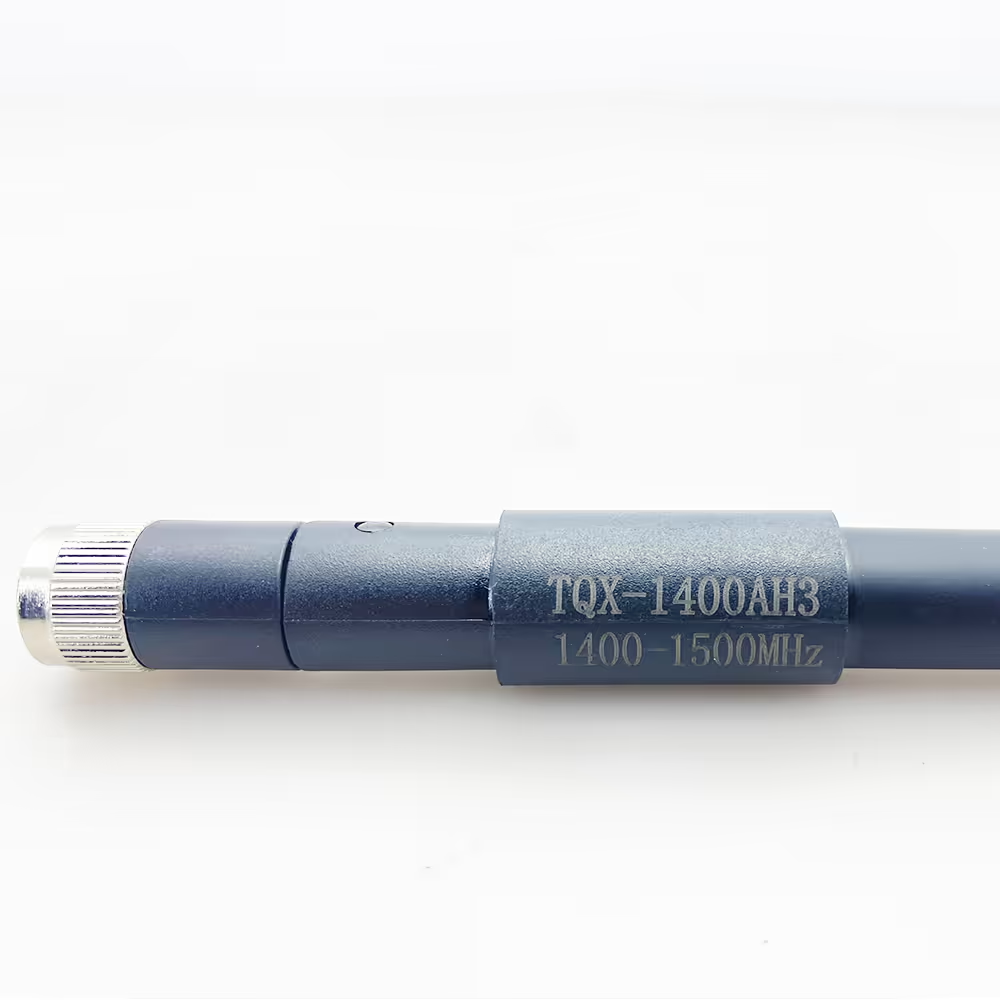
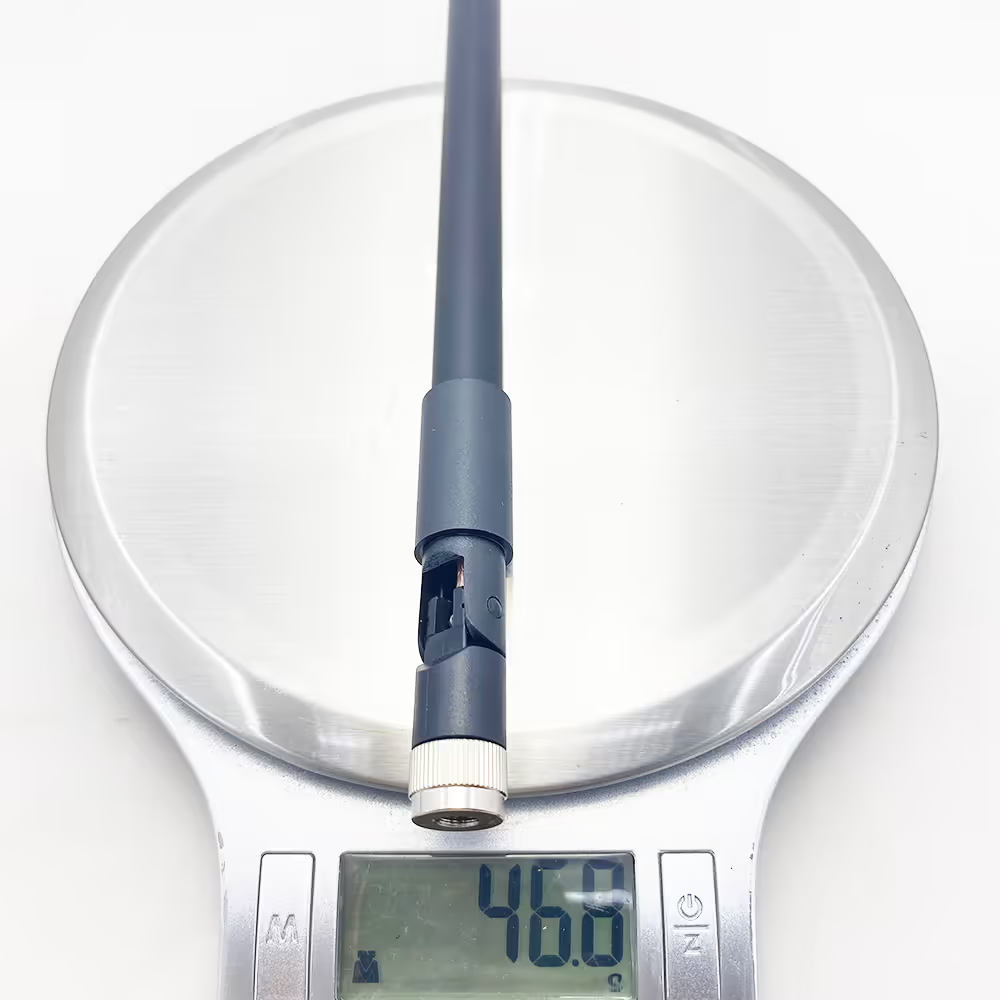
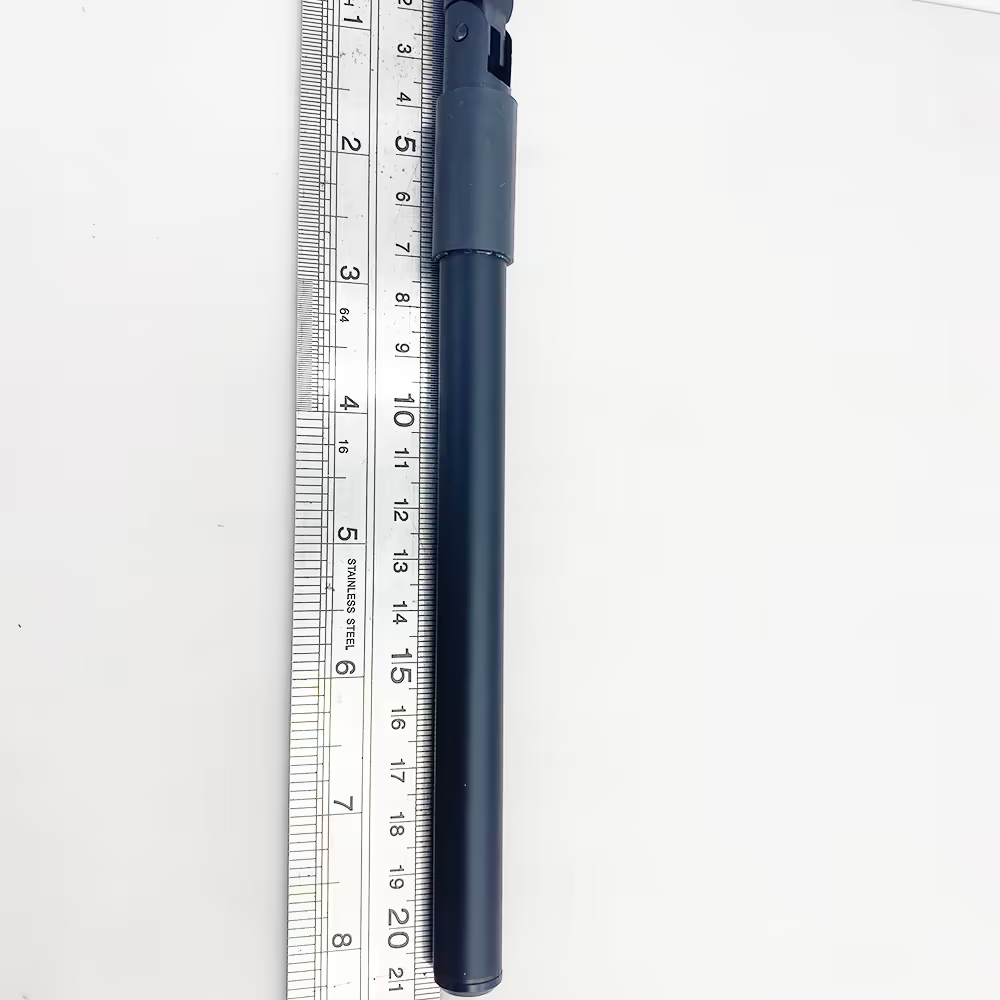
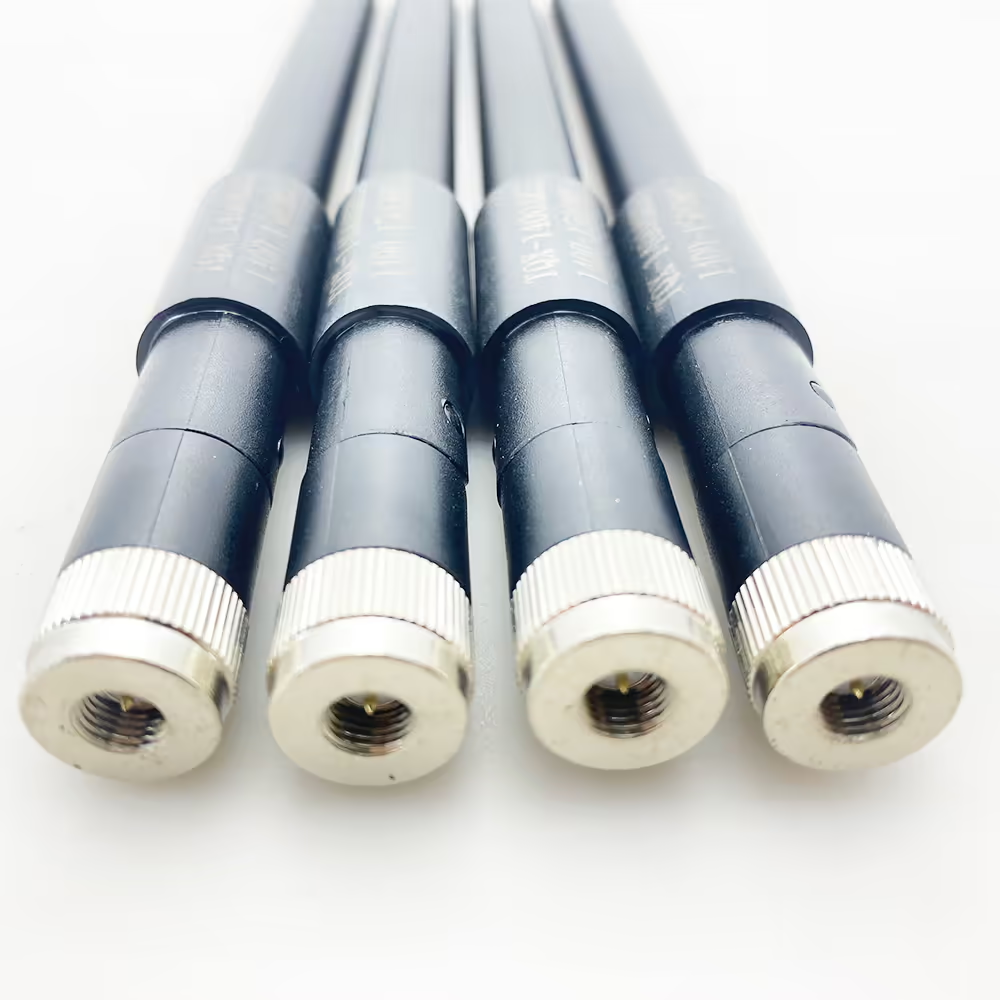

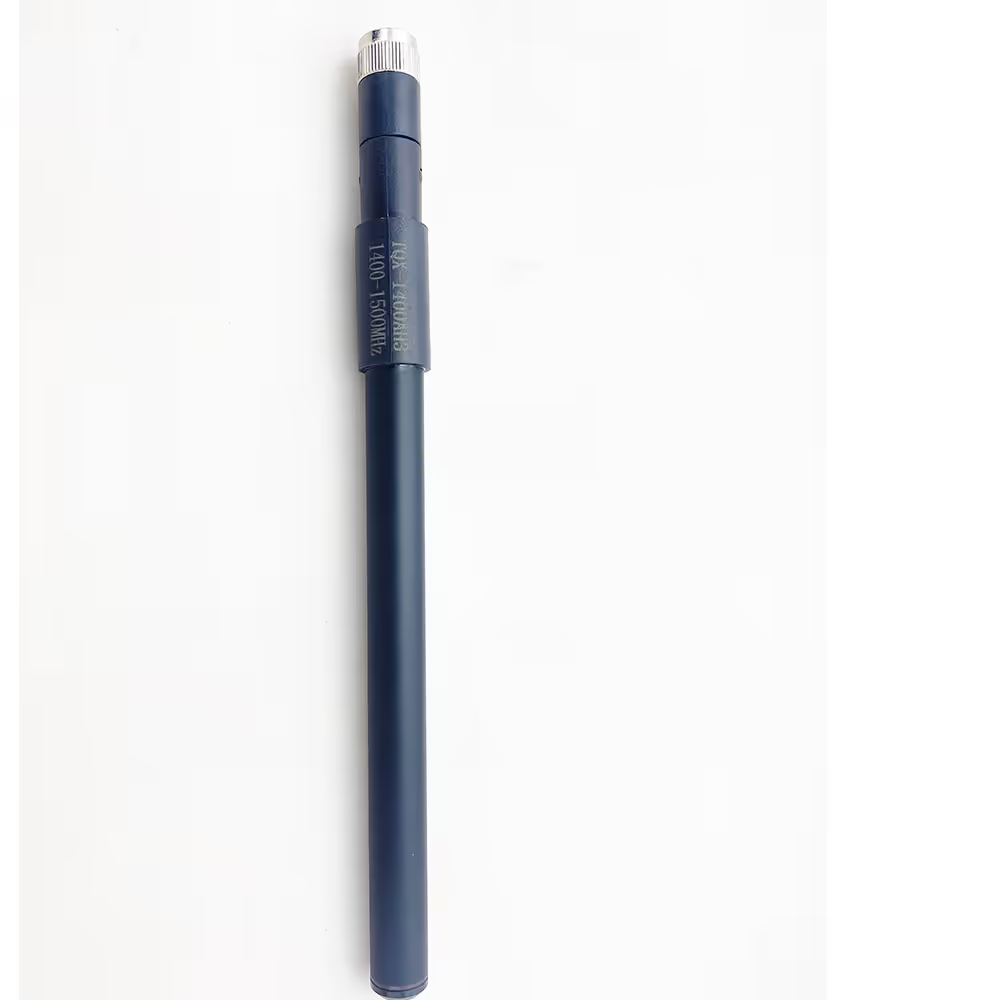
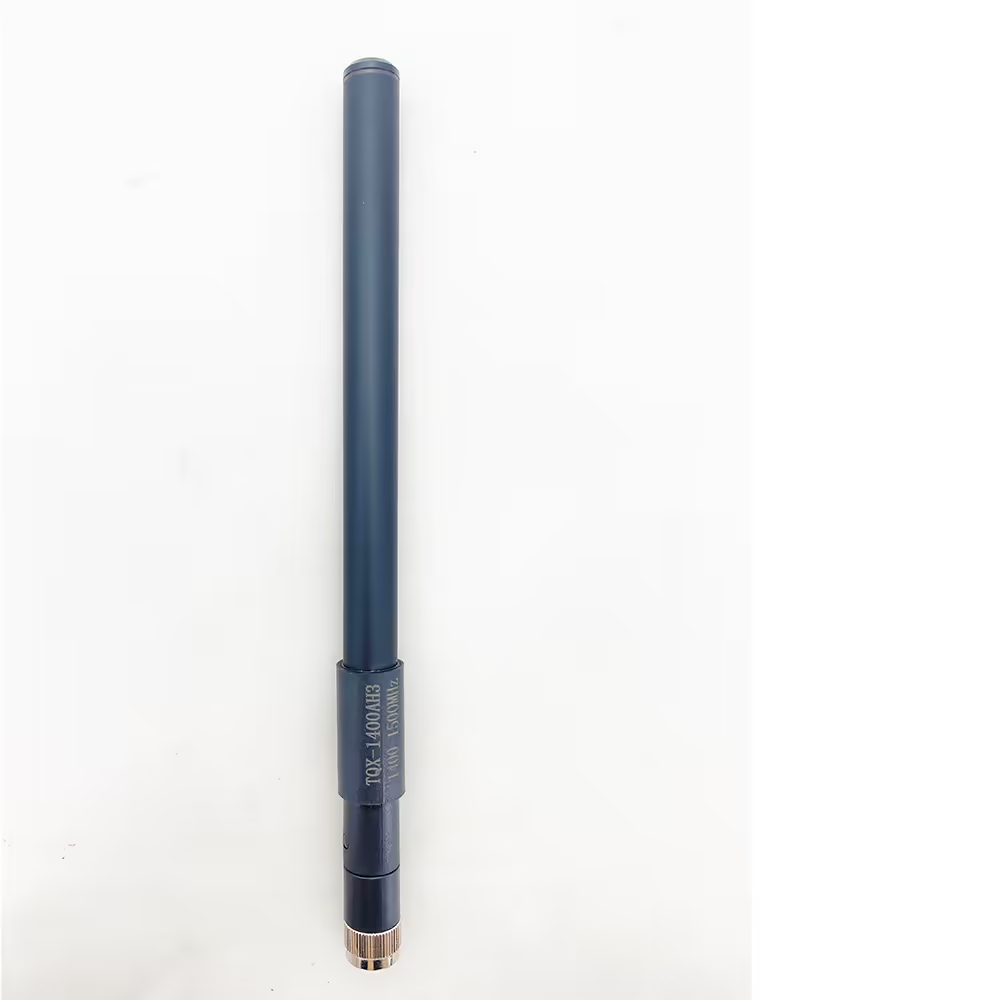
UM antena omnidirecional externa de fibra de vidro é um tipo de antena projetada para uso externo, normalmente em sistemas de comunicação sem fio, como Wi-Fi, celular (4G/5G), rádio, ou aplicativos IoT. Aqui está uma análise de seus principais recursos:
1. Construção em fibra de vidro
-
Feito de durável material de fibra de vidro, que é resistente às intempéries, Protegido contra UV, e à prova de corrosão.
-
Leve, mas resistente, tornando-o ideal para instalação externa de longo prazo.
2. Padrão de radiação omnidirecional
-
Irradia sinais igualmente em todas as direções (360° horizontalmente), tornando-o ideal para cobrir grandes áreas sem a necessidade de alinhamento preciso.
-
Mais adequado para aplicações onde os sinais precisam ser distribuídos uniformemente ao redor da antena (por exemplo, Pontos de acesso Wi-Fi, estações base móveis).
3. Uso ao ar livre
-
Projetado para suportar condições climáticas adversas (chuva, neve, vento, temperaturas extremas).
-
Muitas vezes vem com vedação à prova d'água e revestimentos resistentes a UV.
4. Aplicativos comuns
-
Redes Wi-Fi: Estendendo a cobertura sem fio em áreas externas (campi, parques, locais industriais).
-
Celular & 4G/5G: Aumentando os sinais móveis em áreas remotas ou com cobertura fraca.
-
Rádio & Transmissão de TV: Usado em rádio FM, amador (PRESUNTO) rádio, ou sinais de TV digital.
-
IoT & Comunicação M2M: Suportando sensores sem fio, monitoramento remoto, e dispositivos de cidade inteligente.
5. Especificações principais
-
Faixa de frequência: Varia de acordo com o modelo (por exemplo, 700MHz–2700MHz para 4G/5G, 2.4GHz/5 GHz para Wi-Fi).
-
Ganho: Tipicamente 3–10 dBi (ganho mais alto melhora o alcance, mas pode estreitar ligeiramente a cobertura vertical).
-
Polarização: Geralmente vertical (linear).
-
Tipo de conector: As opções comuns incluem Tipo N, SMA, ou RP-SMA para conexões RF.
6. Instalação
-
Montado em postes, telhados, ou torres usando grampos ou suportes.
-
Muitas vezes emparelhado com cabos coaxiais e pára-raios para proteção contra surtos.
Vantagens sobre antenas direcionais
-
Não há necessidade de apontar a antena em uma direção específica.
-
Melhor para cobrir vários dispositivos espalhados pela antena.





Carlos –
Atualização fantástica! Esta antena de fibra de vidro oferece uma potência incrivelmente forte, sinais claros em todos os lugares. Fácil de instalar ao ar livre e resiste perfeitamente à chuva/vento. Alcance e estabilidade visivelmente melhores em comparação com minha antena antiga – não há mais desistências! A cobertura omnidirecional é super conveniente. Altamente recomendado para confiável, recepção sem complicações. Configure e esqueça