
Mezi nimi existují výrazné rozdíly Digitální video vysílání (DVB) a Digitální vysílání integrovaných služeb (ISDB). Ty DVB-T & Vysílací formáty ISDB-T se používají v různých částech světa. The “T” v “DVB-T” a “ISDB-T” znamená “Pozemní,” a označuje mezinárodnější formu každého původního vysílacího systému. Existují také některé DVB-S a ISDB-S, The “S” znamená “satelit”.

DVB je široce používaný systém, který přijímá určité standardy pro spouštění programování. Jedná se o soubor pokynů vytvořených projektem DVB, což je rada složená z mezinárodních členů. Organizace má evropské sídlo, ale DVB se používá v zemích po celém světě. DVB nabízí distribuci dat několika způsoby, jako je satelit, kabel, pozemní televize, a mikrovlny.

ISDB je mnohem méně rozšířenou alternativou DVB. Byl vyvinut v Japonsku a postaven pro použití v této zemi. Používají jej japonské analogové rozhlasové a televizní systémy, stejně jako všechny jeho digitální televizní a rozhlasové systémy. ISDB-T lze použít k vysílání televizních pořadů ve vysokém rozlišení a zobrazení informací z mobilního zařízení, jako je mobilní telefon s názvem One-Segs současně.

DVB-T & ISDB-T
Zatímco DVB byl původně postaven pro použití v Evropě, lze jej používat po celém světě s DVB-T. Mezi země, které využívají DVB, patří Jižní Afrika, Keňa, Írán, Izrael, Nový Zéland, a Malajsii. Kontrola Země přijaté pro DVB-T.
ISDB-T vznikla v Japonsku v r 2003, ale neopustilo zemi, dokud ho Brazílie nezačala používat 2007. ISDB-T se stala plně mezinárodní v polovině roku 2011, Teď Země adoptované ISDB-T, 6M zemí s šířkou pásma, Japonsko, Brazílie, Peru, Argentina, Filipíny, Chile, Venezuela, Ekvádor, Paraguay, Kostarika, Bolívie, Nikaragua, Uruguay, Belize, Honduras, Guatemala, El Salvador, Srí Lanka 8M zemí s šířkou pásma, Botswana, Maledivy

Rozdíly
Systém DVB-T nabízí 6, 7, a 8 MHz přijímače, což znamená, že mohou vysílat třemi rychlostmi. ISDB-T nenabízí přijímače s 7 schopnosti. To je jediný zásadní rozdíl mezi DVB-T a ISDB-T, však, protože oba používají kódované ortogonální multiplexování s frekvenčním dělením (COFDM) modulační technologie. Tento faktor způsobuje, že oba produkují podobný výkon.
Vyberte si tedy DVB-T ISDB-T, které je lepší? Vyberte prosím správný digitální TV box podle toho, jaký digitální TV systém ve vaší zemi zakoupili. Pokud máte nějaké dotazy, můžete kontaktujte nás pro vás potvrdit.
Jako profesionální výrobce digitální televize v Číně, ISDB-T.com vám nabídne mnoho možností.
DVB-T vs ISDB-T: Key Differences and an In-Depth Look at ISDB-T Digital TV Technology
Digital terrestrial television standards allow broadcasters to deliver high-quality video, Zvuk, and data services over the air. Among the most widely used systems are DVB-T (Digital Video Broadcasting – Terrestrial) a ISDB-T (Integrated Services Digital Broadcasting – Terrestrial).
Both technologies are designed to transmit digital TV signals through terrestrial broadcast networks, but they were developed in different regions and have different technical features and deployment histories.
V tomto článku, we explore the differences between DVB-T and ISDB-T, and also take a deeper look at ISDB-T technology, its features, advantages, and global adoption.
What is DVB-T?
DVB-T (Digital Video Broadcasting – Terrestrial) is a digital broadcasting standard developed by the DVB Project, an international consortium of broadcasters, manufacturers, and network operators.
Originally designed for Europe, DVB-T has become one of the most widely used digital terrestrial TV standards worldwide.
Key characteristics of DVB-T
- podpěry 6 MHz, 7 MHz, a 8 MHz bandwidth channels
- Použití COFDM (Kódované ortogonální frekvenční dělení multiplexování) modulace
- podpěry QPSK, 16QAM, and 64QAM constellations
- Enables Single Frequency Network (SFN) vysílání
- Určeno pro HDTV, SDTV, and digital radio services
DVB-T is used in many countries across Europe, Afrika, Asie, and Oceania.
Popular related keywords:
- DVB-T digital TV
- DVB-T receiver
- DVB-T set-top box
- DVB-T terrestrial broadcasting
Co je ISDB-T?
ISDB-T (Integrated Services Digital Broadcasting – Terrestrial) is a digital broadcasting system developed in Japonsko. It was designed to support high-definition television, mobile broadcasting, and data services within a single broadcast channel.
The standard was launched in Japan in the early 2000s and later adopted by many countries in Latin America and Asia.
ISDB-T is widely known for its flexibilita, robustness, and support for mobile television services.
Key features of ISDB-T
- Použití Modulace COFDM
- podpěry mobile and portable reception
- Enables simultaneous HD and mobile broadcasting
- Includes Emergency Warning System (EWS)
- Umožňuje data broadcasting and interactive services
One of the most distinctive features of ISDB-T is its segmented transmission system, which divides a broadcast channel into smaller segments for different services.
Important SEO keywords:
- ISDB-T digital TV
- ISDB-T přijímač
- ISDB-T set-top box
- ISDB-T broadcasting system
- ISDB-T tuner
- ISDB-T modulátor
ISDB-T Segmented Transmission Technology
Unlike most digital TV standards, ISDB-T divides each 6 MHz channel into 13 segmenty.
This segmentation allows broadcasters to transmit multiple services simultaneously.
Typical configuration:
- 12 segmenty – used for HD or SD television (Full-Seg)
- 1 segment – used for mobile TV (One-Seg)
One-Seg Mobile TV
One-Seg is a mobile broadcasting service designed for:
- chytré telefony
- Portable TVs
- USB TV tuners
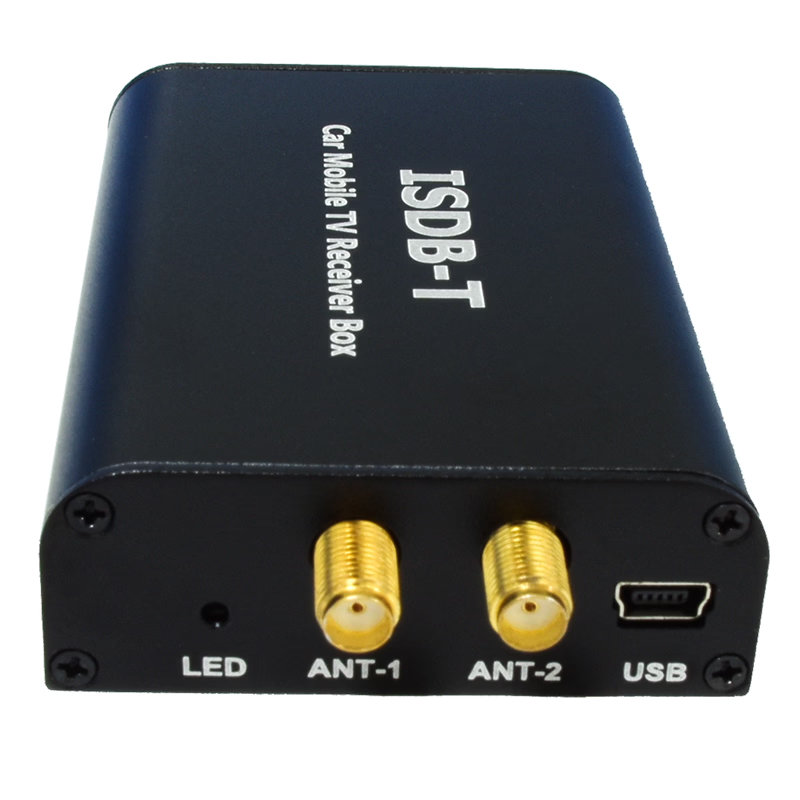
- Car TV receivers
The One-Seg service allows viewers to watch live TV on mobile devices using just one segment of the broadcast channel.
Benefits of One-Seg:
- Low bandwidth consumption
- Reliable reception while moving
- Ideal for smartphones and portable devices
This feature makes ISDB-T particularly strong for mobile broadcasting, something DVB-T originally did not emphasize.
ISDB-T Technical Advantages
ISDB-T includes several improvements designed to improve reception quality and network efficiency.
1. Time Interleaving
ISDB-T uses time interleaving, which improves signal robustness in noisy environments and enhances reception for mobile or indoor devices.
2. Mobile and Portable Reception
The segmented transmission architecture enables reliable reception in:
- Moving vehicles
- chytré telefony
- Portable televisions
- USB digital TV receivers
3. Emergency Warning System (EWS)
ISDB-T includes a built-in Emergency Warning System, which can automatically broadcast disaster alerts such as:
- Earthquakes
- Tsunamis
- Weather warnings
The system can automatically switch TVs on to display emergency information.
4. Efficient Frequency Usage
ISDB-T supports Single Frequency Networks (SFN), allowing multiple transmitters to operate on the same frequency.
Benefits include:
- Lower transmitter power
- Better coverage
- Efficient spectrum usage
ISDB-T Global Adoption
Although ISDB-T originated in Japan, it has expanded significantly across the world.
Countries using ISDB-T or ISDB-Tb (Brazilská verze) zahrnout:
Asie
- Japonsko
- Filipíny
- Srí Lanka
- Maledivy
Latin America
- Brazílie
- Argentina
- Chile
- Peru
- Ekvádor
- Venezuela
- Paraguay
- Uruguay
- Bolívie
- Kostarika
- Nikaragua
- Honduras
- Guatemala
- El Salvador
- Belize
Afrika
- Botswana
Brazil played an important role in spreading the standard internationally by creating the ISDB-Tb variant, optimized for Latin American broadcasting.
Common SEO keywords:
- Země ISDB-T
- ISDB-Tb standard
- ISDB-T Latin America
- ISDB-T Brazil digital TV
DVB-T vs ISDB-T: Key Differences
| Vlastnosti | DVB-T | ISDB-T |
|---|---|---|
| Původ | Evropa | Japonsko |
| Šířka pásma kanálu | 6 / 7 / 8 MHz | Mainly 6 MHz |
| Modulace | COFDM | COFDM |
| Mobilní TV | Limited in original DVB-T | Vestavěný (One-Seg) |
| Segmented transmission | Ne | Ano (13 segmenty) |
| Emergency alert system | Not standard | Built-in EWS |
| Adoption regions | Evropa, Afrika, Asie | Japonsko, Latin America, Asie |
Both systems deliver similar performance because they rely on Modulace COFDM, which ensures strong signal resistance to interference.
Choosing the Right Digital TV Standard
When selecting a digital TV receiver or set-top box, it is important to choose the correct standard used in your country.
Examples:
- Countries using DVB-T require a DVB-T set-top box
- Countries using ISDB-T require an ISDB-T receiver or tuner
Using the wrong receiver will prevent your TV from decoding the broadcast signal.
Common product keywords:
- ISDB-T digital TV box
- ISDB-T tuner for TV
- ISDB-T car TV receiver
- ISDB-T USB TV stick
- Kodér modulátoru ISDB-T
Závěr
Both DVB-T and ISDB-T are important digital terrestrial broadcasting standards used around the world. While DVB-T is more widely adopted globally, ISDB-T offers unique advantages such as segmented broadcasting, mobile TV support, and built-in emergency alert systems.
With the rise of mobile viewing, portable receivers, and smart broadcasting services, ISDB-T remains a powerful and flexible solution for modern digital television networks.
If you are looking for Přijímače ISDB-T, ISDB-T set-top boxes, or ISDB-T modulators, be sure to choose a device compatible with the digital broadcasting system used in your country.


1 Seg ISDB-T AM FM


Kodér HDMI na ISDB-T RF





ISDB-T

ISDB-T pro domácí
ISDB-T BS CS Japan Japonský třípásmový set-top box PVR TV PCB deska

Položit otázku
Děkujeme za Vaši odpověď. ✨