
Nende vahel on selged erinevused Digitaalne videoringhääling (DVB) ja Integreeritud teenused Digitaalringhääling (ISDB). Need DVB-T & ISDB-T ringhäälingu formaadid on kasutusel erinevates maailma paikades. The “T” aastal “DVB-T” ja “ISDB-T” tähistab “Maapealne,” ja see tähistab iga algse ringhäälingusüsteemi rahvusvahelisemat vormi. Samuti on mõned DVB-S ja ISDB-S, The “S” tähistab “satelliit”.

DVB on laialdaselt kasutatav süsteem, mis aktsepteerib programmeerimise käitamiseks teatud standardeid. See on DVB projekti poolt koostatud juhiste kogum, mis on rahvusvahelistest liikmetest koosnev juhatus. Organisatsioon asub Euroopas, kuid DVB-d kasutatakse riikides üle kogu maailma. DVB pakub andmete levitamist mitmel viisil, nagu satelliit, kaabel, maapealne televisioon, ja mikrolaineahjud.

ISDB on DVB-le palju vähem levinud alternatiiv. See töötati välja Jaapanis ja ehitati selles riigis kasutamiseks. Seda kasutavad Jaapani analoograadio- ja televisioonisüsteemid ning kõik selle digitaaltelevisiooni- ja raadiosüsteemid. ISDB-T saab kasutada kõrglahutusega telesaadete edastamiseks ja teabe kuvamiseks mobiilseadmest, näiteks mobiiltelefonist nimega One-Segs..

DVB-T & ISDB-T
Kuigi DVB ehitati algselt Euroopas kasutamiseks, seda saab DVB-T-ga kasutada kogu maailmas. DVB-d kasutavad riigid hõlmavad Lõuna-Aafrikat, Keenia, Iraan, Iisrael, Uus-Meremaa, ja Malaisia. Kontrollige DVB-T kasutusele võetud riigid.
ISDB-T loodi Jaapanis aastal 2003, kuid see lahkus riigist alles siis, kui Brasiilia hakkas seda kasutama 2007. ISDB-T muutus täielikult rahvusvaheliseks 2011. aasta keskpaigaks, Nüüd ISDB-T vastu võtnud riigid, 6M ribalaiusega riike, Jaapan, Brasiilia, Peruu, Argentiina, Filipiinid, Tšiili, Venezuela, Ecuador, Paraguay, Costa Rica, Boliivia, Nicaragua, Uruguay, Belize, Honduras, Guatemala, Päästja, Sri Lanka 8M ribalaiusega riike, Botswana, Maldiivid

Erinevused
DVB-T süsteem pakub 6, 7, ja 8 MHz vastuvõtjad, mis tähendab, et nad saavad edastada kolme kiirusega. ISDB-T ei paku vastuvõtjaid 7 võimeid. See on ainus oluline erinevus DVB-T ja ISDB-T vahel, siiski, sest mõlemad kasutavad kodeeritud ortogonaalset sagedusjaotusega multipleksimist (COFDM) modulatsioonitehnoloogia. See tegur paneb mõlemad sarnase jõudluse tootma.
Seega valige DVB-T ISDB-T, mis on parem? Valige õige digi-TV boks vastavalt sellele, millise digi-TV süsteemi teie riik on ostnud. Kui teil on küsimusi, sa saad võta meiega ühendust teile kinnitamiseks.
Professionaalse digitaaltelevisiooni tootjana Hiinas, ISDB-T.com pakub teile palju valikuid.
DVB-T vs ISDB-T: Peamised erinevused ja ISDB-T digitaaltelevisiooni tehnoloogia põhjalik ülevaade
Maapealse digitaaltelevisiooni standardid võimaldavad ringhäälinguorganisatsioonidel pakkuda kvaliteetset videot, heli, ja andmesideteenused üle õhu. Kõige laialdasemalt kasutatavate süsteemide hulgas on DVB-T (Digitaalne videoringhääling – maapealne) ja ISDB-T (Integreeritud teenuste digitaalringhääling – maapealne).
Mõlemad tehnoloogiad on mõeldud edastamiseks digitaaltelevisiooni signaalid maapealsete ringhäälinguvõrkude kaudu, kuid need töötati välja erinevates piirkondades ning neil on erinevad tehnilised omadused ja kasutuselevõtu ajalugu.
Selles artiklis, uurime erinevused DVB-T ja ISDB-T vahel, ja vaadake ka sügavamalt ISDB-T tehnoloogia, selle omadused, eeliseid, ja ülemaailmne kasutuselevõtt.
Mis on DVB-T?
DVB-T (Digitaalne videoringhääling – maapealne) on digitaalringhäälingu standard, mille on välja töötanud DVB projekt, rahvusvaheline ringhäälinguorganisatsioonide konsortsium, tootjad, ja võrguoperaatorid.
Algselt mõeldud Euroopa jaoks, DVB-T-st on saanud üks enimkasutatavaid maapealse digitaaltelevisiooni standardeid kogu maailmas.
DVB-T põhiomadused
- Toetab 6 MHz, 7 MHz, ja 8 MHz ribalaiusega kanalid
- Kasutus COFDM (Kodeeritud ortogonaalne sagedusjaotusega multipleksimine) modulatsioon
- Toetab QPSK, 16QAM, ja 64QAM tähtkujud
- Lubab Ühe sagedusega võrk (SFN) ringhääling
- Mõeldud Hdtv, SDTV, ja digitaalsed raadioteenused
DVB-T on kasutusel paljudes Euroopa riikides, Aafrika, Aasia, ja Okeaania.
Populaarsed seotud märksõnad:
- DVB-T digitelevisioon
- DVB-T vastuvõtja
- DVB-T digiboks
- DVB-T maapealne ringhääling
Mis on ISDB-T?
ISDB-T (Integreeritud teenuste digitaalringhääling – maapealne) on digitaalringhäälingu süsteem, mis töötati välja aastal Jaapan. See oli mõeldud toetama kõrglahutusega televiisor, mobiililevi, ja andmeteenused ühes levikanalis.
Standard võeti kasutusele Jaapanis 2000. aastate alguses ja hiljem võeti see kasutusele paljudes riikides Ladina-Ameerika ja Aasia.
ISDB-T on laialt tuntud oma paindlikkus, robustsus, ja mobiiltelevisiooni teenuste tugi.
ISDB-T põhijooned
- Kasutus COFDM modulatsioon
- Toetab mobiilne ja kaasaskantav vastuvõtt
- Lubab samaaegne HD ja mobiililevi
- Sisaldab Hädahoiatussüsteem (EWS)
- Võimaldab andmeedastus- ja interaktiivsed teenused
Üks ISDB-T eripärasemaid omadusi on see segmenteeritud ülekandesüsteem, mis jagab edastuskanali erinevate teenuste jaoks väiksemateks segmentideks.
Olulised SEO märksõnad:
- ISDB-T digitelevisioon
- ISDB-T vastuvõtja
- ISDB-T digiboks
- ISDB-T ringhäälingusüsteem
- ISDB-T tuuner
- ISDB-T modulaator
ISDB-T segmenteeritud ülekandetehnoloogia
Erinevalt enamikust digitelevisiooni standarditest, ISDB-T jagab igaüks 6 MHz kanalisse 13 segmendid.
See segmenteerimine võimaldab ringhäälinguorganisatsioonidel edastada korraga mitut teenust.
Tüüpiline konfiguratsioon:
- 12 segmendid – kasutatakse HD- või SD-televisiooni jaoks (Täisseg)
- 1 segmendis - kasutatakse mobiiltelevisioon (Üks-seg)
Ühesegiline mobiiltelevisioon
Üks-seg on mobiilside teenus, mis on mõeldud:
- Nutitelefonid
- Kaasaskantavad telerid
- USB TV-tuunerid
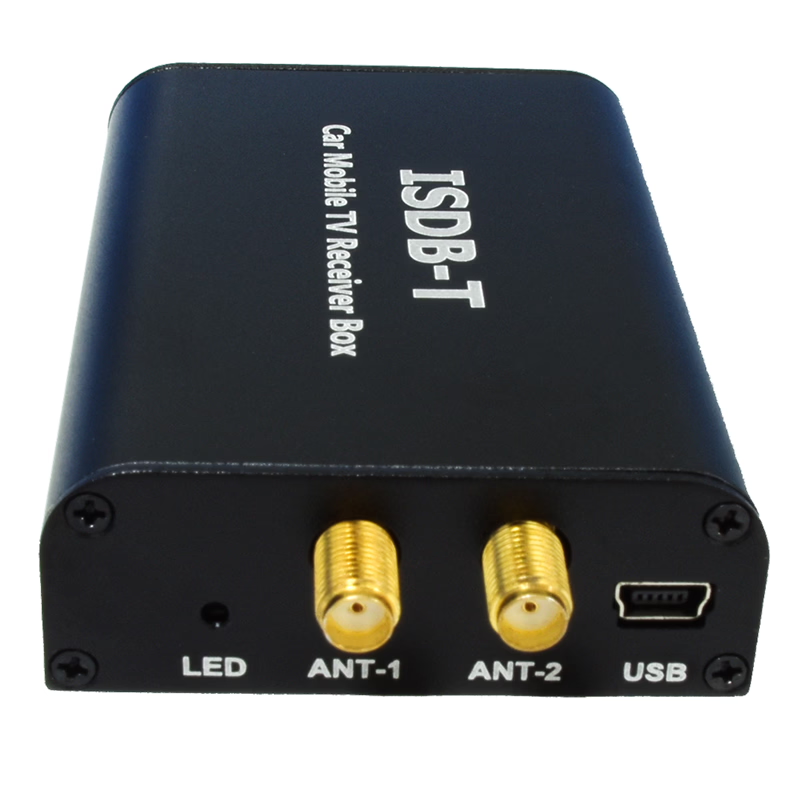
- Auto TV vastuvõtjad
Teenus One-Seg võimaldab vaatajatel vaadata telesaadete otseülekannet mobiilseadmetes, kasutades edastuskanali ühte segmenti.
One-Seg'i eelised:
- Madal ribalaiuse tarbimine
- Usaldusväärne vastuvõtt liikumise ajal
- Ideaalne nutitelefonidele ja kaasaskantavatele seadmetele
See funktsioon teeb ISDB-T on eriti tugev mobiilside jaoks, midagi, mida DVB-T algselt ei rõhutanud.
ISDB-T tehnilised eelised
ISDB-T sisaldab mitmeid täiustusi, mille eesmärk on parandada vastuvõtu kvaliteeti ja võrgu tõhusust.
1. Aja põimimine
ISDB-T kasutab aja põimimine, mis parandab signaali vastupidavust mürarikkas keskkonnas ja parandab mobiil- või siseseadmete vastuvõttu.
2. Mobiilne ja kaasaskantav vastuvõtt
Segmenteeritud edastusarhitektuur võimaldab usaldusväärset vastuvõttu:
- Liikuvad sõidukid
- Nutitelefonid
- Kaasaskantavad televiisorid
- USB digitaaltelevisiooni vastuvõtjad
3. Hädahoiatussüsteem (EWS)
ISDB-T sisaldab sisseehitatud Hädahoiatussüsteem, mis võivad automaatselt edastada katastroofihoiatusi, näiteks:
- Maavärinad
- Tsunamid
- Ilmahoiatused
Süsteem suudab hädaolukorrateabe kuvamiseks telerid automaatselt sisse lülitada.
4. Tõhus sageduskasutus
ISDB-T toetab Ühe sagedusega võrgud (SFN), mis võimaldab mitmel saatjal töötada samal sagedusel.
Eelised hõlmavad:
- Väiksem saatja võimsus
- Parem katvus
- Efektiivne spektrikasutus
ISDB-T ülemaailmne kasutuselevõtt
Kuigi ISDB-T sai alguse Jaapanist, see on märkimisväärselt laienenud üle maailma.
Kasutavad riigid ISDB-T või ISDB-Tb (Brasiilia versioon) hõlmama:
Aasia
- Jaapan
- Filipiinid
- Sri Lanka
- Maldiivid
Ladina-Ameerika
- Brasiilia
- Argentiina
- Tšiili
- Peruu
- Ecuador
- Venezuela
- Paraguay
- Uruguay
- Boliivia
- Costa Rica
- Nicaragua
- Honduras
- Guatemala
- Päästja
- Belize
Aafrika
- Botswana
Brasiilia mängis olulist rolli standardi rahvusvahelisel levitamisel, luues selle ISDB-Tb variant, optimeeritud Ladina-Ameerika ringhäälingu jaoks.
Levinud SEO märksõnad:
- ISDB-T riigid
- ISDB-Tb standard
- ISDB-T Ladina-Ameerika
- ISDB-T Brasiilia digitelevisioon
DVB-T vs ISDB-T: Peamised erinevused
| Tunnusjoon | DVB-T | ISDB-T |
|---|---|---|
| Päritolu | Euroopa | Jaapan |
| Kanali ribalaius | 6 / 7 / 8 MHz | Peamiselt 6 MHz |
| Modulatsioon | COFDM | COFDM |
| Mobiilteler | Algne DVB-T on piiratud | Sisseehitatud (Üks-seg) |
| Segmenteeritud ülekanne | Ei | Jah (13 segmendid) |
| Hädaolukorra hoiatussüsteem | Ei ole standardne | Sisseehitatud EWS |
| Lapsendamise piirkonnad | Euroopa, Aafrika, Aasia | Jaapan, Ladina-Ameerika, Aasia |
Mõlemad süsteemid pakuvad sarnast jõudlust, kuna nad toetuvad COFDM modulatsioon, mis tagab tugeva signaali takistuse häiretele.
Õige digitelevisiooni standardi valimine
Valides a digi-TV vastuvõtja või digiboks, oluline on valida õige standard, mida teie riigis kasutatakse.
Näited:
- Kasutavad riigid DVB-T nõuda a DVB-T digiboks
- Kasutavad riigid ISDB-T nõuda an ISDB-T vastuvõtja või tuuner
Vale vastuvõtja kasutamine takistab teie teleril saatesignaali dekodeerimist.
Levinud toote märksõnad:
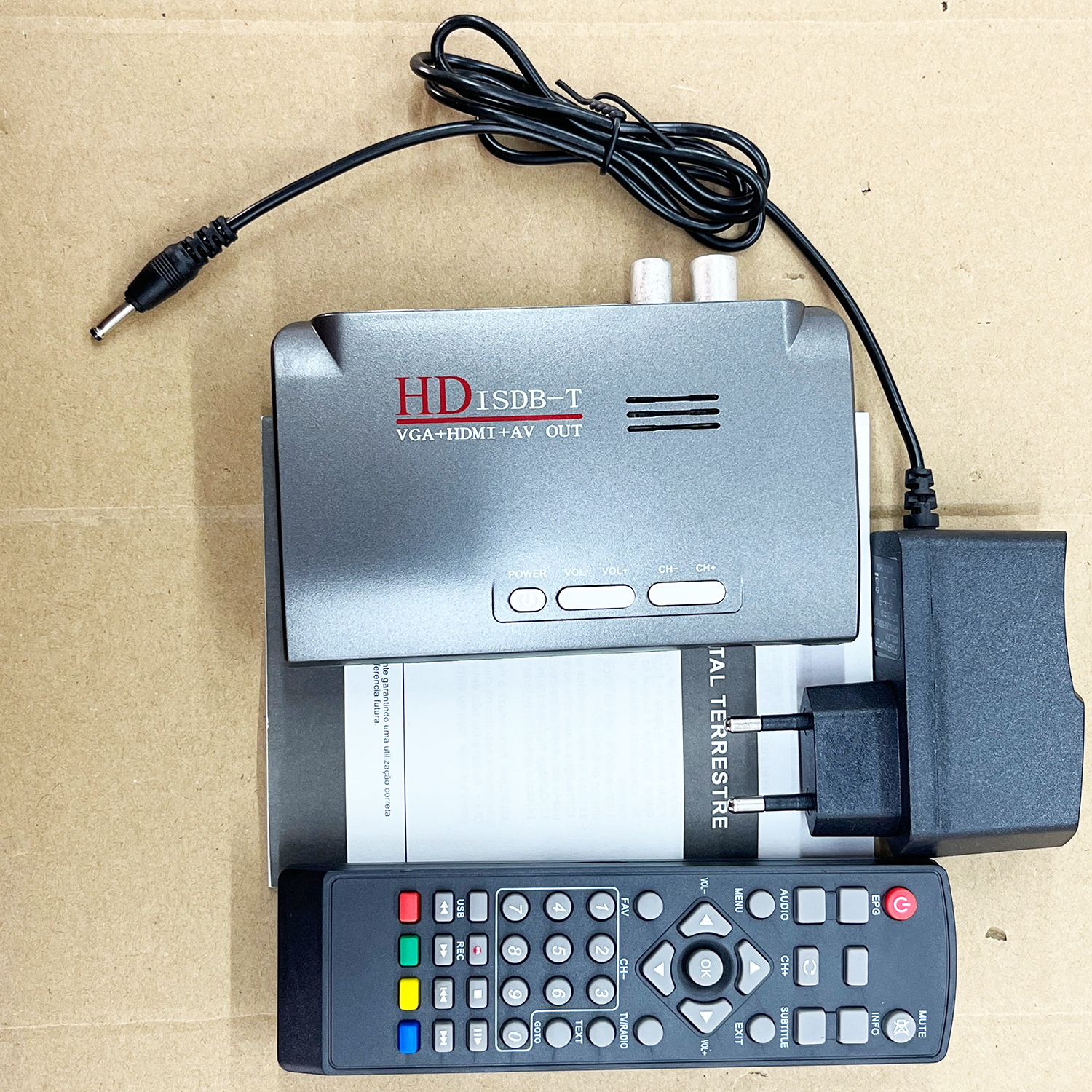
- ISDB-T digi-TV boks
- ISDB-T tuuner teleri jaoks
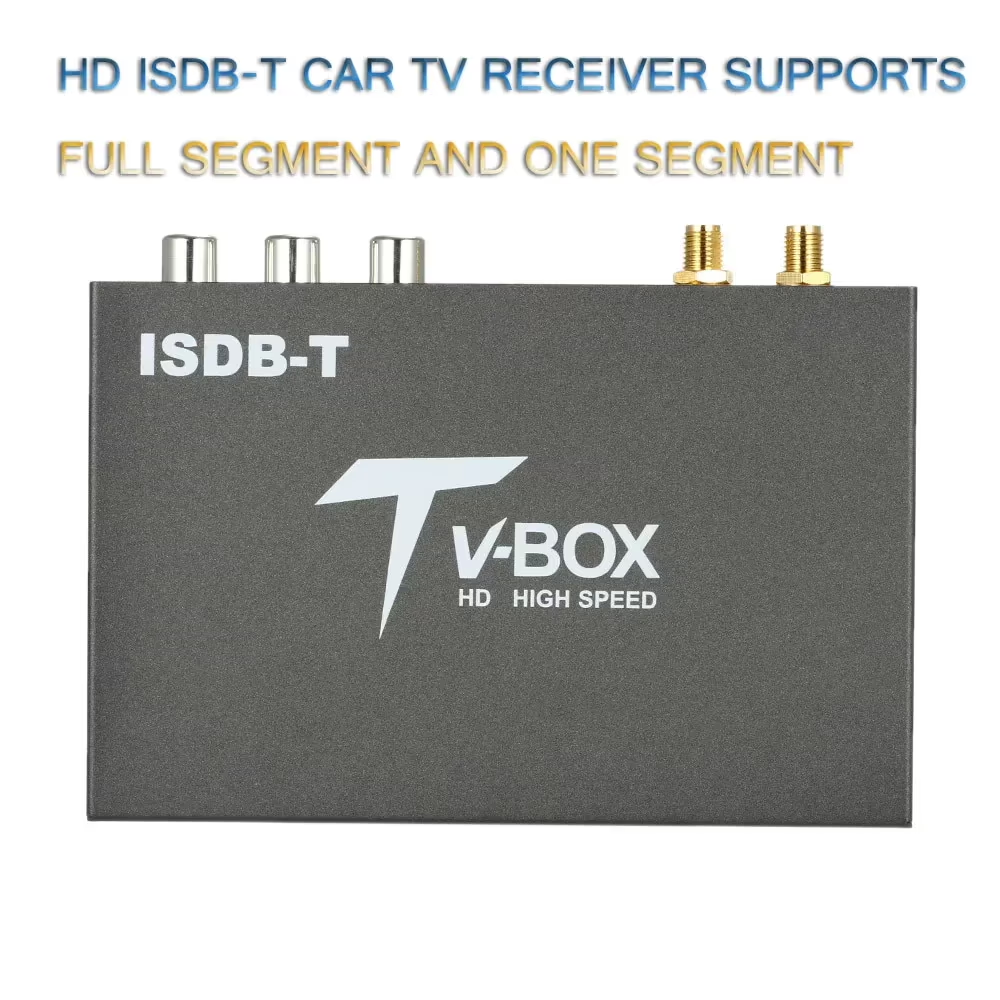
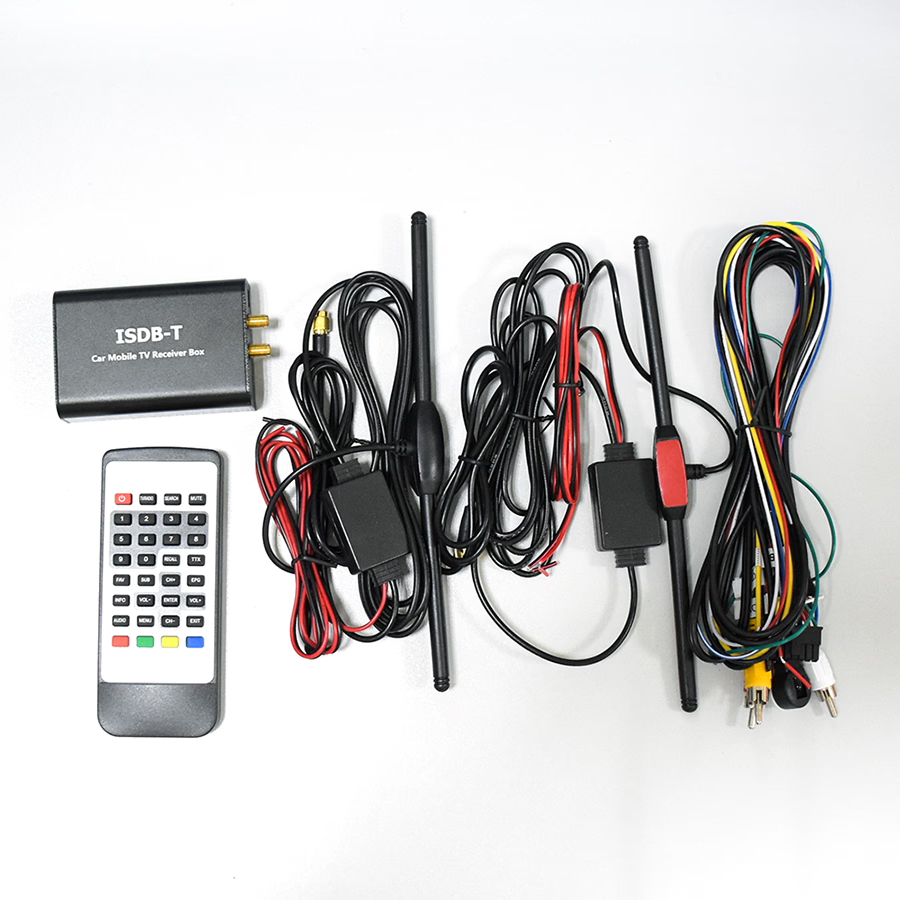
- ISDB-T autoteleri vastuvõtja
- ISDB-T USB-teleripulk
- ISDB-T modulaatori kooder
Järeldus
Mõlemad DVB-T ja ISDB-T on olulised maapealse digitaalringhäälingu standardid, mida kasutatakse kogu maailmas. Kuigi DVB-T on maailmas laiemalt kasutusele võetud, ISDB-T pakub ainulaadseid eeliseid, nagu segmenteeritud ringhääling, mobiiltelevisiooni tugi, ja sisseehitatud hädaabisüsteemid.
Koos tõusuga mobiilne vaatamine, kaasaskantavad vastuvõtjad, ja arukad ringhäälinguteenused, ISDB-T on endiselt võimas ja paindlik lahendus tänapäevaste digitaaltelevisioonivõrkude jaoks.
Kui otsite ISDB-T vastuvõtjad, ISDB-T digiboksid, või ISDB-T modulaatorid, vali kindlasti seade, mis ühildub teie riigis kasutatava digitaalringhäälingu süsteemiga.


1 Segistage ISDB-T AM FM


1 Segistage ISDB-T AM FM


HDMI-kooder ISDB-T RF-le





ISDB-T

ISDB-T kodu jaoks
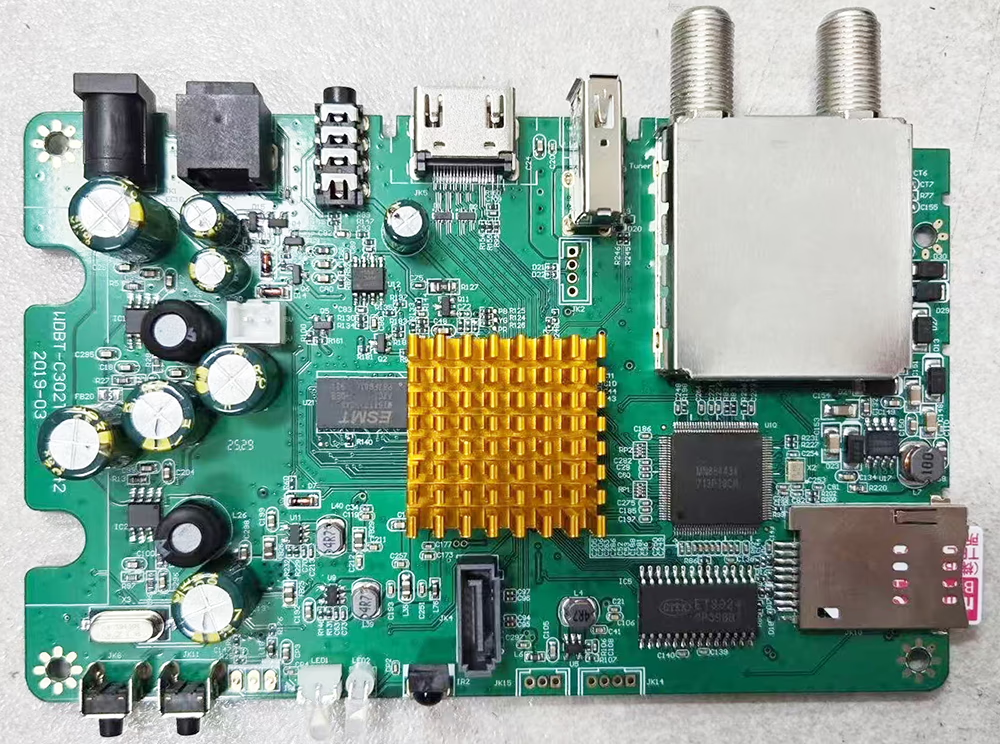
ISDB-T BS CS Jaapan Jaapani kolmeribaline digiboksi PVR TV PCB plaat

Küsimust esitama
Teie sõnum on saadetud