

יפן ISDB-T תדר
| יפן ISDB-T Band | פיסי CH | תדר ISDB-T Center ביפן |
| UHF L | 13 ch | 473.142857 MHz |
| 14 ch | 479.142857 MHz | |
| 15 ch | 485.142857 MHz | |
| 16 ch | 491.142857 MHz | |
| 17 ch | 497.142857 MHz | |
| 18 ch | 503.142857 MHz | |
| 19 ch | 509.142857 MHz | |
| 20 ch | 515.142857 MHz | |
| 21 ch | 521.142857 MHz | |
| 22 ch | 527.142857 MHz | |
| 23 ch | 533.142857 MHz | |
| 24 ch | 539.142857 MHz | |
| 25 ch | 545.142857 MHz | |
| 26 ch | 551.142857 MHz | |
| 27 ch | 557.142857 MHz | |
| 28 ch | 563.142857 MHz | |
| 29 ch | 569.142857 MHz | |
| 30 ch | 575.142857 MHz | |
| UHF M | 31 ch | 581.142857 MHz |
| 44 ch | 659.142857 MHz | |
| UHF H | 45 ch | 665.142857 MHz |
| 52 ch | 707.142857 MHz | |
| 62 ch | 767.142857 MHz |
יפן ISDB-T מקלט טלוויזיה דיגיטלית
שירותים משולבים שידור דיגיטלי – יַבַּשׁתִי (ISDB-T) הוא התקן הבינלאומי המתקדם ביותר ב שידורי טלוויזיה יבשתיים דיגיטליים (DTTB) מערכת שפותחה במקור ביפן. ISDB-T הוצג ביפן מאז דצמבר 2003, ומספר המדינות המאמצות את ISDB-T גדל בהדרגה עם ההכרה ביתרון הטכנולוגי שלה.
הבנת יפן ISDB-T: התקן לטלוויזיה דיגיטלית יבשתית
שירותים משולבים שידור דיגיטלי - יבשתי (ISDB-T) הוא התקן הבינלאומי המתקדם ביותר לשידורי טלוויזיה יבשתיים דיגיטליים (DTTB) פותח במקור ב יפן. הושק באופן מסחרי ב דֵצֶמבֶּר 2003, ISDB-T הפכה לעמוד השדרה של תשתית הטלוויזיה הדיגיטלית של יפן והיא מאומצת יותר ויותר ברחבי העולם בשל היתרונות הטכנולוגיים שלה בגמישות, חוסן, ושירותים אינטראקטיביים.
מה שמייחד את יפן ISDB-T?
יפן ISDB-T נבדלת מתקני טלוויזיה דיגיטליים אחרים כמו DVB-T ו-ATSC מכיוון שהיא משתמשת ב- מערכת הילוכים מפולחת. זה מאפשר לשדרים לשדר טלוויזיה בחדות גבוהה, טלוויזיה ניידת, ו שידור נתונים בו זמנית על אותו תדר. יכולת זו מבטיחה ש-ISDB-T מציע מעולה אמינות האות וכיסוי טוב יותר גם באזורים עירוניים והרים, מה שהופך אותו לאידיאלי עבור הנוף הגיאוגרפי המגוון של יפן.
רצועות תדר ISDB-T ביפן
מערכת ISDB-T היפנית פועלת על פני פסי תדר UHF, אשר מוקצים בקפידה כדי למנוע הפרעות ולמקסם את הכיסוי. להלן פירוט מפורט של תדר ISDB-T יפן משימות:
UHF L Band (נָמוּך)
| פיסי CH | תדר מרכז ISDB-T ביפן |
|---|---|
| 13 ch | 473.142857 MHz |
| 14 ch | 479.142857 MHz |
| 15 ch | 485.142857 MHz |
| 16 ch | 491.142857 MHz |
| 17 ch | 497.142857 MHz |
| 18 ch | 503.142857 MHz |
| 19 ch | 509.142857 MHz |
| 20 ch | 515.142857 MHz |
| 21 ch | 521.142857 MHz |
| 22 ch | 527.142857 MHz |
| 23 ch | 533.142857 MHz |
| 24 ch | 539.142857 MHz |
| 25 ch | 545.142857 MHz |
| 26 ch | 551.142857 MHz |
| 27 ch | 557.142857 MHz |
| 28 ch | 563.142857 MHz |
| 29 ch | 569.142857 MHz |
| 30 ch | 575.142857 MHz |
UHF M Band (בֵּינוֹנִי)
| פיסי CH | תדר מרכז ISDB-T ביפן |
|---|---|
| 31 ch | 581.142857 MHz |
| 44 ch | 659.142857 MHz |
UHF H Band (גָבוֹהַ)
| פיסי CH | תדר מרכז ISDB-T ביפן |
|---|---|
| 45 ch | 665.142857 MHz |
| 52 ch | 707.142857 MHz |
| 62 ch | 767.142857 MHz |
הקצאת תדרים זו מבטיחה הפרעות מינימליות וחלוקת אותות אופטימלית על פני אזורים שונים של יפן.
יפן ISDB-T מקלט טלוויזיה דיגיטלית
לגישה לשידורים האיכותיים המועברים באמצעות ISDB-T, הצופים צריכים א מקלט טלוויזיה דיגיטלי ISDB-T יפן. תמיכה במקלטים מודרניים:
- שידור בחדות גבוהה (HDTV)
- שידור של קטע אחד (1עצמם) עבור מכשירים ניידים
- שירותי טלוויזיה אינטראקטיביים
- שידורי אזהרת חירום
ה 1תכונת seg בולט במיוחד: זה מאפשר טלפונים ניידים, טלוויזיות ניידות, ומכשירי כף יד אחרים כדי לקבל שידורי טלוויזיה חיים בצורה חלקה, מה שהופך את יפן ISDB-T לחלוצה בטלוויזיה דיגיטלית ניידת.
אימוץ גלובלי של יפן ISDB-T
אמנם פותחה בתחילה עבור יפן, ISDB-T זכתה להכרה בינלאומית. מדינות ב דרום אמריקה, אַסְיָה, ואפריקה אימצו את ISDB-T בשל יעילותו בשימוש בספקטרום, חוסן מפני הפרעות רב-נתיביות, ועיצוב ידידותי לנייד. יכולת ההסתגלות של המערכת הפכה אותה לבחירה מועדפת עבור מדינות המשדרגות משידור יבשתי אנלוגי לשידור דיגיטלי.
מדוע יפן ISDB-T בולטת
- שידור OFDM מפולח – מבטיח אמינות גבוהה ושירותים בו זמנית.
- תמיכה בטלוויזיה ניידת – שידור 1seg מאפשר צפייה חלקה בטלוויזיה במכשירים ניידים.
- יכולת שידור חירום - מאפשר אזהרות מיידיות במקרה של אסונות טבע.
- שימוש בתדר גמיש - הקצאת פס UHF אופטימלית ממזערת הפרעות.
מַסְקָנָה
הֲבָנָה תדר ISDB-T ביפן הקצאות והטכנולוגיה שמאחורי ISDB-T חיונית עבור גופי השידור, מהנדסים, וחובבי טכנולוגיה המתעניינים בחדשנות בטלוויזיה דיגיטלית. ככל שיותר מדינות מאמצות ISDB-T, הסטנדרט החלוצי של יפן ממשיך להדגים את העתיד של גָמִישׁ, אָמִין, וטלוויזיה דיגיטלית מותאמת לנייד.


1 Seg ISDB-T AM FM


1 Seg ISDB-T AM FM
3 אינץ' כיס isdb-t רדיו טלוויזיית isdb LCD ניידת עם טלוויזיה דיגיטלית מקטע אחד, מיני Pocket TV ליפן


1 Seg ISDB-T AM FM


מקודד HDMI ל-ISDB-T RF
מאפנן מקודד דיגיטלי HD-MI תואם מאריך על קואקסיאלי ISDB-T טלוויזיה RF מאפנן MJZSEE V2020I


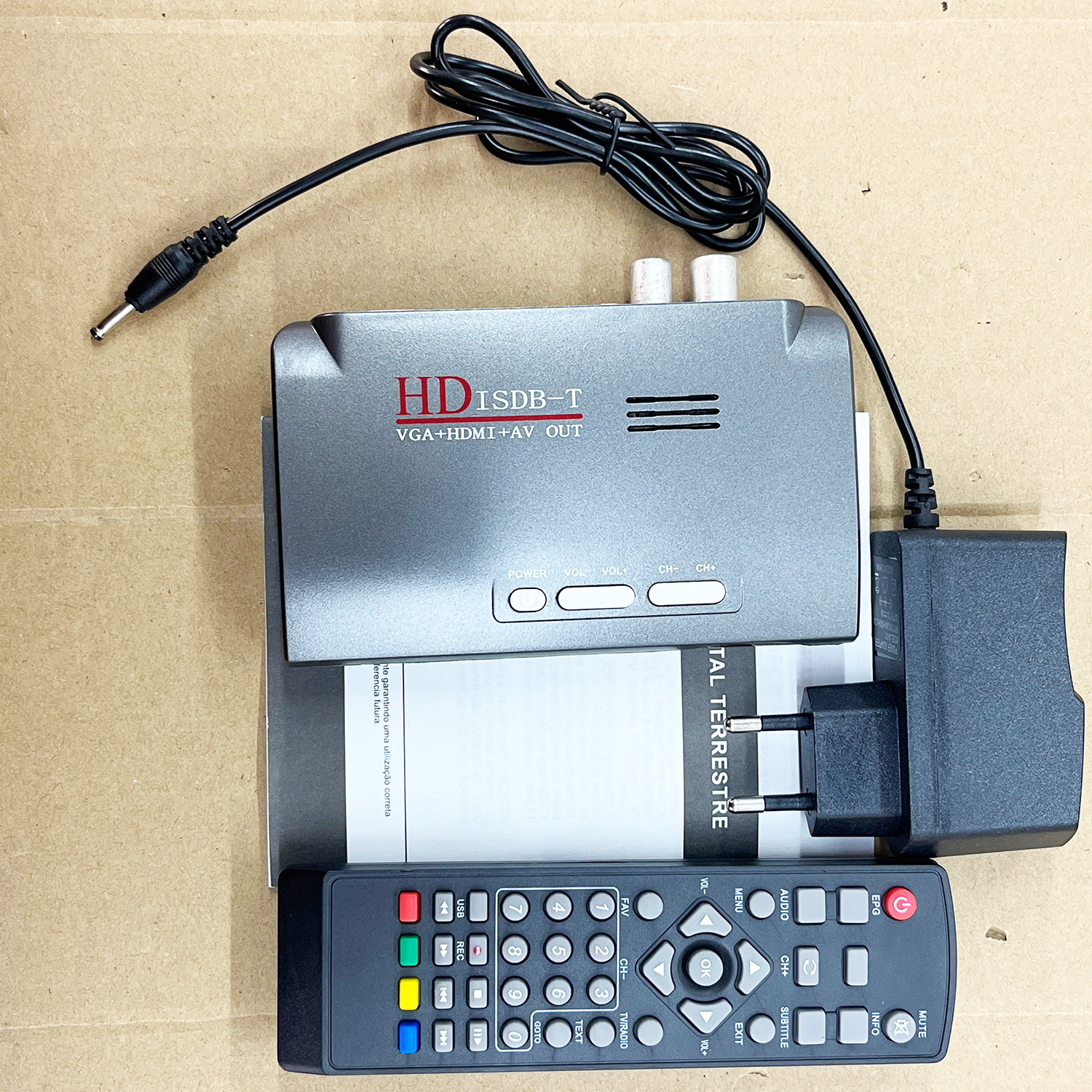
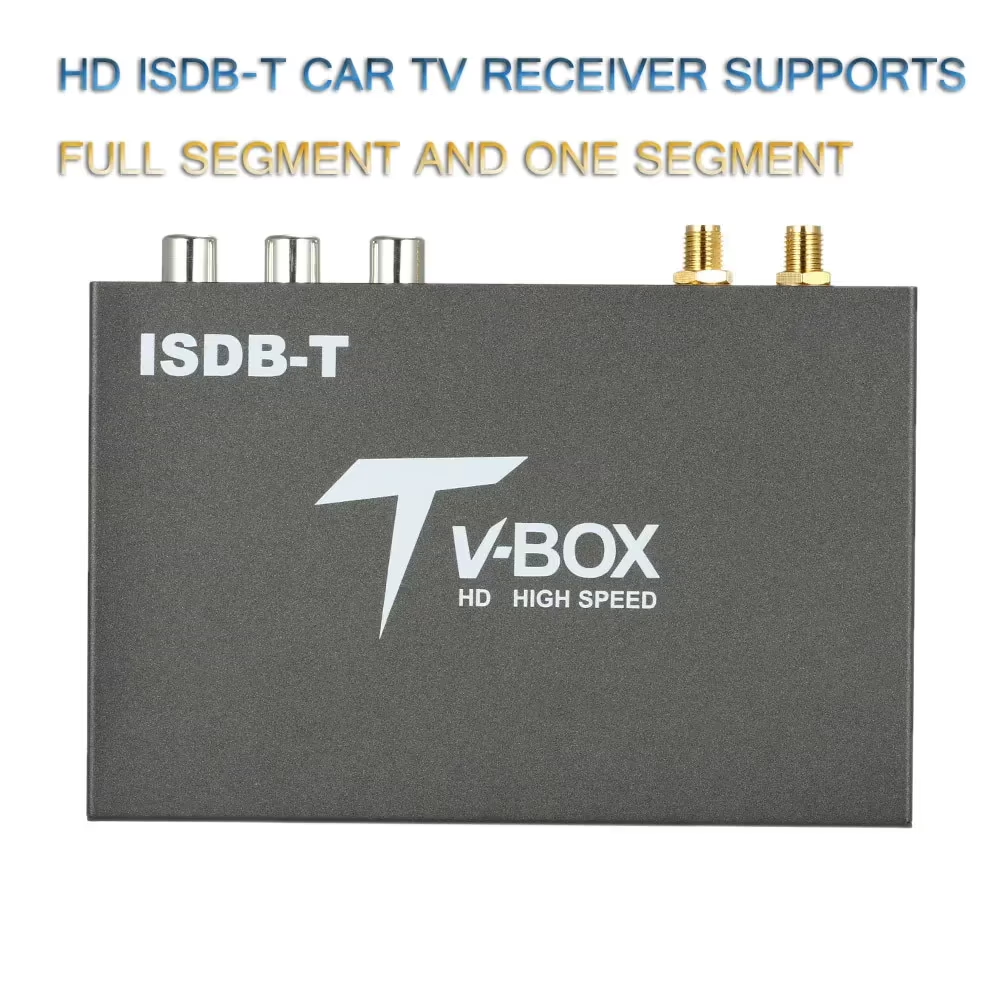


ISDB-T
מקלט טלוויזיה מקלט HD FTA ISDB-T מקומי עבור ברזיל ארגנטינה צ'ילה ונצואלה קוסטה ריקה הפיליפינים
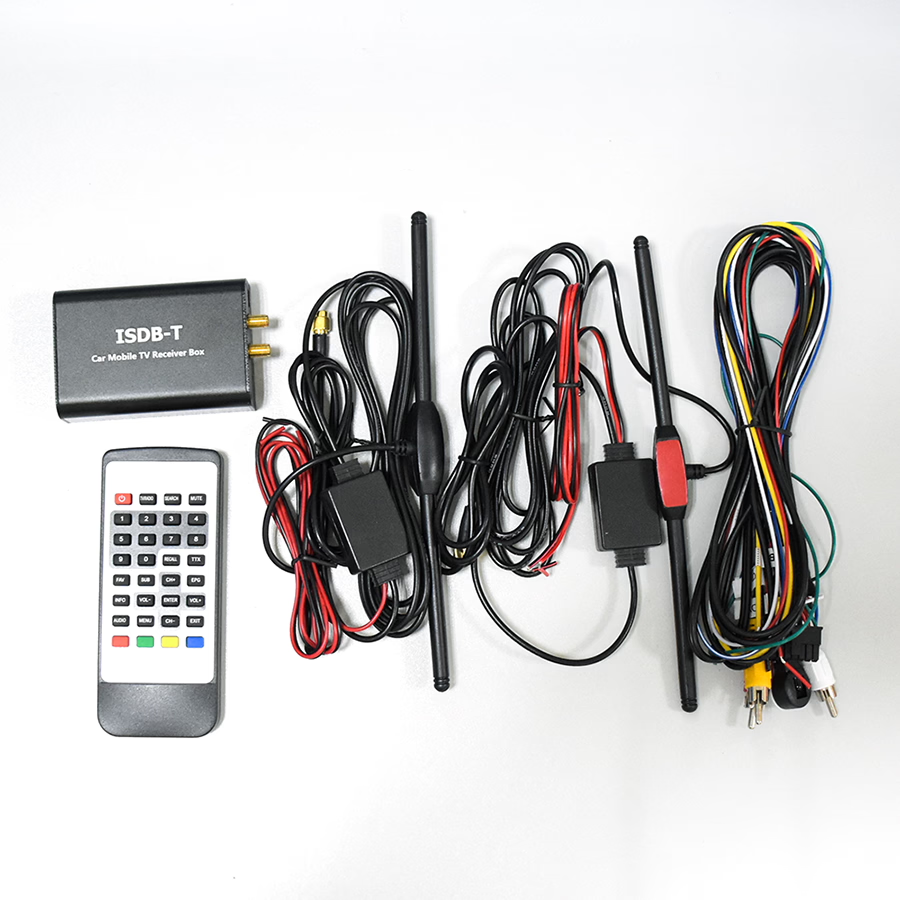

ISDB-T


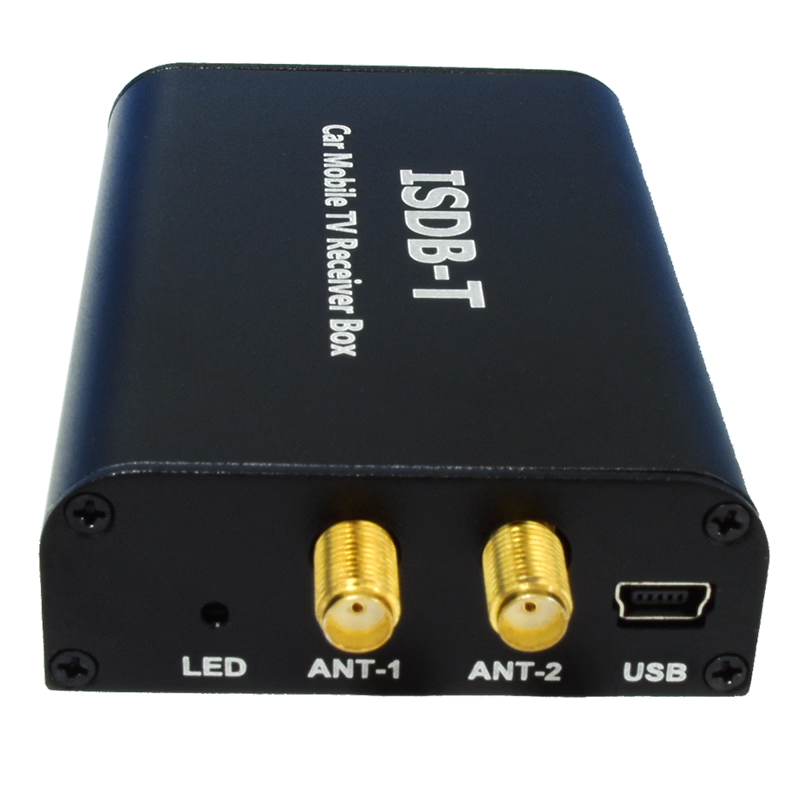
שאל שאלה
תודה רבה ששלחת את התשובה! ✨