

Japão ISDB-T Fequrency
| Japan ISDB-T Band | Physical CH | Japan ISDB-T Center frequency |
| UHF L | 13 cap. | 473.142857 MHz |
| 14 cap. | 479.142857 MHz | |
| 15 cap. | 485.142857 MHz | |
| 16 cap. | 491.142857 MHz | |
| 17 cap. | 497.142857 MHz | |
| 18 cap. | 503.142857 MHz | |
| 19 cap. | 509.142857 MHz | |
| 20 cap. | 515.142857 MHz | |
| 21 cap. | 521.142857 MHz | |
| 22 cap. | 527.142857 MHz | |
| 23 cap. | 533.142857 MHz | |
| 24 cap. | 539.142857 MHz | |
| 25 cap. | 545.142857 MHz | |
| 26 cap. | 551.142857 MHz | |
| 27 cap. | 557.142857 MHz | |
| 28 cap. | 563.142857 MHz | |
| 29 cap. | 569.142857 MHz | |
| 30 cap. | 575.142857 MHz | |
| UHF M | 31 cap. | 581.142857 MHz |
| 44 cap. | 659.142857 MHz | |
| UHF H | 45 cap. | 665.142857 MHz |
| 52 cap. | 707.142857 MHz | |
| 62 cap. | 767.142857 MHz |
Japan ISDB-T Digital TV receiver
Serviços Integrados Broadcasting Digital – Terrestre (ISDB-T) is the most advanced international standard on Digital Terrestrial Television Broadcasting (DTTB) system originally developed in Japan. ISDB-T has been introduced in Japan since December 2003, and the number of the countries adopting ISDB-T is gradually increasing with the recognition of its technological advantage.
Understanding Japan ISDB-T: The Standard for Digital Terrestrial Television
Serviços Integrados de Radiodifusão Digital – Terrestre (ISDB-T) is the most advanced international standard for Digital Terrestrial Television Broadcasting (DTTB) originally developed in Japão. Launched commercially in December 2003, ISDB-T has become the backbone of Japan’s digital TV infrastructure and is increasingly adopted worldwide due to its technological advantages in flexibility, robustez, and interactive services.
What Makes Japan ISDB-T Special?
Japan ISDB-T is distinct from other digital TV standards like DVB-T and ATSC because it uses a sistema de transmissão segmentado. This allows broadcasters to transmit high-definition TV, televisão móvel, e data broadcasting simultaneously over the same frequency. This capability ensures that ISDB-T offers superior signal reliability and better coverage even in urban and mountainous regions, making it ideal for the geographically diverse landscape of Japan.
Japan ISDB-T Frequency Bands
The Japan ISDB-T system operates across UHF frequency bands, which are carefully allocated to avoid interference and maximize coverage. Here’s a detailed breakdown of Japan ISDB-T Frequency assignments:
UHF L Band (Baixo)
| Physical CH | Japan ISDB-T Center Frequency |
|---|---|
| 13 cap. | 473.142857 MHz |
| 14 cap. | 479.142857 MHz |
| 15 cap. | 485.142857 MHz |
| 16 cap. | 491.142857 MHz |
| 17 cap. | 497.142857 MHz |
| 18 cap. | 503.142857 MHz |
| 19 cap. | 509.142857 MHz |
| 20 cap. | 515.142857 MHz |
| 21 cap. | 521.142857 MHz |
| 22 cap. | 527.142857 MHz |
| 23 cap. | 533.142857 MHz |
| 24 cap. | 539.142857 MHz |
| 25 cap. | 545.142857 MHz |
| 26 cap. | 551.142857 MHz |
| 27 cap. | 557.142857 MHz |
| 28 cap. | 563.142857 MHz |
| 29 cap. | 569.142857 MHz |
| 30 cap. | 575.142857 MHz |
UHF M Band (Medium)
| Physical CH | Japan ISDB-T Center Frequency |
|---|---|
| 31 cap. | 581.142857 MHz |
| 44 cap. | 659.142857 MHz |
UHF H Band (Alto)
| Physical CH | Japan ISDB-T Center Frequency |
|---|---|
| 45 cap. | 665.142857 MHz |
| 52 cap. | 707.142857 MHz |
| 62 cap. | 767.142857 MHz |
This frequency allocation ensures minimal interference and optimal signal distribution across different regions of Japan.
Japan ISDB-T Digital TV Receiver
To access the high-quality broadcasts delivered via ISDB-T, viewers need a Japan ISDB-T digital TV receiver. Modern receivers support:
- High-definition broadcasting (HDTV)
- One-segment broadcasting (1eles mesmos) for mobile devices
- Interactive TV services
- Emergency warning broadcasts
O 1seg feature is particularly notable: it allows mobile phones, TVs portáteis, and other handheld devices to receive live TV broadcasts seamlessly, making Japan ISDB-T a pioneer in mobile digital television.
Global Adoption of Japan ISDB-T
While initially developed for Japan, ISDB-T has gained international recognition. Countries in Ámérica do Sul, Ásia, and Africa have adopted ISDB-T due to its efficiency in spectrum use, robustness against multipath interference, and mobile-friendly design. The system’s adaptability has made it a preferred choice for nations upgrading from analog to digital terrestrial broadcasting.
Why Japan ISDB-T Stands Out
- Segmented OFDM Transmission – Ensures high reliability and simultaneous services.
- Suporte para TV Móvel – 1seg broadcasting allows seamless TV viewing on mobile devices.
- Emergency Broadcast Capability – Enables immediate warnings in case of natural disasters.
- Flexible Frequency Use – Optimized UHF band allocation minimizes interference.
Conclusão
Understanding Japan ISDB-T frequency allocations and the technology behind ISDB-T is essential for broadcasters, engineers, and tech enthusiasts interested in digital TV innovation. As more countries adopt ISDB-T, Japan’s pioneering standard continues to demonstrate the future of flexible, confiável, and mobile-friendly digital television.


1 SEG ISDB-T AM FM
3 ISDB ISDB-T Radio portátil ISDB LCD TV com um segmento TV digital, Mini Pocket TV para o Japão


1 SEG ISDB-T AM FM


Codificador HDMI para ISDB-T RF


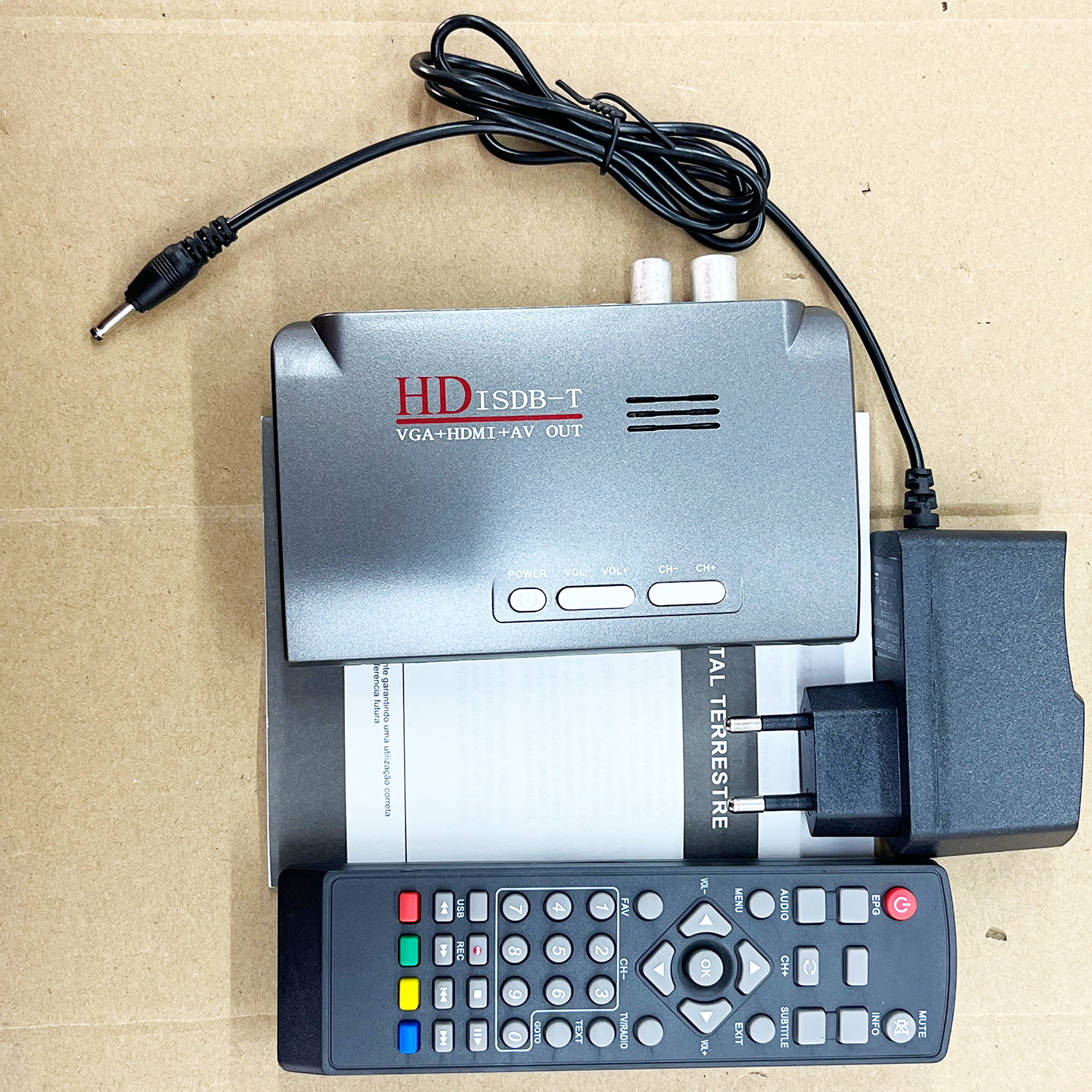




ISDB-T para casa

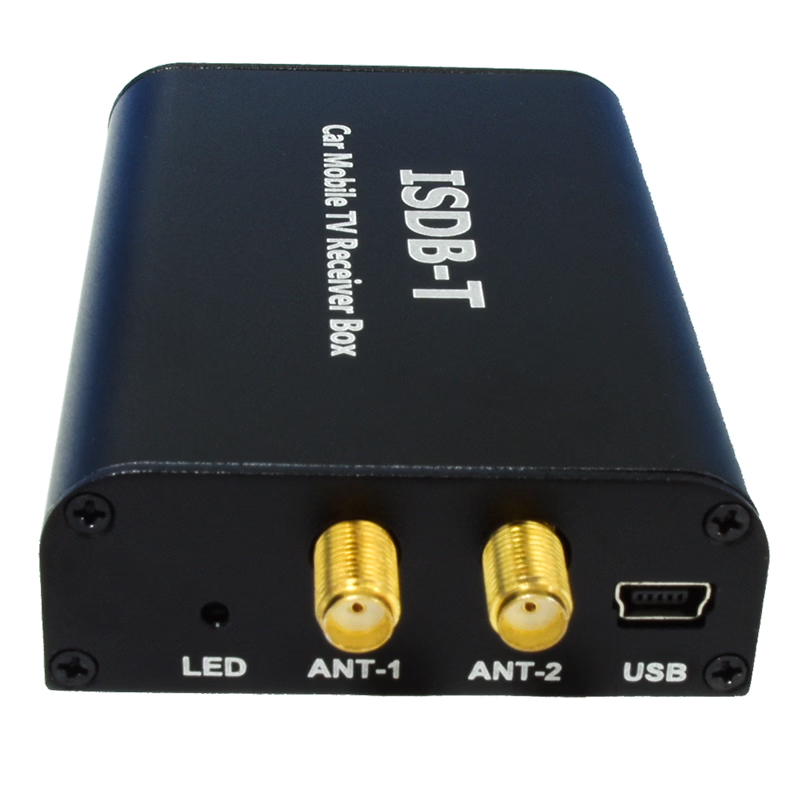
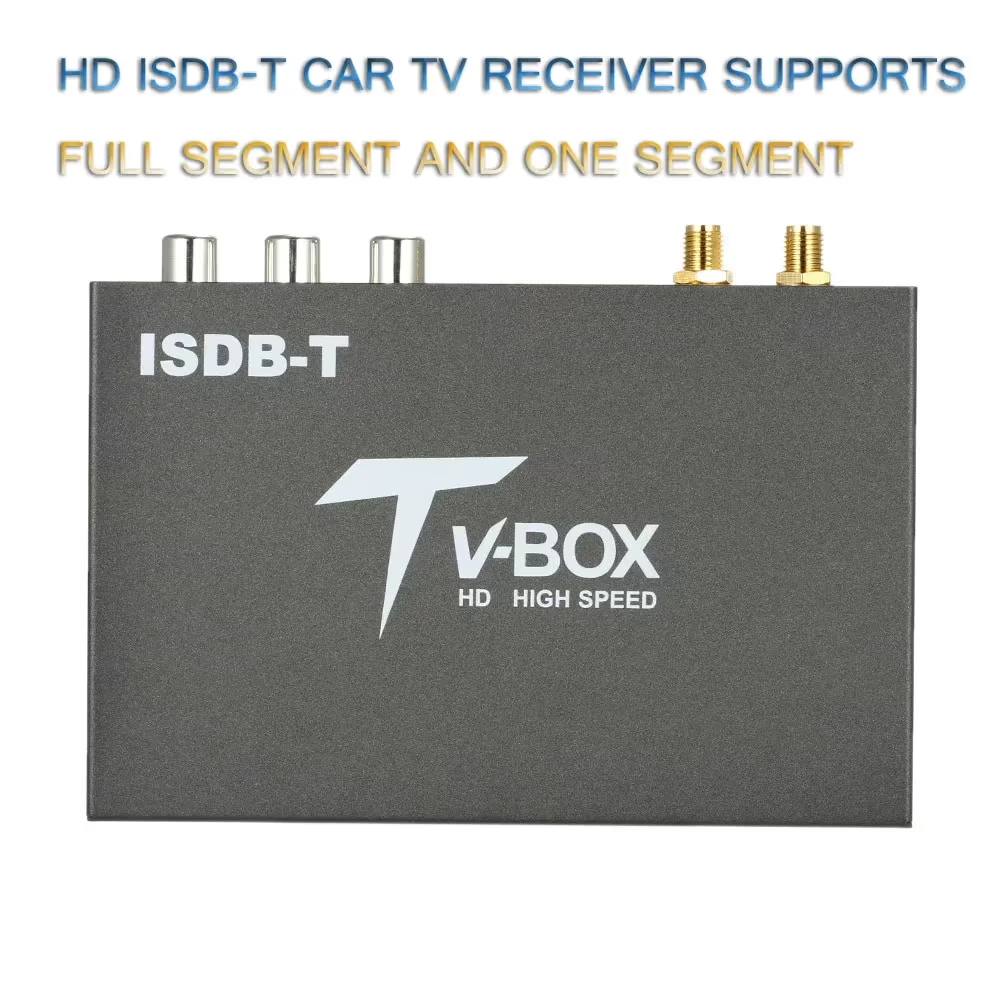
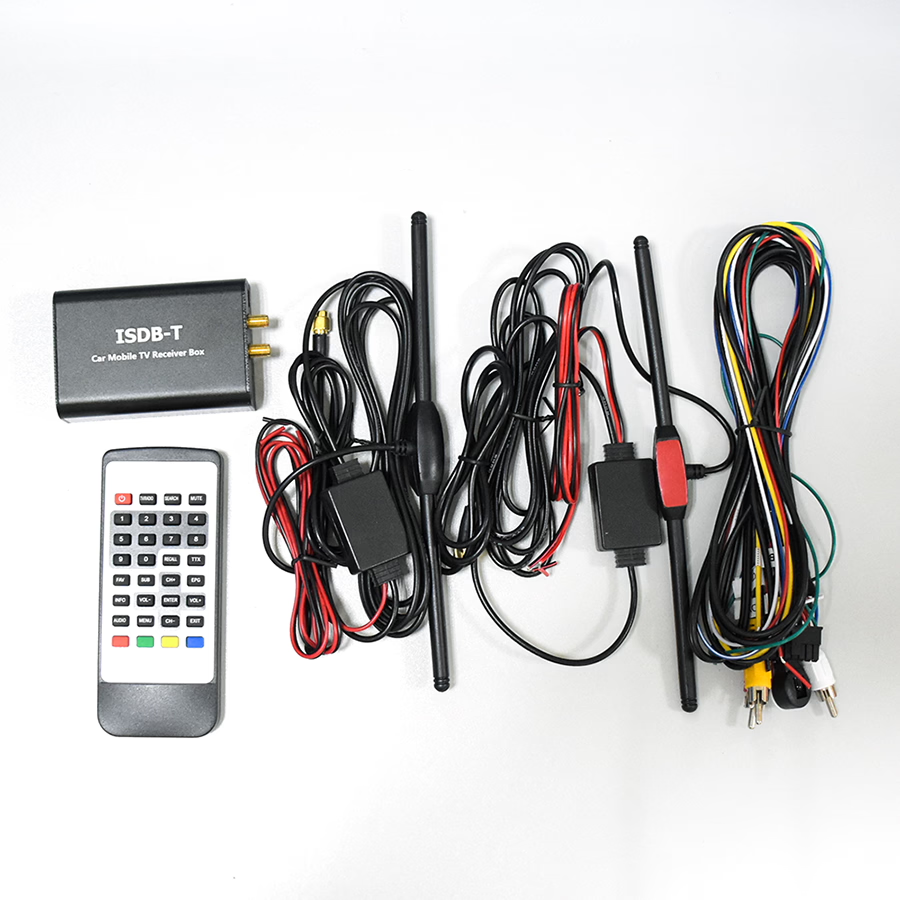
ISDB-T para carro
Faça uma pergunta
Agradecemos pela sua resposta. ✨