

일본의 ISDB-T 빈도
| 일본 ISDB-T 밴드 | 물리적 채널 | 일본 ISDB-T 중심 주파수 |
| UHF L | 13 채널 | 473.142857 메가 헤르츠 |
| 14 채널 | 479.142857 메가 헤르츠 | |
| 15 채널 | 485.142857 메가 헤르츠 | |
| 16 채널 | 491.142857 메가 헤르츠 | |
| 17 채널 | 497.142857 메가 헤르츠 | |
| 18 채널 | 503.142857 메가 헤르츠 | |
| 19 채널 | 509.142857 메가 헤르츠 | |
| 20 채널 | 515.142857 메가 헤르츠 | |
| 21 채널 | 521.142857 메가 헤르츠 | |
| 22 채널 | 527.142857 메가 헤르츠 | |
| 23 채널 | 533.142857 메가 헤르츠 | |
| 24 채널 | 539.142857 메가 헤르츠 | |
| 25 채널 | 545.142857 메가 헤르츠 | |
| 26 채널 | 551.142857 메가 헤르츠 | |
| 27 채널 | 557.142857 메가 헤르츠 | |
| 28 채널 | 563.142857 메가 헤르츠 | |
| 29 채널 | 569.142857 메가 헤르츠 | |
| 30 채널 | 575.142857 메가 헤르츠 | |
| UHF M | 31 채널 | 581.142857 메가 헤르츠 |
| 44 채널 | 659.142857 메가 헤르츠 | |
| UHF H | 45 채널 | 665.142857 메가 헤르츠 |
| 52 채널 | 707.142857 메가 헤르츠 | |
| 62 채널 | 767.142857 메가 헤르츠 |
통합 서비스 디지털 방송 – 지구의 (ISDB-T) 가장 진보된 국제 표준입니다. 디지털 지상파 텔레비전 방송 (DTTB) 원래 일본에서 개발된 시스템. ISDB-T는 12월부터 일본에 도입되었습니다. 2003, ISDB-T의 기술적 장점이 인정되면서 점차 채택 국가가 늘어나고 있습니다..
일본 이해 ISDB-T: 디지털 지상파 텔레비전의 표준
통합서비스 디지털방송 – 지상파 (ISDB-T) 디지털 지상파 텔레비전 방송을 위한 가장 발전된 국제 표준입니다. (DTTB) 원래 에서 개발된 일본. 에서 상업적으로 출시됨 12 월 2003, ISDB-T는 일본 디지털 TV 인프라의 중추가 되었으며 유연성에 대한 기술적 이점으로 인해 전 세계적으로 점점 더 많이 채택되고 있습니다., 견고성, 및 대화형 서비스.
일본 ISDB-T를 특별하게 만드는 것?
일본 ISDB-T는 DVB-T 및 ATSC와 같은 다른 디지털 TV 표준과 다릅니다. 분할 전송 시스템. 이를 통해 방송사는 다음과 같은 정보를 전송할 수 있습니다. 고화질 TV, 모바일 TV, 과 데이터 방송 동일한 주파수에서 동시에. 이 기능은 ISDB-T가 우수한 기능을 제공하도록 보장합니다. 신호 신뢰성 도시와 산악 지역에서도 더 나은 커버리지, 일본의 지리적으로 다양한 풍경에 이상적입니다..
일본 ISDB-T 주파수 대역
일본 ISDB-T 시스템은 전 세계에서 운영됩니다. UHF 주파수 대역, 간섭을 피하고 적용 범위를 최대화하기 위해 신중하게 할당됩니다.. 자세한 내용은 다음과 같습니다. 일본 ISDB-T 주파수 과제:
UHF L 밴드 (낮은)
| 물리적 채널 | 일본 ISDB-T 중심 주파수 |
|---|---|
| 13 채널 | 473.142857 메가 헤르츠 |
| 14 채널 | 479.142857 메가 헤르츠 |
| 15 채널 | 485.142857 메가 헤르츠 |
| 16 채널 | 491.142857 메가 헤르츠 |
| 17 채널 | 497.142857 메가 헤르츠 |
| 18 채널 | 503.142857 메가 헤르츠 |
| 19 채널 | 509.142857 메가 헤르츠 |
| 20 채널 | 515.142857 메가 헤르츠 |
| 21 채널 | 521.142857 메가 헤르츠 |
| 22 채널 | 527.142857 메가 헤르츠 |
| 23 채널 | 533.142857 메가 헤르츠 |
| 24 채널 | 539.142857 메가 헤르츠 |
| 25 채널 | 545.142857 메가 헤르츠 |
| 26 채널 | 551.142857 메가 헤르츠 |
| 27 채널 | 557.142857 메가 헤르츠 |
| 28 채널 | 563.142857 메가 헤르츠 |
| 29 채널 | 569.142857 메가 헤르츠 |
| 30 채널 | 575.142857 메가 헤르츠 |
UHF M 밴드 (중간)
| 물리적 채널 | 일본 ISDB-T 중심 주파수 |
|---|---|
| 31 채널 | 581.142857 메가 헤르츠 |
| 44 채널 | 659.142857 메가 헤르츠 |
UHF H 밴드 (높은)
| 물리적 채널 | 일본 ISDB-T 중심 주파수 |
|---|---|
| 45 채널 | 665.142857 메가 헤르츠 |
| 52 채널 | 707.142857 메가 헤르츠 |
| 62 채널 | 767.142857 메가 헤르츠 |
이 주파수 할당은 일본의 여러 지역에 걸쳐 최소한의 간섭과 최적의 신호 분배를 보장합니다..
일본 ISDB-T 디지털 TV 수신기
ISDB-T를 통해 전달되는 고품질 방송에 액세스하려면, 시청자는 일본 ISDB-T 디지털 TV 수신기. 최신 수신기 지원:
- 고화질 방송 (HDTV)
- 1세그먼트 방송 (1그 자신) 모바일 장치용
- 대화형 TV 서비스
- 비상경보 방송
그만큼 1세그먼트 기능 특히 주목할 만한: 그것은 휴대폰을 허용합니다, 휴대용 TV, 라이브 TV 방송을 원활하게 수신할 수 있는 기타 휴대용 장치, 일본 ISDB-T를 모바일 디지털 TV의 선구자로 만들기.
일본 ISDB-T의 글로벌 채택
처음에는 일본용으로 개발되었지만, ISDB-T는 국제적인 인정을 받았습니다. 다음 국가 남아메리카, 아시아, 그리고 아프리카 스펙트럼 사용의 효율성 때문에 ISDB-T를 채택했습니다., 다중 경로 간섭에 대한 견고성, 모바일 친화적인 디자인과. 이 시스템의 적응성은 아날로그 지상파 방송에서 디지털 지상파 방송으로 업그레이드하는 국가에서 선호하는 선택이 되었습니다..
일본 ISDB-T가 뛰어난 이유
- 분할된 OFDM 전송 – 높은 신뢰성과 동시 서비스 보장.
- 모바일 TV 지원 – 1seg 방송을 통해 모바일 기기에서도 원활한 TV 시청이 가능합니다..
- 비상 방송 기능 – 자연재해 발생 시 즉각적인 경고 가능.
- 유연한 주파수 사용 – 최적화된 UHF 대역 할당으로 간섭 최소화.
결론
이해 일본 ISDB-T 주파수 할당 및 ISDB-T 기반 기술은 방송사에 필수적입니다., 엔지니어, 디지털 TV 혁신에 관심이 있는 기술 애호가. 더 많은 국가가 ISDB-T를 채택함에 따라, 일본의 선구적인 표준은 계속해서 미래를 보여줍니다. 융통성 있는, 믿을 수 있는, 모바일 친화적인 디지털 TV.


1 SEG ISDB-T AM FM
2.8 inch LCD one segment tv FM AM Radio FM / AM 휴대용 라디오 2.8 인치 LCD 탑재 원세그 TV와 와이드 FM 지원


1 SEG ISDB-T AM FM
3 하나 개의 세그먼트 디지털 TV와 인치 포켓 ISDB-T 라디오 휴대용 ISDB 액정 TV, 일본 미니 포켓 TV


1 SEG ISDB-T AM FM


ISDB-T RF에 대한 HDMI 인코더


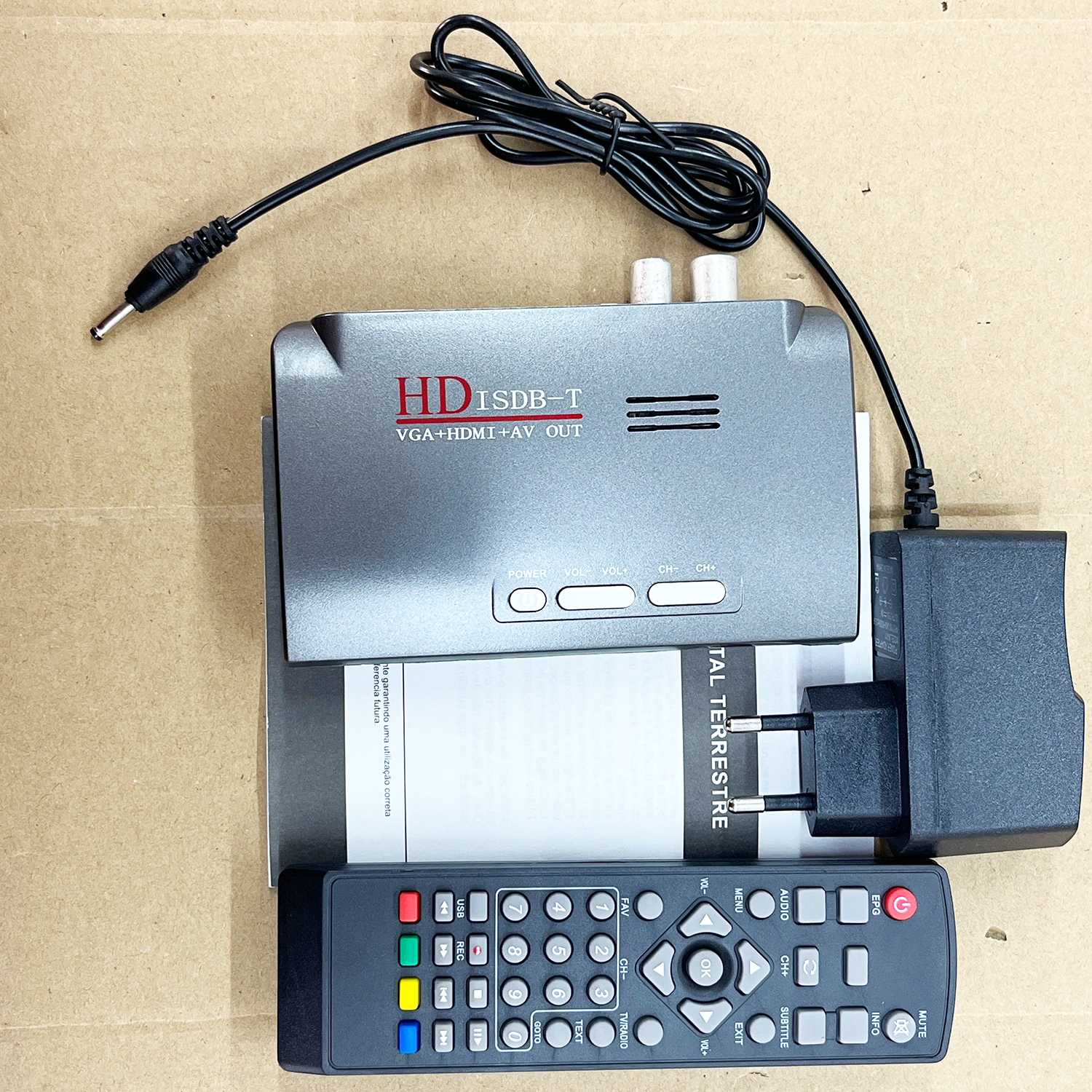
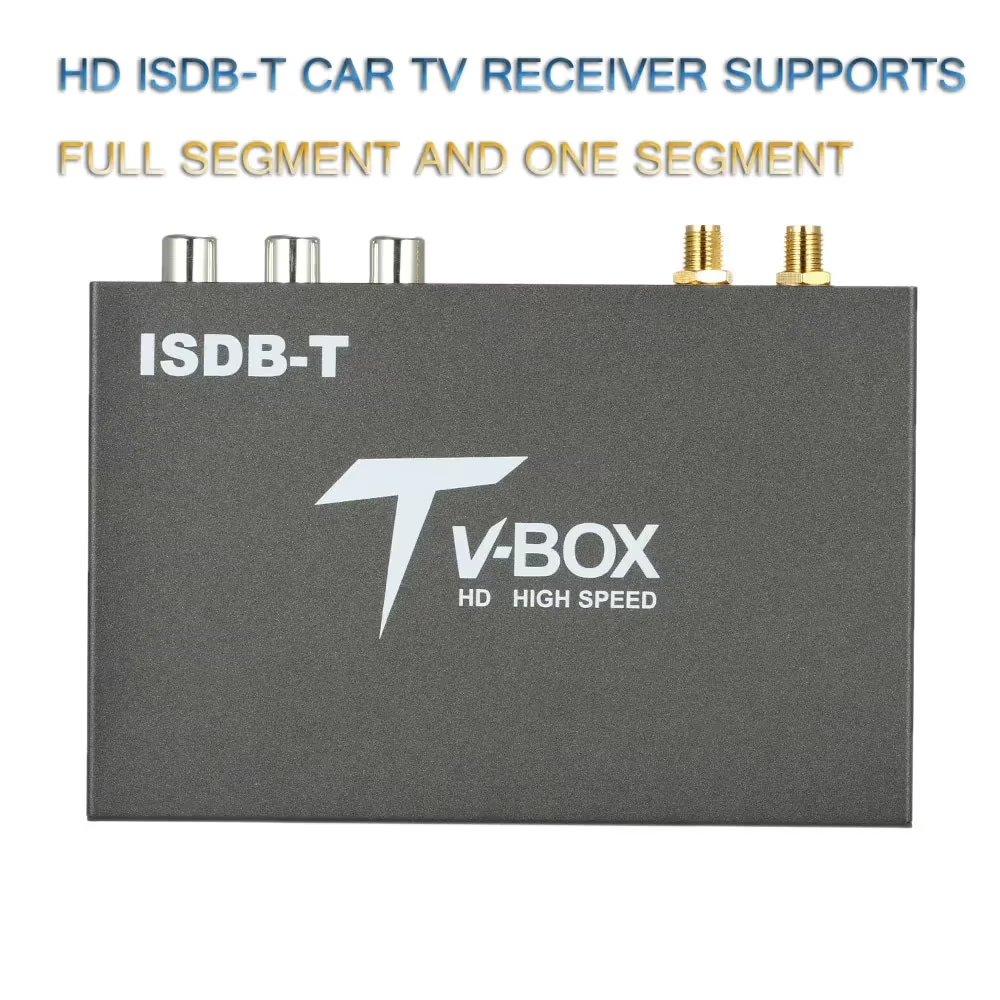


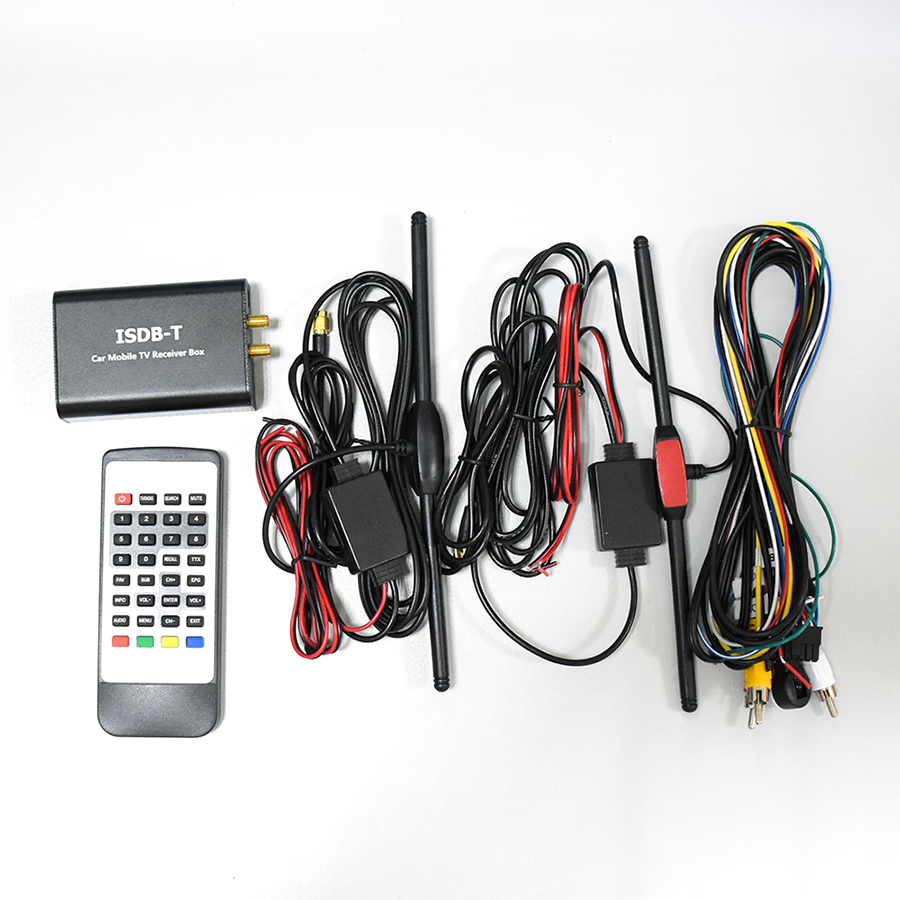

ISDB-T

가정용 ISDB-T

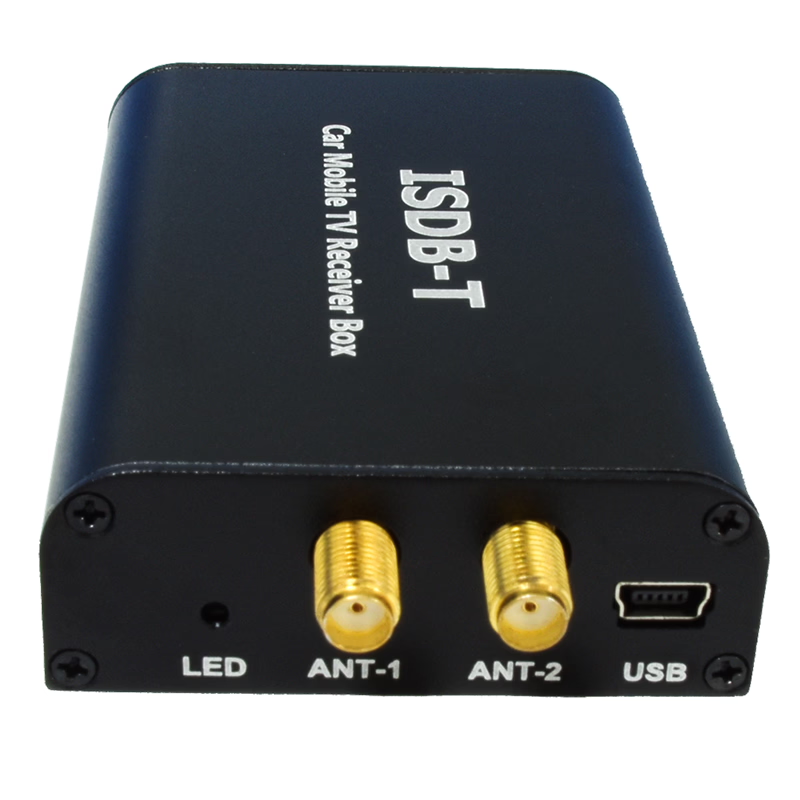
자동차를위한 ISDB-T
질문하기
응답해 주셔서 감사합니다. ✨