
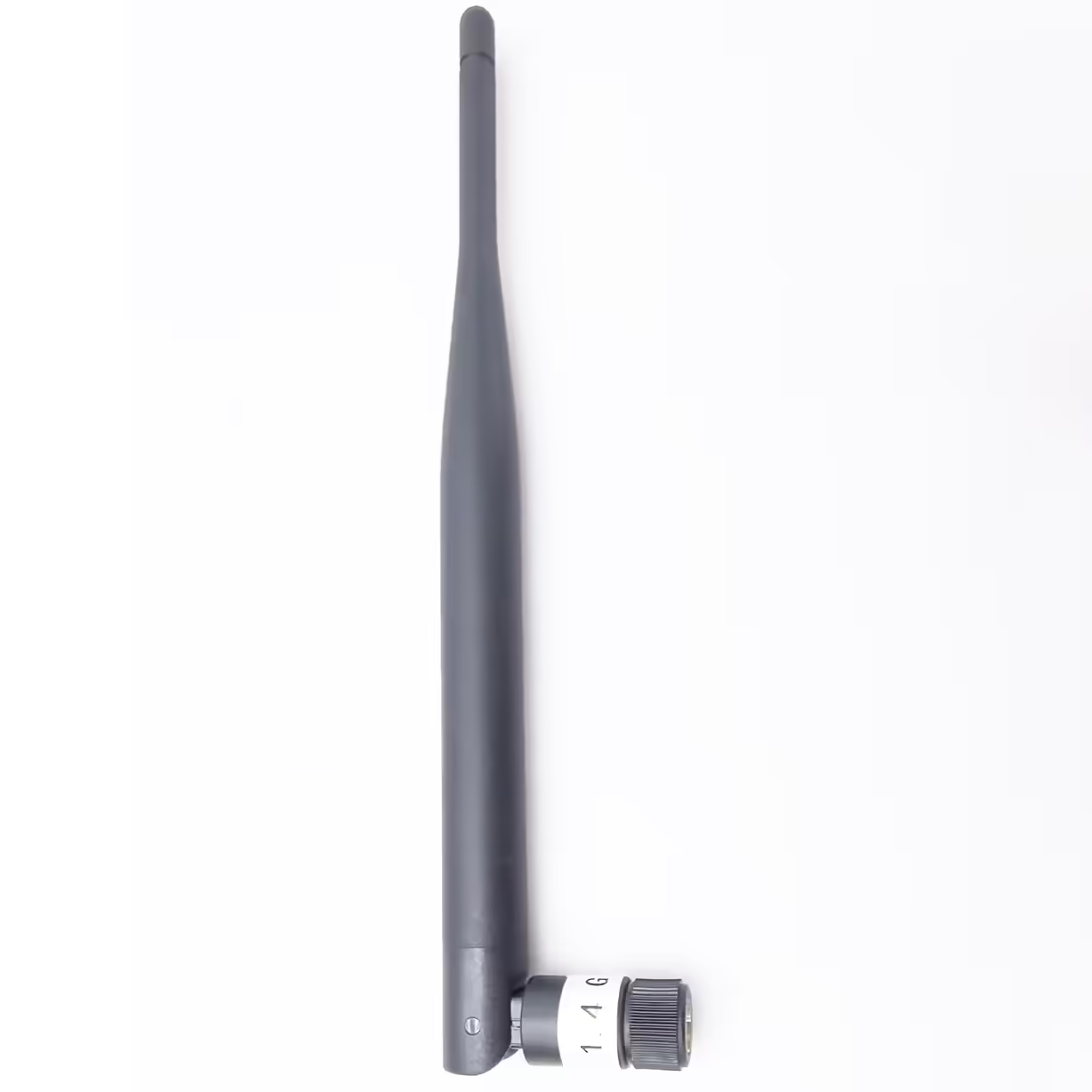
Veselglas buite Omnidirectional antenna
| kategorie | Buigsame veselglas versterkte plastiek |
| Model | TQX-1400AH3 |
| Frekwensie-reeks-MHz | 1400-1500 |
| Bandwydte-MHz | 100 |
| Wins-dbi | 3 |
| VSWR | ≦ 1.5 |
| Nominale impedansie-ω | 50 |
| Polarisasie | Vertikaal |
| Maksimum Power-W | 30 |
| Dimensie-CM | 21 |
| Gewig-G | 50 |
| Skakelaar | SMA Buigsame veselglasversterkte plastiek |
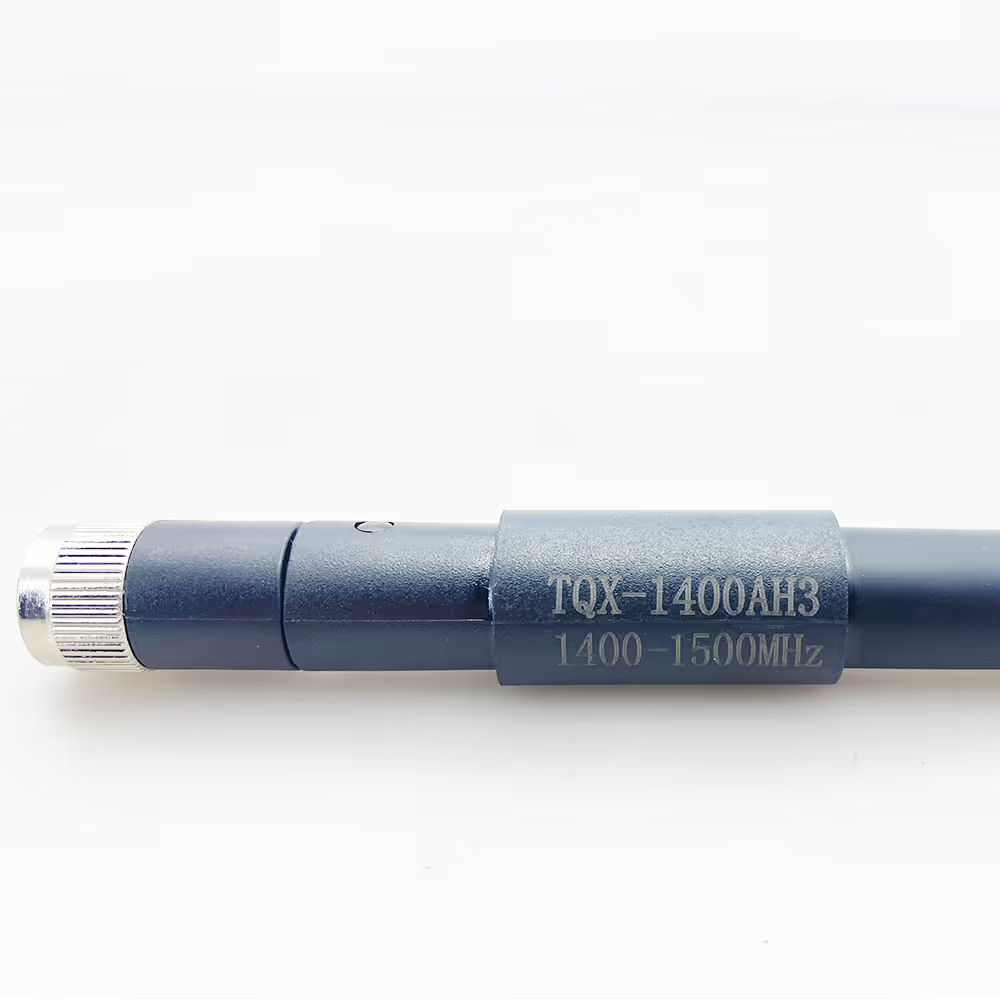
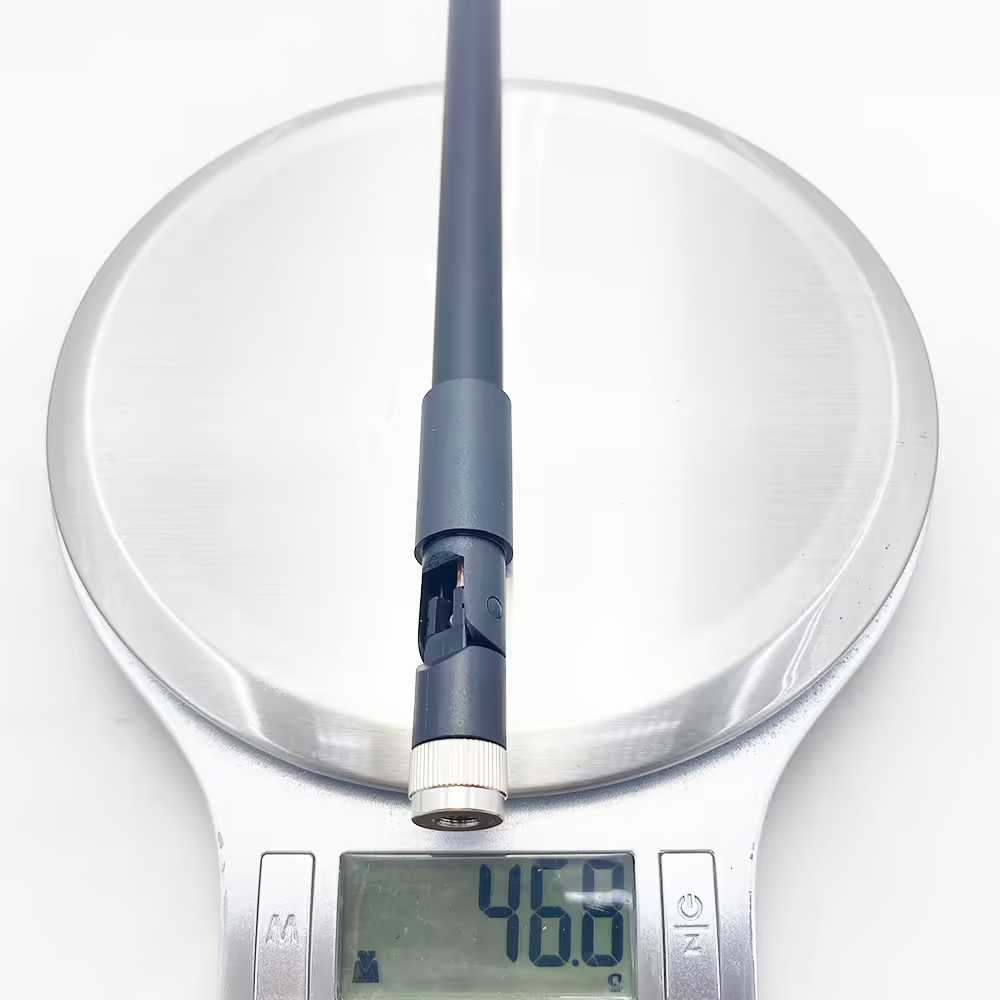
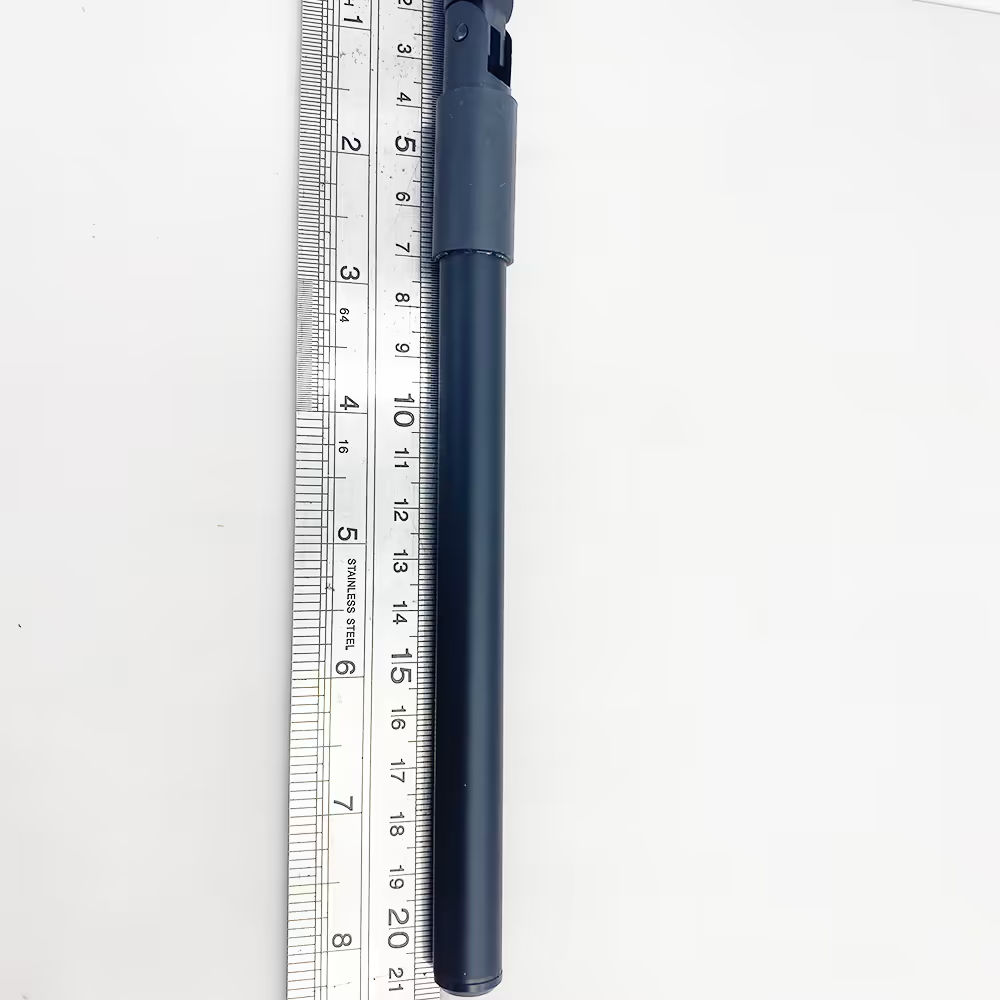
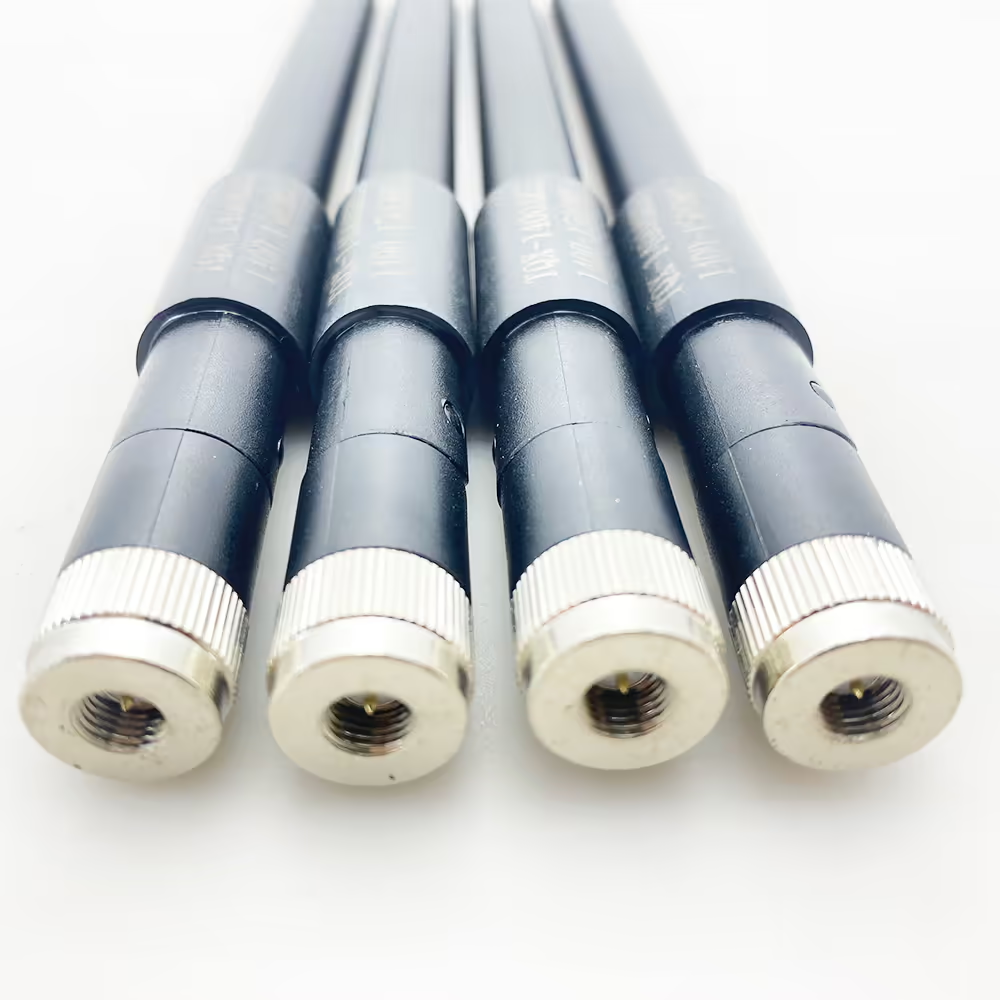

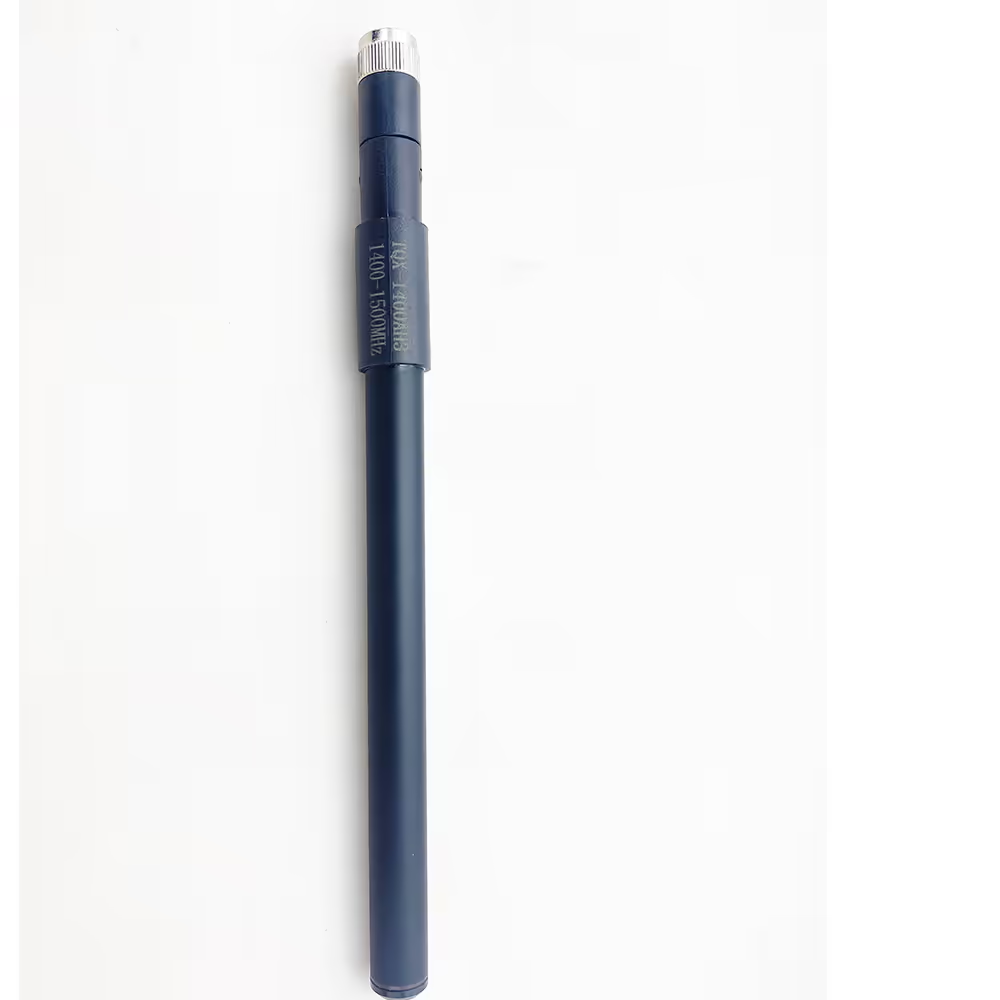
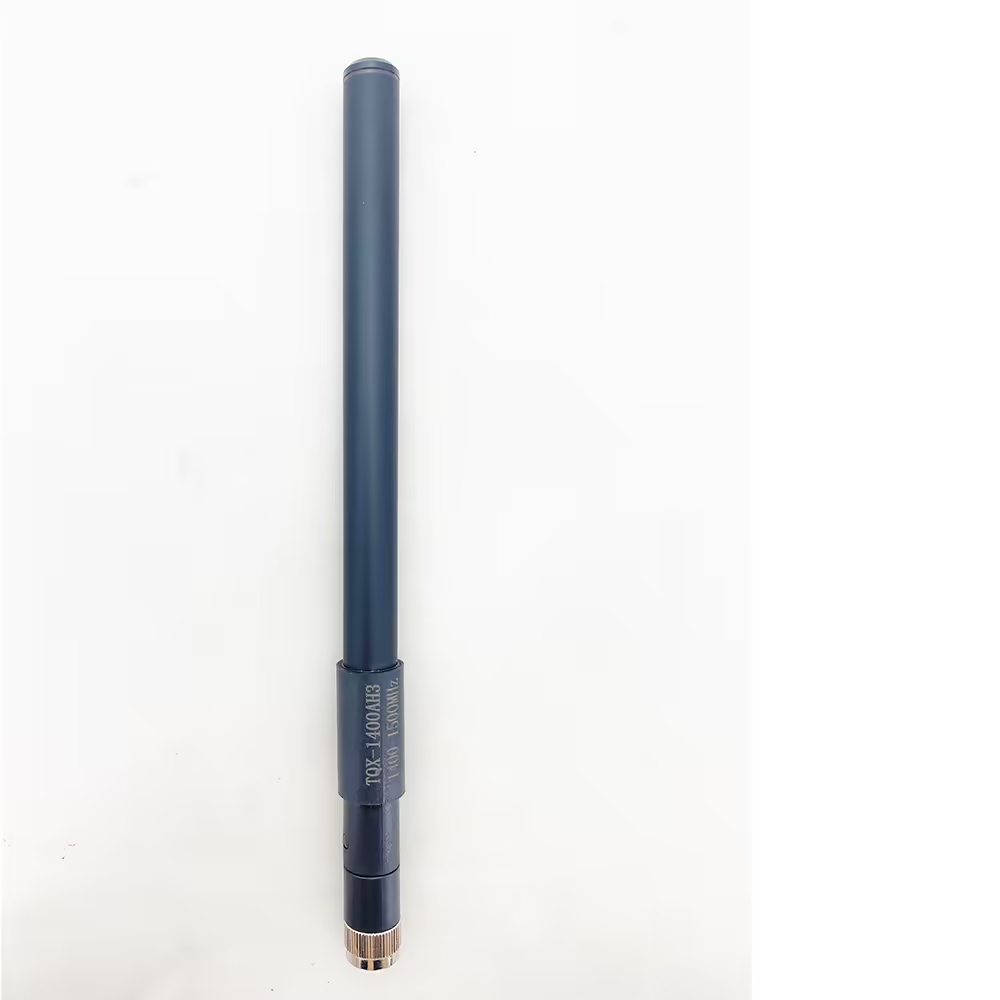
A veselglas buite omnidireksie antenna is 'n tipe antenna wat ontwerp is vir buite gebruik, tipies in draadlose kommunikasiestelsels soos Wi-Fi, sellulêre (4G/5G), radio, of IoT-toepassings. Hier is 'n uiteensetting van die belangrikste kenmerke daarvan:
1. Veselglas konstruksie
-
Gemaak van duursaam veselglas materiaal, wat weerbestand is, UV-beskermd, en korrosiebestand.
-
Liggewig dog stewig, maak dit ideaal vir langtermyn buite installasie.
2. Omnirigting stralingspatroon
-
Straal seine uit equally in all directions (360° horizontally), making it ideal for covering large areas without needing precise alignment.
-
Best suited for applications where signals need to be distributed uniformly around the antenna (Bv., Wi-fi hotspots, mobile base stations).
3. Buiteluggebruik
-
Designed to withstand harsh weather conditions (reën, sneeu, wind, extreme temperatures).
-
Often comes with waterproof sealing and UV-resistant coatings.
4. Algemene toepassings
-
Wi-Fi Networks: Extending wireless coverage in outdoor areas (campuses, parks, industrial sites).
-
Cellular & 4G/5G: Boosting mobile signals in remote or weak-coverage areas.
-
Radio & TV Broadcasting: Used in FM radio, amateur (HAM) radio, or digital TV signals.
-
IOT & M2M Communication: Supporting wireless sensors, afstandmonitering, and smart city devices.
5. Sleutel spesifikasies
-
Frekwensiereeks: Varies by model (Bv., 700MHz–2700MHz for 4G/5G, 2.4GHz/5GHz for Wi-Fi).
-
Winste: Typically 3–10 dBi (higher gain improves range but may slightly narrow vertical coverage).
-
Polarisasie: Usually vertical (linear).
-
Connector Tipe: Common options include N-type, Hoërskool, or RP-SMA for RF connections.
6. Installasie
-
Mounted on poles, rooftops, or towers using clamps or brackets.
-
Dikwels gepaard met coaxial cables and lightning arrestors for surge protection.
Voordele bo rigtingantennas
-
No need to point the antenna in a specific direction.
-
Better for covering multiple devices spread around the antenna.


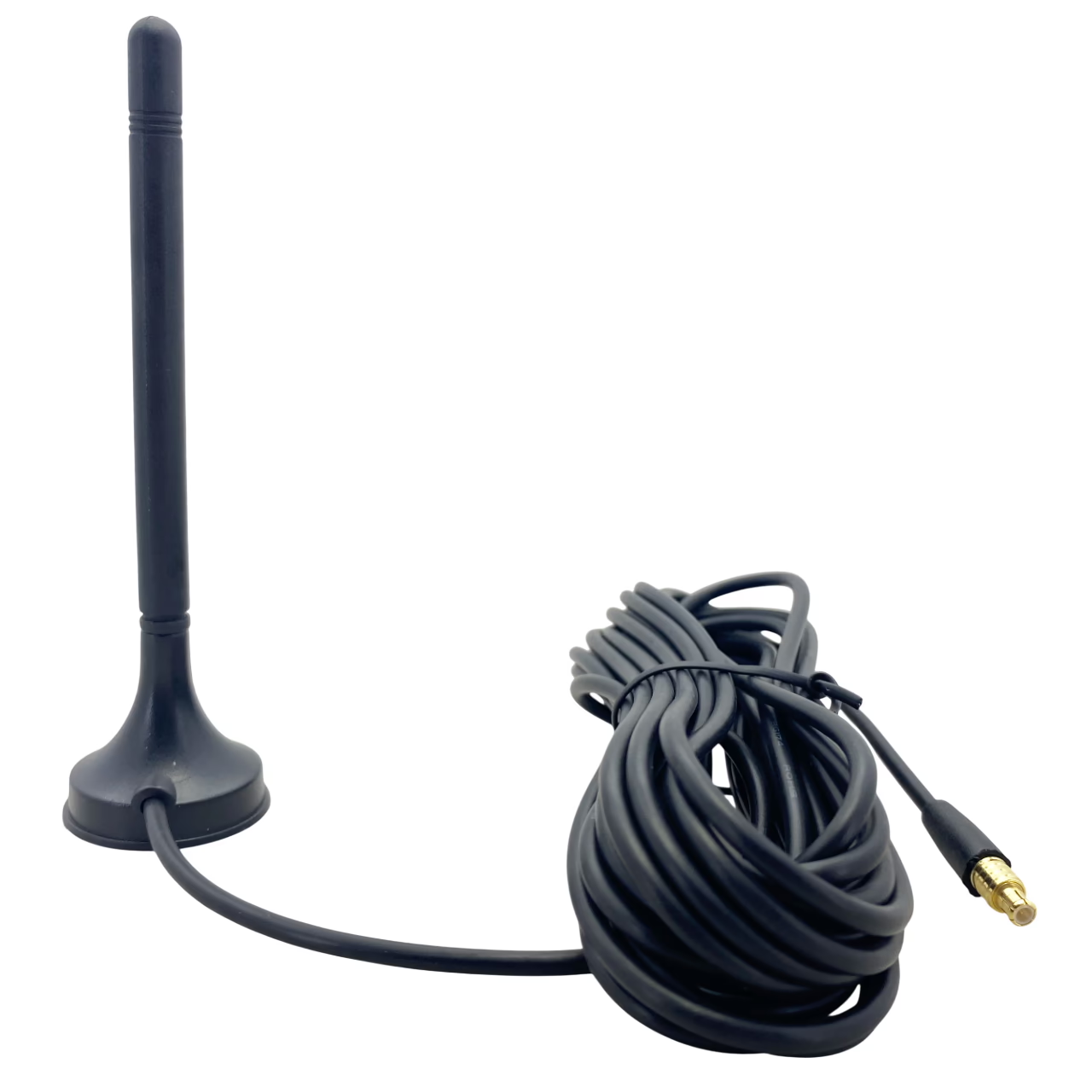





Charles –
Fantastic upgrade! This fiberglass antenna delivers incredibly strong, clear signals everywhere. Easy to install outdoors and withstands rain/wind perfectly. Noticeably better range and stability versus my old antenna – no more dropouts! Omnidirectional coverage is super convenient. Beveel sterk aan vir betroubare, hassle-free reception. Set it and forget it