
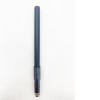
Шкловалакно на адкрытым паветры Антэна
| катэгорыя | Гнуткі пластык, армаваны шкловалакном |
| Мадэль | TQX-1400AH3 |
| Дыяпазон частот мГц | 1400-1500 |
| Прапускная здольнасць MHZ | 100 |
| Атрыманне DBI | 3 |
| VSWR | ≦ 1,5 |
| Намінальны імпеданс-Ом | 50 |
| Палярызацыя | Вертыкальны |
| Максімальная магутнасць-W | 30 |
| Памер-см | 21 |
| Вага-г | 50 |
| Злучальнік | SMA Гнуткі пластык, армаваны шкловалакном |
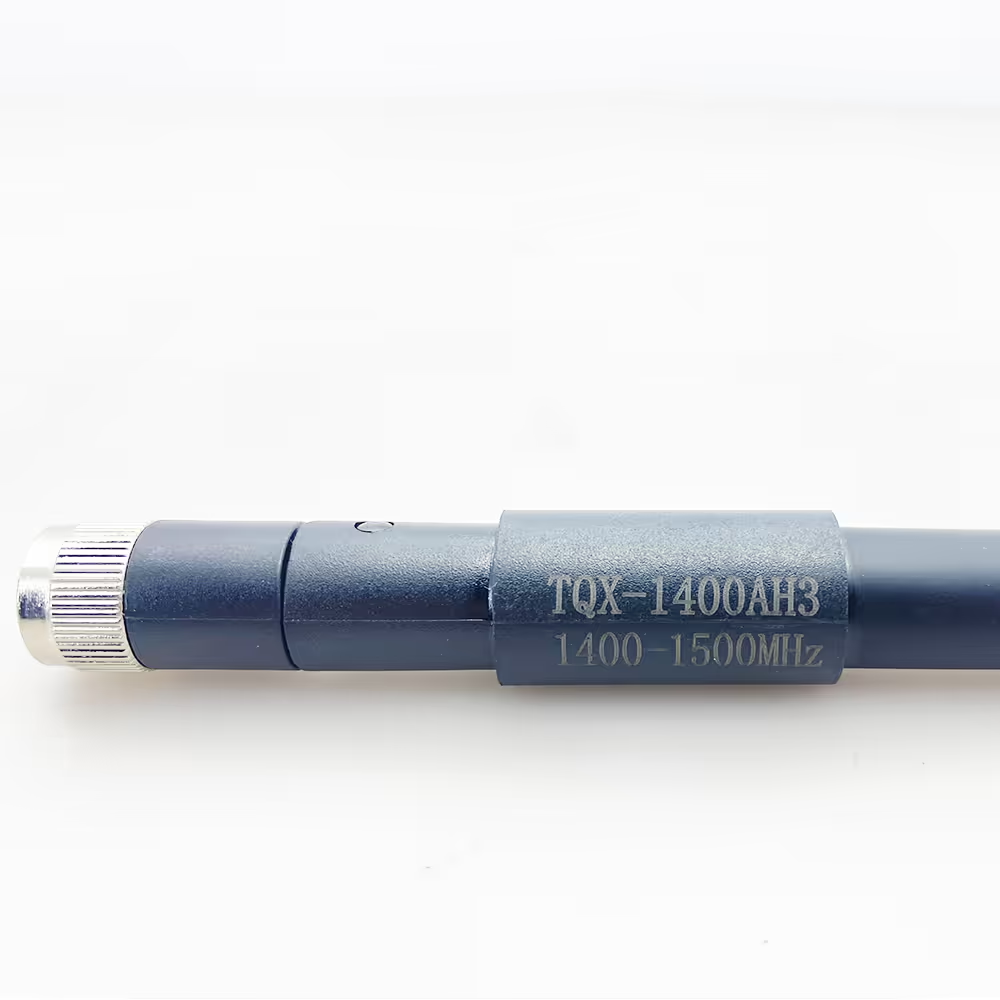
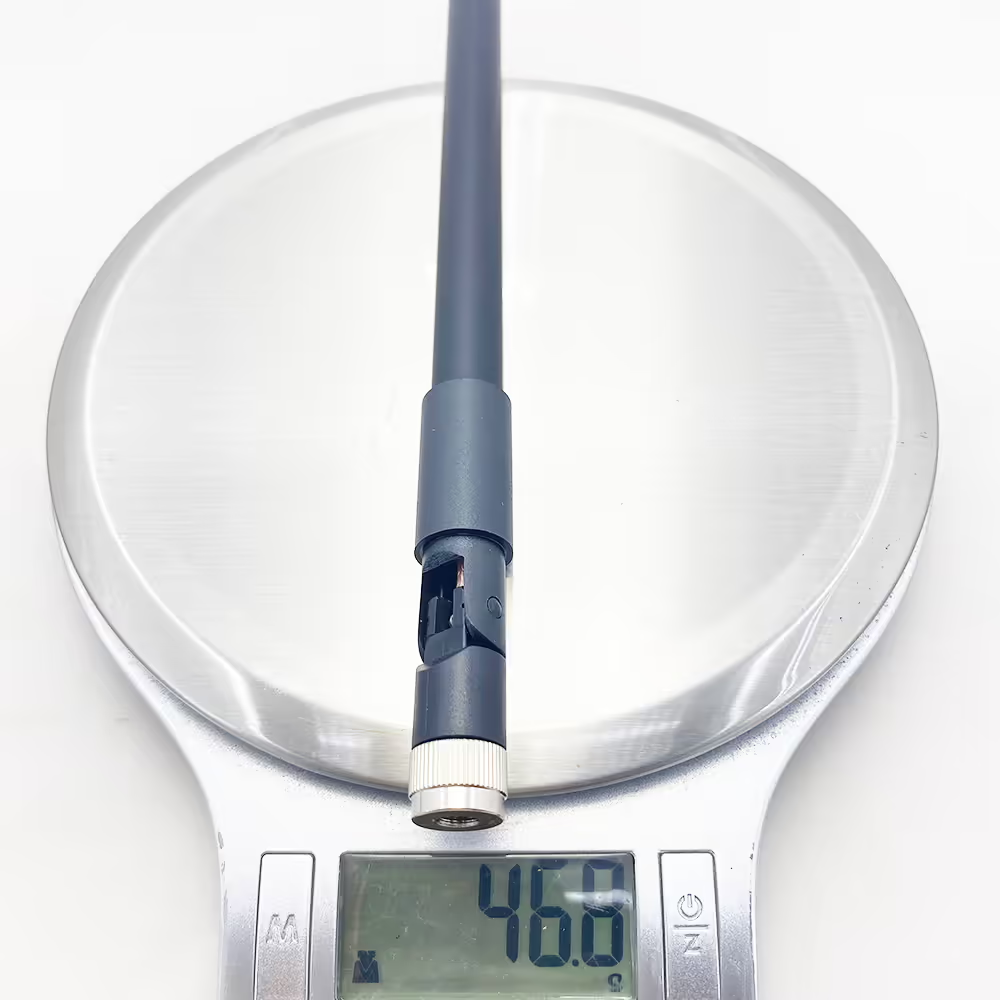
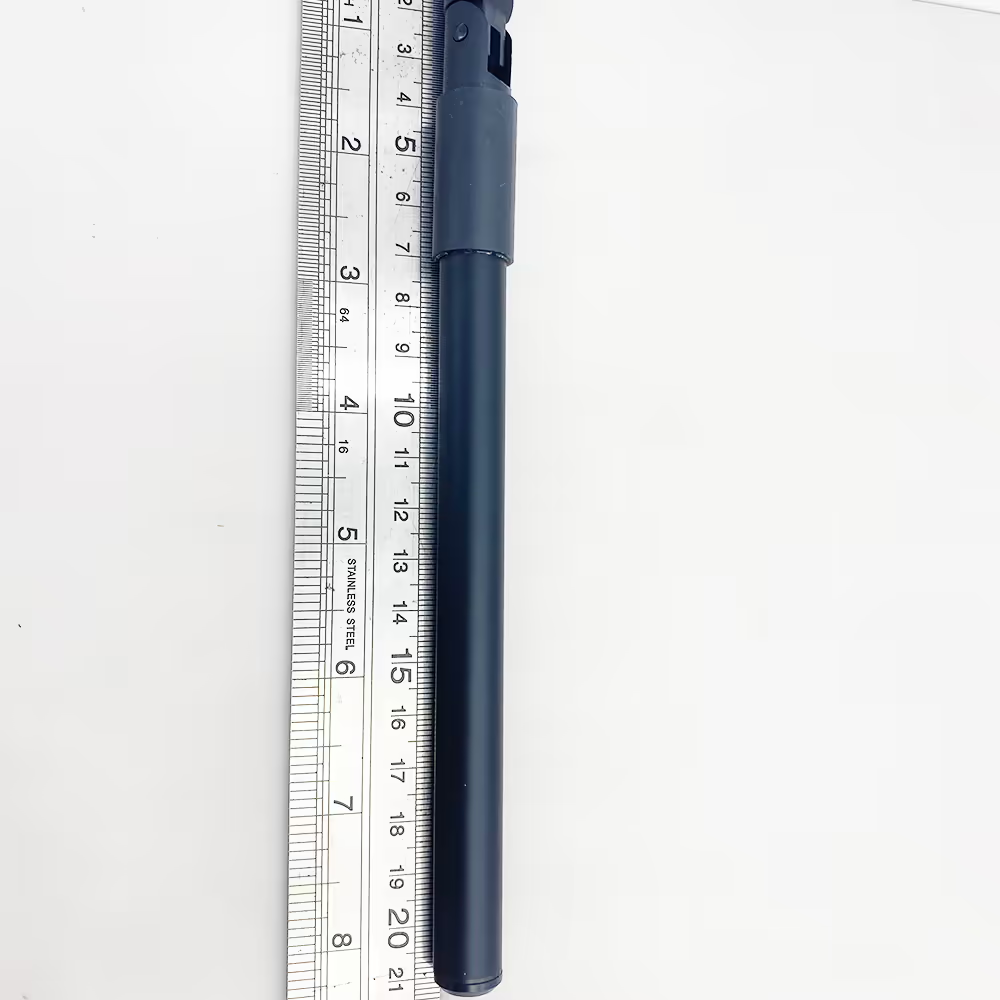
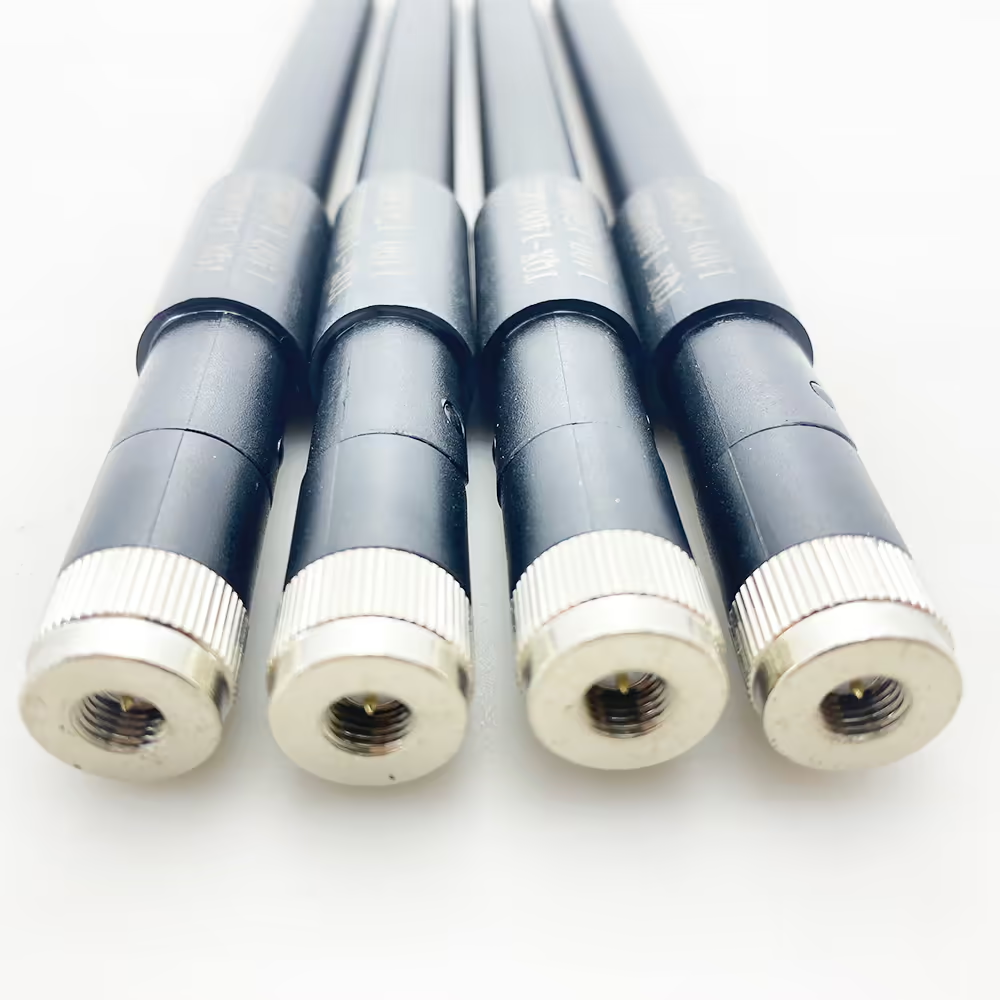

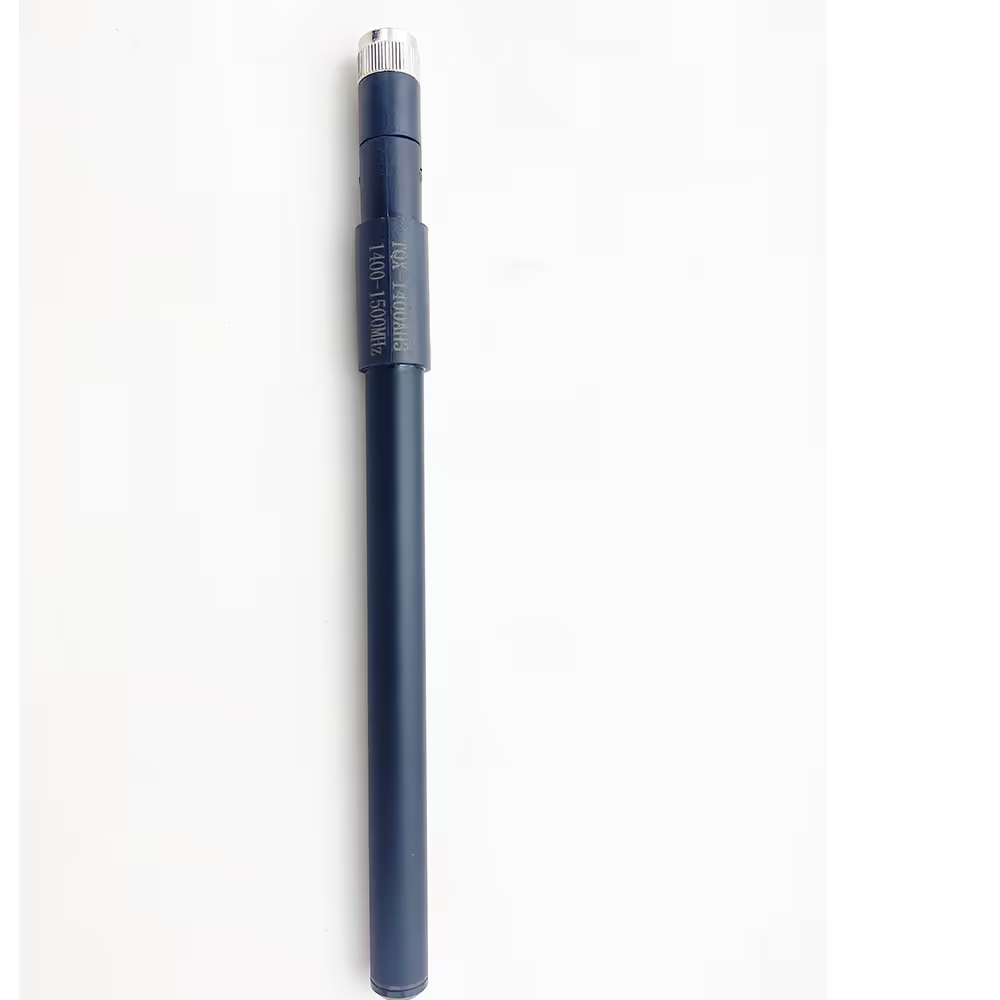
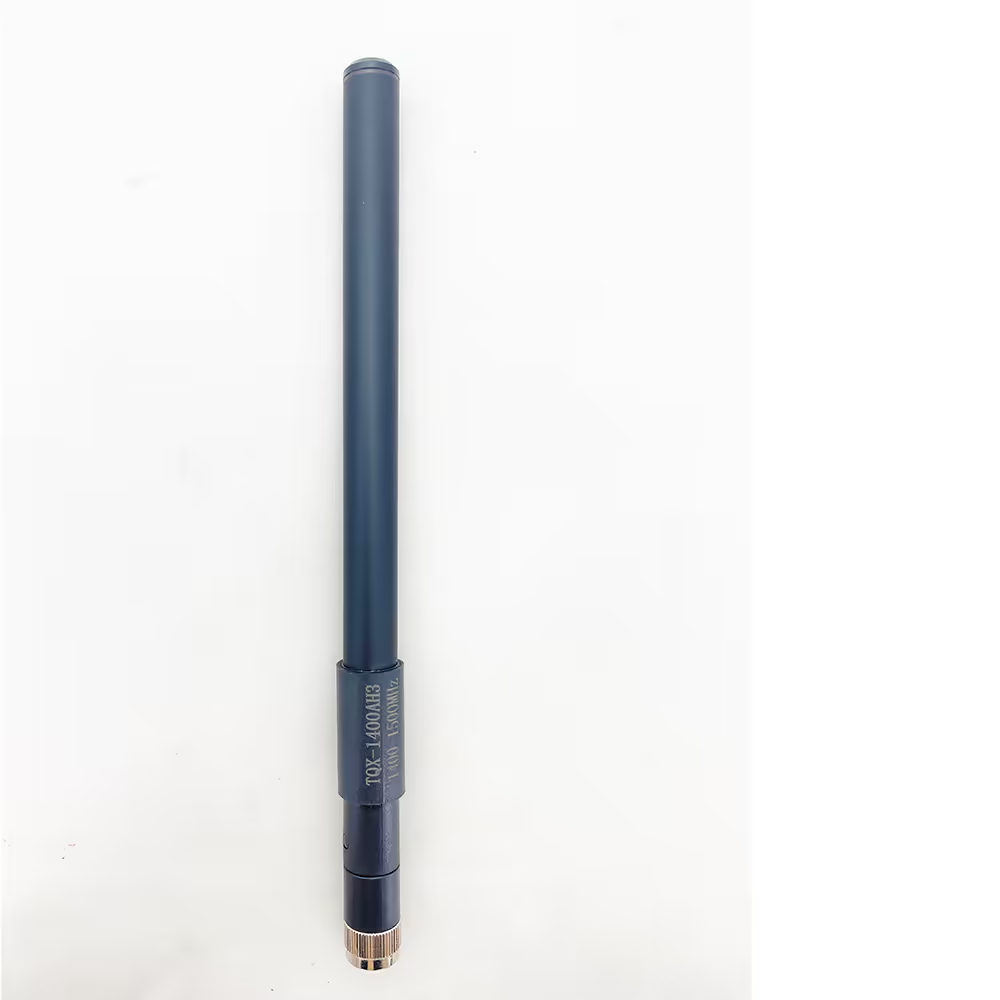
А вонкавая всенаправленная антэна са шкловалакна гэта тып антэны, прызначаны для выкарыстання на вуліцы, звычайна ў сістэмах бесправадной сувязі, такіх як Wi-Fi, сотавы (4G/5G), радыё, або прыкладання IoT. Вось разбор яго асноўных функцый:
1. Шклопластыкавыя канструкцыі
-
Выраблены з трывалага шкловалакно матэрыял, які ўстойлівы да надвор'я, Абарона ад ультрафіялету, і ўстойлівы да карозіі.
-
Лёгкі, але трывалы, што робіць яго ідэальным для працяглай вонкавай ўстаноўкі.
2. Усенакіраваная дыяграма дыяграмы
-
Выпраменьвае сігналы аднолькава ва ўсіх напрамках (360° па гарызанталі), што робіць яго ідэальным для пакрыцця вялікіх плошчаў без неабходнасці дакладнага выраўноўвання.
-
Лепш за ўсё падыходзіць для прыкладанняў, дзе сігналы павінны быць раўнамерна размеркаваны вакол антэны (Нап., Wi-fi гарачыя кропкі, мабільныя базавыя станцыі).
3. Выкарыстанне на адкрытым паветры
-
Распрацаваны, каб вытрымліваць суровыя ўмовы надвор'я (дождж, снег, вецер, экстрэмальныя тэмпературы).
-
Часта пастаўляецца з водатрывалым ушчыльненнем і ўстойлівым да ультрафіялету пакрыццём.
4. Агульныя прыкладанні
-
Сеткі Wi-Fi: Пашырэнне бесправаднога пакрыцця на адкрытых пляцоўках (кампусах, паркі, прамысловыя пляцоўкі).
-
Клеткавы & 4G/5G: Узмацненне сігналу мабільнай сувязі ў аддаленых раёнах або раёнах са слабым пакрыццём.
-
Радыё & Тэлевізійнае вяшчанне: Выкарыстоўваецца ў FM-радыё, аматарскі (ВЯНДЛІНА) радыё, або лічбавага тэлевізійнага сігналу.
-
Iot & Камунікацыя M2M: Падтрымка бесправадных датчыкаў, аддалены маніторынг, і разумныя гарадскія прылады.
5. Асноўныя характарыстыкі
-
Дыяпазон частот: У залежнасці ад мадэлі (Нап., 700МГц–2700 МГц для 4G/5G, 2.4ГГц/5 ГГц для Wi-Fi).
-
Прыбытак: Тыпова 3–10 дБі (большае ўзмацненне паляпшае дыяпазон, але можа трохі звузіць вертыкальны ахоп).
-
Палярызацыя: Звычайна вертыкальны (лінейны).
-
Тып раздыма: Агульныя варыянты ўключаюць N-тып, Сярэдняя школа, або РП-СМА для радыёчастотных злучэнняў.
6. Ўстаноўка
-
Усталяваны на слупах, дахі, або вежы з дапамогай заціскаў або кранштэйнаў.
-
Часта ў пары з кааксіяльныя кабелі і маланкаадводы для абароны ад перанапружання.
Перавагі перад накіраванымі антэнамі
-
Няма неабходнасці накіроўваць антэну ў пэўным кірунку.
-
Лепш для пакрыцця некалькіх прылад, размешчаных вакол антэны.
Даведайцеся больш з ISDB-T.com
Падпішыцеся, каб атрымліваць апошнія паведамленні на вашу электронную пошту.






Чарльз –
Фантастычнае абнаўленне! Гэтая антэна са шкловалакна забяспечвае неверагодную моц, выразныя сігналы ўсюды. Лёгка ўсталёўваецца на вуліцы і выдатна супрацьстаіць дажджу/ветру. Прыкметна лепшы дыяпазон і стабільнасць у параўнанні з маёй старой антэнай – больш няма адсеву! Усенакіраванае пакрыццё - гэта вельмі зручна. Вельмі рэкамендую для надзейнасці, беспраблемны прыём. Усталюйце і забудзьцеся