
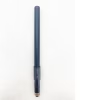
Lasikuitu monisuuntainen ulkoantenni
| Kategoria | Joustava lasikuituvahvistettu muovi |
| Malli | TQX-1400AH3 |
| Taajuusalue-MHz | 1400-1500 |
| Kaistanleveys-MHZ | 100 |
| Dbi | 3 |
| VSWR | ≦ 1,5 |
| Nimellisimpedanssi-ω | 50 |
| Polarisaatio | Pystysuora |
| Suurin voima-W | 30 |
| Ulottuvuus-CM | 21 |
| Paino-g | 50 |
| Liitin | SMA Joustava lasikuituvahvistettu muovi |
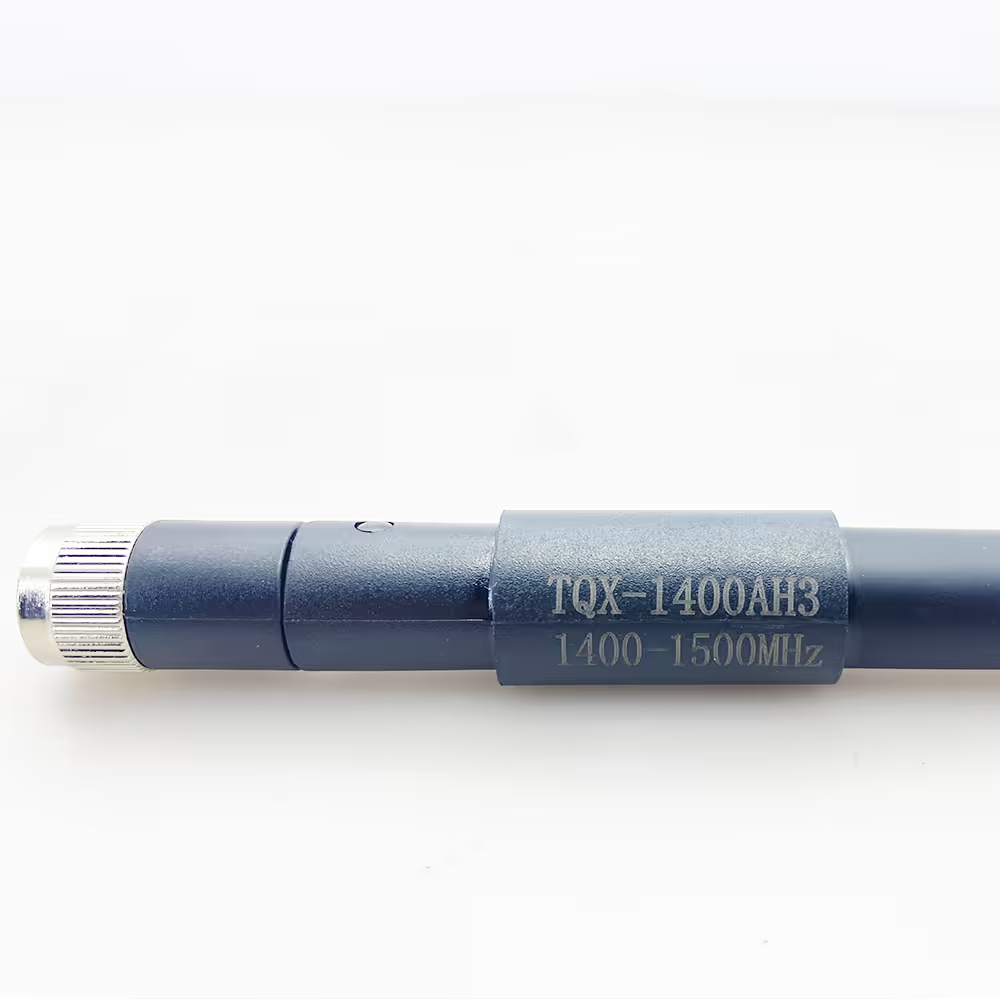
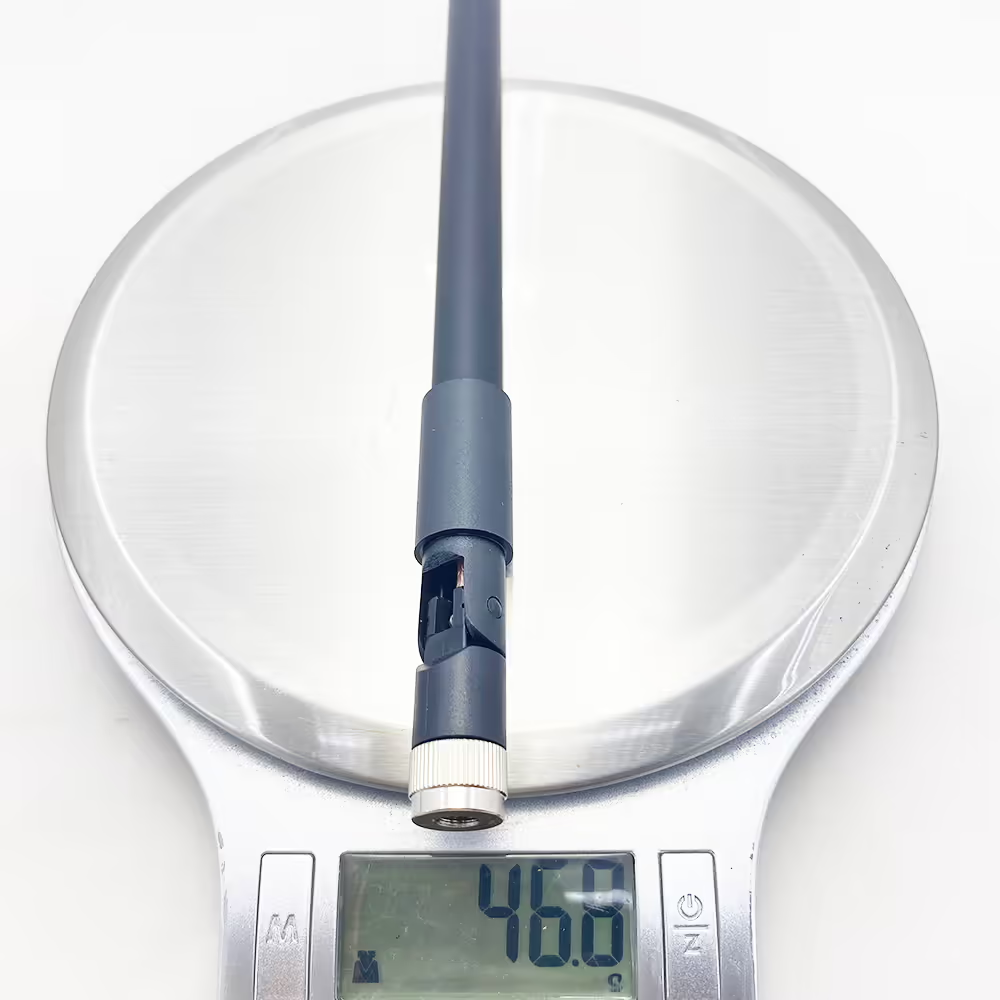
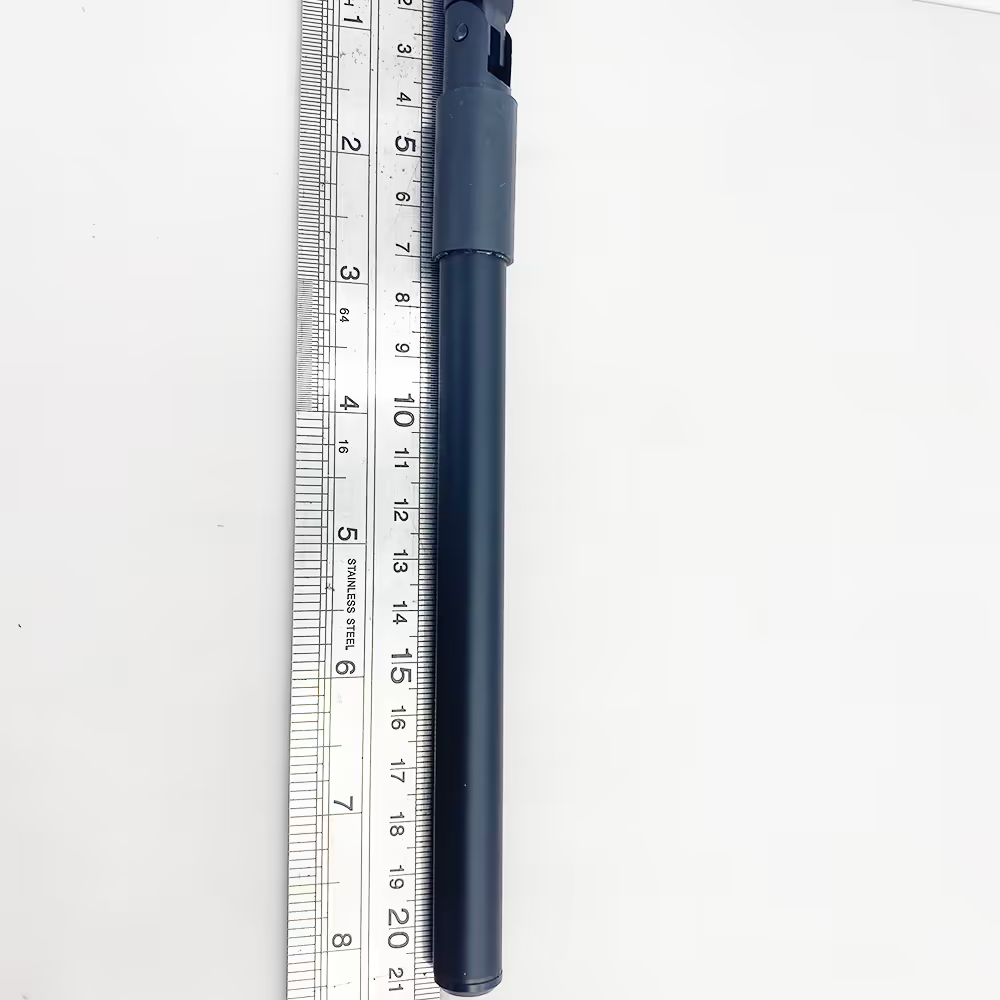
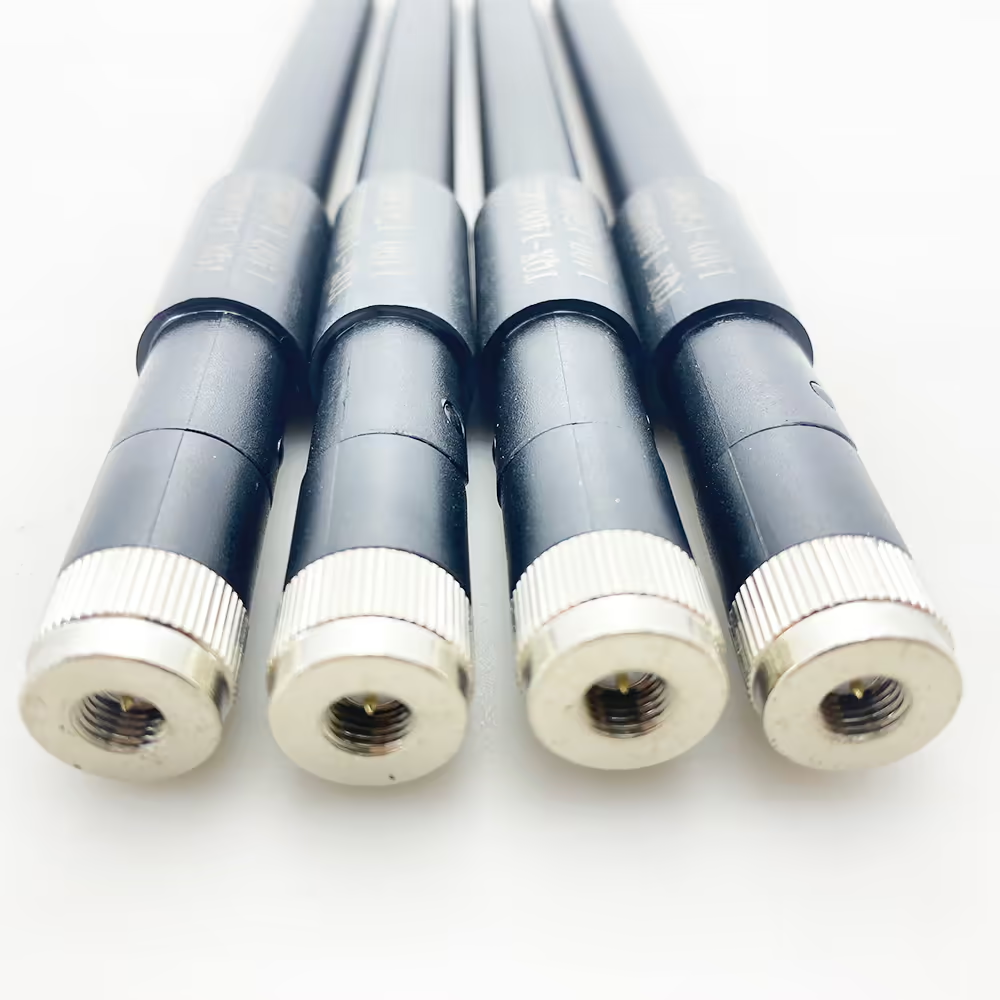

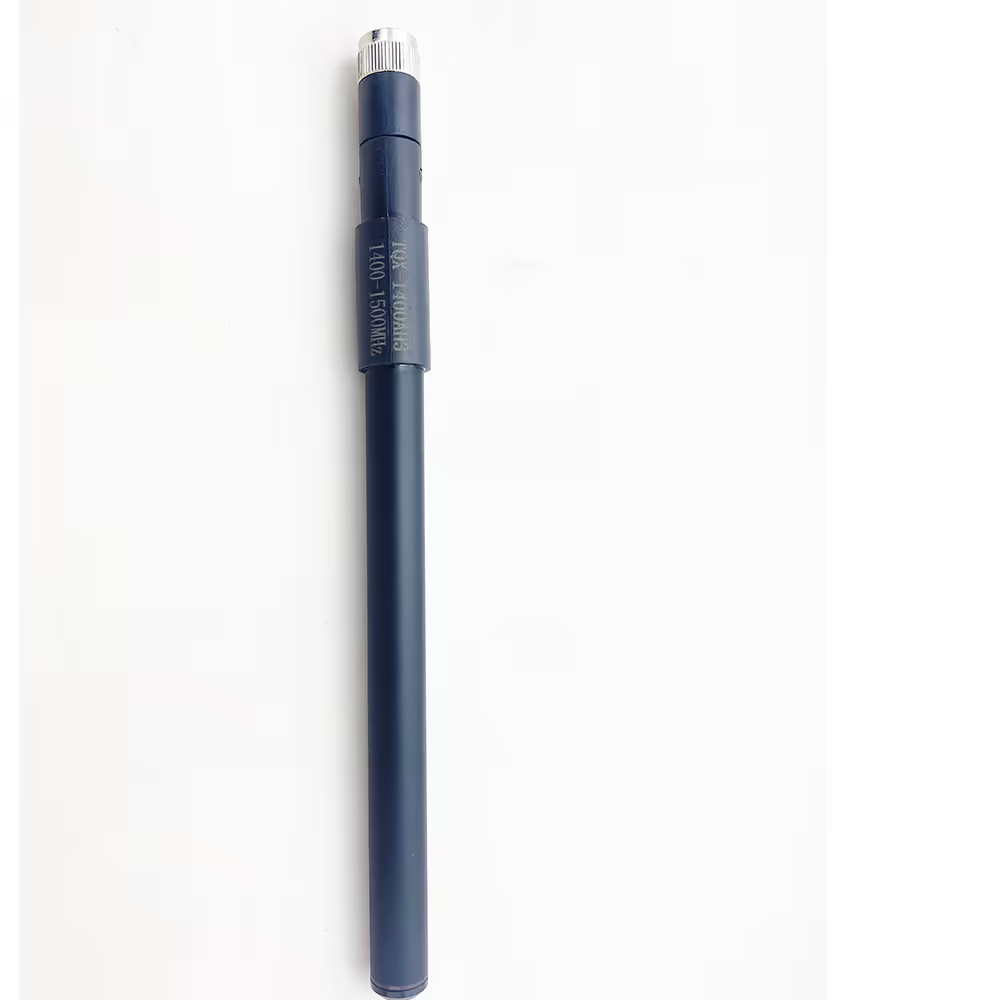
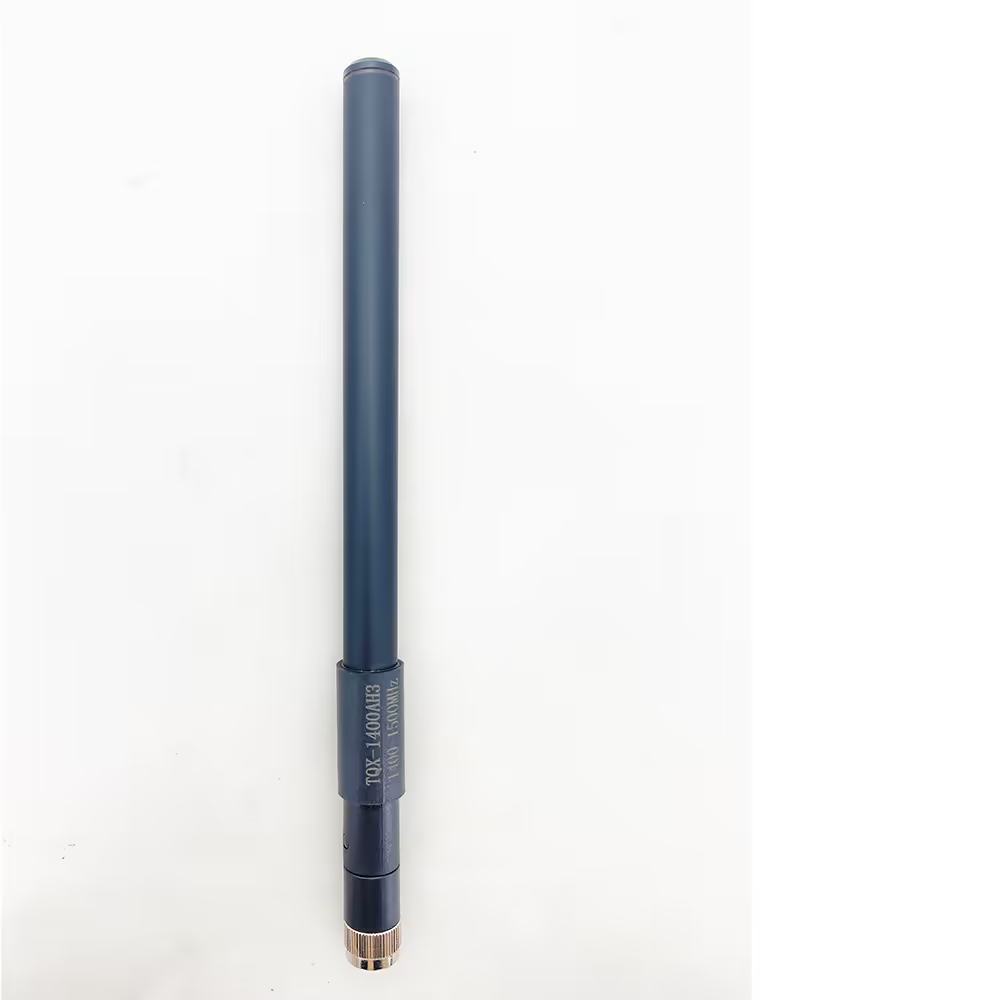
A lasikuitu ulkona monisuuntainen antenni on ulkokäyttöön suunniteltu antennityyppi, tyypillisesti langattomissa viestintäjärjestelmissä, kuten Wi-Fi, solukko (4G/5G), radio, tai IoT-sovelluksia. Tässä on erittely sen tärkeimmistä ominaisuuksista:
1. Lasikuitu rakentaminen
-
Valmistettu kestävästä lasikuitu materiaali, joka on säänkestävä, UV-suojattu, ja korroosionkestävä.
-
Kevyt mutta tukeva, joten se sopii erinomaisesti pitkäaikaiseen ulkoasennukseen.
2. Monisuuntainen säteilykuvio
-
Säteilee signaaleja tasaisesti kaikkiin suuntiin (360° vaakasuunnassa), joten se on ihanteellinen suurten alueiden peittämiseen ilman tarkkaa kohdistusta.
-
Soveltuu parhaiten sovelluksiin, joissa signaalit on jaettava tasaisesti antennin ympärille (ESIM., Wi-Fi-yhteyspisteet, mobiilitukiasemat).
3. Ulkokäyttöön
-
Suunniteltu kestämään ankaria sääolosuhteita (sade, lumi, tuuli, äärimmäiset lämpötilat).
-
Usein mukana tulee vedenpitävä tiiviste ja UV-kestävät pinnoitteet.
4. Yleiset sovellukset
-
Wi-Fi-verkot: Laajentaa langatonta kattavuutta ulkoalueilla (kampuksilla, puistot, teollisuusalueet).
-
Solu- & 4G/5G: Mobiilisignaalien tehostaminen syrjäisillä tai heikon peittoalueen alueilla.
-
Radio & TV-lähetykset: Käytetään FM-radiossa, amatööri (KINKKU) radio, tai digitaalisia TV-signaaleja.
-
Inho & M2M-viestintä: Tukee langattomia antureita, etävalvonta, ja älykkäät kaupunkilaitteet.
5. Tärkeimmät tiedot
-
Taajuusalue: Vaihtelee mallin mukaan (ESIM., 700MHz – 2700 MHz 4G/5G:lle, 2.4GHz/5GHz Wi-Fi:lle).
-
Saada: Tyypillisesti 3–10 dBi (suurempi vahvistus parantaa kantamaa, mutta voi hieman kaventaa pystysuuntaista peittoa).
-
Polarisaatio: Yleensä pystysuora (lineaarinen).
-
Liittimen tyyppi: Yleisiä vaihtoehtoja ovat mm N-tyyppinen, Lukio, tai RP-SMA RF-liitäntöihin.
6. Asennus
-
Asennetaan pylväisiin, katot, tai tornit puristimilla tai kiinnikkeillä.
-
Usein yhteen koaksiaalikaapelit ja salamansammuttimet ylijännitesuojaa varten.
Edut suunta-antenneihin verrattuna
-
Antennia ei tarvitse osoittaa tiettyyn suuntaan.
-
Parempi useiden antennin ympärillä olevien laitteiden peittämiseen.


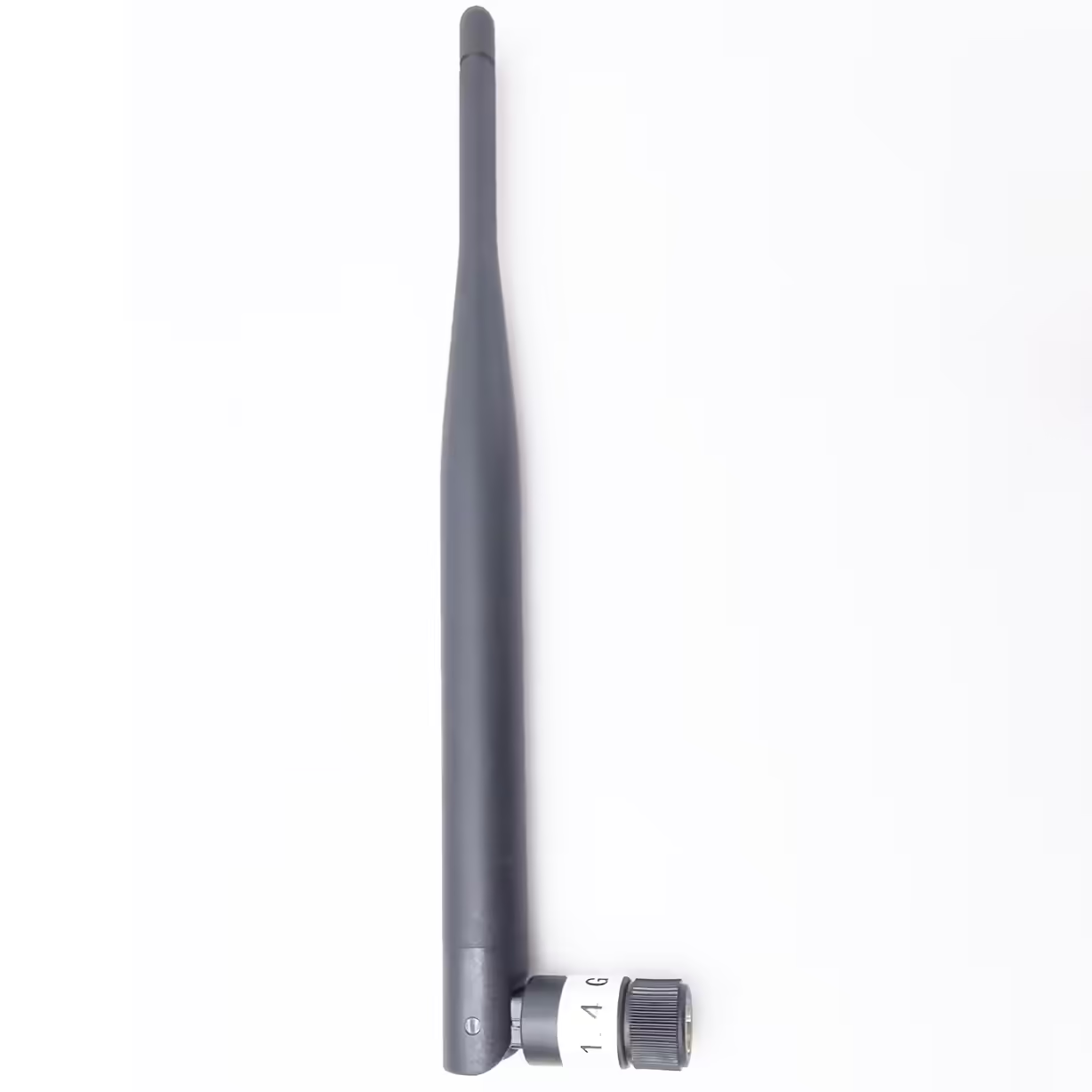


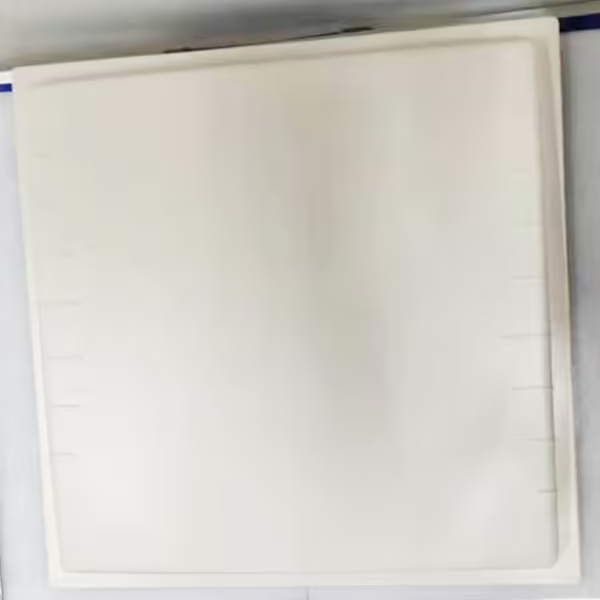


Charles –
Fantastinen päivitys! Tämä lasikuituantenni tarjoaa uskomattoman vahvan, selkeät signaalit kaikkialla. Helppo asentaa ulos ja kestää sadetta/tuulta täydellisesti. Huomattavasti parempi kantama ja vakaus verrattuna vanhaan antenniini – ei enää keskeyttäjiä! Omnisuuntainen peitto on erittäin kätevä. Suosittelen luotettavaa, vaivaton vastaanotto. Aseta se ja unohda se