
Nel collegamento wireless di trasmissione video e dati dei droni, viene utilizzato il principale sistema di controllo punto-punto, questo è, la modalità di rete di un trasmettitore e un ricevitore dal drone alla stazione di controllo a terra (GCS). Al fine di espandere meglio la rete di collegamenti di controllo dei droni e controllare una maggiore tecnologia di sciami di droni multi-nodo, sempre più richieste di mercato utilizzeranno la radio mesh anziché la tecnologia di rete wireless ad hoc. Questo blog discute l'applicazione della tecnologia attuale nei collegamenti dati dei droni.
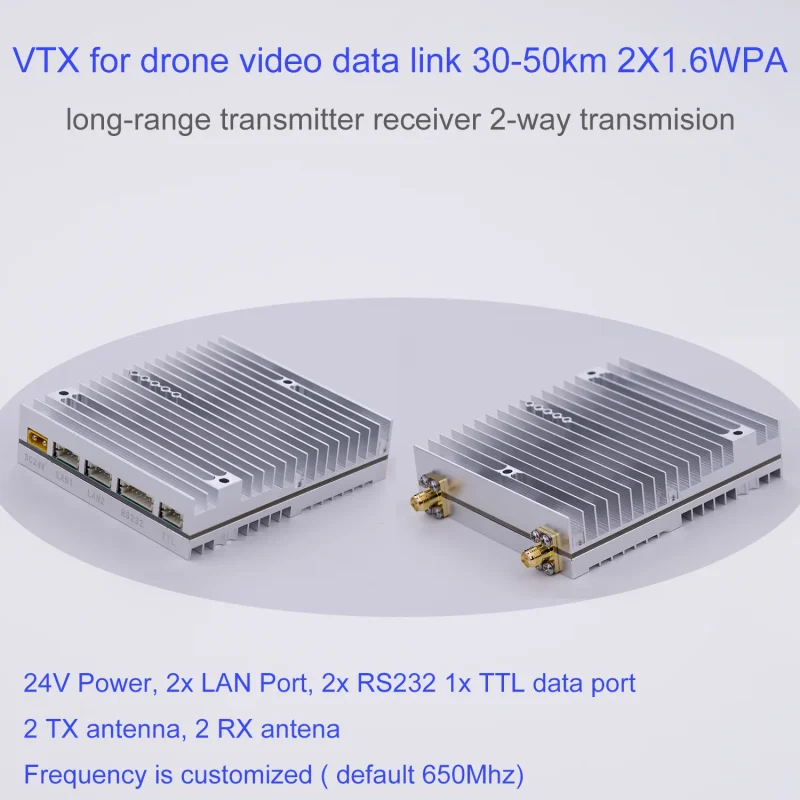
Nel mondo della comunicazione wireless, termini come Radio a maglie E Reti wireless ad hoc spesso emergono nelle discussioni sulla decentralizzazione, connettività senza infrastrutture. Sebbene condividano somiglianze, come il routing multi-hop e la partecipazione dinamica dei nodi, lo sono non è lo stesso. Analizziamo le loro differenze fondamentali, casi d'uso, e perché scegliere quello giusto è importante per le tue esigenze.
Che cos'è una rete wireless ad hoc?
UN Rete wireless ad hoc è un auto-organizzazione, sistema decentralizzato in cui i dispositivi (O “nodi”) connettersi direttamente tra loro senza fare affidamento sulle infrastrutture preesistenti come router o torri cellulari. Pensatelo come a “apparire” rete: i nodi si uniscono o escono dinamicamente, e ogni dispositivo agisce sia come a ricetrasmettitore. Tutti i nodi sono sia a trasmettitore e un ricevitore, e un ripetitore per inoltrare il traffico per altri.
Caratteristiche principali della rete wireless ad hoc
In alcune applicazioni di mercato, come spettacoli su larga scala o il fronte della guerra, i droni sono per lo più controllati da operatori coraggiosi, non ingegneri, e il metodo di networking deve essere adattato nel tempo in base alle esigenze della scena. Se il collegamento wireless necessita ancora di essere impostato secondo il tradizionale metodo punto-punto, un drone è un trasmettitore, l'altro drone è un ripetitore, e poi viene allestita una stazione di controllo a terra, questi ruoli e parametri di aggiustamento spesso perdono opportunità.
- Senza infrastrutture: Nessuna stazione base fissa o controllo centralizzato.
- Topologia dinamica: I nodi possono muoversi liberamente, provocando un rapido cambiamento della struttura della rete.
- Instradamento su richiesta: Protocolli come AODV (Vettore di distanza su richiesta ad hoc) o DSR (Instradamento dinamico della sorgente) consentire ai nodi di scoprire percorsi in tempo reale.
- Reti wireless ad hoc sono ideali per dinamico, missioni imprevedibili dove nodi (droni) muoversi costantemente.
Casi d'uso della rete wireless ad hoc:
- Ricognizione militare:
- Uno sciame di droni si infiltra nel territorio ostile, condivisione di video e dati in tempo reale.
- Protocolli ad hoc come AODV instradano dinamicamente i dati evitando i tentativi di jamming.
- Vantaggio: Nessuna dipendenza da infrastrutture centralizzate vulnerabili.
- Ricerca e salvataggio:
- I droni esplorano gli edifici crollati, formando una rete ad hoc per individuare la posizione delle vittime.
- I nodi si uniscono/escono quando i droni entrano o escono dal raggio del segnale.
- Vantaggio: Implementazione rapida senza pianificazione anticipata.
- Copertura dell'evento:
- I droni che filmano una maratona o un concerto si auto-organizzano in una rete peer-to-peer.
- I feed video saltano tra i droni per evitare reti cellulari congestionate.
- Vantaggio: La condivisione della larghezza di banda riduce i colli di bottiglia nella trasmissione.
- Comunicazioni militari sul campo di battaglia.
- Operazioni di soccorso in caso di calamità (per esempio., reti temporanee per le squadre di soccorso).
- Condivisione di file peer-to-peer in conferenze o eventi all'aperto.
Che cos'è una rete radio mesh?
UN Rete radio mesh (o semplicemente “Rete a maglie”) è un tipo di rete wireless che utilizza nodi interconnessi per trasmettere i dati su più hop. A differenza delle reti ad hoc pure, le reti mesh spesso includono nodi infrastrutturali dedicati (per esempio., router mesh) stabilizzare la rete ed estendere la copertura.
Caratteristiche principali della radio Mesh:
Il trasmettitore e ricevitore per droni basato sulla tecnologia Mesh Radio non richiede complicate preimpostazioni e può aumentare o diminuire il numero di droni in volo in qualsiasi momento. Anche se il drone relè viene smarrito, altri droni assumeranno immediatamente il compito di trasmettere dati e video.
- Architettura ibrida: Combina nodi fissi (per esempio., router mesh) con dispositivi mobili.
- Topologia stabile: I nodi sono spesso semipermanenti, ottimizzare i percorsi per l'affidabilità.
- Focus QoS: Dà priorità alla gestione della larghezza di banda e alla bassa latenza per applicazioni come lo streaming video.
- Rete radio mesh eccelle negli scenari che richiedono stabile, connettività a lungo raggio e copertura senza soluzione di continuità.
Casi d'uso della radio mesh:
- Monitoraggio agricolo:
- Droni dotati di telecamere multispettrali sorvegliano vasti terreni agricoli.
- I router mesh posizionati ai bordi del campo fungono da nodi backbone, trasmissione dei dati a un hub centrale.
- Vantaggio: Copertura costante anche in aree remote.
- Sorveglianza della città intelligente:
- I droni municipali pattugliano le infrastrutture critiche (per esempio., linee elettriche, ponti).
- I nodi mesh fissi su lampioni o edifici garantiscono un trasferimento dati ininterrotto.
- Vantaggio: QoS prioritario per analisi video e avvisi di emergenza.
- Ripristino di emergenza:
- Dopo un uragano, i droni mappano le strade bloccate dai detriti.
- Una rete mesh temporanea collega i droni alle squadre di terra tramite backhaul satellitare.
- Vantaggio: Scalabile e indipendente dall'infrastruttura.
- Multi-drone e Multi-GCS (stazione di controllo a terra) per il trasmettitore e il ricevitore UAV.
- Sistemi Wi-Fi per tutta la casa (per esempio., Google Nest Wifi).
- Implementazioni IoT nelle città intelligenti (per esempio., lampioni collegati).
- Automazione industriale in grandi strutture.
Maglia contro. A questo: Un confronto fianco a fianco
| Aspetto | Rete a maglie | Rete wireless ad hoc |
|---|---|---|
| Infrastruttura | Può utilizzare router fissi per il supporto della dorsale | Nessuna infrastruttura; puramente peer-to-peer |
| Stabilità della topologia | Relativamente stabile, ottimizzato per la copertura | Altamente dinamico, si adatta alla mobilità dei nodi |
| Protocolli di instradamento | OLSR, BATMAN (instradamento proattivo) | AODV, DSR (instradamento reattivo) |
| Durata della distribuzione | A lungo termine (mesi/anni) | A breve termine (ore/giorni) |
| Applicazioni tipiche | Internet domestico, reti aziendali | Risposta all'emergenza, unità militari mobili |
I droni stanno rivoluzionando i settori, dalla produzione cinematografica alla risposta ai disastri, ma la loro efficacia dipende da un fattore critico: comunicazione affidabile. Che si tratti di trasmettere video ad alta definizione in tempo reale o di coordinare sciami di droni autonomi, la scelta dell'architettura di rete—Radio a maglie O Reti wireless ad hoc– può determinare il successo o il fallimento della missione.
Perché i droni necessitano di reti wireless avanzate
I droni generano enormi carichi di dati, soprattutto durante lo streaming di video 4K/8K o scansioni LiDAR. Operano anche in ambienti dinamici dove le infrastrutture tradizionali (per esempio., torri cellulari) potrebbe non essere disponibile o essere sovraccarico. I requisiti chiave includono:
- Semplicità del networking: Gli operatori non hanno bisogno di padroneggiare complessi parametri di modulazione in loco e costi di apprendimento.
- Rete veloce: Funzionamento comodo e semplice, la rete può essere stabilita automaticamente dopo l'accensione.
- Bassa latenza: Per controllo in tempo reale e feedback video.
- Larghezza di banda elevata: Per gestire video HD e dati del sensore.
- Resilienza della rete: Per adattarsi alla mobilità dei nodi o alle interferenze del segnale
Conclusione
Dalla cattura di filmati cinematografici al salvataggio di vite umane in caso di catastrofi, i droni richiedono reti agili e resistenti quanto loro. Rete radio mesh fornire la spina dorsale per strutturato, operazioni ad alto rendimento, Mentre Reti wireless ad hoc potenziare spontaneamente, missioni adattive. Con l’emergere di architetture ibride e protocolli di nuova generazione, i droni spingeranno i confini di ciò che è possibile, senza vincoli.
Maggiori informazioni sui prodotti radio mesh IP per droni, per favore visita https://ivcan.com/t/ip-mesh/.
Fai una domanda
Grazie per la risposta. ✨