
في وصلة نقل الفيديو والبيانات اللاسلكية للطائرات بدون طيار, يتم استخدام نظام التحكم الرئيسي من نقطة إلى نقطة, إنه, وضع الشبكة لجهاز الإرسال والاستقبال من الطائرة بدون طيار إلى محطة التحكم الأرضية (جي سي اس). من أجل توسيع شبكة رابط التحكم في الطائرات بدون طيار بشكل أفضل والتحكم في المزيد من تكنولوجيا سرب الطائرات بدون طيار متعددة العقد, ستستخدم المزيد والمزيد من طلبات السوق تقنية الشبكة اللاسلكية المخصصة للراديو الشبكي مقابل. تناقش هذه المدونة تطبيق التكنولوجيا الحالية في روابط بيانات الطائرات بدون طيار.
في عالم الاتصالات اللاسلكية, مصطلحات مثل راديو شبكي و الشبكات اللاسلكية المخصصة غالبًا ما تظهر في المناقشات حول اللامركزية, اتصال خالي من البنية التحتية. على الرغم من أنها تشترك في أوجه التشابه - مثل التوجيه متعدد القفزات والمشاركة الديناميكية للعقدة - إلا أنها كذلك ليس نفس الشيء. دعونا نحلل خلافاتهم الأساسية, حالات الاستخدام, ولماذا اختيار الخيار المناسب مهم لاحتياجاتك.
ما هي الشبكة اللاسلكية المخصصة?
أ شبكة لاسلكية مخصصة هو التنظيم الذاتي, نظام لامركزي حيث الأجهزة (أو “العقد”) الاتصال مباشرة ببعضها البعض دون الاعتماد على البنية التحتية الموجودة مسبقا مثل أجهزة التوجيه أو الأبراج الخلوية. فكر في الأمر على أنه “يظهر فجأة” شبكة: العقد تنضم أو تغادر ديناميكيًا, ويعمل كل جهاز على حد سواء أ جهاز الإرسال والاستقبال. كل العقدة هي أ الارسال و أ المتلقي, و أ مكرر لنقل حركة المرور للآخرين.
الميزات الرئيسية للشبكة اللاسلكية المخصصة
في بعض تطبيقات السوق, مثل العروض واسعة النطاق أو الخطوط الأمامية للحرب, يتم التحكم في الطائرات بدون طيار في الغالب بواسطة مشغلين شجعان, وليس المهندسين, ويجب تعديل طريقة التواصل في الوقت المناسب وفقًا لاحتياجات المشهد. إذا كان الارتباط اللاسلكي لا يزال بحاجة إلى الإعداد وفقًا للطريقة التقليدية من نقطة إلى نقطة, طائرة بدون طيار واحدة هي جهاز إرسال, الطائرة بدون طيار الأخرى هي مكرر, ومن ثم يتم إنشاء محطة التحكم الأرضية, غالبًا ما تفوت هذه الأدوار ومعايير التعديل الفرص.
- خالية من البنية التحتية: لا توجد محطات قاعدة ثابتة أو تحكم مركزي.
- الطوبولوجيا الديناميكية: العقد يمكن أن تتحرك بحرية, مما يتسبب في تغيير بنية الشبكة بسرعة.
- التوجيه عند الطلب: بروتوكولات مثل AODV (ناقل المسافة المخصص حسب الطلب) أو دي إس آر (توجيه المصدر الديناميكي) تمكين العقد من اكتشاف المسارات في الوقت الحقيقي.
- الشبكات اللاسلكية المخصصة مثالية ل متحرك, مهمات لا يمكن التنبؤ بها حيث العقد (طائرات بدون طيار) التحرك باستمرار.
حالات استخدام الشبكة اللاسلكية المخصصة:
- الاستطلاع العسكري:
- سرب من الطائرات بدون طيار يتسلل إلى الأراضي المعادية, مشاركة الفيديو والبيانات في الوقت الحقيقي.
- تقوم البروتوكولات المخصصة مثل AODV بتوجيه البيانات ديناميكيًا حول محاولات التشويش.
- ميزة: عدم الاعتماد على البنية التحتية المركزية الضعيفة.
- البحث والإنقاذ:
- طائرات بدون طيار تستكشف المباني المنهارة, تشكيل شبكة مخصصة لنقل مواقع الضحايا.
- تنضم/تغادر العقد عندما تدخل الطائرات بدون طيار أو تخرج من نطاق الإشارة.
- ميزة: الانتشار السريع دون تخطيط مسبق.
- تغطية الحدث:
- تقوم الطائرات بدون طيار التي تصور ماراثونًا أو حفلًا موسيقيًا بتنظيم نفسها في شبكة نظير إلى نظير.
- تتنقل مقاطع الفيديو بين الطائرات بدون طيار لتجنب ازدحام الشبكات الخلوية.
- ميزة: تعمل مشاركة النطاق الترددي على تقليل اختناقات الإرسال.
- الاتصالات العسكرية في ساحة المعركة.
- عمليات الإغاثة في حالات الكوارث (على سبيل المثال, شبكات مؤقتة لفرق الإنقاذ).
- مشاركة الملفات من نظير إلى نظير في المؤتمرات أو الأحداث الخارجية.
ما هي شبكة الراديو الشبكية?
أ شبكة راديو مش (أو ببساطة “شبكة شبكية”) هو نوع من الشبكات اللاسلكية التي تستخدم العقد المترابطة لترحيل البيانات عبر القفزات المتعددة. على عكس الشبكات المخصصة البحتة, غالبًا ما تتضمن الشبكات المتداخلة عقد البنية التحتية المخصصة (على سبيل المثال, أجهزة التوجيه شبكة) لتحقيق الاستقرار في الشبكة وتوسيع التغطية.
الميزات الرئيسية لراديو الشبكة:
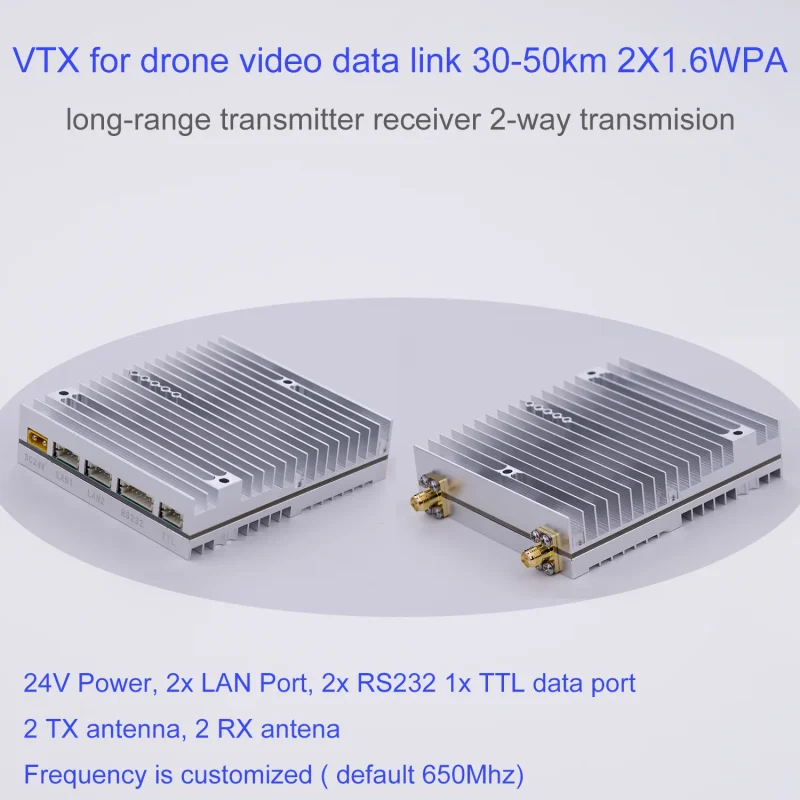
لا يتطلب جهاز الإرسال والاستقبال بدون طيار المعتمد على تقنية Mesh Radio إعدادات مسبقة معقدة ويمكنه زيادة أو تقليل عدد الطائرات بدون طيار في الهواء في أي وقت. حتى لو فقدت الطائرة بدون طيار, وستتولى طائرات بدون طيار أخرى على الفور مهمة نقل البيانات والفيديو.
- العمارة الهجينة: يجمع بين العقد الثابتة (على سبيل المثال, أجهزة التوجيه شبكة) مع الأجهزة المحمولة.
- طوبولوجيا مستقرة: العقد غالبًا ما تكون شبه دائمة, تحسين الطرق من أجل الموثوقية.
- التركيز على جودة الخدمة: يعطي الأولوية لإدارة النطاق الترددي وزمن الوصول المنخفض لتطبيقات مثل بث الفيديو.
- شبكة راديو مش يتفوق في السيناريوهات التي تتطلب مستقر, اتصال طويل المدى وتغطية سلسة.
حالات استخدام شبكة الراديو:
- المراقبة الزراعية:
- تقوم الطائرات بدون طيار المجهزة بكاميرات متعددة الأطياف بمسح الأراضي الزراعية الشاسعة.
- تعمل أجهزة التوجيه الشبكية الموضوعة على حواف الحقل كعقد أساسية, نقل البيانات إلى محور مركزي.
- ميزة: تغطية متسقة حتى في المناطق النائية.
- مراقبة المدينة الذكية:
- تقوم الطائرات بدون طيار التابعة للبلدية بدوريات في البنية التحتية الحيوية (على سبيل المثال, خطوط الكهرباء, الجسور).
- تضمن العقد الشبكية الثابتة على أعمدة الإنارة أو المباني ترحيل البيانات دون انقطاع.
- ميزة: إعطاء الأولوية لجودة الخدمة لتحليلات الفيديو وتنبيهات الطوارئ.
- التعافي من الكوارث:
- بعد الإعصار, الطائرات بدون طيار ترسم خريطة للطرق المسدودة بالحطام.
- تربط شبكة شبكية مؤقتة الطائرات بدون طيار بالفرق الأرضية عبر وصلات الأقمار الصناعية.
- ميزة: قابلة للتطوير ومستقلة عن البنية التحتية.
- متعددة الطائرات بدون طيار ومتعددة GCS (محطة التحكم الأرضية) لجهاز إرسال واستقبال الطائرات بدون طيار.
- أنظمة واي فاي منزلية كاملة (على سبيل المثال, جوجل نيست واي فاي).
- نشر إنترنت الأشياء في المدن الذكية (على سبيل المثال, مصابيح الشوارع المتصلة).
- الأتمتة الصناعية في المنشآت الكبيرة.
شبكة مقابل. الى هذا: مقارنة جنبا إلى جنب
| وجه | شبكة شبكية | شبكة لاسلكية مخصصة |
|---|---|---|
| بنية تحتية | قد يستخدم أجهزة التوجيه الثابتة لدعم العمود الفقري | لا البنية التحتية; محض نظير إلى نظير |
| استقرار الطوبولوجيا | مستقرة نسبيا, الأمثل للتغطية | ديناميكية للغاية, يتكيف مع تنقل العقدة |
| بروتوكولات التوجيه | أولسر, باتمان (التوجيه الاستباقي) | AODV, DSR (التوجيه التفاعلي) |
| عمر النشر | على المدى الطويل (أشهر / سنوات) | قصير المدى (ساعات / أيام) |
| التطبيقات النموذجية | إنترنت منزلي, شبكات المؤسسة | الاستجابة للطوارئ, وحدات عسكرية متنقلة |
تُحدث الطائرات بدون طيار ثورة في الصناعات بدءًا من صناعة الأفلام وحتى الاستجابة للكوارث, لكن فعاليتها تتوقف على عامل حاسم واحد: اتصالات موثوقة. سواء كان ذلك من خلال نقل فيديو عالي الوضوح في الوقت الفعلي أو تنسيق أسراب من الطائرات بدون طيار المستقلة, اختيار بنية الشبكة -راديو شبكي أو الشبكات اللاسلكية المخصصة- يمكن أن يؤدي إلى نجاح المهمة أو كسرها.
لماذا تحتاج الطائرات بدون طيار إلى شبكات لاسلكية متقدمة؟
تولد الطائرات بدون طيار كميات هائلة من البيانات, خاصة عند بث فيديو بدقة 4K/8K أو عمليات المسح الضوئي بتقنية LiDAR. كما أنها تعمل في بيئات ديناميكية حيث البنية التحتية التقليدية (على سبيل المثال, أبراج الخلوية) قد تكون غير متوفرة أو مثقلة. تشمل المتطلبات الرئيسية:
- بساطة الشبكات: لا يحتاج المشغلون إلى إتقان معلمات التعديل المعقدة في الموقع وتكاليف التعلم.
- التواصل السريع: عملية مريحة وبسيطة, يمكن إنشاء الشبكة تلقائيًا بعد تشغيلها.
- الكمون المنخفض: للتحكم في الوقت الحقيقي وردود الفعل الفيديو.
- عرض النطاق الترددي العالي: للتعامل مع الفيديو عالي الدقة وبيانات الاستشعار.
- مرونة الشبكة: للتكيف مع تنقل العقدة أو تداخل الإشارة
خاتمة
من التقاط لقطات سينمائية إلى إنقاذ الأرواح في الكوارث, تتطلب الطائرات بدون طيار شبكات مرنة ومرنة مثلها. شبكة راديو مش توفير العمود الفقري للهيكلية, عمليات عالية الإنتاجية, بينما الشبكات اللاسلكية المخصصة تمكين عفوية, البعثات التكيفية. مع ظهور البنى الهجينة وبروتوكولات الجيل التالي, ستدفع الطائرات بدون طيار حدود ما هو ممكن، دون أي قيود.
المزيد عن منتجات الراديو الشبكية IP للطائرات بدون طيار, يرجى زيارة https://ivcan.com/t/ip-mesh/.
اطرح سؤالاً
شكرًا لردكم ✨