
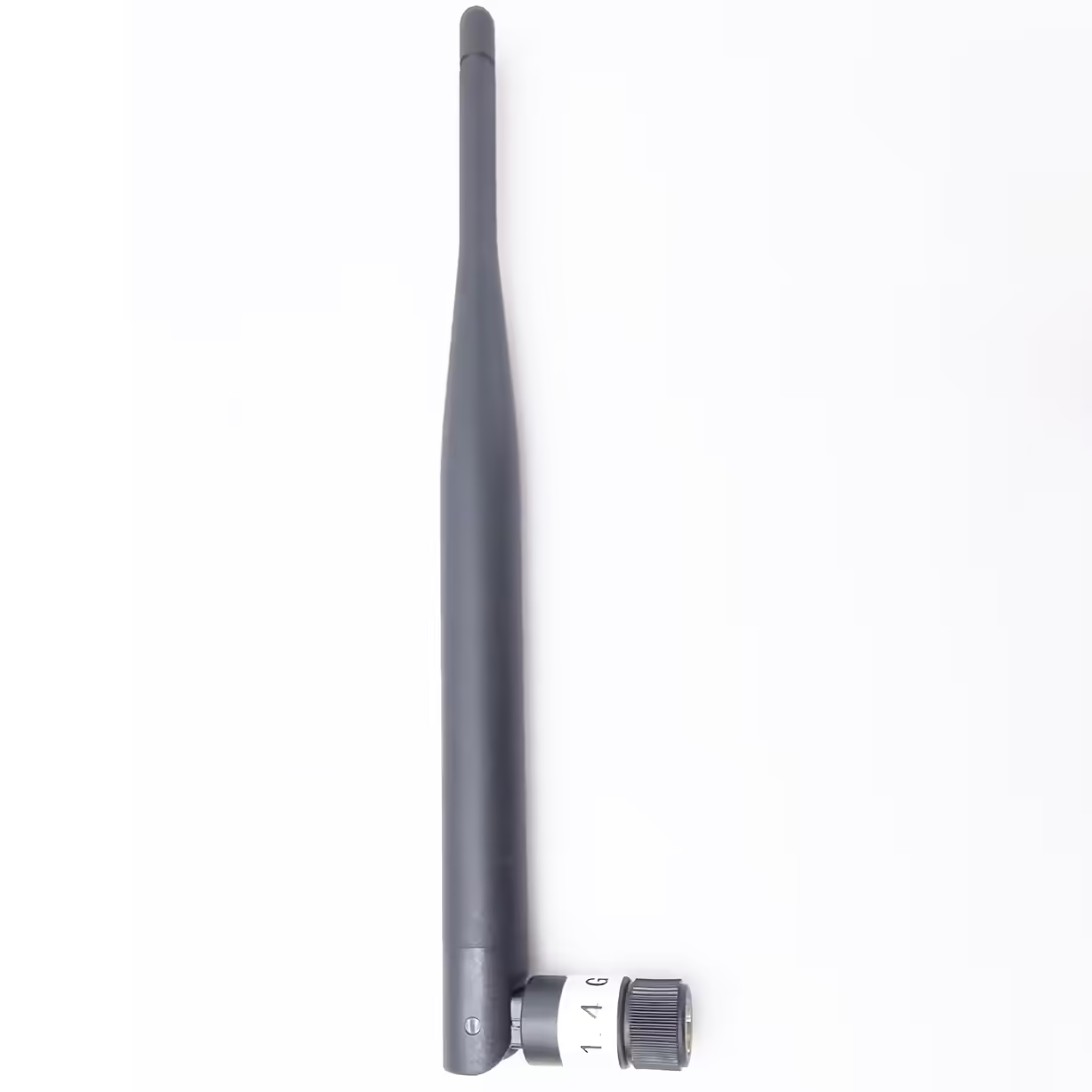
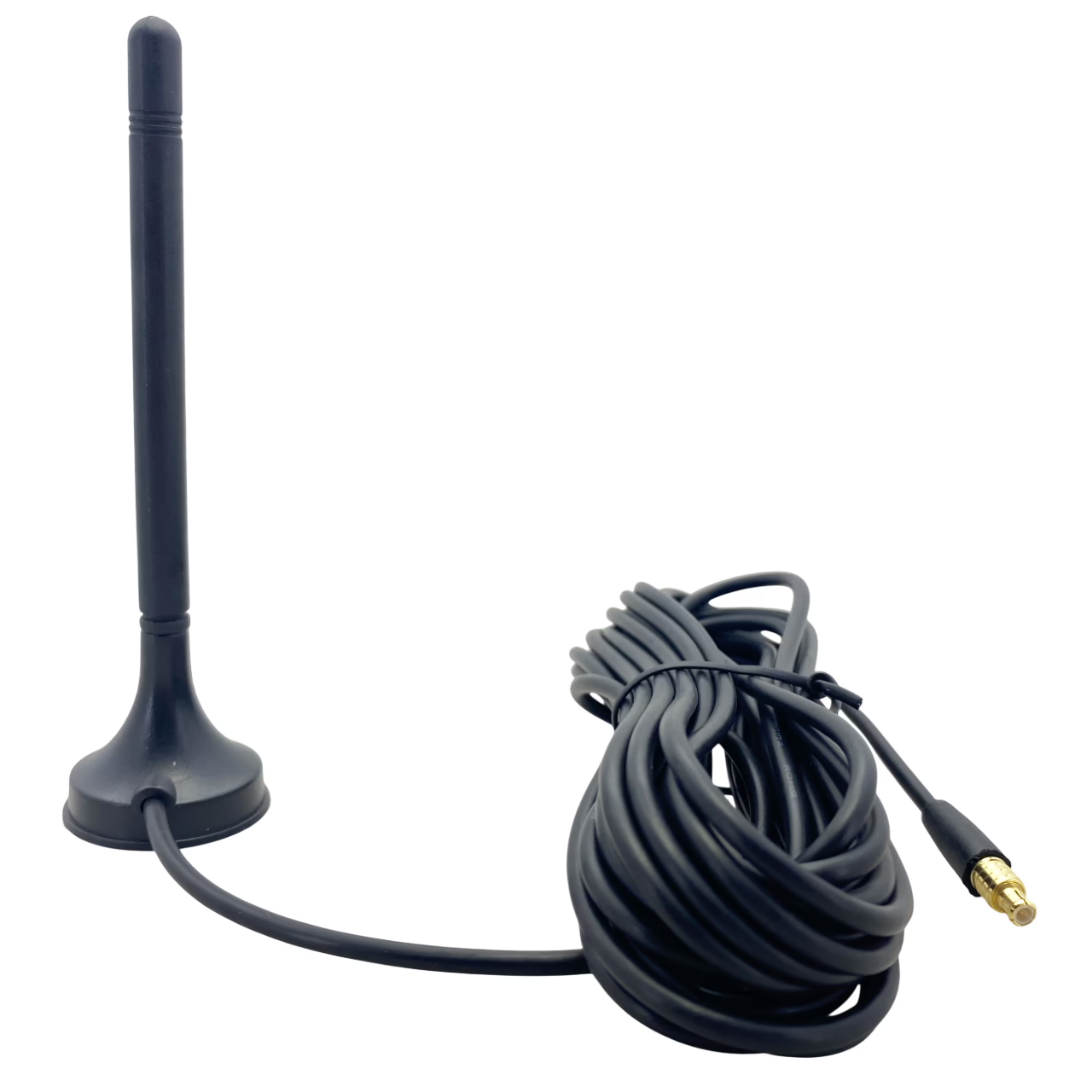
Fiberglass outdoor omnidirectional antenna
| Categoria | Flexible fiberglass reinforced plastic |
| Modelo | TQX-1400AH3 |
| Frequency Range-MHZ | 1400-1500 |
| Bandwidth-MHZ | 100 |
| Gain-dBi | 3 |
| Vswr | ≦1.5 |
| Nominal Impedance-Ω | 50 |
| Polarização | Vertical |
| Maximum Power-W | 30 |
| Dimension-cm | 21 |
| Weight-g | 50 |
| Conector | SMA Flexible fiberglass reinforced plastic |
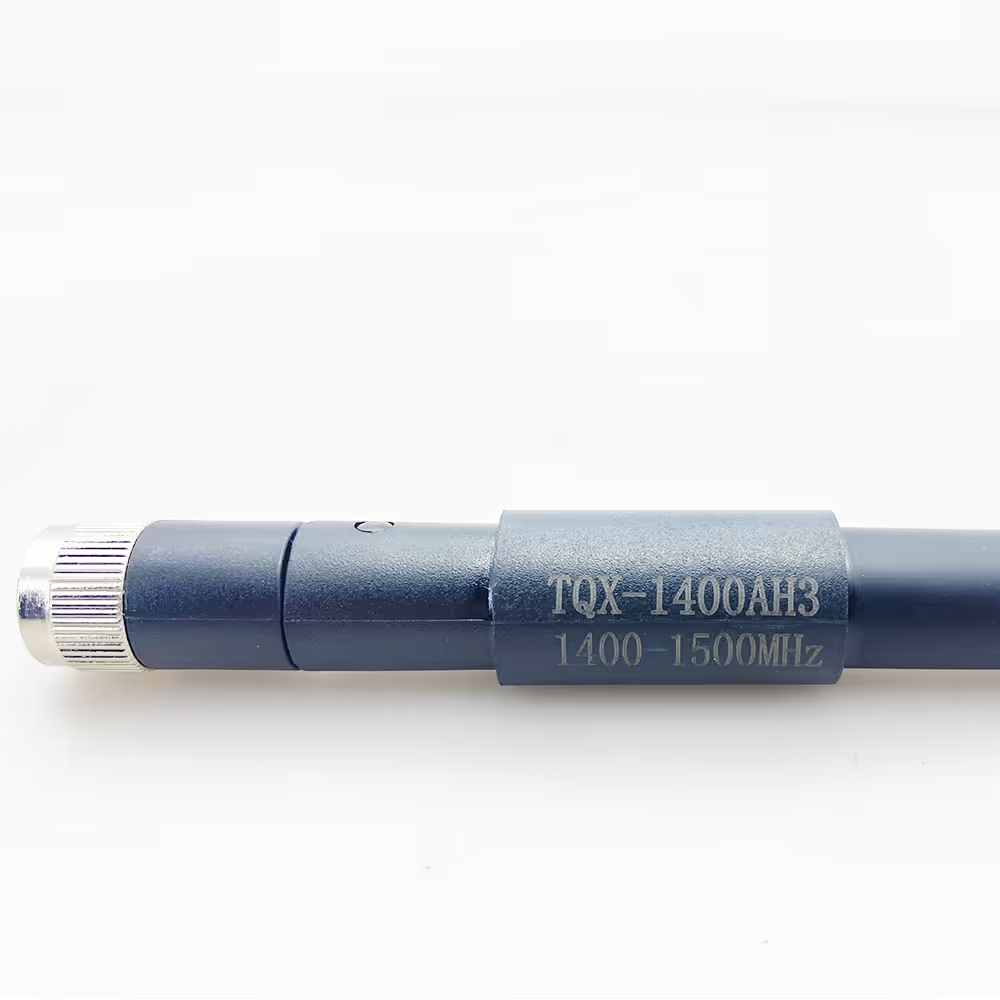
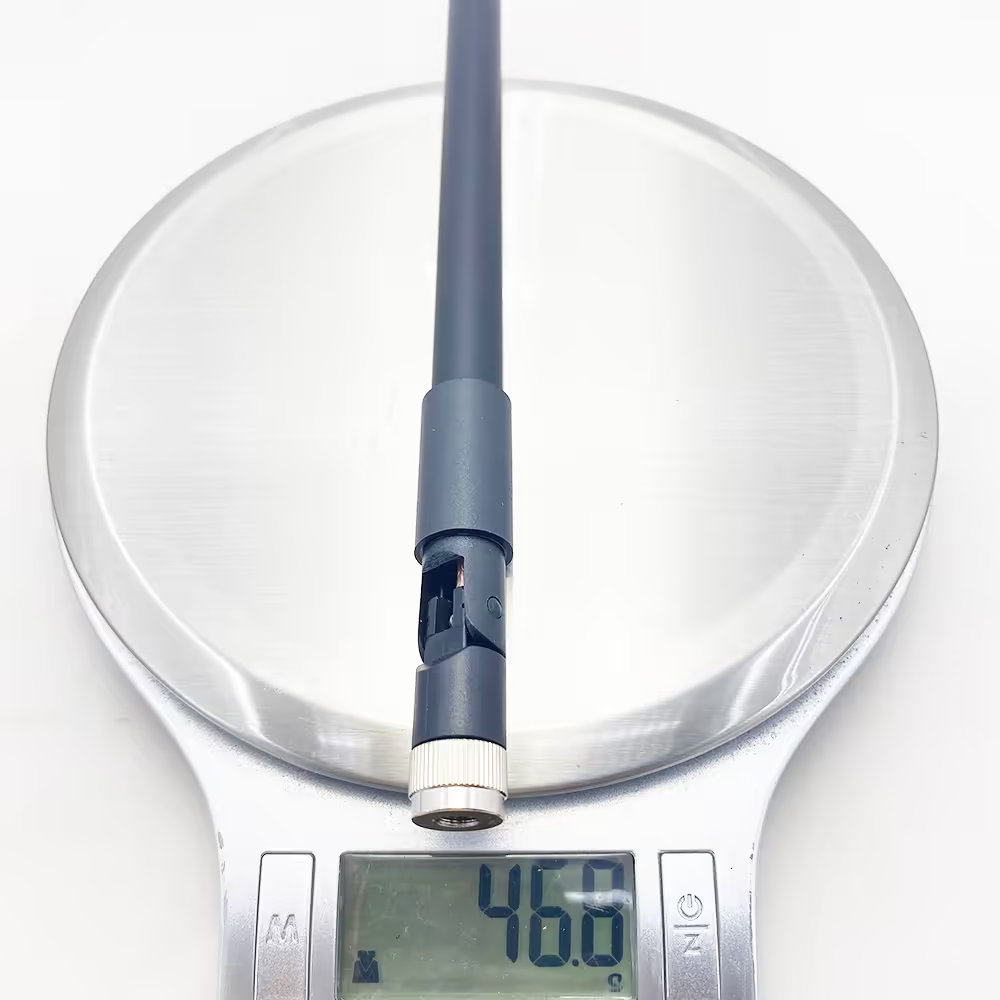
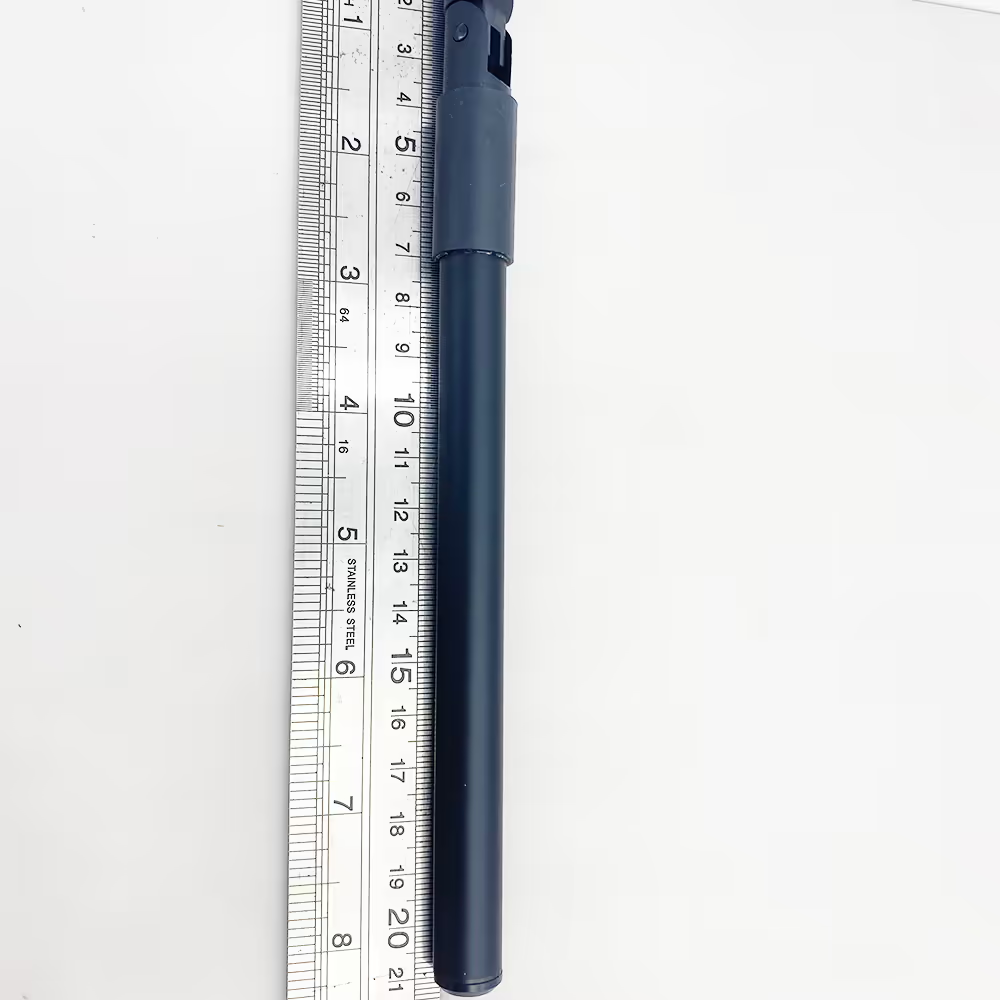
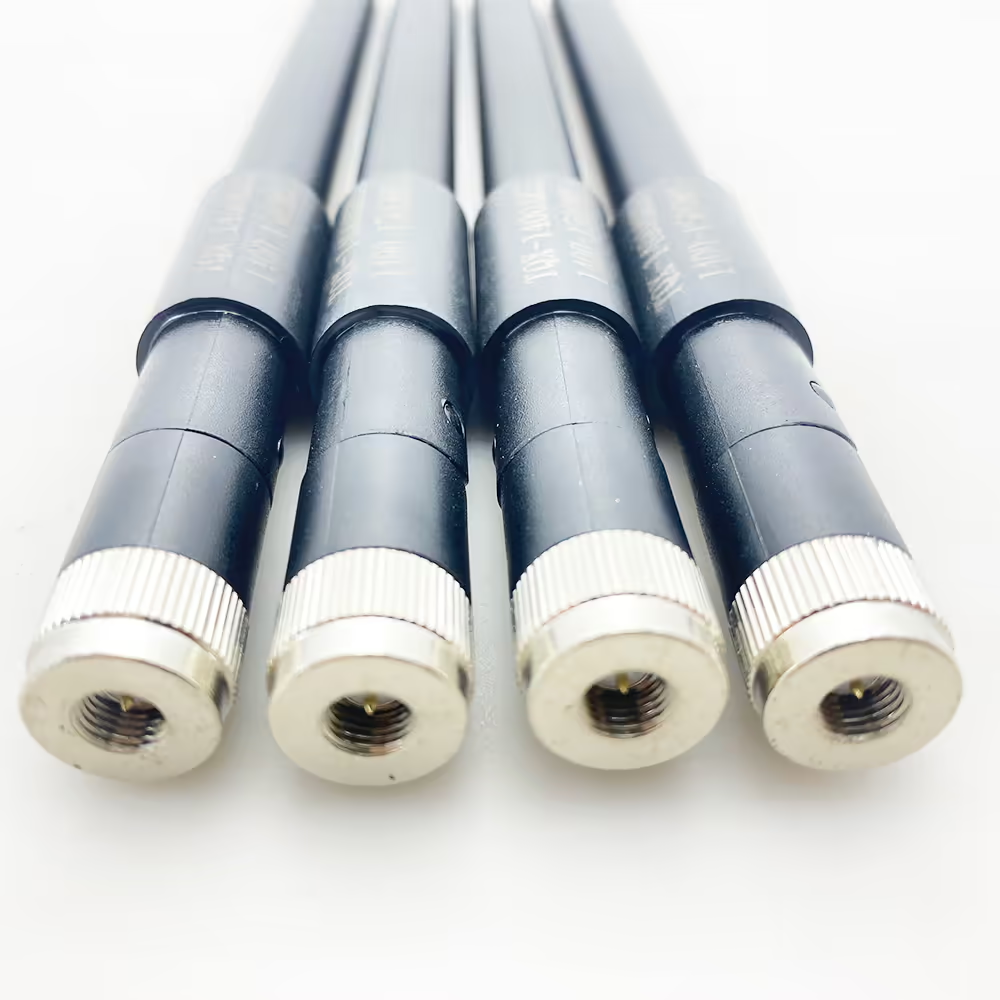

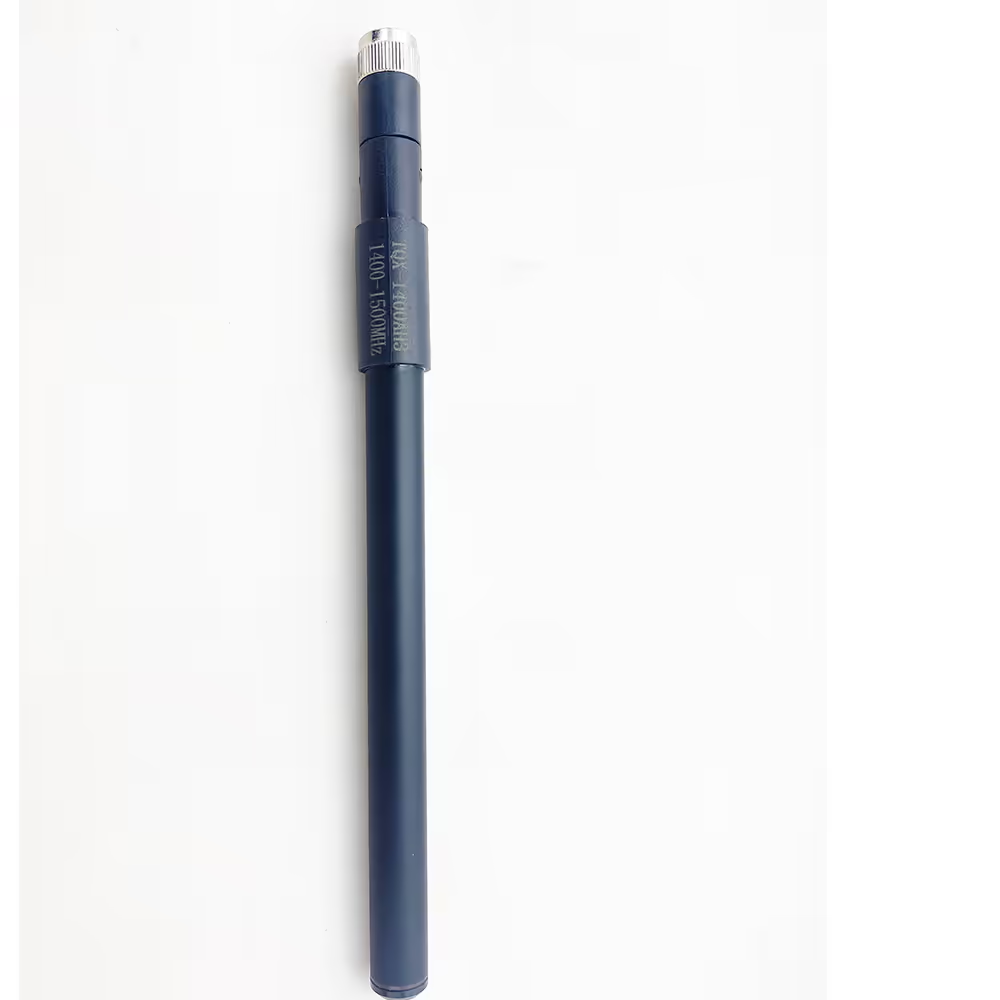
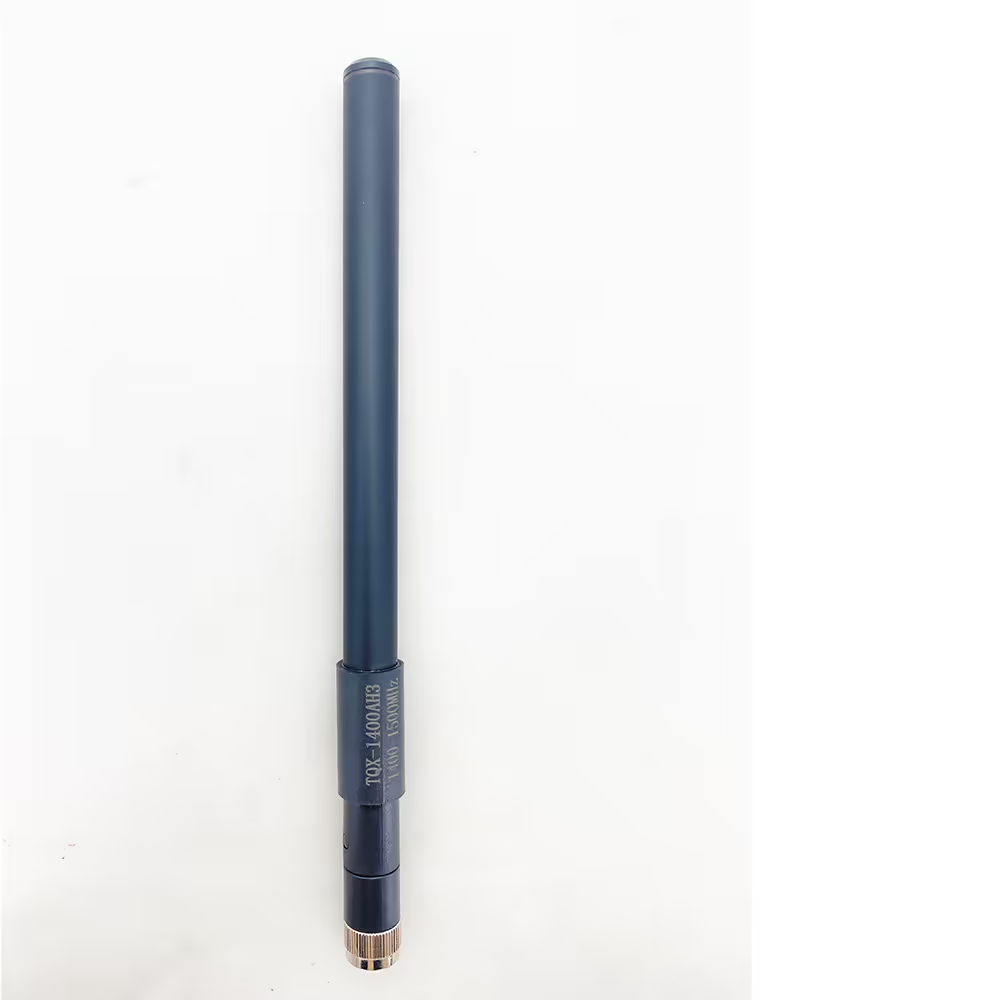
UM fiberglass outdoor omnidirectional antenna is a type of antenna designed for outdoor use, typically in wireless communication systems such as Wi-Fi, cellular (4G/5G), radio, or IoT applications. Here’s a breakdown of its key features:
1. Fiberglass Construction
-
Made from durable fiberglass material, which is weather-resistant, UV-protected, and corrosion-proof.
-
Lightweight yet sturdy, making it ideal for long-term outdoor installation.
2. Omnidirectional Radiation Pattern
-
Radiates signals equally in all directions (360° horizontally), making it ideal for covering large areas without needing precise alignment.
-
Best suited for applications where signals need to be distributed uniformly around the antenna (Por exemplo, Hotspots Wi-Fi, mobile base stations).
3. Outdoor Use
-
Designed to withstand harsh weather conditions (rain, neve, wind, extreme temperatures).
-
Often comes with waterproof sealing and UV-resistant coatings.
4. Common Applications
-
Wi-Fi Networks: Extending wireless coverage in outdoor areas (campuses, parques, industrial sites).
-
Cellular & 4G/5G: Boosting mobile signals in remote or weak-coverage areas.
-
Radio & TV Broadcasting: Used in FM radio, amateur (HAM) radio, or digital TV signals.
-
IoT & M2M Communication: Supporting wireless sensors, remote monitoring, and smart city devices.
5. Especificações principais
-
Faixa de frequência: Varies by model (Por exemplo, 700MHz–2700MHz for 4G/5G, 2.4GHz/5GHz for Wi-Fi).
-
Ganho: Typically 3–10 dBi (higher gain improves range but may slightly narrow vertical coverage).
-
Polarização: Usually vertical (linear).
-
Tipo de conector: Common options include N-type, SMA, or RP-SMA for RF connections.
6. Installation
-
Mounted on poles, rooftops, or towers using clamps or brackets.
-
Often paired with coaxial cables and lightning arrestors for surge protection.
Advantages Over Directional Antennas
-
No need to point the antenna in a specific direction.
-
Better for covering multiple devices spread around the antenna.





Charles –
Fantastic upgrade! This fiberglass antenna delivers incredibly strong, clear signals everywhere. Easy to install outdoors and withstands rain/wind perfectly. Noticeably better range and stability versus my old antenna – no more dropouts! Omnidirectional coverage is super convenient. Highly recommend for reliable, hassle-free reception. Set it and forget it