
CBR против VBR в беспроводной передаче видео: Почему Vcan1746 использует постоянный битрейт
Когда дело доходит до кодирования видео для беспроводной передачи, два общих режима ЦБ РФ (Постоянный битрейт) и ВБР (Переменный битрейт). Оба стремятся сбалансировать качество видео и использование полосы пропускания., но они ведут себя совсем по-другому — особенно в беспроводных приложениях реального времени, таких как дроны., COFDM-передатчики, или портативные видеоссылки.
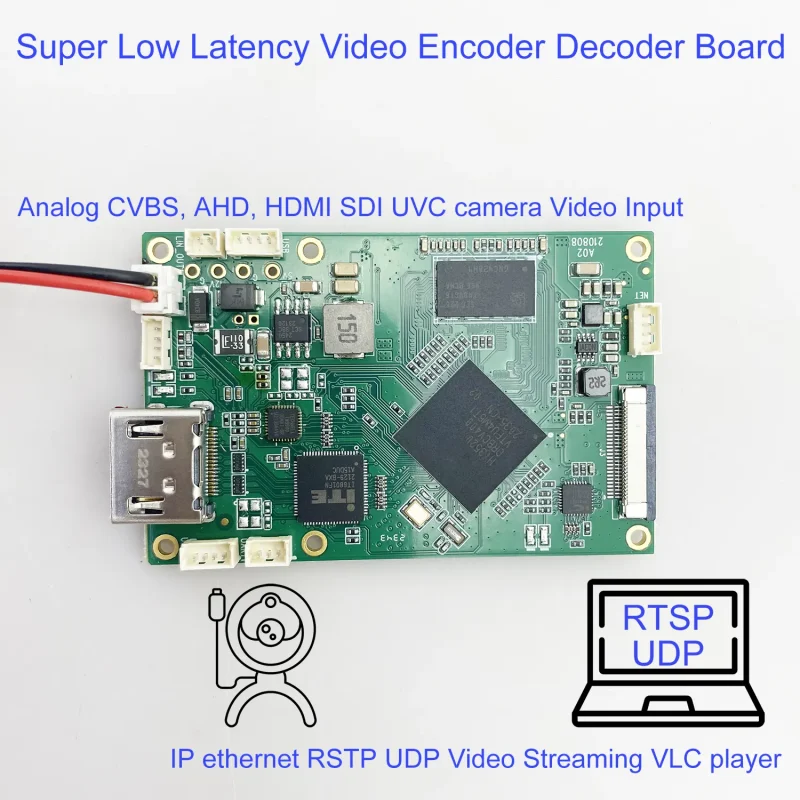
The Кодер Vcan1746 COFDM в настоящее время поддерживает только ЦБ РФ, и не зря. Давайте выясним, почему.
Понимание ЦБ РФ (Постоянный битрейт)
Постоянный битрейт означает, что кодер поддерживает фиксированную скорость передачи данных на протяжении всей передачи.
- Видеопоток всегда использует одну и ту же полосу пропускания., даже когда сцена становится более сложной.
- Это обеспечивает стабильную передачу, предсказуемая нагрузка на сеть, и постоянная задержка.
Преимущества ЦБ РФ:
- Очень стабилен для беспроводных соединений с ограниченной пропускной способностью..
- Предсказуемая задержка, идеально подходит для приложений реального времени (например. дроны, наблюдение).
- Проще обрабатывать системы COFDM или TDD.
Недостатки:
- Может привести к потере некоторой пропускной способности, если сцена проста. (например. статические изображения).
- Несколько меньшая эффективность по сравнению с VBR при записи видео в автономном режиме..
Понимание ВБР (Переменный битрейт)
Переменный битрейт кодирование динамически регулирует битрейт в зависимости от сложности каждого кадра или сцены.
- Сложное движение или детализация приводят к более высокому битрейту.
- Простые сцены кодируются с более низким битрейтом., экономия места.
Преимущества ВБР:
- Более высокое среднее качество изображения при том же среднем битрейте.
- Более эффективен для приложений хранения данных, таких как цифровые видеорегистраторы или запись на основе файлов..
Недостатки:
- Непредсказуемое использование полосы пропускания — пиковые нагрузки могут превышать пропускную способность канала..
- Может привести к потере кадров или буферизации по беспроводным каналам..
- Сложнее поддерживать передачу со сверхнизкой задержкой..
Почему Vcan1746 использует CBR
Беспроводные видеосистемы, такие как Вкан1746 предназначены для в реальном времени, передача COFDM с малой задержкой. Пропускная способность радиоканала ограничена и не может легко адаптироваться к внезапным скачкам битрейта, вызванным VBR..
Другими словами:
- CBR сохраняет стабильность и предсказуемость передачи.
- VBR лучше подходит для записи или потоковой передачи в автономном режиме., не живая беспроводная связь.
Если бы VBR использовался в узкополосной радиочастотной линии, кодер может иногда превышать доступную полосу пропускания, вызывая потерю пакетов данных, изображение заикается, или пропадание ссылок. Поэтому, CBR — единственный практичный и надежный вариант в таких системах передачи в реальном времени.
Типичные случаи использования
| Режим | Лучше всего использовать для | Описание |
|---|---|---|
| ЦБ РФ | Беспроводная передача в реальном времени | Стабильный, постоянный битрейт обеспечивает надежную работу в реальном времени. |
| ВБР | Локальная запись / воспроизведение | Адаптивный битрейт оптимизирует качество и эффективность хранения.. |
Часто задаваемые вопросы
1 квартал: Могу ли я включить режим VBR на Vcan1746??
В настоящее время, Vcan1746 поддерживает только режим CBR для обеспечения стабильной работы при ограниченной пропускной способности беспроводной сети.
2 квартал: Почему бы просто не увеличить пропускную способность для VBR?
Большинство беспроводных систем COFDM имеют фиксированную полосу пропускания радиочастотного канала. (например, 2МГц, 4МГц, 8МГц). Увеличение битрейта сверх этого значения приводит к искажению или потере сигнала..
Q3: Улучшит ли VBR качество изображения??
В теории, да, но только в том случае, если канал передачи может обрабатывать изменяющуюся скорость передачи данных.. Для беспроводного использования в режиме реального времени, стабильность более важна, чем незначительный прирост качества.
Q4: Поддерживается ли VBR в режиме записи??
Да, VBR часто используется для локального хранилища. (например, видеорегистратор, SD-карта, или сетевой видеорегистратор), где временные скачки битрейта не влияют на стабильность передачи.
Заключение
Для беспроводная передача видео, стабильность, задержка, и предсказуемость пропускной способности являются ключевыми факторами. Пока ВБР обеспечивает более высокую эффективность хранения носителей, ЦБ РФ остается стандартом для передача COFDM или TDD в реальном времени, обеспечение надежного и бесперебойного видео.
Вот почему Вкан1746 — и большинство профессиональных беспроводных видеомодулей — работают в Только режим CBR.
Кодер HDMI для ISDB-T RF
Задать вопрос
Спасибо за ответ. ✨