
CBR مقابل VBR في نقل الفيديو اللاسلكي: لماذا يستخدم Vcan1746 معدل البت الثابت
عندما يتعلق الأمر بتشفير الفيديو للإرسال اللاسلكي, هناك وضعان شائعان CBR (معدل البت المستمر) و VBR (معدل البت المتغير). يهدف كلاهما إلى تحقيق التوازن بين جودة الفيديو واستخدام النطاق الترددي, لكنها تتصرف بشكل مختلف تمامًا، خاصة في التطبيقات اللاسلكية في الوقت الفعلي مثل الطائرات بدون طيار, أجهزة إرسال COFDM, أو روابط الفيديو المحمولة.
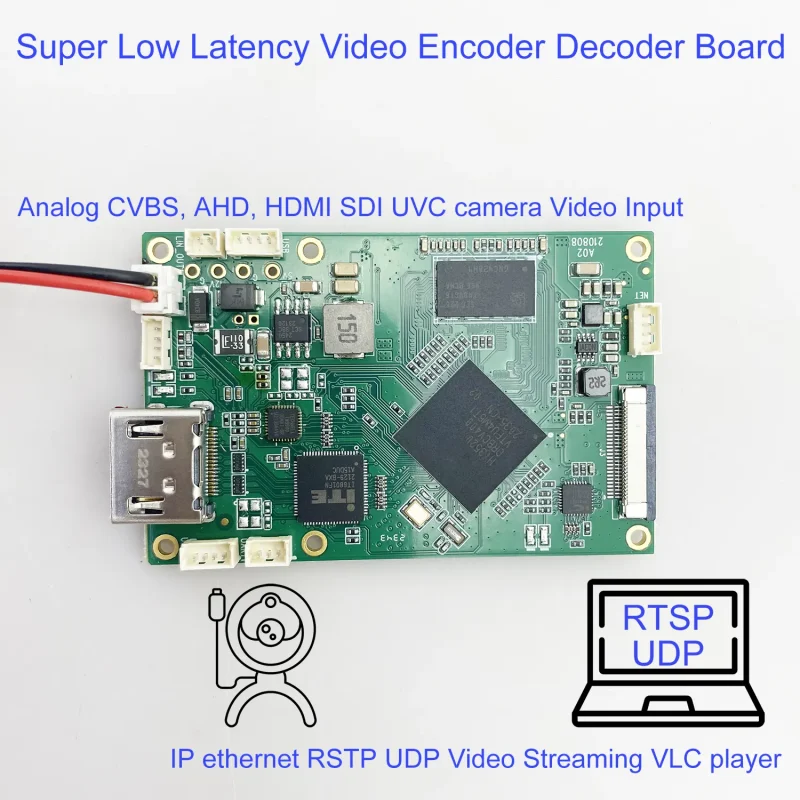
ال التشفير Vcan1746 COFDM يدعم حاليا CBR فقط, ولسبب وجيه. دعونا نستكشف السبب.
فهم التأهيل المجتمعي (معدل البت المستمر)
معدل البت المستمر يعني أن جهاز التشفير يحافظ على معدل بيانات ثابت طوال عملية الإرسال.
- يستخدم دفق الفيديو دائمًا نفس النطاق الترددي, حتى عندما يصبح المشهد أكثر تعقيدًا.
- وهذا يضمن انتقال مستقر, حمل الشبكة المتوقع, والكمون متسقة.
مزايا التأهيل المجتمعي:
- مستقر جدًا للارتباطات اللاسلكية ذات النطاق الترددي المحدود.
- تأخير متوقع, مثالية للتطبيقات في الوقت الحقيقي (على سبيل المثال. طائرات بدون طيار, مراقبة).
- أسهل للتعامل مع أنظمة COFDM أو TDD.
العيوب:
- قد يضيع بعض النطاق الترددي عندما يكون المشهد بسيطًا (على سبيل المثال. صور ثابتة).
- كفاءة أقل قليلاً مقارنة بـ VBR في تسجيل الفيديو دون الاتصال بالإنترنت.
فهم VBR (معدل البت المتغير)
معدل البت المتغير يقوم التشفير بضبط معدل البت ديناميكيًا اعتمادًا على مدى تعقيد كل إطار أو مشهد.
- تؤدي الحركة المعقدة أو التفاصيل إلى معدل بت أعلى.
- يتم ترميز المشاهد البسيطة بمعدل بت أقل, توفير مساحة.
مزايا VBR:
- متوسط جودة صورة أعلى بنفس متوسط معدل البت.
- أكثر كفاءة لتطبيقات التخزين مثل مسجلات الفيديو الرقمية أو التسجيل القائم على الملفات.
العيوب:
- استخدام عرض النطاق الترددي غير المتوقع - قد تتجاوز القمم سعة الارتباط.
- يمكن أن يتسبب في فقدان الإطار أو التخزين المؤقت عبر الارتباطات اللاسلكية.
- من الصعب الحفاظ على انتقال الكمون المنخفض للغاية.
لماذا يستخدم Vcan1746 CBR
أنظمة الفيديو اللاسلكية مثل Vcan1746 مصممة ل في الوقت الحالى, انتقال COFDM منخفض الكمون. عرض النطاق الترددي الراديوي محدود ولا يمكنه التكيف بسهولة مع الارتفاع المفاجئ في معدل البت الناتج عن VBR.
بعبارة أخرى:
- يحافظ CBR على استقرار الإرسال وقابليته للتنبؤ به.
- يعد VBR أفضل للتسجيل أو البث دون اتصال بالإنترنت, لا يعيش لاسلكيا.
إذا تم استخدام VBR في وصلة RF ضيقة النطاق, قد يتجاوز جهاز التشفير أحيانًا عرض النطاق الترددي المتاح, مما يسبب فقدان حزمة البيانات, تلعثم الصورة, أو ربط المتسربين. لذلك, إن التأهيل المجتمعي هو الخيار العملي الوحيد الذي يمكن الاعتماد عليه في أنظمة النقل في الوقت الحقيقي.
حالات الاستخدام النموذجية
| وضع | أفضل استخدام ل | وصف |
|---|---|---|
| CBR | البث اللاسلكي المباشر | مستقر, يضمن معدل البت الثابت أداءً موثوقًا في الوقت الفعلي. |
| VBR | تسجيل محلي / تشغيل | يعمل معدل البت التكيفي على تحسين الجودة وكفاءة التخزين. |
التعليمات
س1: هل يمكنني تمكين وضع VBR على Vcan1746?
حالياً, يدعم Vcan1746 فقط وضع CBR لضمان أداء مستقر على النطاق الترددي اللاسلكي المحدود.
Q2: لماذا لا نقوم فقط بزيادة عرض النطاق الترددي لـ VBR?
تحتوي معظم أنظمة COFDM اللاسلكية على نطاق ترددي ثابت لقناة التردد اللاسلكي (على سبيل المثال, 2ميغاهيرتز, 4ميغاهيرتز, 8ميغاهيرتز). تؤدي زيادة معدل البت إلى ما هو أبعد من ذلك إلى تشويه الإشارة أو فقدانها.
س3: هل يعمل VBR على تحسين جودة الصورة?
من الناحية النظرية, نعم - ولكن فقط إذا كان رابط الإرسال قادرًا على التعامل مع معدل البت المتقلب. للاستخدام اللاسلكي في الوقت الحقيقي, فالاستقرار أكثر أهمية من مكاسب الجودة الهامشية.
س 4: هل VBR مدعوم في وضع التسجيل?
نعم, غالبًا ما يستخدم VBR للتخزين المحلي (على سبيل المثال, مسجل فيديو رقمي, بطاقة SD, أو NVR), حيث لا تؤثر الارتفاعات المؤقتة في معدل البت على استقرار الإرسال.
خاتمة
ل نقل الفيديو لاسلكيا, استقرار, كمون, والقدرة على التنبؤ بعرض النطاق الترددي هي المفتاح. بينما VBR يوفر كفاءة أعلى للوسائط المخزنة, CBR يبقى المعيار ل في الوقت الحقيقي نقل COFDM أو TDD, ضمان فيديو موثوق وغير متقطع.
لهذا السبب Vcan1746 - ومعظم وحدات الفيديو اللاسلكية الاحترافية - تعمل في وضع CBR فقط.
جهاز تشفير HDMI إلى ISDB-T RF
اطرح سؤالاً
شكرًا لردكم ✨