
Kennen Sie ISDB-T??
DerIntegrierte Dienste für digitalen Rundfunk (ISDB) (japanisch: Integrierter digitaler Rundfunkdienst, Tōgō dijitaru hōsō sābisu) ist ein japanischer Standard für digitales Fernsehen(DTV) und Digitalradio(TUPFEN) Wird von den Radio- und Fernsehsendern des Landes verwendet. ISDB ersetzte das bisher verwendeteMUSE Hi-Vision analoges HDTV-System. Ein Derivat von ISDB, ISDB-T International, wurde von der brasilianischen Regierung entwickelt und ist in Südamerika weit verbreitet.

ISDB-T.com bietet One-Seg, Vollseg, MPEG2, und MPEG4-Digital-TV-Receiver, die den Anforderungen der ISDB-Technologie entsprechen. Alle Produkte werden in Japan getestet, die Philippinen, und Südamerika.
Eine Einführung in ISDB-T: Japans digitaler terrestrischer Rundfunkstandard
ISDB (Integrierte Dienste für digitalen Rundfunk) ist ein japanischer Standard für digitales Fernsehen (DTV) und für den terrestrischen Rundfunk entwickelter digitaler Rundfunk, Satellit, und Kabelnetze. Das System wurde entwickelt, um qualitativ hochwertige Übertragungen zu unterstützen und gleichzeitig mobilen Empfang und Datendienste zu ermöglichen.
ISDB ersetzte das frühere analoge hochauflösende Fernsehsystem, bekannt als MUSE Hi-Vision, das in Japan für experimentelle HDTV-Übertragungen verwendet wurde. Mit dem Übergang zum digitalen Rundfunk, ISDB wurde zum Rückgrat der modernen japanischen Fernsehinfrastruktur.
Unter den verschiedenen Varianten von ISDB, ISDB-T (Integrierte Dienste für digitalen Rundfunk – terrestrisch) ist die bekannteste, wie es für die terrestrische digitale Fernsehausstrahlung verwendet wird.
Entwicklung des ISDB-Systems
Der ISDB-Standard wurde hauptsächlich in Japan durch eine Zusammenarbeit zwischen der japanischen Regierung und dem nationalen öffentlich-rechtlichen Rundfunk entwickelt NHK. Ziel war es, ein Rundfunksystem zu schaffen, das in der Lage ist, mehrere Dienste über einen einzigen Übertragungskanal bereitzustellen.
Die ISDB-Familie umfasst mehrere Standards:
- ISDB-T – Terrestrische digitale Fernsehausstrahlung
- ISDB-S – Digitale Satellitenübertragung
- ISDB-C – Kabeldigitaler Rundfunk
- ISDB-Tsb – Terrestrische digitale Tonübertragung
Unter diesen, Besonderen Einfluss erlangte ISDB-T aufgrund seiner Flexibilität und Fähigkeit, sowohl Festnetz- als auch Mobilfunkempfang zu unterstützen.
Schlüsseltechnologien hinter ISDB-T
Eine der Hauptstärken von ISDB-T ist seine fortschrittliche Übertragungstechnologie, was eine zuverlässige Übertragung auch in komplexen städtischen Umgebungen ermöglicht.
Segmentierte Übertragung
ISDB-T teilt eine einzelne 6 MHz-Kanal in 13 Segmente.
- 12 Segmente werden typischerweise für Standard- oder HD-Fernsehübertragungen verwendet (Vollseg).
- 1 Segment ist für mobile Geräte bestimmt (Ein-Seg).
Durch dieses Design kann das System sowohl hochwertige Fernsehprogramme als auch mobile Videodienste gleichzeitig übertragen.
OFDM-Modulation
ISDB-T verwendet Orthogonales Frequenzmultiplex (OFDM) zur Signalübertragung. Diese Modulationstechnik bietet mehrere Vorteile:
- Hoher Widerstand gegen Mehrwegestörungen
- Zuverlässiger Signalempfang in städtischen Umgebungen
- Unterstützung für Gleichfrequenznetze (SFN)
Aufgrund dieser Fähigkeiten eignet sich ISDB-T besonders für dicht besiedelte Städte.
Flexible Videokomprimierung
Frühe japanische ISDB-T-Sendungen verwendet MPEG-2 Videokomprimierung. Jedoch, Neuere Implementierungen und internationale Versionen wurden übernommen MPEG-4 / H.264, Dies bietet eine wesentlich bessere Komprimierungseffizienz und eine verbesserte Bildqualität bei niedrigeren Bitraten.
One-Seg- und Full-Seg-Rundfunk
Ein einzigartiges Merkmal von ISDB-T ist seine Fähigkeit, sowohl feste als auch mobile Fernsehdienste zu unterstützen.
Ein-Seg
Ein-Seg bezieht sich auf den mobilen Rundfunkdienst, der eines davon nutzt 13 Segmente im ISDB-T-Übertragungskanal.
Zu den Hauptmerkmalen gehören::
- Video mit niedriger Bitrate
- Optimiert für mobile Geräte
- Geringer Stromverbrauch
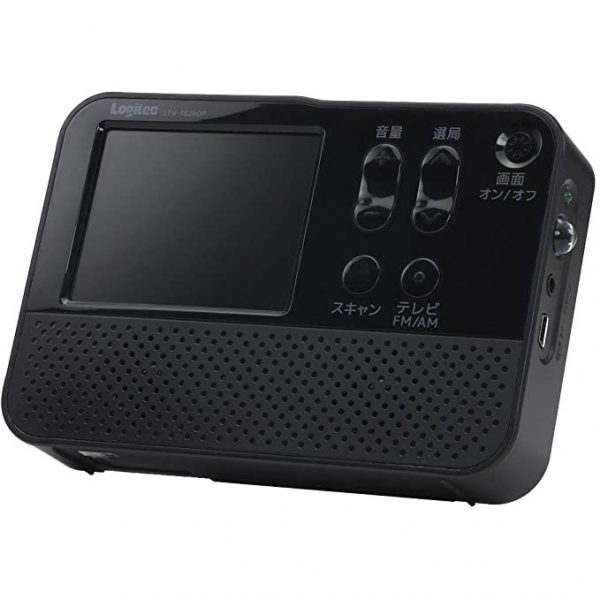
In Japan, One-Seg wurde in Smartphones weit verbreitet, tragbare Fernseher, und Fahrzeugunterhaltungssysteme.
Vollseg
Vollseg bezieht sich auf die Hauptfernsehübertragung unter Verwendung der übrigen Segmente des Kanals. Dieser Modus liefert Videos mit höherer Auflösung und höherer Bitrate, die für die HDTV-Übertragung auf herkömmlichen Fernsehgeräten geeignet sind.
ISDB-T International
Obwohl ISDB-T ursprünglich für Japan entwickelt wurde, Die Technologie wurde später für den internationalen Einsatz adaptiert.
Eine modifizierte Version namens ISDB-T International (ISDB-Tb) wurde mit wichtigen Beiträgen von entwickelt Brasilien. Die brasilianische Regierung hat das System durch die Einführung von Verbesserungen verbessert, z:
- H.264-Videokomprimierung
- Erweiterte Middleware
- Verbesserte mobile Übertragungsfunktionen
Wegen der Beiträge Brasiliens, Das System wird manchmal als das bezeichnet Brasilianisches digitales TV-System (SBTVD).
Globale Akzeptanz
ISDB-T International wurde von vielen Ländern übernommen, vor allem in Südamerika und Teilen Asiens.
Zu den Ländern, die den Standard verwenden, gehören::
- Japan
- Brasilien
- Argentinien
- Chile
- Peru
- Philippinen
Viele dieser Länder haben sich für ISDB-T aufgrund seiner überlegenen mobilen Empfangsfähigkeiten und flexiblen Servicearchitektur entschieden.
Vergleich mit anderen digitalen TV-Standards
Global, Drei große terrestrische digitale Fernsehstandards dominieren den Markt:
| Standard | Primärregionen |
|---|---|
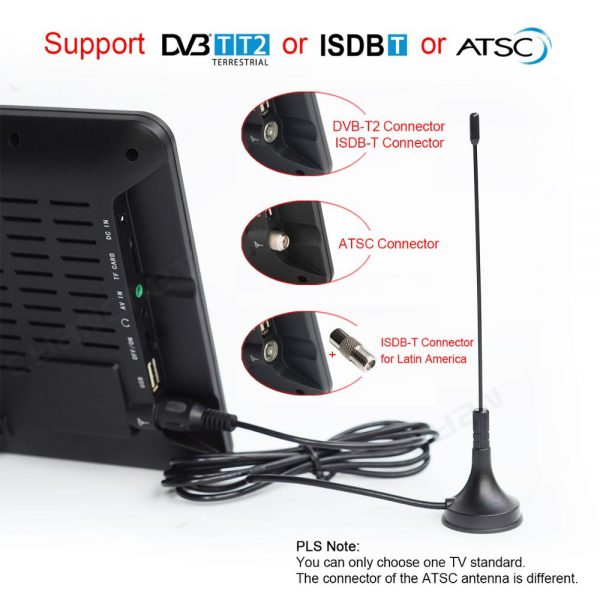
| ISDB-T | Japan, Südamerika, Teile Asiens |
| DVB-T | Europa, Afrika, Teile Asiens |
| ATSC | Nordamerika |
Jeder Standard hat seine Stärken:
- ATSC war in Nordamerika weit verbreitet, verfügte jedoch zunächst über eine schwächere Unterstützung für den Mobilfunkempfang.
- DVB-T wurde aufgrund seiner frühen Einführung in ganz Europa und vielen anderen Regionen populär.
- ISDB-T zeichnet sich durch sein segmentiertes Übertragungsdesign und seine starken mobilen Übertragungsfähigkeiten aus.
ISDB-T-Empfänger und -Geräte
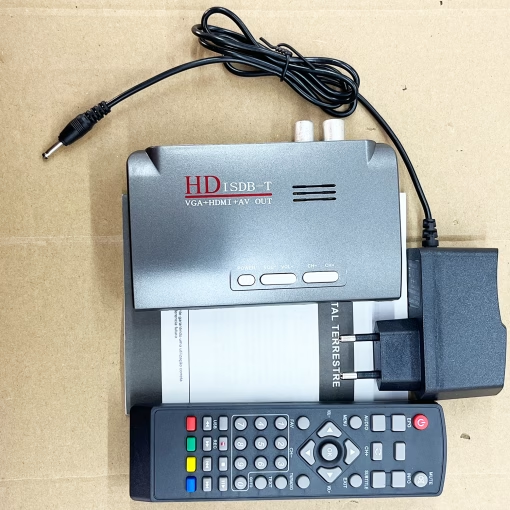
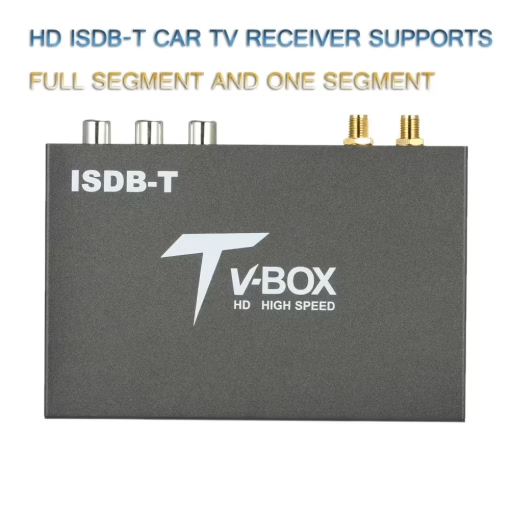
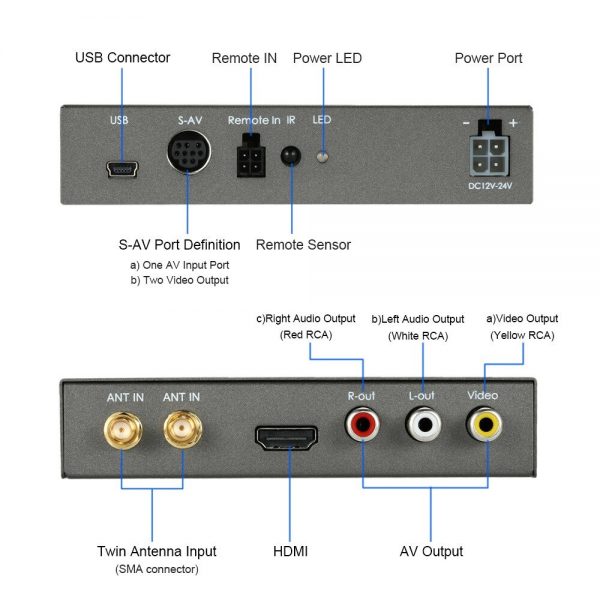
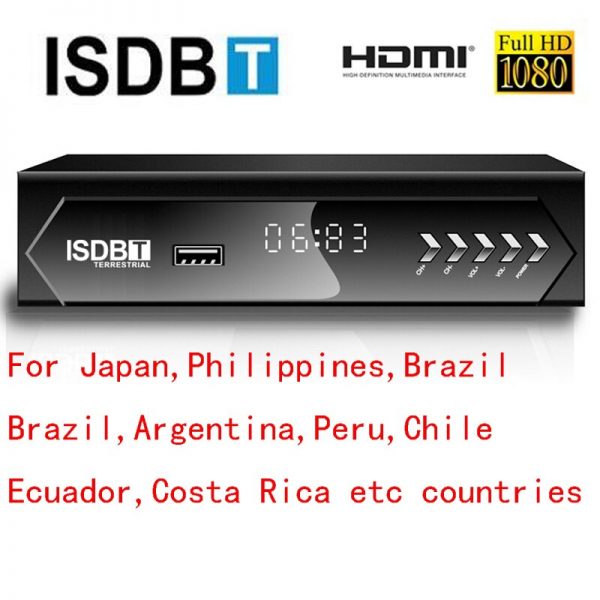
Eine Vielzahl von Hardwareprodukten unterstützt den ISDB-T-Empfang, einschließlich:
- Digitale Fernseher
- Set-Top-Boxen
- USB-TV-Tuner
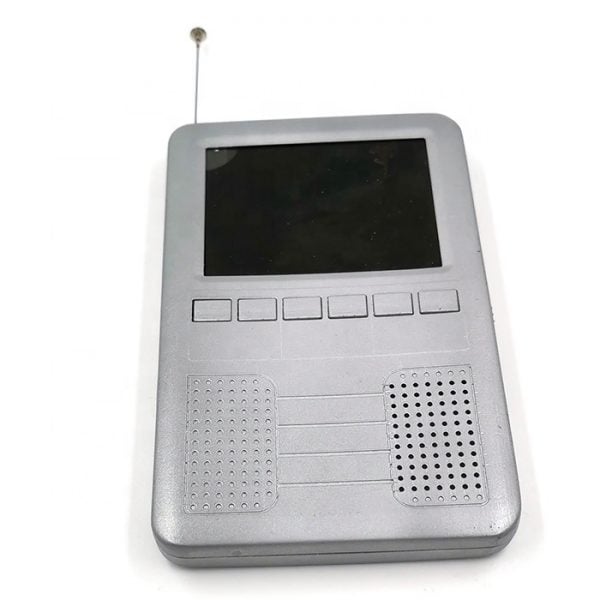
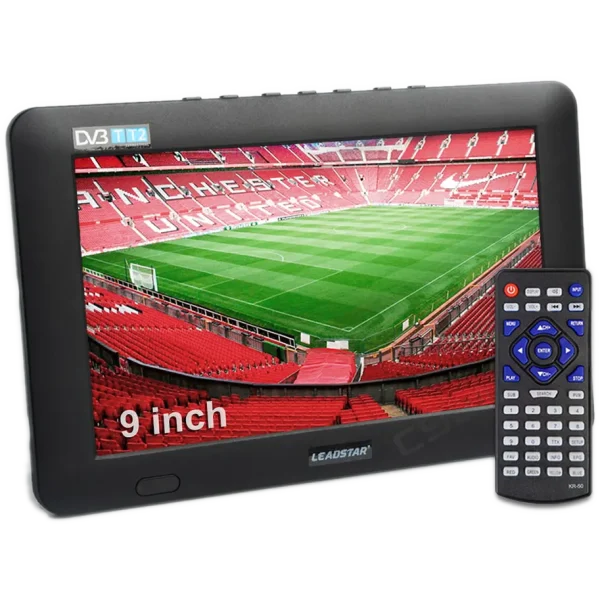
- Mobile TV-Empfänger
- Digitale TV-Systeme für Kraftfahrzeuge
Unternehmen wie z.B ISDB-T.com bieten digitale TV-Receiver an, die Technologien wie unterstützen:
- Ein-Seg
- Vollseg
- MPEG-2-Dekodierung
- MPEG-4 / H.264-Dekodierung
Diese Produkte werden in der Regel in Regionen, in denen ISDB-T eingesetzt wird, auf Kompatibilität getestet, einschließlich Japan, die Philippinen, und Südamerika.
Die Zukunft des ISDB-Rundfunks
Die Rundfunktechnologie entwickelt sich ständig weiter, und neuere Generationen von ISDB-Standards werden entwickelt, um ultrahochauflösendes Fernsehen zu unterstützen.
Zum Beispiel, Japan hat fortschrittliche Systeme wie eingeführt ISDB-S3, was unterstützt 4K- und 8K-Ultra-High-Definition-Übertragung.
Diese Technologien wurden bei Veranstaltungen wie der vorgestellt Tokio 2020 Olympia, Demonstration des zukünftigen Potenzials des ISDB-Rundfunk-Ökosystems.
Abschluss
ISDB-T stellt einen der fortschrittlichsten digitalen terrestrischen Rundfunkstandards der Welt dar. Seine segmentierte Übertragungsarchitektur, robuste Modulationstechniken, und die Unterstützung sowohl für feste als auch mobile Geräte machen es äußerst vielseitig.
Dank dieser Vorteile, ISDB-T hat sich weit über Japan hinaus verbreitet und ist zu einem wichtigen digitalen Fernsehstandard in ganz Südamerika und Teilen Asiens geworden. Da sich die Rundfunktechnologie weiter in Richtung 4K- und 8K-Ultra-High-Definition-Inhalte weiterentwickelt, Das ISDB-Ökosystem bleibt ein wichtiger Akteur in der globalen Rundfunklandschaft.



1 Seg ISDB-T AM FM

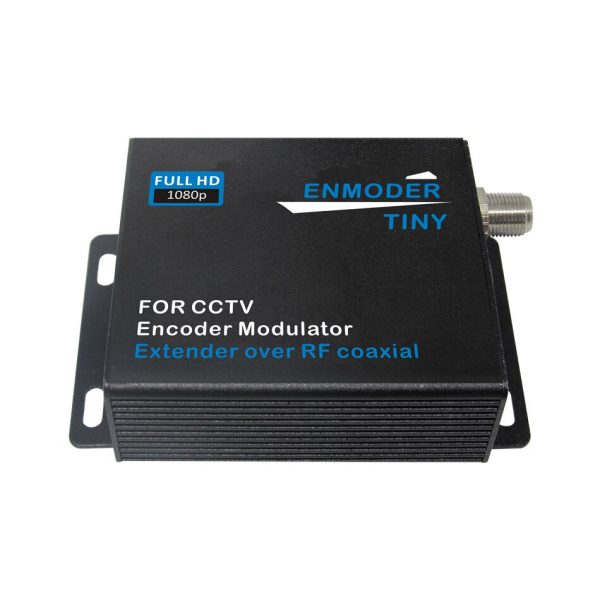
HDMI-Encoder zu ISDB-T RF
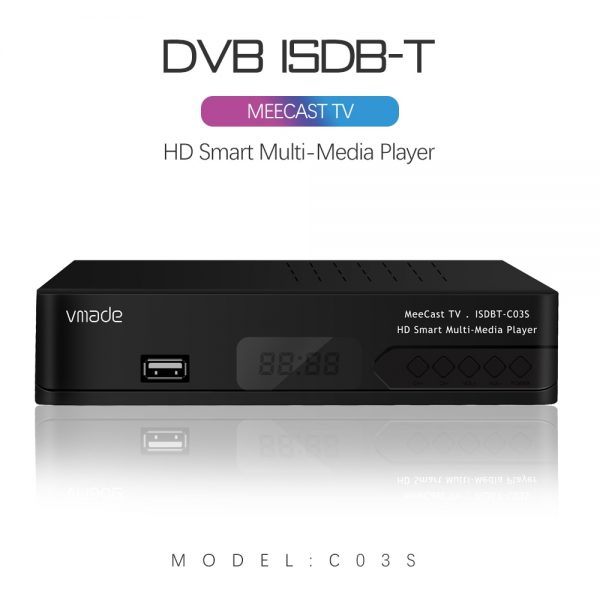
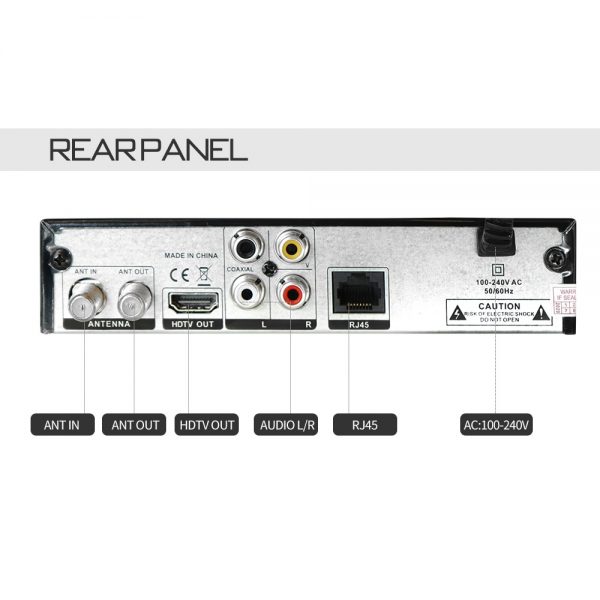
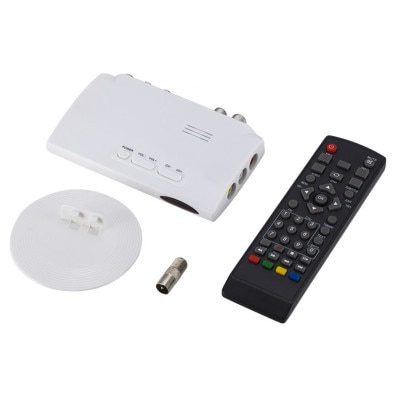
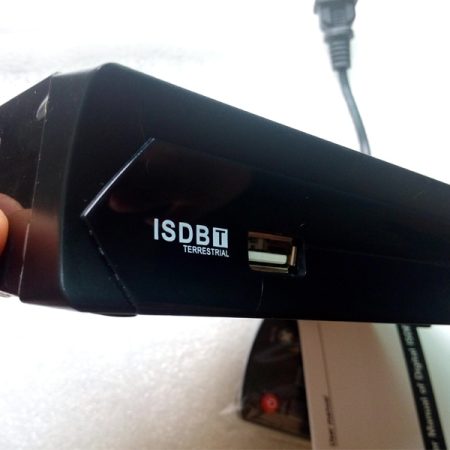
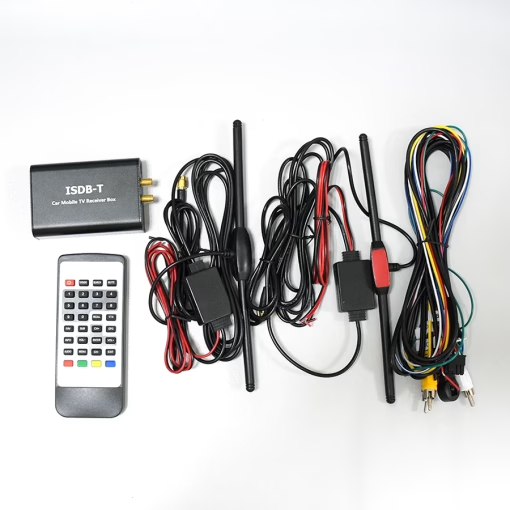

ISDB-T
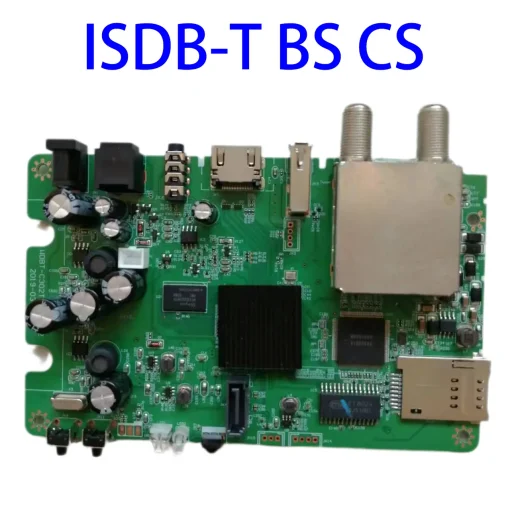
ISDB-T für Zuhause
ISDB-T BS CS Japan Japanische Dreiband-Set-Top-Box PVR-TV-Leiterplatte
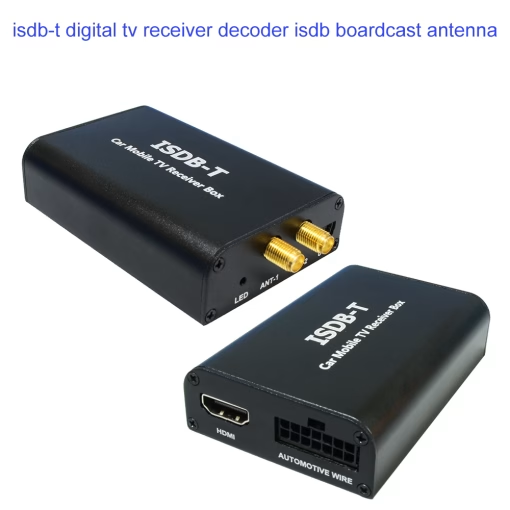
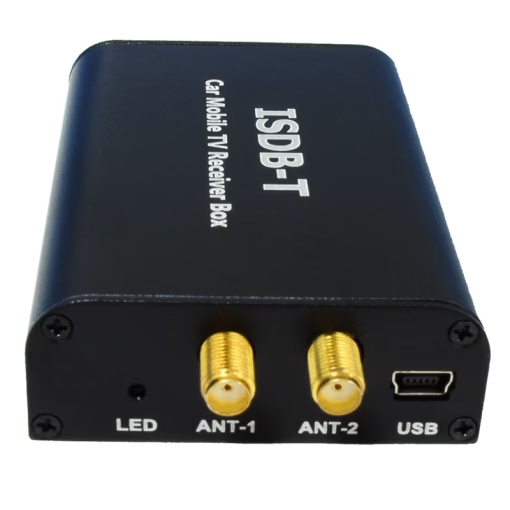
ISDB-T für Auto
ISDB-T Digital-TV-Receiver-Decoder ISDB-Boardcast-Antenne Mini
Eine Frage stellen
Vielen Dank für deine Antwort. ✨