
ISDB-T'yi biliyor musunuz??
TheEntegre Hizmetler Dijital Yayıncılık (ISDB) (Japonca: Entegre dijital yayın hizmeti, Tōgō dijitaru hōsō sābisu) dijital televizyon için bir Japon standardıdır(DTV) ve dijital radyo(DAB) Ülkenin radyo ve televizyon ağları tarafından kullanılıyor. ISDB daha önce kullanılanın yerini aldıMUSE Hi-vision analog HDTV sistemi. ISDB'nin bir türevi, ISDB-T Uluslararası, Brezilya hükümeti tarafından geliştirildi ve Güney Amerika'da yaygın olarak benimsendi.

ISDB-T.com tek bölüm sunuyor, tam bölüm, MPEG2, ve MPEG4 dijital TV alıcıları, ISDB teknoloji gereksinimlerini karşılayan. Tüm ürünler Japonya'da test edilmiştir, Filipinler, ve Güney Amerika.
ISDB-T'ye Giriş: Japonya'nın Dijital Karasal Yayın Standardı
ISDB (Entegre Hizmetler Dijital Yayıncılık) dijital televizyon için bir Japon standardıdır (DTV) ve karasal yayınlar için geliştirilmiş dijital radyo yayıncılığı, uydu, ve kablolu ağlar. Sistem, yüksek kaliteli yayını desteklerken aynı zamanda mobil alım ve veri hizmetlerine de olanak sağlayacak şekilde tasarlandı.
ISDB, daha önceki analog yüksek çözünürlüklü televizyon sisteminin yerini aldı. MUSE Hi-Vision, Japonya'da deneysel HDTV yayını için kullanılmıştı. Dijital yayıncılığa geçişle birlikte, ISDB, Japonya'nın modern televizyon altyapısının omurgası oldu.
ISDB'nin farklı çeşitleri arasında, ISDB-T (Entegre Hizmetler Dijital Yayıncılığı – Karasal) en çok bilinenidir, karasal dijital televizyon yayıncılığı için kullanıldığı için.
ISDB Sisteminin Geliştirilmesi
ISDB standardı öncelikle Japonya'da Japon hükümeti ile ulusal kamu yayıncısı arasındaki işbirliği yoluyla geliştirildi. NHK. Amaç, tek bir iletim kanalı üzerinden birden fazla hizmeti sunabilen bir yayın sistemi oluşturmaktı..
ISDB ailesi çeşitli standartlar içerir:
- ISDB-T – Karasal dijital televizyon yayını
- ISDB-S – Uydu dijital yayını
- ISDB-C – Kablolu dijital yayın
- ISDB-Tsb – Karasal dijital ses yayını
Bunların arasında, ISDB-T, esnekliği ve hem sabit hem de mobil alımı destekleme yeteneği nedeniyle özellikle etkili oldu.
ISDB-T'nin Arkasındaki Temel Teknolojiler
ISDB-T'nin en güçlü yönlerinden biri gelişmiş iletim teknolojisidir, karmaşık kentsel ortamlarda bile güvenilir yayın yapılmasına olanak tanır.
Bölümlere Ayrılmış İletim
ISDB-T tek bir parçayı böler 6 MHz kanalına 13 bölümler.
- 12 bölümler genellikle standart veya yüksek çözünürlüklü televizyon yayıncılığı için kullanılır (Tam Segment).
- 1 bölüm mobil cihazlara ayrılmıştır (Tek Segment).
Bu tasarım, sistemin hem yüksek kaliteli televizyon programlarını hem de mobil video hizmetlerini aynı anda yayınlamasına olanak tanır.
OFDM Modülasyonu
ISDB-T'nin kullanım alanları Ortogonal Frekans Bölmeli Çoğullama (OFDM) sinyal iletimi için. Bu modülasyon tekniği çeşitli avantajlar sağlar:
- Çok yollu girişime karşı güçlü direnç
- Kentsel ortamlarda güvenilir sinyal alımı
- Tek frekanslı ağlar için destek (SFN)
Bu yetenekler ISDB-T'yi özellikle yoğun nüfuslu şehirler için uygun hale getiriyor.
Esnek Video Sıkıştırma
İlk Japon ISDB-T yayınları kullanıldı MPEG-2 video sıkıştırma. Fakat, daha yeni uygulamalar ve uluslararası versiyonlar benimsenmiştir MPEG-4 / H.264, daha düşük bit hızlarında çok daha iyi sıkıştırma verimliliği ve gelişmiş görüntü kalitesi sunar.
Tek Seg ve Tam Seg Yayın
ISDB-T'nin benzersiz bir özelliği, hem sabit hem de mobil televizyon hizmetlerini destekleme yeteneğidir..
Tek Segment
Tek Segment aşağıdakilerden birini kullanan mobil yayın hizmetini ifade eder: 13 ISDB-T iletim kanalındaki segmentler.
Temel özellikler şunları içerir::
- Düşük bit hızı videosu
- Mobil cihazlar için optimize edildi
- Düşük güç tüketimi
Japonya'da, One-Seg akıllı telefonlarda yaygın olarak kullanılmaya başlandı, taşınabilir televizyonlar, ve araç eğlence sistemleri.
Tam Segment
Tam Segment kanalın geri kalan bölümlerini kullanan ana televizyon yayınını ifade eder. Bu mod, geleneksel televizyon setlerinde HDTV yayınına uygun, daha yüksek çözünürlük ve daha yüksek bit hızına sahip video sunar.
ISDB-T Uluslararası
Her ne kadar ISDB-T başlangıçta Japonya için geliştirilmiş olsa da, teknoloji daha sonra uluslararası kullanıma uyarlandı.
Değiştirilmiş bir versiyonu denir ISDB-T Uluslararası (ISDB-Tb) büyük katkılarıyla geliştirildi Brezilya. Brezilya hükümeti aşağıdaki gibi iyileştirmeler sunarak sistemi geliştirdi::
- H.264 video sıkıştırma
- Gelişmiş ara katman yazılımı
- Geliştirilmiş mobil yayın yetenekleri
Brezilya'nın katkılarından dolayı, sistem bazen şu şekilde anılır: Brezilya Dijital TV Sistemi (SBTVD).
Küresel Evlat Edinme
ISDB-T International birçok ülke tarafından benimsenmiştir, özellikle Güney Amerika ve Asya'nın bazı bölgelerinde.
Standardı kullanan ülkeler arasında:
- Japonya
- Brezilya
- Arjantin
- Şili
- Peru
- Filipinler
Bu ülkelerin çoğu, üstün mobil alım yetenekleri ve esnek hizmet mimarisi nedeniyle ISDB-T'yi seçti.
Diğer Dijital TV Standartlarıyla Karşılaştırma
Küresel olarak, Piyasaya üç büyük karasal dijital televizyon standardı hakimdir:
| Standart | Birincil Bölgeler |
|---|---|
| ISDB-T | Japonya, Güney Amerika, Asya'nın bazı kısımları |
| DVB-T | Avrupa, Afrika, Asya'nın bazı kısımları |
| ATSC | Kuzey Amerika |
Her standardın kendine has güçlü yanları vardır:
- ATSC Kuzey Amerika'da yaygın olarak benimsendi ancak başlangıçta daha zayıf mobil alım desteğine sahipti.
- DVB-T Avrupa'da ve diğer birçok bölgede erken benimsenmesi nedeniyle popüler hale geldi.
- ISDB-T bölümlere ayrılmış iletim tasarımı ve güçlü mobil yayın yetenekleriyle öne çıkıyor.
ISDB-T Alıcıları ve Cihazları
Çok çeşitli donanım ürünleri ISDB-T alımını destekler, içermek:
- Dijital televizyonlar
- Set üstü kutular
- USB TV alıcıları
- Mobil TV alıcıları
- Otomotiv dijital TV sistemleri
Gibi şirketler ISDB-T.com gibi teknolojileri destekleyen dijital TV alıcıları sunuyoruz:
- Tek Segment
- Tam Segment
- MPEG-2 kod çözme
- MPEG-4 / H.264 kod çözme
Bu ürünler genellikle ISDB-T'nin kurulduğu bölgelerde uyumluluk açısından test edilir, Japonya dahil, Filipinler, ve Güney Amerika.
ISDB Yayıncılığının Geleceği
Yayın teknolojisi gelişmeye devam ediyor, ve ultra yüksek çözünürlüklü televizyonu desteklemek için daha yeni nesil ISDB standartları geliştiriliyor.
Örneğin, Japonya, aşağıdaki gibi gelişmiş sistemleri tanıttı: ISDB-S3, hangisini destekliyor 4K ve 8K ultra yüksek çözünürlüklü yayın.
Bu teknolojiler fuar gibi etkinliklerde sergilendi. Tokyo 2020 Olimpiyatlar, ISDB yayın ekosisteminin gelecekteki potansiyelini ortaya koyuyor.
Çözüm
ISDB-T dünyadaki en gelişmiş dijital karasal yayın standartlarından birini temsil eder. Bölümlere ayrılmış iletim mimarisi, sağlam modülasyon teknikleri, ve hem sabit hem de mobil cihazlara yönelik destek onu son derece çok yönlü hale getiriyor.
Bu avantajlar sayesinde, ISDB-T, Japonya'nın çok ötesine yayıldı ve Güney Amerika ile Asya'nın bazı bölgelerinde önemli bir dijital televizyon standardı haline geldi. Yayın teknolojisi 4K ve 8K ultra yüksek çözünürlüklü içeriğe doğru gelişmeye devam ederken, ISDB ekosistemi küresel yayıncılık ortamında önemli bir oyuncu olmaya devam ediyor.
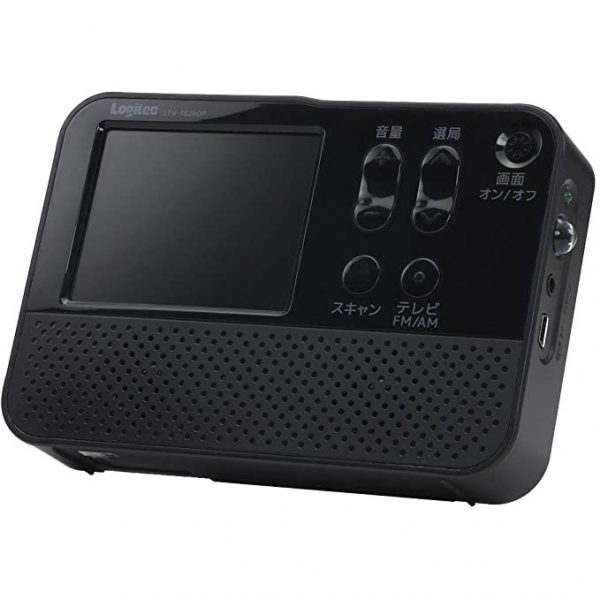


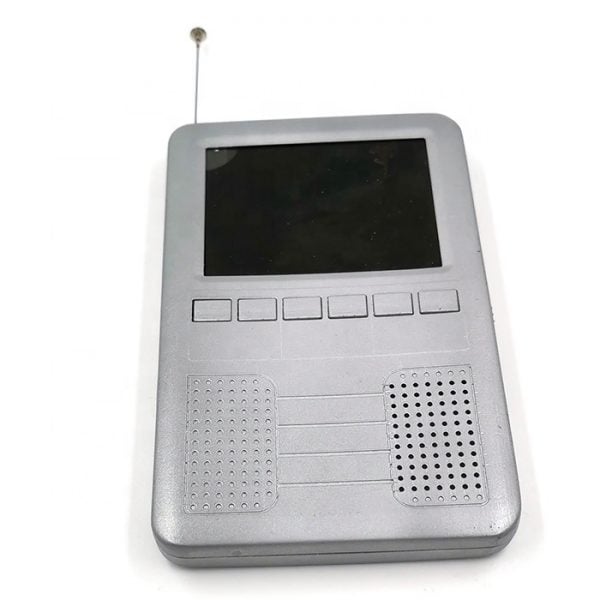
1 Seg ISDB-T AM FM
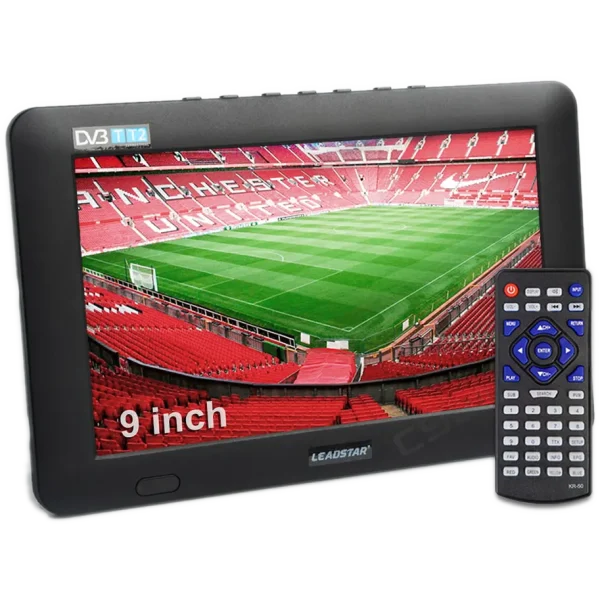
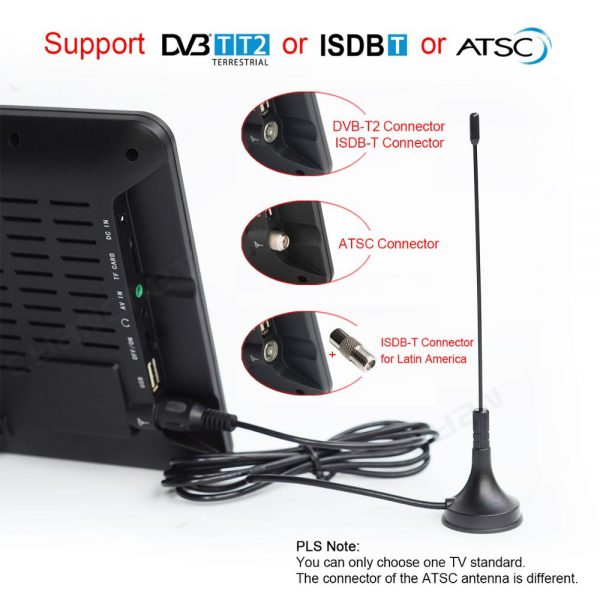

1 Seg ISDB-T AM FM

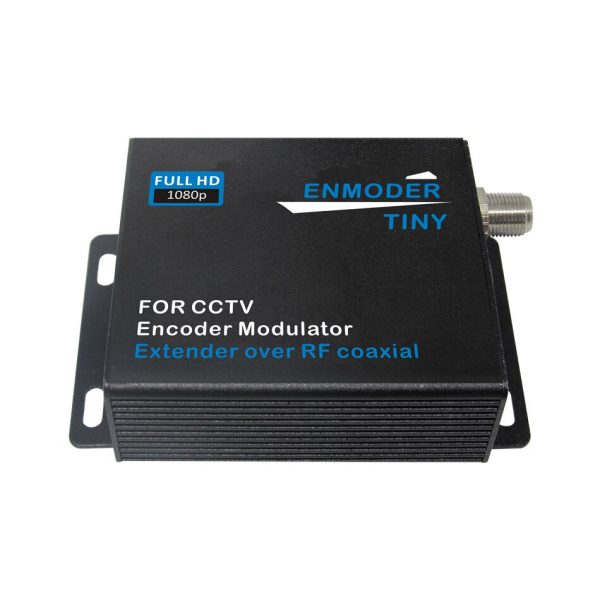
ISDB-T RF'ye HDMI Kodlayıcı
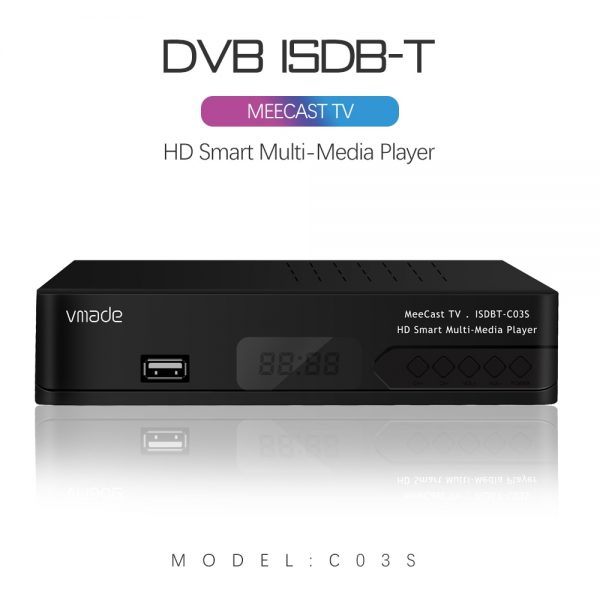
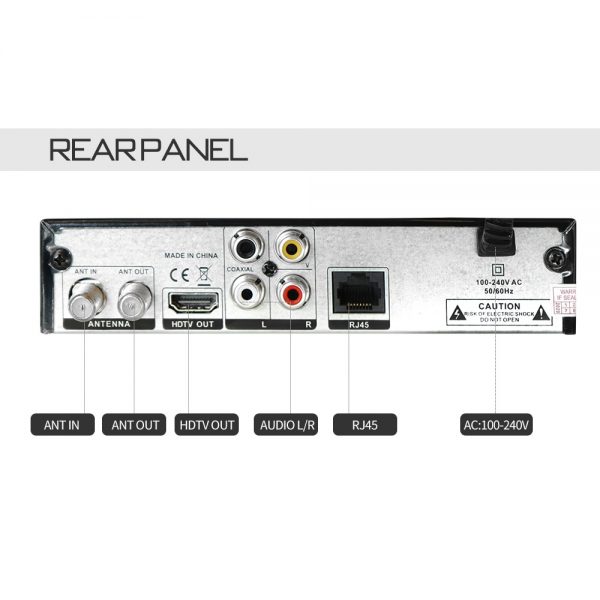
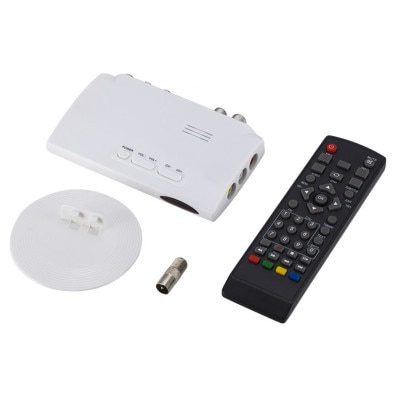
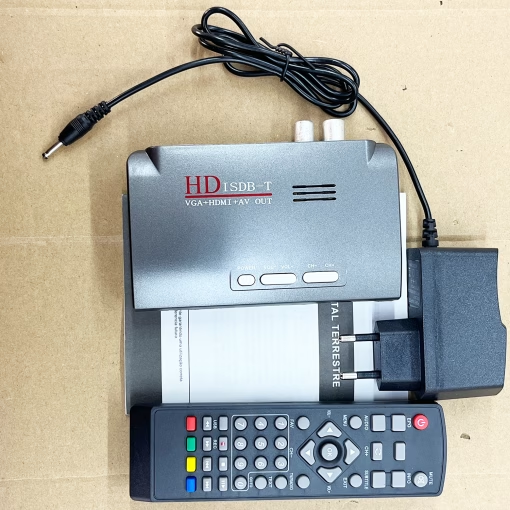
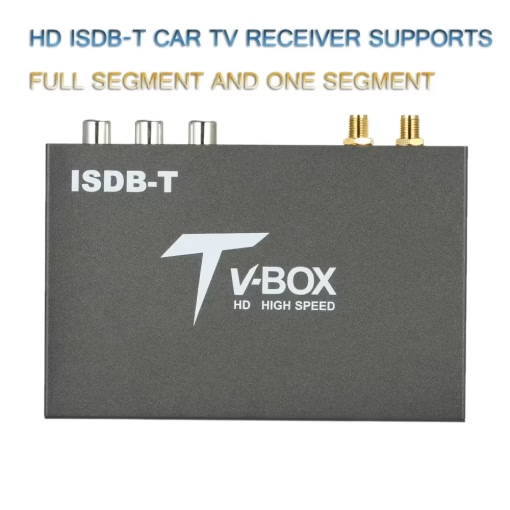
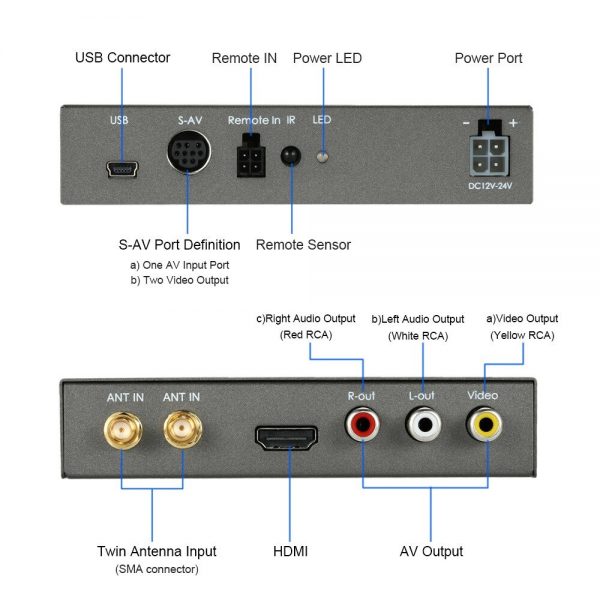
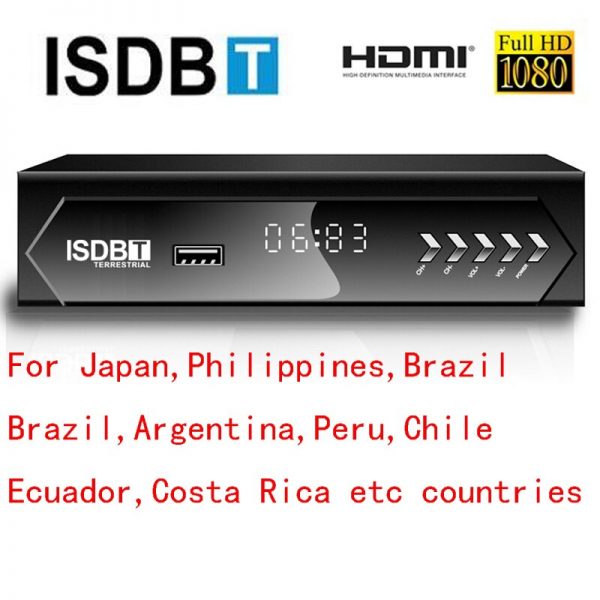
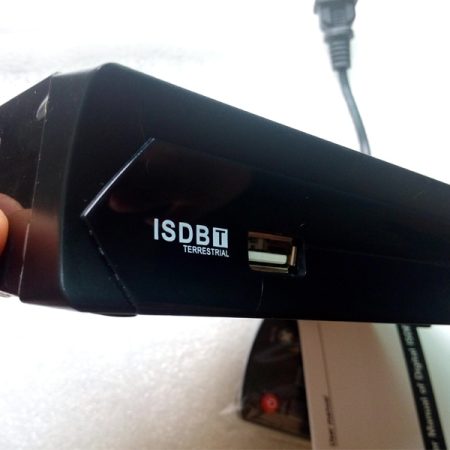
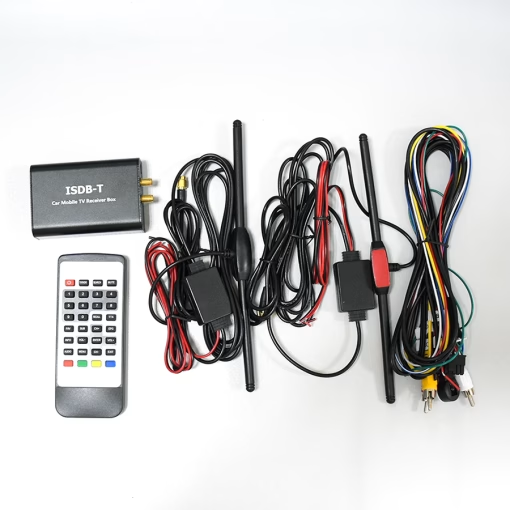

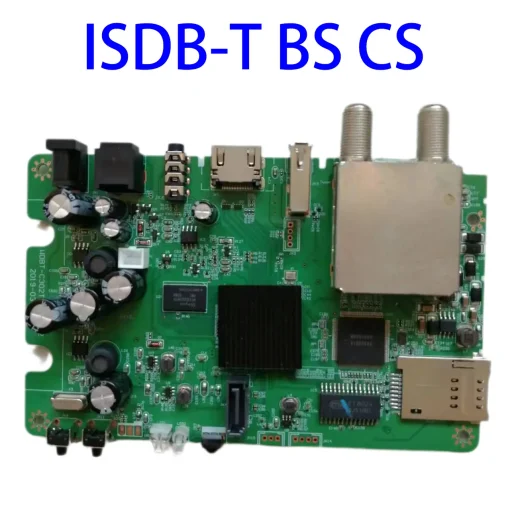
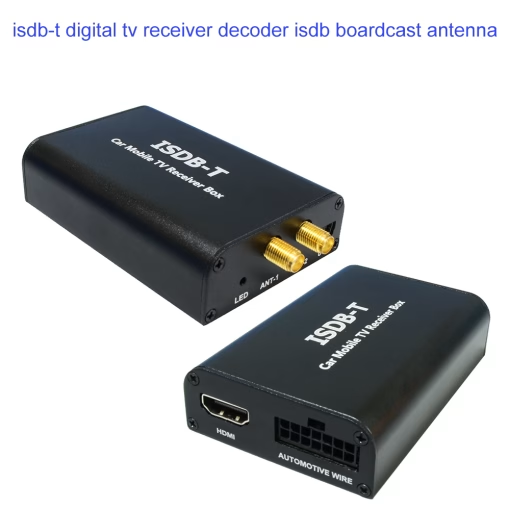
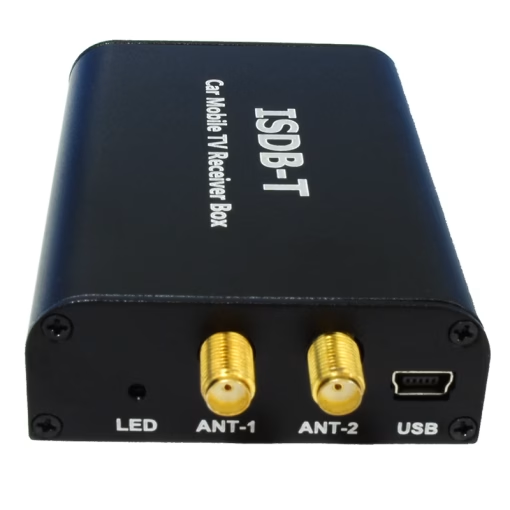
Araba için ISDB-T
Soru Sor
Yanıtınız için teşekkür ederiz. ✨