ISDB-T

Do you know ISDB-T?

Integrated Services Digital Broadcasting (資訊系統資料庫) (Japanese: 統合ディジタル放送サービスTōgō dijitaru hōsō sābisu) is a Japanese standard for digital television(數位電視) and digital radio(DAB) used by the country’s radio and Television networks. ISDB replaced the previously usedMUSE Hi-vision analog HDTV system. A derivative of ISDB, ISDB-T 國際, was developed by the Brazilian government and is widely adopted in South America.

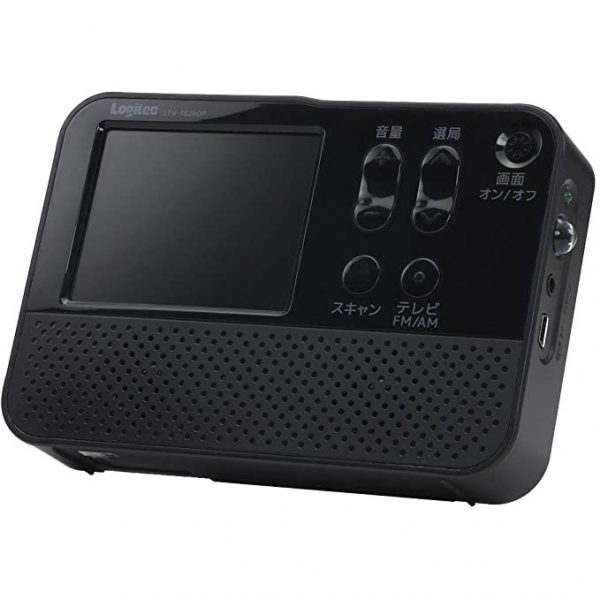
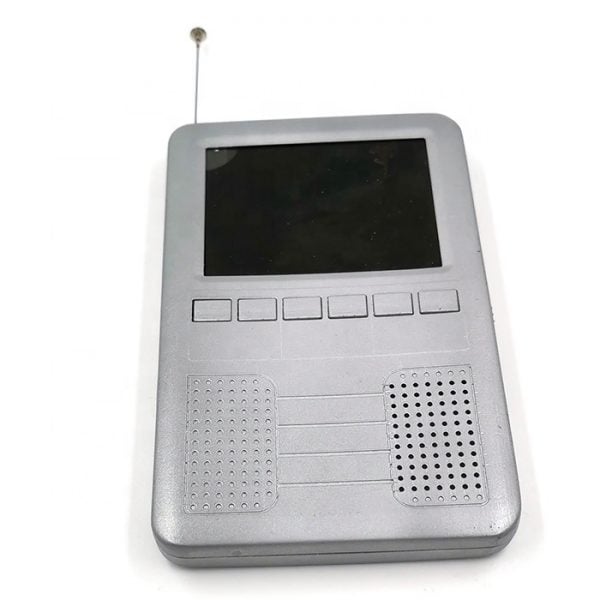
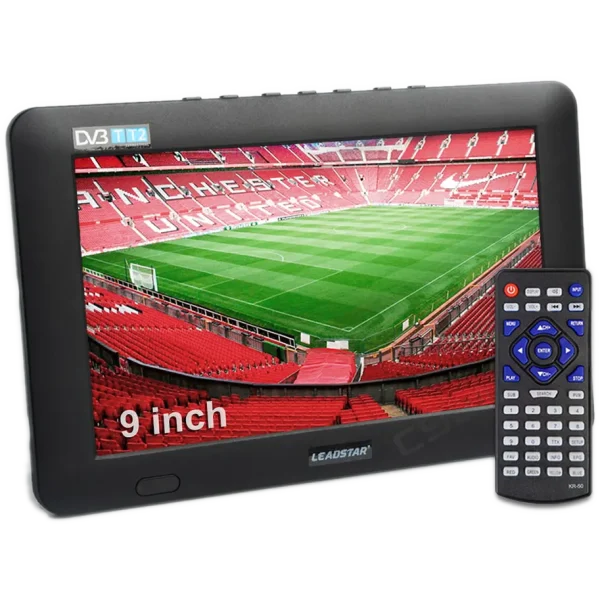
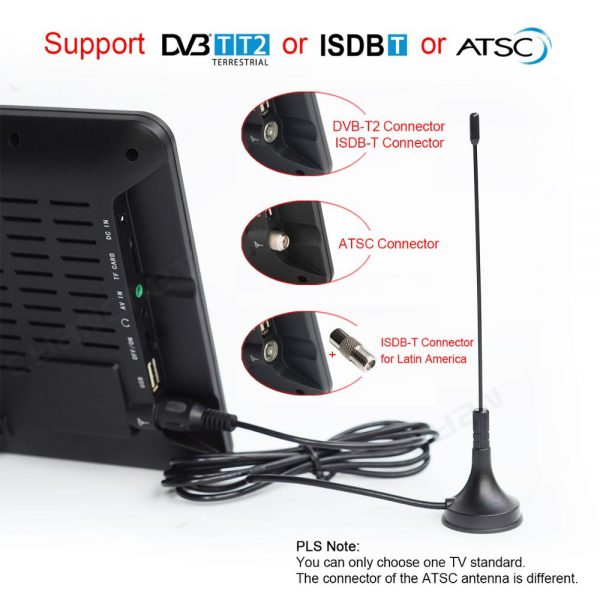
菲律賓家用ISDB-T數位電視接收器

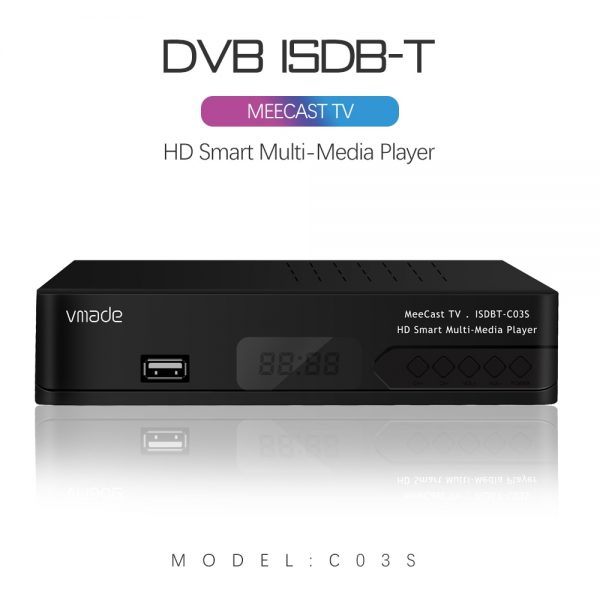
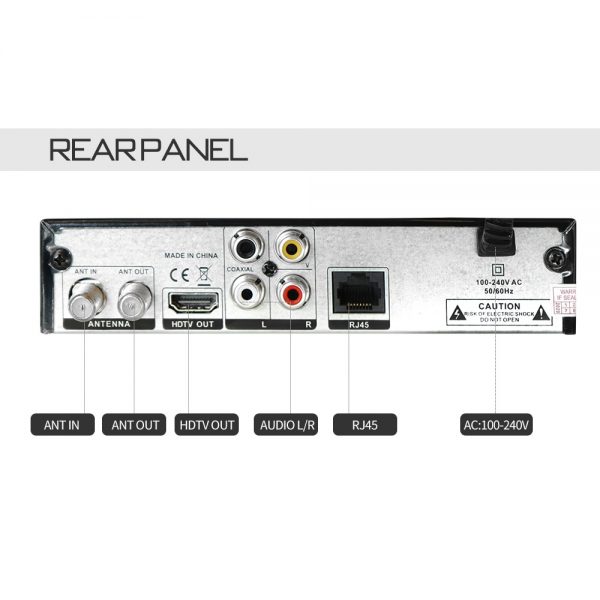
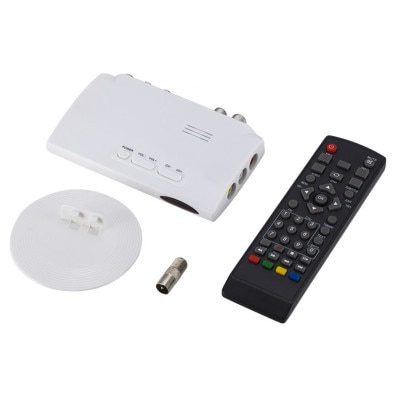
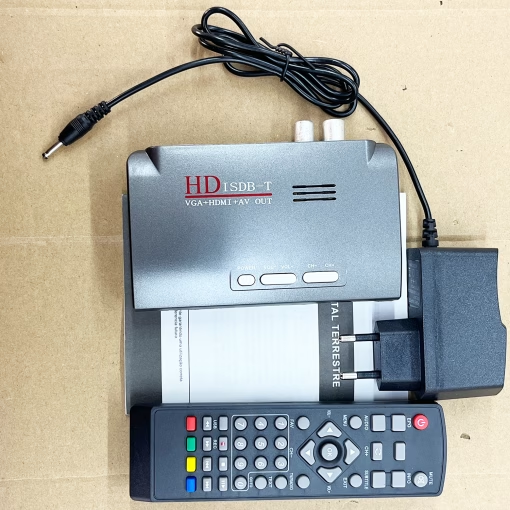
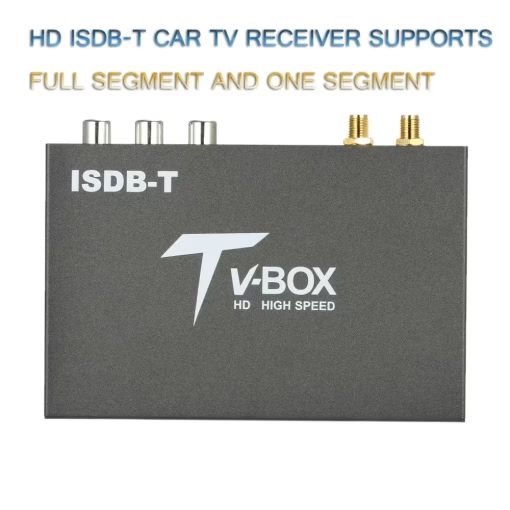
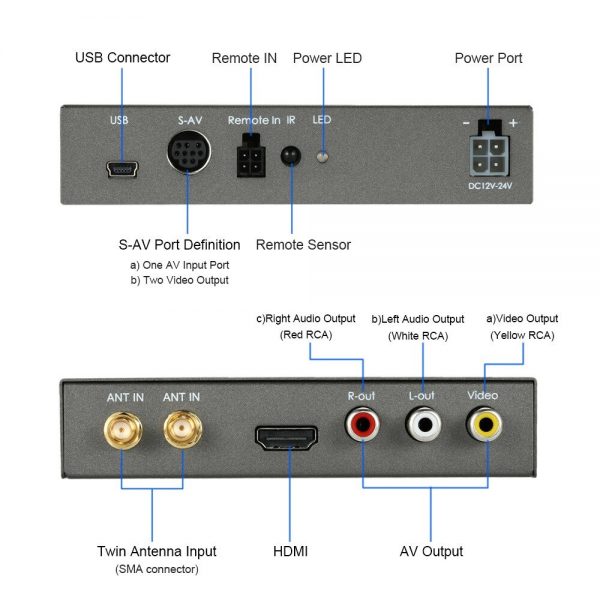
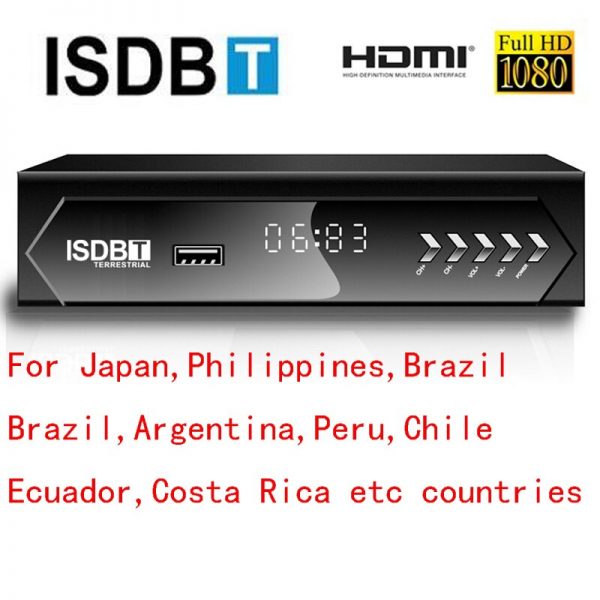
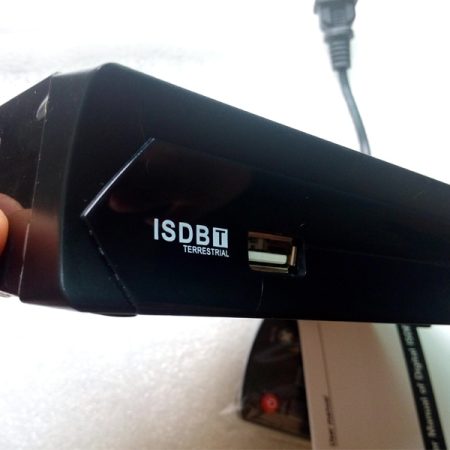
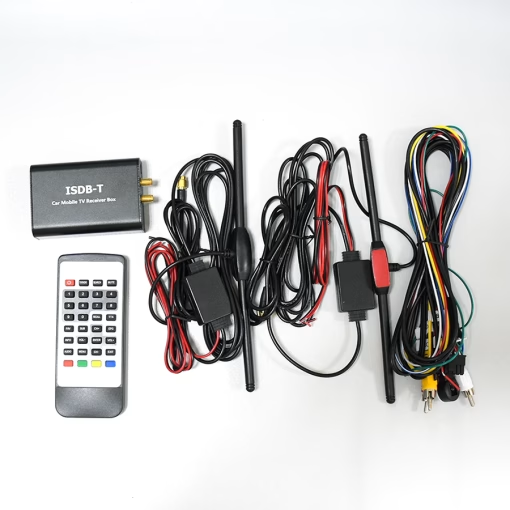
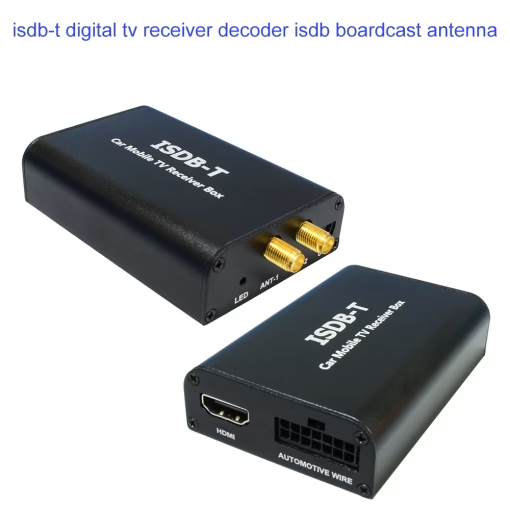
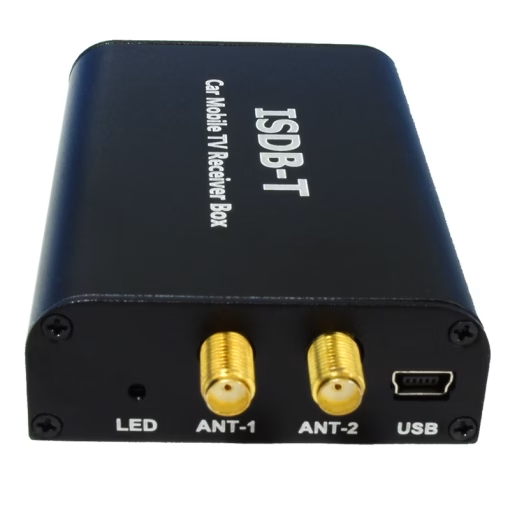
ISDB-T.com offers one-seg, full-seg, MPEG2, and MPEG4 digital TV receivers, which meet ISDB technology requirements. All products are tested in Japan, 菲律賓, and South America.

An Introduction to ISDB-T: Japan’s Digital Terrestrial Broadcasting Standard

資訊系統資料庫 (Integrated Services Digital Broadcasting) is a Japanese standard for digital television (數位電視) and digital radio broadcasting developed for terrestrial, 衛星, and cable networks. The system was designed to support high-quality broadcasting while also enabling mobile reception and data services.

ISDB replaced the earlier analog high-definition television system known as MUSE Hi-Vision, which had been used in Japan for experimental HDTV broadcasting. With the transition to digital broadcasting, ISDB became the backbone of Japan’s modern television infrastructure.

Among the different variants of ISDB, ISDB-T (綜合業務數位廣播 - 地面) is the most widely known, as it is used for terrestrial digital television broadcasting.


Development of the ISDB System

The ISDB standard was primarily developed in Japan through cooperation between the Japanese government and the national public broadcaster NHK. The goal was to create a broadcasting system capable of delivering multiple services over a single transmission channel.

The ISDB family includes several standards:

  • ISDB-T – Terrestrial digital television broadcasting
  • ISDB-S – Satellite digital broadcasting
  • ISDB-C – Cable digital broadcasting
  • ISDB-Tsb – Terrestrial digital sound broadcasting

Among these, ISDB-T became particularly influential due to its flexibility and ability to support both fixed and mobile reception.


Key Technologies Behind ISDB-T

One of the main strengths of ISDB-T is its advanced transmission technology, which allows reliable broadcasting even in complex urban environments.

Segmented Transmission

ISDB-T divides a single 6 MHz channel into 13 段.

  • 12 段 are typically used for standard or high-definition television broadcasting (全段).
  • 1 部分 is dedicated to mobile devices (單段).

This design allows the system to broadcast both high-quality television programs and mobile video services simultaneously.

OFDM Modulation

ISDB-T uses Orthogonal Frequency Division Multiplexing (OFDM) for signal transmission. This modulation technique provides several advantages:

  • 抗多路徑幹擾能力強
  • Reliable signal reception in urban environments
  • Support for single-frequency networks (SFN)

These capabilities make ISDB-T particularly suitable for densely populated cities.

Flexible Video Compression

Early Japanese ISDB-T broadcasts used MPEG-2 video compression. 然而, newer implementations and international versions have adopted MPEG-4 / H.264, which offers much better compression efficiency and improved picture quality at lower bitrates.


One-Seg and Full-Seg Broadcasting

A unique feature of ISDB-T is its ability to support both fixed and mobile television services.

單段

單段 refers to the mobile broadcasting service that uses one of the 13 segments in the ISDB-T transmission channel.

主要特點包括:

  • Low bitrate video
  • Optimized for mobile devices
  • Low power consumption

在日本, One-Seg became widely used in smartphones, portable TVs, and vehicle entertainment systems.

全段

全段 refers to the main television broadcast using the remaining segments of the channel. This mode delivers higher resolution and higher bitrate video suitable for HDTV broadcasting on traditional television sets.


ISDB-T 國際

Although ISDB-T was originally developed for Japan, the technology was later adapted for international use.

A modified version called ISDB-T 國際 (ISDB-Tb) was developed with major contributions from 巴西. The Brazilian government enhanced the system by introducing improvements such as:

  • H.264 video compression
  • Enhanced middleware
  • Improved mobile broadcasting capabilities

Because of Brazil’s contributions, the system is sometimes referred to as the Brazilian Digital TV System (SBTVD).


Global Adoption

ISDB-T International has been adopted by many countries, especially in South America and parts of Asia.

Countries that use the standard include:

  • 日本
  • 巴西
  • 阿根廷
  • 智利
  • 秘魯
  • 菲律賓

Many of these countries selected ISDB-T because of its superior mobile reception capabilities and flexible service architecture.


Comparison with Other Digital TV Standards

Globally, three major terrestrial digital television standards dominate the market:

標準Primary Regions
ISDB-T日本, 南美洲, parts of Asia
DVB-T歐洲, 非洲, parts of Asia
ATSC北美洲

Each standard has its strengths:

  • ATSC was widely adopted in North America but initially had weaker mobile reception support.
  • DVB-T became popular due to its early adoption across Europe and many other regions.
  • ISDB-T stands out for its segmented transmission design and strong mobile broadcasting capabilities.

ISDB-T Receivers and Devices

A wide range of hardware products support ISDB-T reception, 包括:

  • Digital televisions
  • Set-top boxes
  • USB TV tuners
  • Mobile TV receivers
  • Automotive digital TV systems

Companies such as ISDB-T.com offer digital TV receivers supporting technologies like:

  • 單段
  • 全段
  • MPEG-2 decoding
  • MPEG-4 / H.264 decoding

These products are typically tested for compatibility in regions where ISDB-T is deployed, including Japan, 菲律賓, and South America.


The Future of ISDB Broadcasting

Broadcasting technology continues to evolve, and newer generations of ISDB standards are being developed to support ultra-high-definition television.

例如, Japan has introduced advanced systems such as ISDB-S3, which supports 4K and 8K ultra-high-definition broadcasting.

These technologies were showcased during events such as the Tokyo 2020 Olympics, demonstrating the future potential of the ISDB broadcasting ecosystem.


結論

ISDB-T represents one of the most advanced digital terrestrial broadcasting standards in the world. Its segmented transmission architecture, robust modulation techniques, and support for both fixed and mobile devices make it highly versatile.

Thanks to these advantages, ISDB-T has expanded far beyond Japan and become an important digital television standard across South America and parts of Asia. As broadcasting technology continues to evolve toward 4K and 8K ultra-high-definition content, the ISDB ecosystem remains an important player in the global broadcasting landscape.

銷售!
銷售!
原價是: $580.00.目前的價格是: $199.00.
銷售!
原價是: $99.00.目前的價格是: $73.50.

問一個問題

← 返回

感謝你的回應。 ✨