
Чи знаєте ви ISDB-T?
TheІнтегровані послуги цифрового мовлення (ISDB) (Японський: Інтегрований сервіс цифрового мовлення, Tōgō dijitaru hōsō sābisu) це японський стандарт цифрового телебачення(DTV) і цифрове радіо(DAB) використовується радіо- та телевізійними мережами країни. ISDB замінив використовуваний ранішеMUSE Hi-vision аналогова система HDTV. Похідна від ISDB, ISDB-T International, був розроблений урядом Бразилії та широко поширений у Південній Америці.

ISDB-T.com пропонує односег, повний сегмент, MPEG2, і цифрові телевізійні приймачі MPEG4, які відповідають вимогам технології ISDB. Вся продукція тестується в Японії, Філіппіни, і Південна Америка.
Вступ до ISDB-T: Японський стандарт цифрового наземного мовлення
ISDB (Інтегровані послуги цифрового мовлення) це японський стандарт цифрового телебачення (DTV) і цифрове радіомовлення, розроблене для наземного, супутник, і кабельні мережі. Система була розроблена для підтримки високоякісного мовлення, а також для забезпечення мобільного прийому та послуг передачі даних.
ISDB замінила попередню систему аналогового телебачення високої чіткості, відому як MUSE Hi-Vision, який використовувався в Японії для експериментального мовлення HDTV. З переходом на цифрове мовлення, ISDB став основою сучасної телевізійної інфраструктури Японії.
Серед різних варіантів ISDB, ISDB-T (Цифрове мовлення з інтегрованими послугами – наземне) є найбільш широко відомим, оскільки використовується для наземного цифрового телевізійного мовлення.
Розробка системи ISDB
Стандарт ISDB був в основному розроблений в Японії завдяки співпраці між японським урядом і національним громадським мовником NHK. Мета полягала в тому, щоб створити систему мовлення, здатну надавати кілька послуг через один канал передачі.
Сімейство ISDB включає кілька стандартів:
- ISDB-T – Наземне цифрове телевізійне мовлення
- ISDB-S – Супутникове цифрове мовлення
- ISDB-C – Кабельне цифрове мовлення
- ІСДБ-Цб – Наземне цифрове звукове мовлення
Серед них, ISDB-T став особливо впливовим завдяки своїй гнучкості та здатності підтримувати як фіксований, так і мобільний прийом.
Ключові технології, що стоять за ISDB-T
Однією з головних переваг ISDB-T є передова технологія передачі, що забезпечує надійне мовлення навіть у складних міських умовах.
Сегментована передача
ISDB-T розділяє сингл 6 канал МГц в 13 сегменти.
- 12 сегменти зазвичай використовуються для телевізійного мовлення стандартної або високої чіткості (Повний сегмент).
- 1 сегмент присвячений мобільним пристроям (Односегментний).
Така конструкція дозволяє системі транслювати як високоякісні телевізійні програми, так і мобільні відеосервіси одночасно.
Модуляція OFDM
ISDB-T використовує Ортогональне частотне мультиплексування (OFDM) для передачі сигналу. Ця техніка модуляції дає кілька переваг:
- Сильна стійкість до багатопроменевих перешкод
- Надійний прийом сигналу в міських умовах
- Підтримка одночастотних мереж (SFN)
Ці можливості роблять ISDB-T особливо придатним для густонаселених міст.
Гнучке стиснення відео
Використовувалися ранні японські трансляції ISDB-T MPEG-2 стиснення відео. Проте, прийнято новіші реалізації та міжнародні версії MPEG-4 / H.264, який забезпечує набагато кращу ефективність стиснення та покращену якість зображення за нижчих бітрейтів.
Односегментне та повносегментне мовлення
Унікальною особливістю ISDB-T є його здатність підтримувати послуги як фіксованого, так і мобільного телебачення.
Односегментний
Односегментний відноситься до служби мобільного мовлення, яка використовує один із 13 сегментів у каналі передачі ISDB-T.
Основні функції включають:
- Низький бітрейт відео
- Оптимізовано для мобільних пристроїв
- Низьке енергоспоживання
В Японії, One-Seg став широко використовуватися в смартфонах, портативні телевізори, і автомобільні розважальні системи.
Повний сегмент
Повний сегмент відноситься до основної телевізійної трансляції з використанням решти сегментів каналу. Цей режим забезпечує відео з вищою роздільною здатністю та вищим бітрейтом, придатним для трансляції HDTV на традиційних телевізорах.
ISDB-T International
Хоча ISDB-T спочатку був розроблений для Японії, пізніше цю технологію адаптували для міжнародного використання.
Модифікована версія називається ISDB-T International (ISDB-Tb) було розроблено з великим внеском Бразилія. Уряд Бразилії вдосконалив систему, запровадивши такі вдосконалення, як:
- Стиснення відео H.264
- Розширене проміжне програмне забезпечення
- Покращено можливості мобільного мовлення
Завдяки внеску Бразилії, систему іноді називають Бразильська система цифрового телебачення (SBTVD).
Глобальне усиновлення
ISDB-T International прийнято багатьма країнами, особливо в Південній Америці та частині Азії.
Країни, які використовують стандарт, включають:
- Японія
- Бразилія
- Аргентина
- Чилі
- Перу
- Філіппіни
Багато з цих країн вибрали ISDB-T через його чудові можливості мобільного прийому та гнучку архітектуру обслуговування.
Порівняння з іншими стандартами цифрового телебачення
Глобально, На ринку домінують три основні стандарти наземного цифрового телебачення:
| Стандартний | Первинні регіони |
|---|---|
| ISDB-T | Японія, Південна Америка, частини Азії |
| DVB-T | Європа, Африка, частини Азії |
| ATSC | Північна Америка |
Кожен стандарт має свої сильні сторони:
- ATSC був широко поширений у Північній Америці, але спочатку мав слабку підтримку мобільного прийому.
- DVB-T став популярним завдяки ранньому прийняттю в Європі та багатьох інших регіонах.
- ISDB-T виділяється своїм сегментованим дизайном передачі та потужними можливостями мобільного мовлення.
Приймачі та пристрої ISDB-T
Широкий спектр апаратних продуктів підтримує прийом ISDB-T, в тому числі:
- Цифрові телевізори
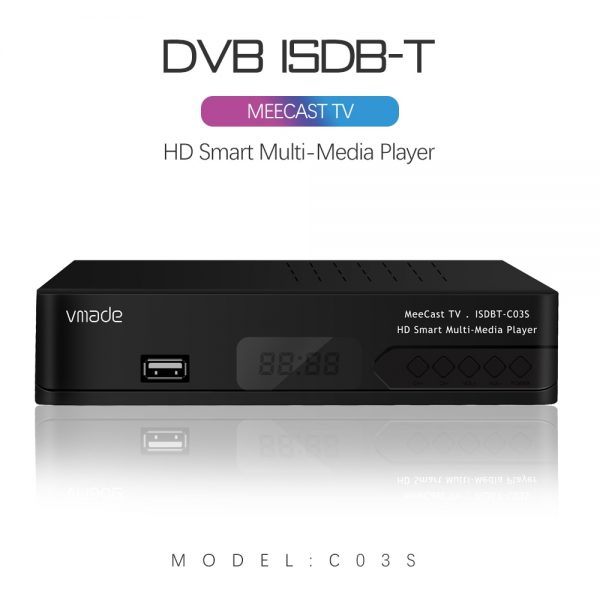
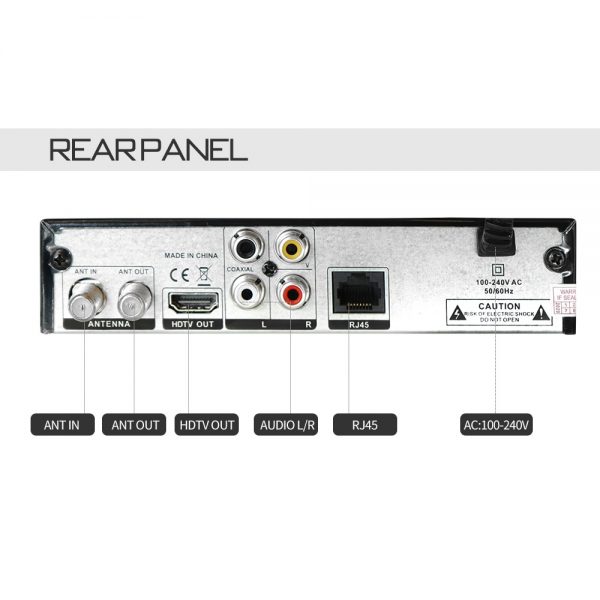
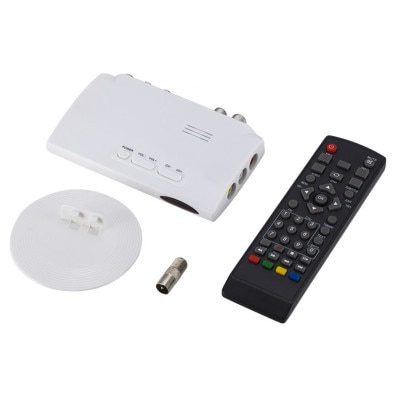
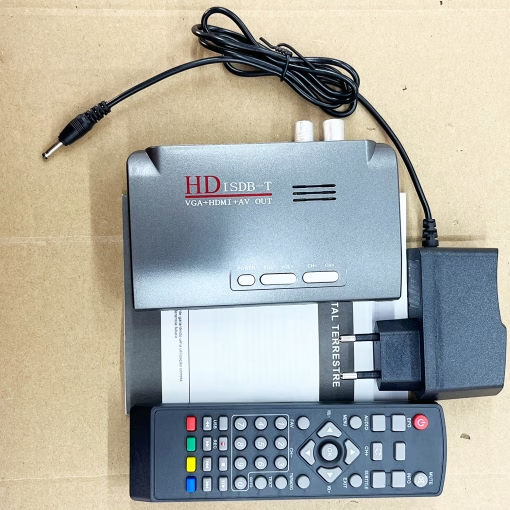
- Приставки
- ТВ-тюнери USB
- Приймачі мобільного телебачення
- Автомобільні системи цифрового телебачення
Такі компанії, як ISDB-T.com пропонують цифрові телевізійні приймачі, що підтримують такі технології, як:
- Односегментний
- Повний сегмент
- Декодування MPEG-2
- MPEG-4 / Декодування H.264
Ці продукти зазвичай перевіряються на сумісність у регіонах, де розгорнуто ISDB-T, включаючи Японію, Філіппіни, і Південна Америка.
Майбутнє мовлення ISDB
Технологія мовлення продовжує розвиватися, і нові покоління стандартів ISDB розробляються для підтримки телебачення надвисокої чіткості.
Наприклад, Японія представила передові системи, такі як ISDB-S3, який підтримує 4Трансляція K і 8K надвисокої чіткості.
Ці технології були продемонстровані під час таких заходів, як Токіо 2020 олімпіада, демонстрація майбутнього потенціалу екосистеми мовлення ISDB.
Висновок
ISDB-T представляє один із найдосконаліших стандартів цифрового наземного мовлення у світі. Його сегментована архітектура передачі, надійні методи модуляції, а підтримка як стаціонарних, так і мобільних пристроїв робить його надзвичайно універсальним.
Завдяки цим перевагам, ISDB-T вийшов далеко за межі Японії та став важливим стандартом цифрового телебачення в Південній Америці та частині Азії. Оскільки технологія мовлення продовжує розвиватися в напрямку вмісту надвисокої чіткості 4K і 8K, екосистема ISDB залишається важливим гравцем у світовому телерадіомовленні.



1 Сегмент ISDB-T AM FM
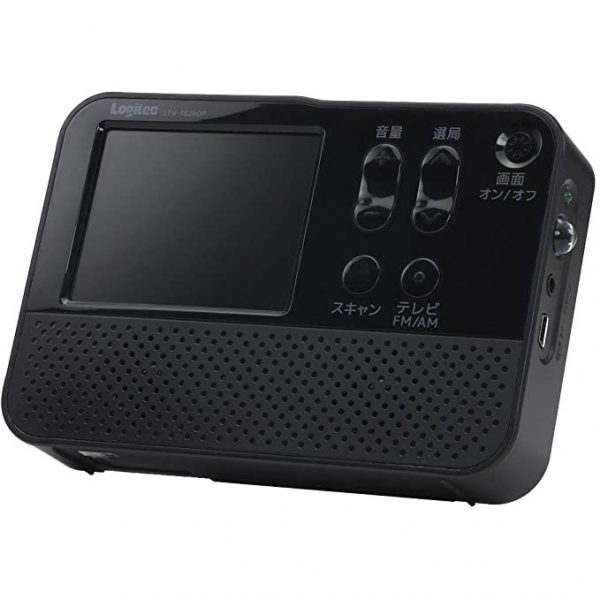
AM FM радіо 1 seg ISDB-T звук телевізора з акумуляторним динаміком


Кодер HDMI до ISDB-T RF
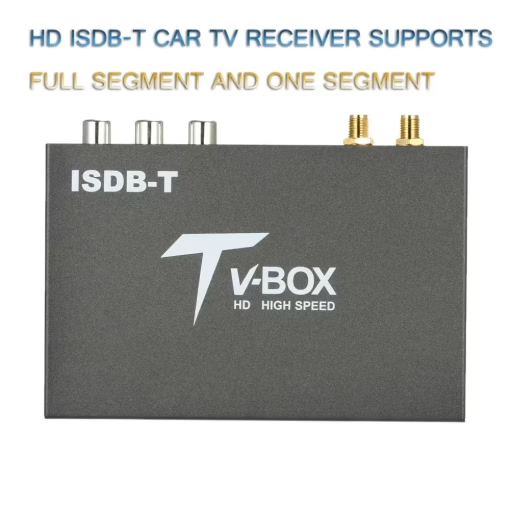
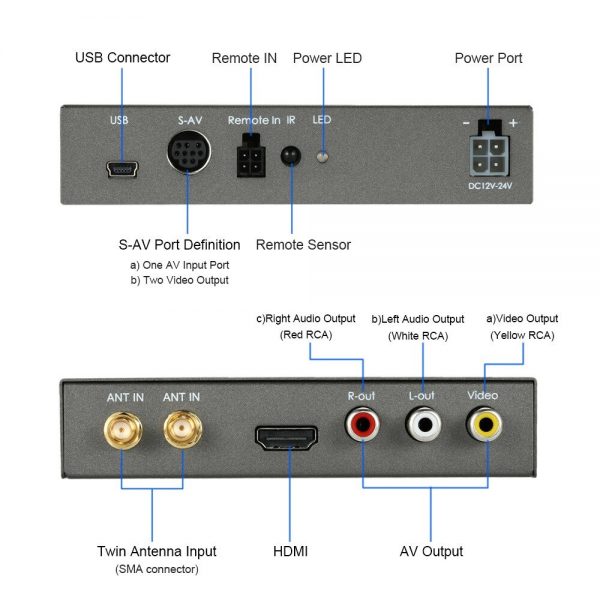
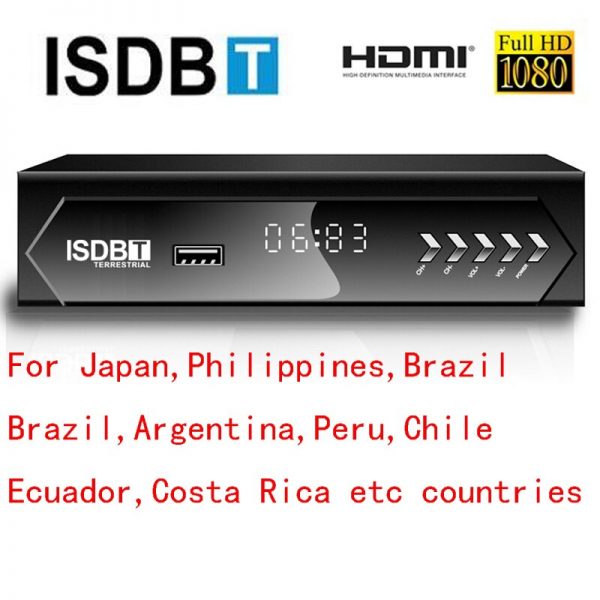
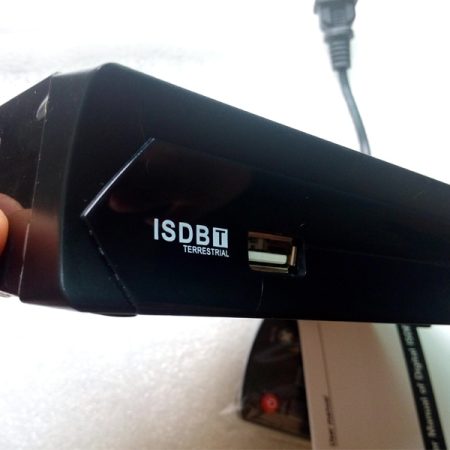
ISDB-T
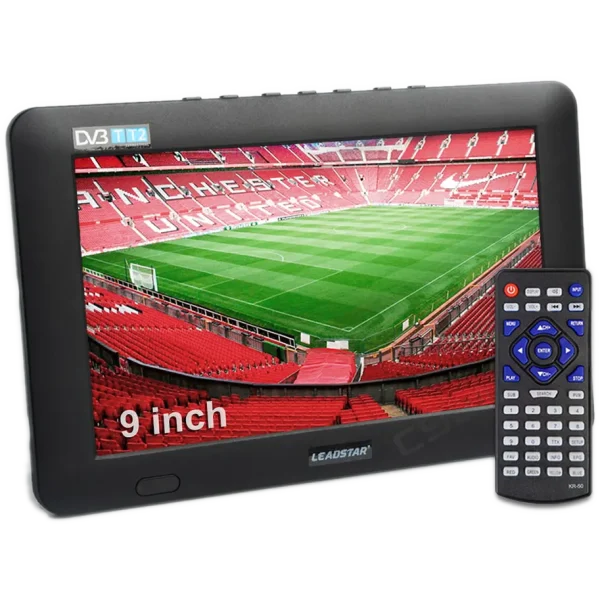
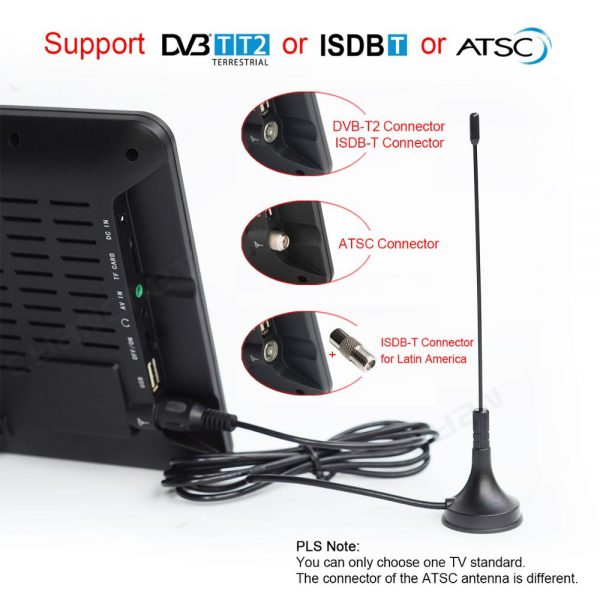
HD FTA ISDB-T приймач ТВ-тюнер Наземний для Бразилії Аргентина Чилі Венесуела Коста-Ріка Філіппіни
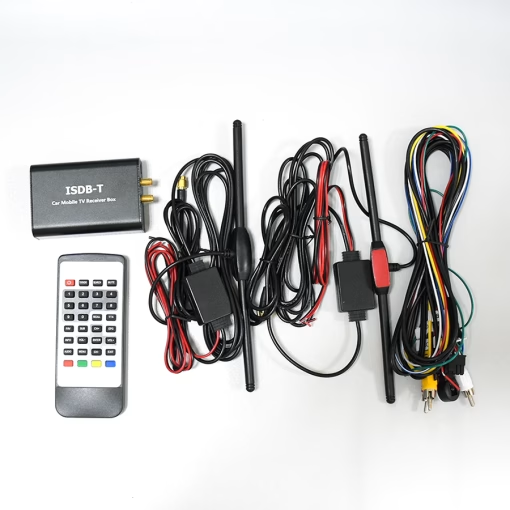

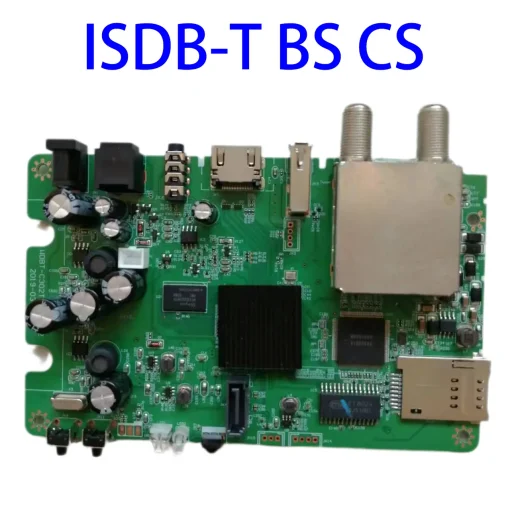
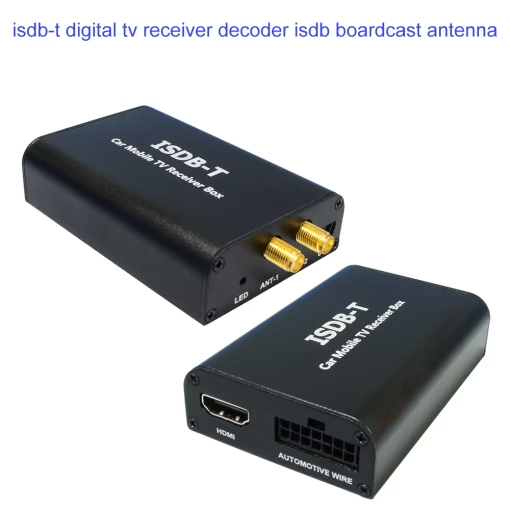
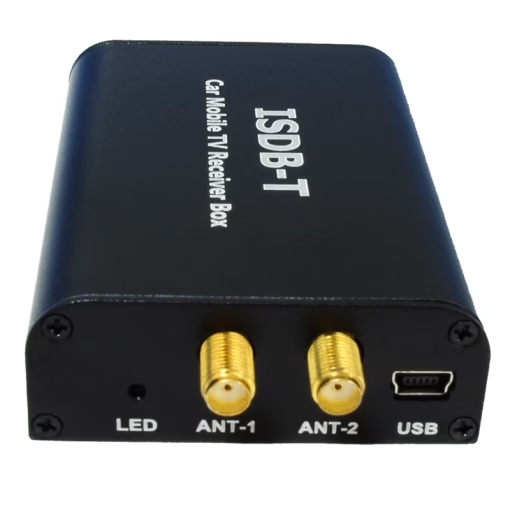
ISDB-T для автомобіля
isdb-t декодер цифрового телевізійного приймача isdb boardcast antenna mini
Задайте питання
Дякуємо за вашу відповідь. ✨