
Υπάρχουν ξεχωριστές διαφορές μεταξύ Ψηφιακή εκπομπή βίντεο (DVB) και Ψηφιακές εκπομπές ολοκληρωμένων υπηρεσιών (ISDB). Αυτά τα DVB-T & Οι μορφές εκπομπής ISDB-T χρησιμοποιούνται σε διάφορα μέρη του κόσμου. ο “Τ” σε “DVB-T” και “ISDB-T” αντιπροσωπεύει “Γήινος,” Και ορίζει μια πιο διεθνή μορφή κάθε αρχικού συστήματος εκπομπής. Υπάρχουν επίσης μερικά DVB-S και ISDB-S, ο “μικρό” αντιπροσωπεύει “Δορυφόρος”.

Το DVB είναι ένα ευρέως χρησιμοποιούμενο σύστημα που δέχεται ορισμένα πρότυπα για την εκτέλεση προγραμματισμού. Πρόκειται για ένα σύνολο κατευθυντήριων γραμμών που δημιουργήθηκε από το έργο DVB, που είναι ένα διοικητικό συμβούλιο που αποτελείται από διεθνή μέλη. Ο οργανισμός είναι ευρωπαϊκός, Αλλά το DVB χρησιμοποιείται σε χώρες σε όλο τον κόσμο. Το DVB προσφέρει διανομή δεδομένων με διάφορους τρόπους, όπως δορυφόρος, καλώδιο, επίγεια τηλεόραση, και μικροκύματα.

Το ISDB είναι μια πολύ λιγότερο διαδεδομένη εναλλακτική λύση για το DVB. Αναπτύχθηκε στην Ιαπωνία και κατασκευάστηκε για χρήση σε αυτήν τη χώρα. Χρησιμοποιείται από τα αναλογικά ραδιοφωνικά και τηλεοπτικά συστήματα της Ιαπωνίας, καθώς και από όλα τα ψηφιακά της τηλεοπτικά και ραδιοσυστατικά συστήματα. Το ISDB-T μπορεί να χρησιμοποιηθεί για την εκπομπή τηλεοπτικών εκπομπών υψηλής ευκρίνειας και την εμφάνιση πληροφοριών από μια κινητή συσκευή, όπως ένα κινητό τηλέφωνο που ονομάζεται ένα SEGS ταυτόχρονα.

DVB-T & ISDB-T
Ενώ το DVB κατασκευάστηκε αρχικά για χρήση στην Ευρώπη, Μπορεί να χρησιμοποιηθεί σε όλο τον κόσμο με το DVB-T. Οι χώρες που χρησιμοποιούν το DVB περιλαμβάνουν τη Νότια Αφρική, Κενύα, Ιράν, Ισραήλ, Νέα Ζηλανδία, και τη Μαλαισία. Ελεγχος Οι υιοθετημένες χώρες DVB-T.
Το ISDB-T δημιουργήθηκε στην Ιαπωνία στο 2003, Αλλά δεν άφησε τη χώρα μέχρι η Βραζιλία άρχισε να τη χρησιμοποιεί 2007. Το ISDB-T έγινε πλήρως διεθνές μέχρι τα μέσα του 2011, Τώρα Οι υιοθετημένες χώρες ISDB-T, 6M Χώρες εύρους ζώνης, Ιαπωνία, Βραζιλία, Περού, Αργεντίνη, Φιλιππίνες, χιλή, Βενεζουέλα, Εκουαδόρ, Παραγουάη, Κόστα Ρίκα, Βολιβία, Νικαράγουα, Ουρουγουάη, Μπελίζ, Ονδούρα, Γουατεμάλα, Ελ Σαλβαδόρ, Σρι Λάνκα 8M Χώρες εύρους ζώνης, Μποτσουάνα, Μαλδίβες

Διαφορές
Το σύστημα DVB-T προσφέρει 6, 7, και 8 Δέκτες MHz, Αυτό σημαίνει ότι μπορούν να μεταδώσουν σε τρεις ταχύτητες. Το ISDB-T δεν προσφέρει δέκτες με 7 δυνατότητες. Αυτή είναι η μόνη σημαντική διαφορά μεταξύ DVB-T και ISDB-T, ωστόσο, Επειδή και οι δύο χρησιμοποιούν κωδικοποιημένη ορθογώνια πολυπλεξία διαίρεσης συχνότητας (COFDM) Τεχνολογία διαμόρφωσης. Αυτός ο παράγοντας κάνει και τα δύο να παράγουν παρόμοια απόδοση.
Επιλέξτε λοιπόν το DVB-T ISDB-T που είναι καλύτερο? Επιλέξτε το σωστό πλαίσιο ψηφιακής τηλεόρασης σύμφωνα με το οποίο αγόρασε η χώρα που αγόρασε η χώρα σας. Εάν έχετε οποιεσδήποτε ερωτήσεις, μπορείτε επικοινωνήστε μαζί μας Για να επιβεβαιώσετε για εσάς.
Ως επαγγελματίας παραγωγός ψηφιακής τηλεόρασης στην Κίνα, Το ISDB-T.com θα σας προσφέρει πολλές επιλογές.
DVB-T vs ISDB-T: Key Differences and an In-Depth Look at ISDB-T Digital TV Technology
Digital terrestrial television standards allow broadcasters to deliver high-quality video, ήχου, and data services over the air. Among the most widely used systems are DVB-T (Digital Video Broadcasting – Terrestrial) και ISDB-T (Ολοκληρωμένες Υπηρεσίες Ψηφιακή Μετάδοση – Επίγεια).
Both technologies are designed to transmit digital TV signals through terrestrial broadcast networks, but they were developed in different regions and have different technical features and deployment histories.
Σε αυτό το άρθρο, we explore the differences between DVB-T and ISDB-T, and also take a deeper look at ISDB-T technology, its features, advantages, and global adoption.
What is DVB-T?
DVB-T (Digital Video Broadcasting – Terrestrial) is a digital broadcasting standard developed by the DVB Project, an international consortium of broadcasters, manufacturers, and network operators.
Originally designed for Europe, DVB-T has become one of the most widely used digital terrestrial TV standards worldwide.
Key characteristics of DVB-T
- Υποστηρίζει 6 MHz, 7 MHz, και 8 MHz bandwidth channels
- Χρήσεις COFDM (Κωδικοποιημένη Ορθογώνια Πολυπλεξία Διαίρεσης Συχνότητας) διαμόρφωση
- Υποστηρίζει QPSK, 16QAM, and 64QAM constellations
- Enables Single Frequency Network (SFN) ραδιοφωνικός
- Σχεδιασμένο για HDTV, SDTV, and digital radio services
DVB-T is used in many countries across Europe, Αφρική, Ασία, and Oceania.
Popular related keywords:
- DVB-T digital TV
- DVB-T receiver
- DVB-T set-top box
- DVB-T terrestrial broadcasting
Τι είναι το ISDB-T?
ISDB-T (Ολοκληρωμένες Υπηρεσίες Ψηφιακή Μετάδοση – Επίγεια) is a digital broadcasting system developed in Ιαπωνία. It was designed to support high-definition television, mobile broadcasting, and data services within a single broadcast channel.
The standard was launched in Japan in the early 2000s and later adopted by many countries in Latin America and Asia.
ISDB-T is widely known for its ευκαμψία, ευρωστία, and support for mobile television services.
Key features of ISDB-T
- Χρήσεις Διαμόρφωση COFDM
- Υποστηρίζει mobile and portable reception
- Enables simultaneous HD and mobile broadcasting
- Includes Emergency Warning System (EWS)
- επιτρέπει μετάδοση δεδομένων και διαδραστικές υπηρεσίες
One of the most distinctive features of ISDB-T is its τμηματοποιημένο σύστημα μετάδοσης, which divides a broadcast channel into smaller segments for different services.
Important SEO keywords:
- ISDB-T digital TV
- Δέκτης ISDB-T
- ISDB-T set-top box
- Σύστημα εκπομπής ISDB-T
- ISDB-T tuner
- Διαμορφωτής ISDB-T
ISDB-T Segmented Transmission Technology
Unlike most digital TV standards, ISDB-T divides each 6 Κανάλι MHz σε 13 τμήματα.
This segmentation allows broadcasters to transmit multiple services simultaneously.
Typical configuration:
- 12 τμήματα – used for HD or SD television (Full-Seg)
- 1 τμήμα – used for κινητή τηλεόραση (One-Seg)
One-Seg Mobile TV
One-Seg is a mobile broadcasting service designed for:
- Smartphones
- Φορητές τηλεοράσεις
- Δέκτης τηλεόρασης USB
- Car TV receivers
The One-Seg service allows viewers to watch live TV on mobile devices using just one segment of the broadcast channel.
Benefits of One-Seg:
- Low bandwidth consumption
- Reliable reception while moving
- Ideal for smartphones and portable devices
This feature makes ISDB-T particularly strong for mobile broadcasting, something DVB-T originally did not emphasize.
ISDB-T Technical Advantages
ISDB-T includes several improvements designed to improve reception quality and network efficiency.
1. Time Interleaving
Χρήσεις ISDB-T time interleaving, which improves signal robustness in noisy environments and enhances reception for mobile or indoor devices.
2. Mobile and Portable Reception
The segmented transmission architecture enables reliable reception in:
- Moving vehicles
- Smartphones
- Portable televisions
- USB digital TV receivers
3. Emergency Warning System (EWS)
ISDB-T includes a built-in Emergency Warning System, which can automatically broadcast disaster alerts such as:
- Earthquakes
- Tsunamis
- Weather warnings
The system can automatically switch TVs on to display emergency information.
4. Efficient Frequency Usage
ISDB-T supports Single Frequency Networks (SFN), allowing multiple transmitters to operate on the same frequency.
Benefits include:
- Lower transmitter power
- Better coverage
- Αποτελεσματική χρήση φάσματος
ISDB-T Global Adoption
Although ISDB-T originated in Japan, it has expanded significantly across the world.
Countries using ISDB-T or ISDB-Tb (Βραζιλιάνικη έκδοση) περιλαμβάνω:
Ασία
- Ιαπωνία
- Φιλιππίνες
- Σρι Λάνκα
- Μαλδίβες
Latin America
- Βραζιλία
- Αργεντίνη
- χιλή
- Περού
- Εκουαδόρ
- Βενεζουέλα
- Παραγουάη
- Ουρουγουάη
- Βολιβία
- Κόστα Ρίκα
- Νικαράγουα
- Ονδούρα
- Γουατεμάλα
- Ελ Σαλβαδόρ
- Μπελίζ
Αφρική
- Μποτσουάνα
Brazil played an important role in spreading the standard internationally by creating the ISDB-Tb variant, optimized for Latin American broadcasting.
Common SEO keywords:
- Χώρες ISDB-T
- ISDB-Tb standard
- ISDB-T Latin America
- ISDB-T Brazil digital TV
DVB-T vs ISDB-T: Key Differences
| χαρακτηριστικό | DVB-T | ISDB-T |
|---|---|---|
| Προέλευση | Ευρώπη | Ιαπωνία |
| Channel Bandwidth | 6 / 7 / 8 MHz | Mainly 6 MHz |
| Διαμόρφωση | COFDM | COFDM |
| Mobile TV | Limited in original DVB-T | Ενσωματωμένος (One-Seg) |
| Segmented transmission | Οχι | Ναί (13 τμήματα) |
| Emergency alert system | Not standard | Built-in EWS |
| Adoption regions | Ευρώπη, Αφρική, Ασία | Ιαπωνία, Latin America, Ασία |
Both systems deliver similar performance because they rely on Διαμόρφωση COFDM, which ensures strong signal resistance to interference.
Choosing the Right Digital TV Standard
When selecting a digital TV receiver or set-top box, it is important to choose the correct standard used in your country.
Examples:
- Countries using DVB-T require a DVB-T set-top box
- Countries using ISDB-T require an ISDB-T receiver or tuner
Using the wrong receiver will prevent your TV from decoding the broadcast signal.
Common product keywords:
- ISDB-T digital TV box
- ISDB-T tuner for TV
- ISDB-T car TV receiver
- ISDB-T USB TV stick
- Κωδικοποιητής διαμορφωτή ISDB-T
Σύναψη
Both DVB-T and ISDB-T are important digital terrestrial broadcasting standards used around the world. While DVB-T is more widely adopted globally, ISDB-T offers unique advantages such as segmented broadcasting, mobile TV support, and built-in emergency alert systems.
With the rise of mobile viewing, portable receivers, and smart broadcasting services, ISDB-T remains a powerful and flexible solution for modern digital television networks.
Αν ψάχνετε για Δέκτες ISDB-T, ISDB-T set-top boxes, or ISDB-T modulators, be sure to choose a device compatible with the digital broadcasting system used in your country.


1 SEG ISDB-T AM FM


Κωδικοποιητής HDMI σε ISDB-T RF
Digital Encoder Modulator HD-MI συμβατό Extender Over Coaxial ISDB-T TV RF Modulator MJZSEE V2020I


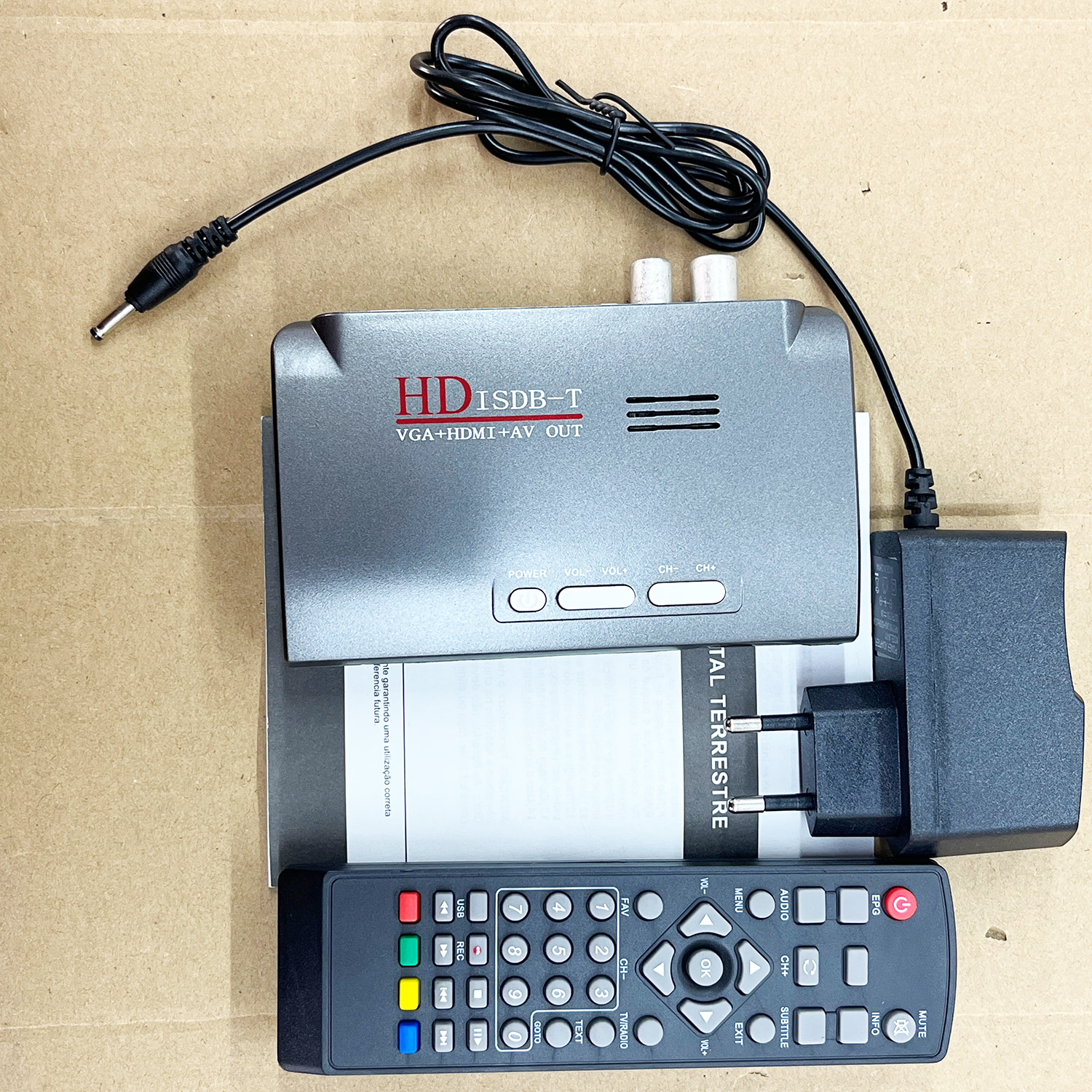




ISDB-T για το σπίτι
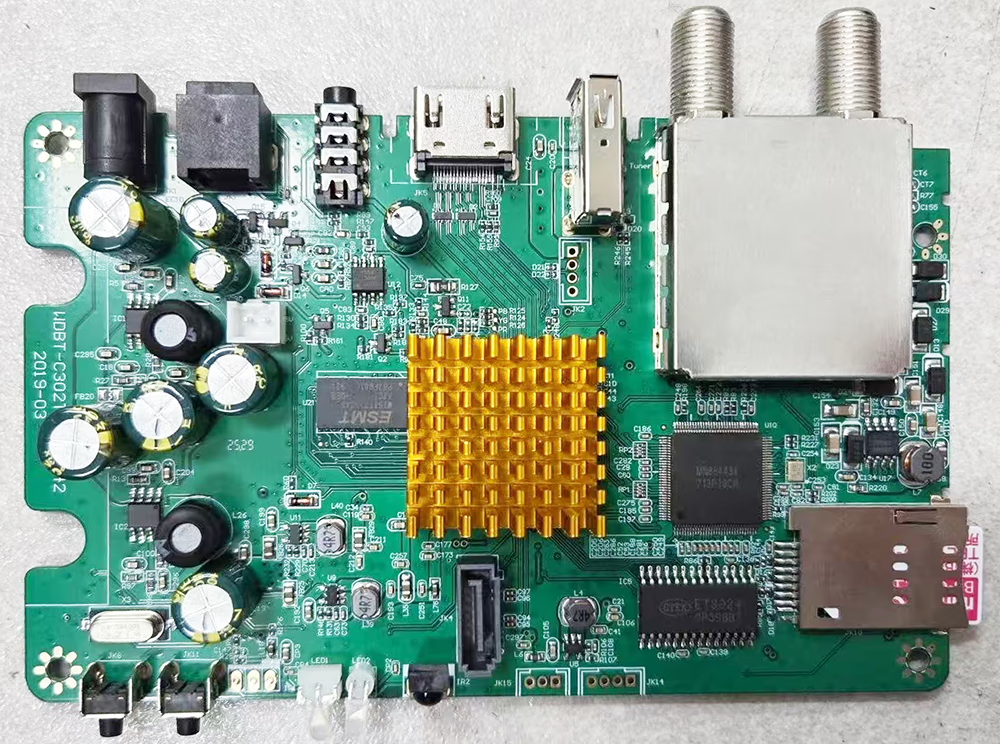
ISDB-T BS CS Ιαπωνία Ιαπωνική πλακέτα PCB αποκωδικοποιητή PVR τηλεόρασης τριών ζωνών

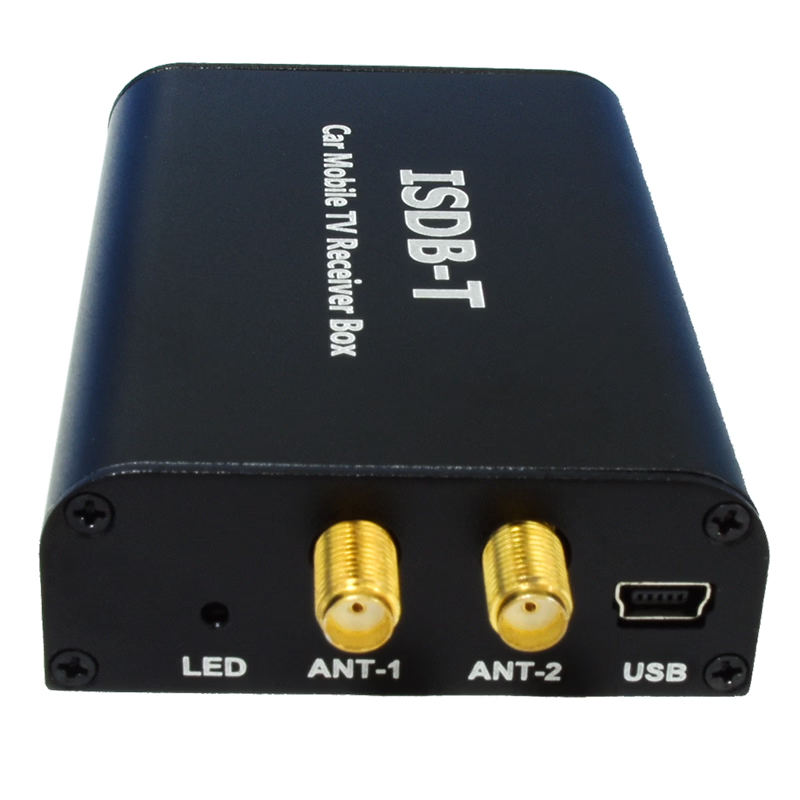
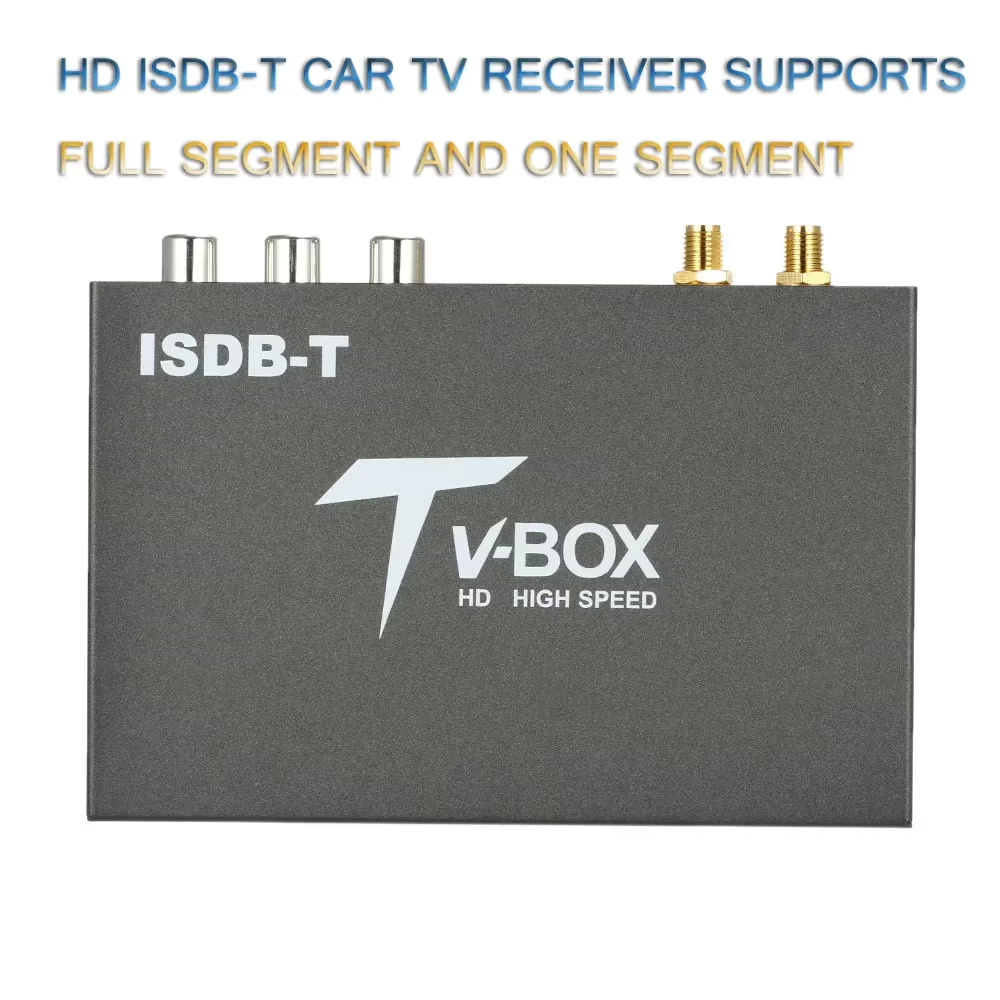
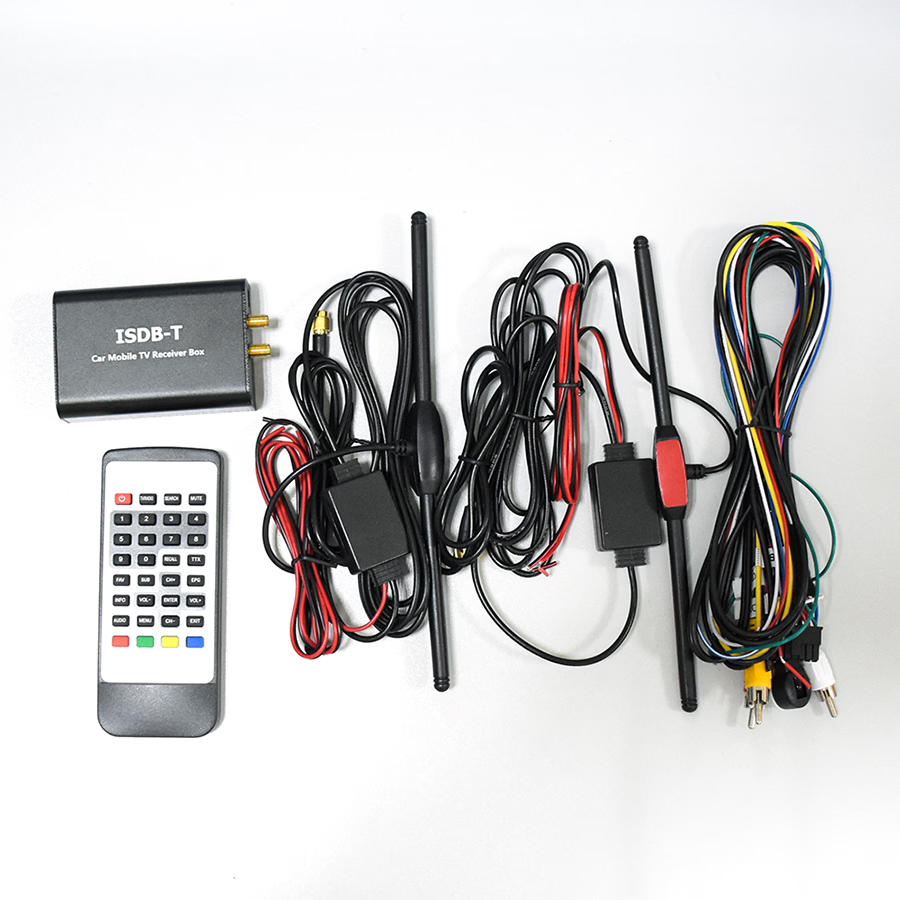
ISDB-T για αυτοκίνητο
ISDB-T Digital TV δέκτη αποκωδικοποιητή ISDB ANTENNA ANTENNA ANTENNA MINI MINI
Κάντε μια ερώτηση
Το μήνυμά σας έχει σταλεί