
Sự khác biệt rõ ràng tồn tại giữa Phát sóng video kỹ thuật số (DVB) và Dịch vụ tích hợp Phát sóng kỹ thuật số (ISDB). Những DVB-T đó & Các định dạng phát sóng ISDB-T được sử dụng ở các nơi khác nhau trên thế giới. Các “T” trong “DVB-T” và “ISDB-T” viết tắt của “Thổ địa,” Và nó chỉ định một hình thức quốc tế hơn của mỗi hệ thống phát sóng gốc. Ngoài ra còn có một số DVB-S và ISDB-S, Các “S” viết tắt của “Vệ tinh”.

DVB là một hệ thống được sử dụng rộng rãi, chấp nhận một số tiêu chuẩn nhất định để chạy lập trình. Nó là một bộ hướng dẫn được thiết lập bởi dự án DVB, là một hội đồng bao gồm các thành viên quốc tế. Tổ chức này có trụ sở tại châu Âu, Nhưng DVB được sử dụng ở các quốc gia trên toàn thế giới. DVB cung cấp phân phối dữ liệu theo nhiều cách, chẳng hạn như vệ tinh, cáp, Truyền hình mặt đất, và lò vi sóng.

ISDB là một sự thay thế ít phổ biến hơn cho DVB. Nó được phát triển ở Nhật Bản và được xây dựng để sử dụng ở quốc gia đó. Nó được sử dụng bởi các hệ thống đài phát thanh và truyền hình tương tự Nhật Bản cũng như tất cả các hệ thống truyền hình và đài phát thanh kỹ thuật số của nó. ISDB-T có thể được sử dụng để phát các chương trình truyền hình độ phân giải cao và hiển thị thông tin từ thiết bị di động như điện thoại di động được gọi là một SEGS cùng một lúc.

DVB-T & ISDB-T
Trong khi DVB ban đầu được xây dựng để sử dụng ở châu Âu, Nó có thể được sử dụng trên toàn thế giới với DVB-T. Các quốc gia sử dụng DVB bao gồm Nam Phi, Kê-ni-a, Iran, Người israel, New Zealand, và Malaysia. Kiểm tra Các quốc gia được thông qua DVB-T.
ISDB-T được tạo ra ở Nhật Bản trong 2003, Nhưng nó đã không rời khỏi đất nước cho đến khi Brazil bắt đầu sử dụng nó 2007. ISDB-T trở nên hoàn toàn quốc tế vào giữa năm 2011, Hiện nay Các quốc gia được thông qua ISDB-T, 6Các quốc gia băng thông M., Nhật Bản, Brazil, Peru, Argentina, Philippines, Chile, Venezuela, Ecuador, Paraguay, Costa Rica, Bôlivia, Nicaragua, Uruguay, Belize, Honduras, Guatemala, El Salvador, Sri Lanka 8Các quốc gia băng thông M., Botswana, Maldives

Sự khác biệt
Hệ thống DVB-T cung cấp 6, 7, và 8 Máy thu MHz, có nghĩa là họ có thể phát sóng ở ba tốc độ. ISDB-T không cung cấp máy thu với 7 khả năng. Đó là sự khác biệt lớn duy nhất giữa DVB-T và ISDB-T, Tuy nhiên, Vì cả hai đều sử dụng ghép kênh phân chia tần số trực giao được mã hóa (COFDM) Công nghệ điều chế. Yếu tố đó làm cho cả hai tạo ra một hiệu suất tương tự.
Vì vậy, chọn DVB-T ISDB-T tốt hơn? Vui lòng chọn hộp TV kỹ thuật số chính xác theo đó hệ thống TV kỹ thuật số mà quốc gia của bạn đã mua. Nếu bạn có bất kỳ câu hỏi nào, Bạn có thể liên hệ chúng tôi Để xác nhận cho bạn.
Là một nhà sản xuất truyền hình kỹ thuật số chuyên nghiệp ở Trung Quốc, ISDB-T.com sẽ cung cấp cho bạn nhiều lựa chọn.
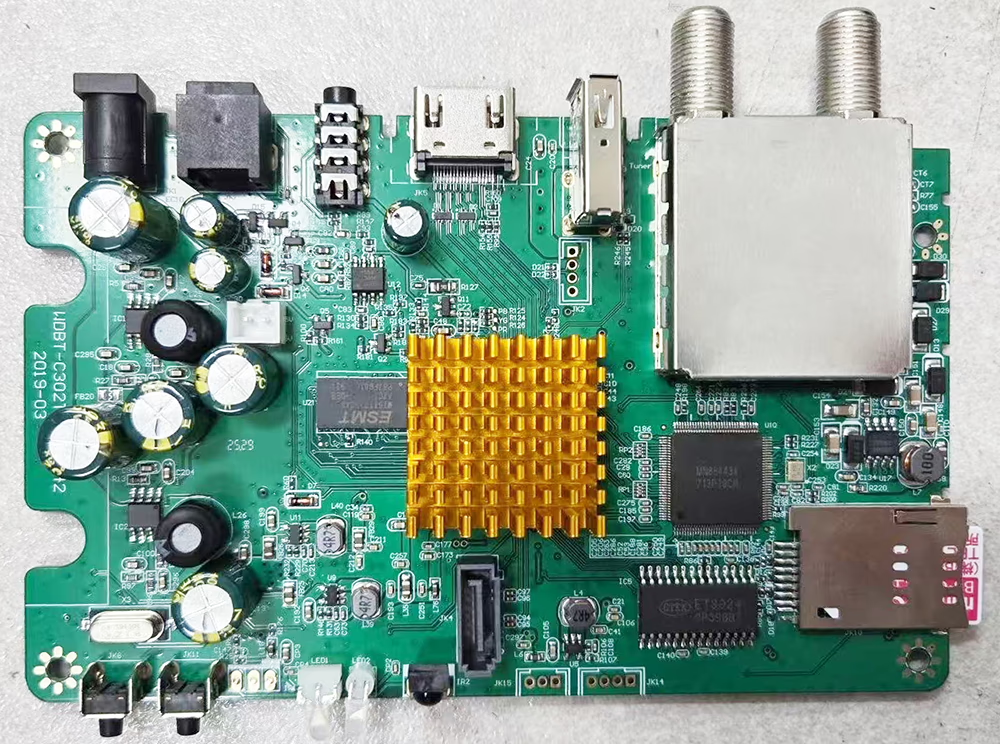
DVB-T vs ISDB-T: Key Differences and an In-Depth Look at ISDB-T Digital TV Technology
Digital terrestrial television standards allow broadcasters to deliver high-quality video, âm thanh, and data services over the air. Among the most widely used systems are DVB-T (Digital Video Broadcasting – Terrestrial) và ISDB-T (Dịch vụ tích hợp Truyền hình số – Mặt đất).
Both technologies are designed to transmit digital TV signals through terrestrial broadcast networks, but they were developed in different regions and have different technical features and deployment histories.
Trong bài viết này, we explore the differences between DVB-T and ISDB-T, and also take a deeper look at ISDB-T technology, its features, advantages, and global adoption.
What is DVB-T?
DVB-T (Digital Video Broadcasting – Terrestrial) is a digital broadcasting standard developed by the DVB Project, an international consortium of broadcasters, manufacturers, and network operators.
Originally designed for Europe, DVB-T has become one of the most widely used digital terrestrial TV standards worldwide.
Key characteristics of DVB-T
- Hỗ trợ 6 MHz, 7 MHz, và 8 MHz bandwidth channels
- Sử dụng COFDM (Ghép kênh phân chia tần số trực giao được mã hóa) điều chế
- Hỗ trợ QPSK, 16QAM, and 64QAM constellations
- Enables Single Frequency Network (SFN) phát sóng
- Được thiết kế cho HDTV, SDTV, and digital radio services
DVB-T is used in many countries across Europe, Châu phi, Châu Á, and Oceania.
Popular related keywords:
- DVB-T digital TV
- DVB-T receiver
- DVB-T set-top box
- DVB-T terrestrial broadcasting
ISDB-T là gì?
ISDB-T (Dịch vụ tích hợp Truyền hình số – Mặt đất) is a digital broadcasting system developed in Nhật Bản. It was designed to support high-definition television, mobile broadcasting, and data services within a single broadcast channel.
The standard was launched in Japan in the early 2000s and later adopted by many countries in Latin America and Asia.
ISDB-T is widely known for its tính linh hoạt, robustness, and support for mobile television services.
Key features of ISDB-T
- Sử dụng điều chế COFDM
- Hỗ trợ mobile and portable reception
- Enables simultaneous HD and mobile broadcasting
- Includes Emergency Warning System (EWS)
- Cho phép data broadcasting and interactive services
One of the most distinctive features of ISDB-T is its segmented transmission system, which divides a broadcast channel into smaller segments for different services.
Important SEO keywords:
- Truyền hình kỹ thuật số ISDB-T
- Máy thu ISDB-T
- ISDB-T set-top box
- ISDB-T broadcasting system
- ISDB-T tuner
- Bộ điều biến ISDB-T
ISDB-T Segmented Transmission Technology
Unlike most digital TV standards, ISDB-T divides each 6 MHz channel into 13 phân đoạn.
This segmentation allows broadcasters to transmit multiple services simultaneously.
Typical configuration:
- 12 phân đoạn – used for HD or SD television (Toàn bộ phân đoạn)
- 1 bộ phận – used for mobile TV (Một đoạn)
One-Seg Mobile TV
Một đoạn is a mobile broadcasting service designed for:
- Điện thoại thông minh
- Portable TVs
- USB TV tuners
- Car TV receivers
The One-Seg service allows viewers to watch live TV on mobile devices using just one segment of the broadcast channel.
Benefits of One-Seg:
- Low bandwidth consumption
- Reliable reception while moving
- Ideal for smartphones and portable devices
This feature makes ISDB-T particularly strong for mobile broadcasting, something DVB-T originally did not emphasize.
ISDB-T Technical Advantages
ISDB-T includes several improvements designed to improve reception quality and network efficiency.
1. Time Interleaving
ISDB-T uses time interleaving, which improves signal robustness in noisy environments and enhances reception for mobile or indoor devices.
2. Mobile and Portable Reception
The segmented transmission architecture enables reliable reception in:
- Moving vehicles
- Điện thoại thông minh
- Portable televisions
- USB digital TV receivers
3. Emergency Warning System (EWS)
ISDB-T includes a built-in Emergency Warning System, which can automatically broadcast disaster alerts such as:
- Earthquakes
- Tsunamis
- Weather warnings
The system can automatically switch TVs on to display emergency information.
4. Efficient Frequency Usage
ISDB-T supports Single Frequency Networks (SFN), allowing multiple transmitters to operate on the same frequency.
Benefits include:
- Lower transmitter power
- Better coverage
- Efficient spectrum usage
ISDB-T Global Adoption
Although ISDB-T originated in Japan, it has expanded significantly across the world.
Countries using ISDB-T or ISDB-Tb (Phiên bản Brazil) bao gồm:
Châu Á
- Nhật Bản
- Philippines
- Sri Lanka
- Maldives
Latin America
- Brazil
- Argentina
- Chile
- Peru
- Ecuador
- Venezuela
- Paraguay
- Uruguay
- Bôlivia
- Costa Rica
- Nicaragua
- Honduras
- Guatemala
- El Salvador
- Belize
Châu phi
- Botswana
Brazil played an important role in spreading the standard internationally by creating the ISDB-Tb variant, optimized for Latin American broadcasting.
Common SEO keywords:
- Các quốc gia ISDB-T
- ISDB-Tb standard
- ISDB-T Latin America
- ISDB-T Brazil digital TV
DVB-T vs ISDB-T: Key Differences
| Đặc tính | DVB-T | ISDB-T |
|---|---|---|
| Gốc | Châu Âu | Nhật Bản |
| Channel Bandwidth | 6 / 7 / 8 MHz | Mainly 6 MHz |
| Điều chế | COFDM | COFDM |
| Truyền hình di động | Limited in original DVB-T | Tích hợp sẵn (Một đoạn) |
| Segmented transmission | Không | Đúng (13 phân đoạn) |
| Emergency alert system | Not standard | Built-in EWS |
| Adoption regions | Châu Âu, Châu phi, Châu Á | Nhật Bản, Latin America, Châu Á |
Both systems deliver similar performance because they rely on điều chế COFDM, which ensures strong signal resistance to interference.
Choosing the Right Digital TV Standard
When selecting a digital TV receiver or set-top box, it is important to choose the correct standard used in your country.
Examples:
- Countries using DVB-T require a DVB-T set-top box
- Countries using ISDB-T require an ISDB-T receiver or tuner
Using the wrong receiver will prevent your TV from decoding the broadcast signal.
Common product keywords:
- ISDB-T digital TV box
- ISDB-T tuner for TV
- ISDB-T car TV receiver
- ISDB-T USB TV stick
- Bộ mã hóa bộ điều chế ISDB-T
Phần kết luận
Both DVB-T and ISDB-T are important digital terrestrial broadcasting standards used around the world. While DVB-T is more widely adopted globally, ISDB-T offers unique advantages such as segmented broadcasting, mobile TV support, and built-in emergency alert systems.
With the rise of mobile viewing, portable receivers, and smart broadcasting services, ISDB-T remains a powerful and flexible solution for modern digital television networks.
If you are looking for Máy thu ISDB-T, Hộp giải mã tín hiệu ISDB-T, or ISDB-T modulators, be sure to choose a device compatible with the digital broadcasting system used in your country.


1 Phân đoạn ISDB-T AM FM


1 Phân đoạn ISDB-T AM FM


1 Phân đoạn ISDB-T AM FM


Bộ mã hóa HDMI sang ISDB-T RF



ISDB-T
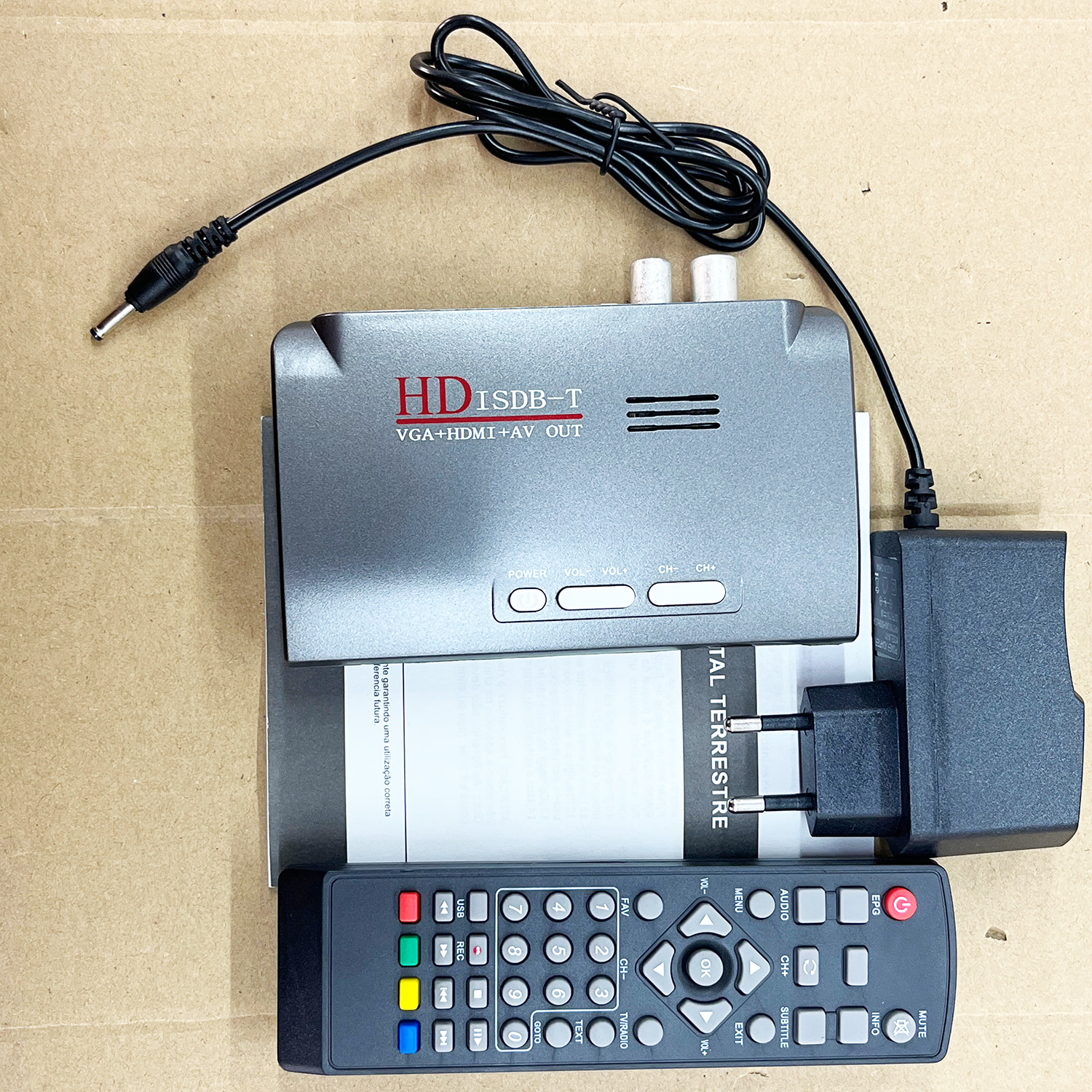
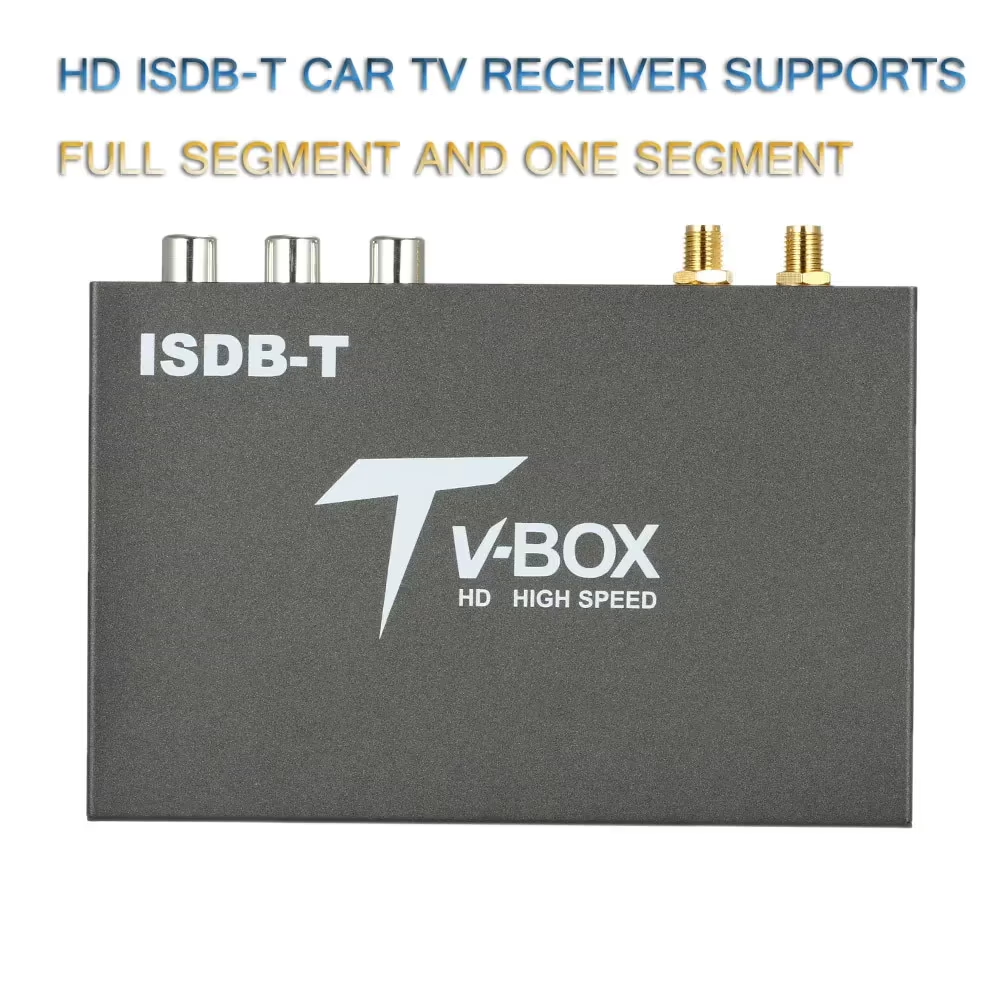
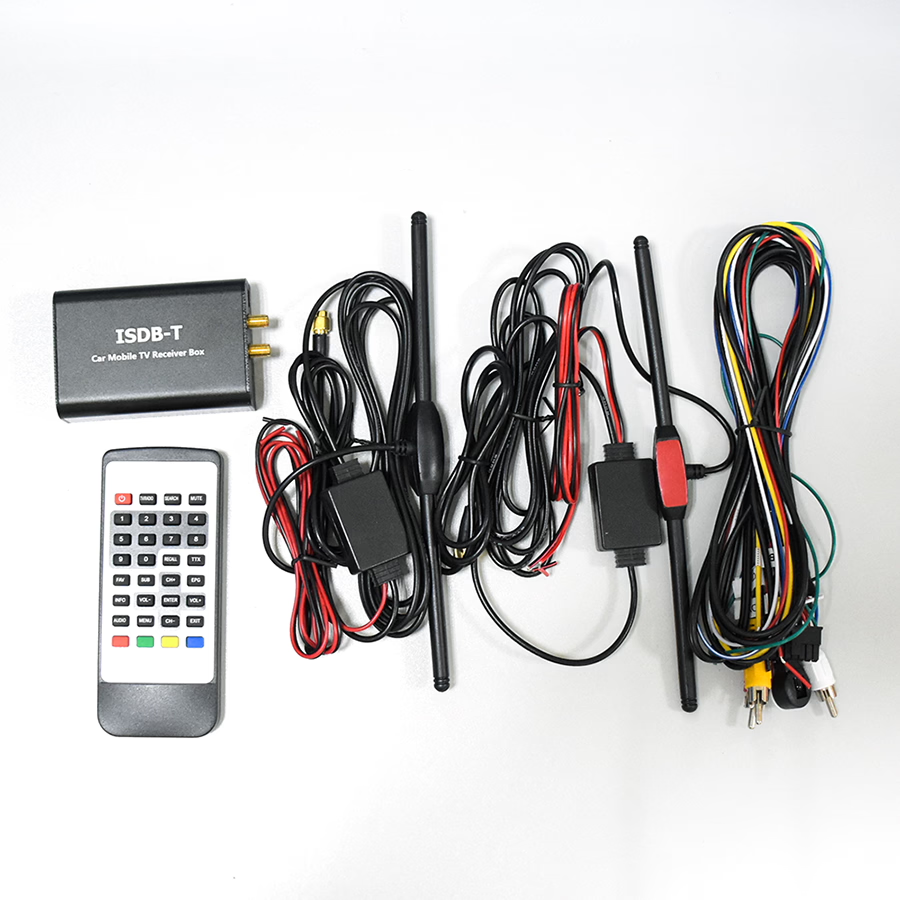
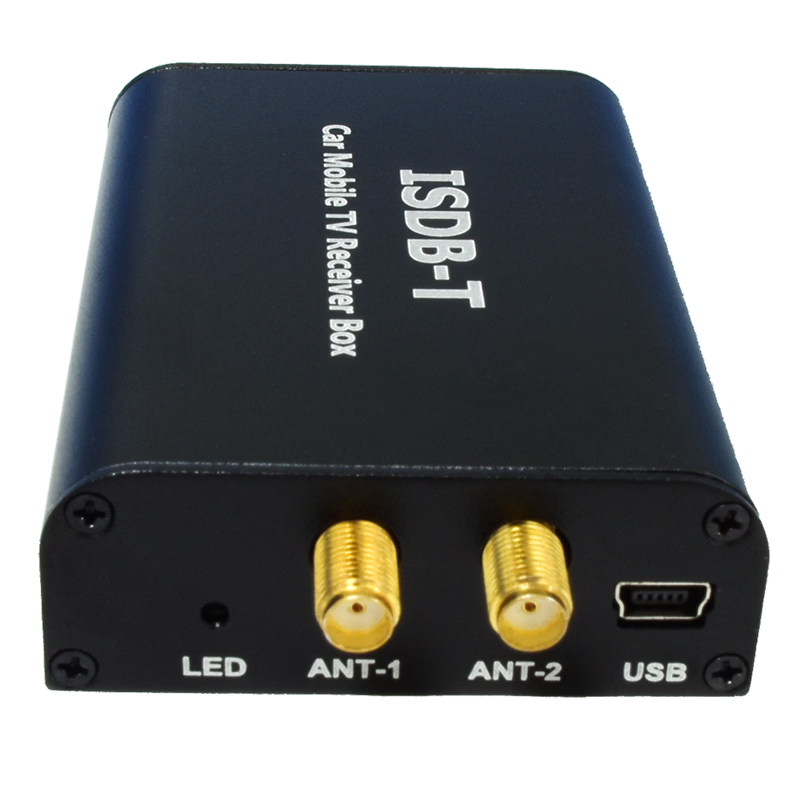
Xe hơi hd isdb-t tv kỹ thuật số 2 Bộ giải mã bộ giải mã ăng-ten phân đoạn toàn bộ bộ phận hai


ISDB-T
Bộ thu sóng HD FTA ISDB-T trên mặt đất cho Brazil Argentina Chile Venezuela Costa Rica Philippines

ISDB-T

ISDB-T cho Trang chủ
ISDB-T BS CS Nhật Bản Bảng mạch set-top box PVR TV ba băng tần của Nhật Bản

Đặt một câu hỏi
Tin nhắn của bạn đã được gửi