
มีความแตกต่างที่ชัดเจนระหว่าง การแพร่ภาพวิดีโอดิจิทัล (DVB) และ บริการกระจายเสียงดิจิตอลแบบบูรณาการ (ISDB). ผู้ DVB-T & ISDB-T รูปแบบการออกอากาศจะใช้ในส่วนต่างๆของโลก. The “T” ใน “DVB-T” และ “ISDB-T” หมายถึง “ภาคพื้นดิน,” และกำหนดรูปแบบที่ต่างประเทศมากขึ้นของระบบกระจายเสียงแต่ละเดิม. นอกจากนี้ยังมี DVB-S และ ISDB-S บางส่วน, The “ส” หมายถึง “ดาวเทียม”.

DVB เป็นระบบที่ใช้กันอย่างแพร่หลายที่ยอมรับมาตรฐานบางอย่างกับการเขียนโปรแกรมการทำงาน. มันเป็นชุดของแนวทางที่ตั้งขึ้นโดยโครงการ DVB, ซึ่งเป็นคณะกรรมการที่ประกอบด้วยสมาชิกต่างประเทศ. องค์กรจะ European-based, แต่ DVB จะใช้ในประเทศทั่วโลก. DVB กระจายข้อเสนอข้อมูลในหลายวิธี, เช่นดาวเทียม, สายเคเบิล, โทรทัศน์ภาคพื้นดิน, และไมโครเวฟ.

ISDB เป็นทางเลือกที่มากน้อยอย่างกว้างขวาง DVB. ได้รับการพัฒนาในประเทศญี่ปุ่นและสร้างขึ้นสำหรับการใช้งานในประเทศนั้น. มันถูกใช้โดยของญี่ปุ่นวิทยุอนาล็อกและโทรทัศน์ระบบเช่นเดียวกับโทรทัศน์และวิทยุระบบดิจิตอล. ISDB-T สามารถนำมาใช้เพื่อแสดงให้เห็นการออกอากาศโทรทัศน์ความละเอียดสูงและแสดงข้อมูลจากอุปกรณ์มือถือเช่นโทรศัพท์มือถือที่เรียกว่า One-Segs ในเวลาเดียวกัน.

DVB-T & ISDB-T
ในขณะที่ DVB ถูกสร้างขึ้นมาเพื่อใช้ในยุโรป, สามารถใช้งานได้ทั่วโลกด้วย DVB-T. ประเทศที่ใช้ระบบ DVB ได้แก่ แอฟริกาใต้, ประเทศเคนย่า, อิหร่าน, อิสราเอล, นิวซีแลนด์, และมาเลเซีย. ตรวจสอบ ประเทศที่นำ DVB-T มาใช้.
ISDB-T ที่ถูกสร้างขึ้นในประเทศญี่ปุ่นใน 2003, แต่มันไม่ได้เดินทางออกนอกประเทศจนกว่าบราซิลเริ่มใช้มันใน 2007. ISDB-T กลายเป็นนานาชาติอย่างเต็มที่โดยช่วงกลางปี 2011, ตอนนี้ ISDB-T ประเทศที่นำมาใช้, 6ประเทศแบนด์วิดธ์ M, ประเทศญี่ปุ่น, บราซิล, เปรู, อาร์เจนตินา, ฟิลิปปินส์, ชิลี, เวเนซุเอลา, เอกวาดอร์, ประเทศปารากวัย, คอสตาริก้า, โบลิเวีย, นิการากัว, อุรุกวัย, เบลีซ, ฮอนดูรัส, กัวเตมาลา, เอลซัลวาดอร์, ศรีลังกา 8ประเทศแบนด์วิดธ์ M, บอตสวานา, มัลดีฟส์

ความแตกต่าง
มาตรฐาน DVB-T เสนอระบบ 6, 7, และ 8 รับ MHz, ซึ่งหมายความว่าสามารถออกอากาศด้วยความเร็วสามระดับ. ISDB-T ไม่ให้รับกับ 7 ความสามารถ. นั่นเป็นเพียงความแตกต่างที่สำคัญระหว่าง DVB-T และ ISDB-T, อย่างไรก็ตาม, เพราะทั้งคู่ใช้มัลติเพล็กซิ่งการแบ่งความถี่แบบแบ่งส่วนแบบเข้ารหัส (COFDM) เทคโนโลยีการปรับ. ว่าปัจจัยที่ทำให้ทั้งสองของพวกเขาก่อให้เกิดประสิทธิภาพการทำงานที่คล้ายกัน.
ดังนั้นเลือก DVB-T ISDB-T ที่ดีกว่า? โปรดเลือกกล่องทีวีดิจิทัลที่ถูกต้องตามระบบทีวีดิจิทัลที่ประเทศของคุณซื้อ. ถ้าคุณมีคำถามใด ๆ, คุณสามารถ ติดต่อเรา เพื่อยืนยันให้คุณ.
ในฐานะผู้ผลิตทีวีดิจิทัลมืออาชีพในประเทศจีน, ISDB-T.com จะเสนอทางเลือกมากมายให้คุณ.
DVB-T vs ISDB-T: Key Differences and an In-Depth Look at ISDB-T Digital TV Technology
Digital terrestrial television standards allow broadcasters to deliver high-quality video, เสียง, and data services over the air. Among the most widely used systems are DVB-T (Digital Video Broadcasting – Terrestrial) และ ISDB-T (บริการกระจายเสียงดิจิทัลแบบครบวงจร – ภาคพื้นดิน).
Both technologies are designed to transmit digital TV signals through terrestrial broadcast networks, but they were developed in different regions and have different technical features and deployment histories.
ในบทความนี้, we explore the differences between DVB-T and ISDB-T, and also take a deeper look at ISDB-T technology, its features, advantages, and global adoption.
What is DVB-T?
DVB-T (Digital Video Broadcasting – Terrestrial) is a digital broadcasting standard developed by the DVB Project, an international consortium of broadcasters, manufacturers, and network operators.
Originally designed for Europe, DVB-T has become one of the most widely used digital terrestrial TV standards worldwide.
Key characteristics of DVB-T
- รองรับ 6 เมกะเฮิรตซ์, 7 เมกะเฮิรตซ์, และ 8 MHz bandwidth channels
- ใช้ COFDM (การเข้ารหัสการแบ่งความถี่แบบตั้งฉากแบบเข้ารหัส) การมอดูเลต
- รองรับ QPSK, 16QAM, and 64QAM constellations
- Enables Single Frequency Network (SFN) การออกอากาศ
- Designed for เอชดีทีวี, เอสดีทีวี, and digital radio services
DVB-T is used in many countries across Europe, แอฟริกา, เอเชีย, and Oceania.
Popular related keywords:
- DVB-T digital TV
- DVB-T receiver
- DVB-T set-top box
- DVB-T terrestrial broadcasting
ISDB-T คืออะไร?
ISDB-T (บริการกระจายเสียงดิจิทัลแบบครบวงจร – ภาคพื้นดิน) is a digital broadcasting system developed in ประเทศญี่ปุ่น. It was designed to support high-definition television, mobile broadcasting, and data services within a single broadcast channel.
The standard was launched in Japan in the early 2000s and later adopted by many countries in Latin America and Asia.
ISDB-T is widely known for its ความยืดหยุ่น, robustness, and support for mobile television services.
Key features of ISDB-T
- ใช้ การปรับ COFDM
- รองรับ mobile and portable reception
- Enables simultaneous HD and mobile broadcasting
- Includes Emergency Warning System (EWS)
- อนุญาต data broadcasting and interactive services
One of the most distinctive features of ISDB-T is its segmented transmission system, which divides a broadcast channel into smaller segments for different services.
Important SEO keywords:
- ISDB-T digital TV
- ตัวรับสัญญาณ ISDB-T
- ISDB-T set-top box
- ISDB-T broadcasting system
- ISDB-T tuner
- ISDB-T modulator
ISDB-T Segmented Transmission Technology
Unlike most digital TV standards, ISDB-T divides each 6 MHz channel into 13 เซ็กเมนต์.
This segmentation allows broadcasters to transmit multiple services simultaneously.
Typical configuration:
- 12 เซ็กเมนต์ – used for HD or SD television (Full-Seg)
- 1 ส่วน – used for mobile TV (One-Seg)
One-Seg Mobile TV
One-Seg is a mobile broadcasting service designed for:
- Smartphones
- Portable TVs
- USB TV tuners
- Car TV receivers
The One-Seg service allows viewers to watch live TV on mobile devices using just one segment of the broadcast channel.
Benefits of One-Seg:
- Low bandwidth consumption
- Reliable reception while moving
- Ideal for smartphones and portable devices
This feature makes ISDB-T particularly strong for mobile broadcasting, something DVB-T originally did not emphasize.
ISDB-T Technical Advantages
ISDB-T includes several improvements designed to improve reception quality and network efficiency.
1. Time Interleaving
ISDB-T uses time interleaving, which improves signal robustness in noisy environments and enhances reception for mobile or indoor devices.
2. Mobile and Portable Reception
The segmented transmission architecture enables reliable reception in:
- Moving vehicles
- Smartphones
- Portable televisions
- USB digital TV receivers
3. Emergency Warning System (EWS)
ISDB-T includes a built-in Emergency Warning System, which can automatically broadcast disaster alerts such as:
- Earthquakes
- Tsunamis
- Weather warnings
The system can automatically switch TVs on to display emergency information.
4. Efficient Frequency Usage
ISDB-T supports Single Frequency Networks (SFN), allowing multiple transmitters to operate on the same frequency.
Benefits include:
- Lower transmitter power
- Better coverage
- Efficient spectrum usage
ISDB-T Global Adoption
Although ISDB-T originated in Japan, it has expanded significantly across the world.
Countries using ISDB-T or ISDB-Tb (เวอร์ชันบราซิล) include:
เอเชีย
- ประเทศญี่ปุ่น
- ฟิลิปปินส์
- ศรีลังกา
- มัลดีฟส์
Latin America
- บราซิล
- อาร์เจนตินา
- ชิลี
- เปรู
- เอกวาดอร์
- เวเนซุเอลา
- ประเทศปารากวัย
- อุรุกวัย
- โบลิเวีย
- คอสตาริก้า
- นิการากัว
- ฮอนดูรัส
- กัวเตมาลา
- เอลซัลวาดอร์
- เบลีซ
แอฟริกา
- บอตสวานา
Brazil played an important role in spreading the standard internationally by creating the ISDB-Tb variant, optimized for Latin American broadcasting.
Common SEO keywords:
- ประเทศ ISDB-T
- ISDB-Tb standard
- ISDB-T Latin America
- ISDB-T Brazil digital TV
DVB-T vs ISDB-T: Key Differences
| ลักษณะเฉพาะ | DVB-T | ISDB-T |
|---|---|---|
| แหล่งกำเนิด | Europe | ประเทศญี่ปุ่น |
| Channel Bandwidth | 6 / 7 / 8 เมกะเฮิรตซ์ | Mainly 6 เมกะเฮิรตซ์ |
| การปรับ | COFDM | COFDM |
| ทีวีมือถือ | Limited in original DVB-T | ในตัว (One-Seg) |
| Segmented transmission | ไม่ | ใช่ (13 เซ็กเมนต์) |
| Emergency alert system | Not standard | Built-in EWS |
| Adoption regions | Europe, แอฟริกา, เอเชีย | ประเทศญี่ปุ่น, Latin America, เอเชีย |
Both systems deliver similar performance because they rely on การปรับ COFDM, which ensures strong signal resistance to interference.
Choosing the Right Digital TV Standard
When selecting a digital TV receiver or set-top box, it is important to choose the correct standard used in your country.
Examples:
- Countries using DVB-T require a DVB-T set-top box
- Countries using ISDB-T require an ISDB-T receiver or tuner
Using the wrong receiver will prevent your TV from decoding the broadcast signal.
Common product keywords:
- ISDB-T digital TV box
- ISDB-T tuner for TV
- ISDB-T car TV receiver
- ISDB-T USB TV stick
- ตัวเข้ารหัสโมดูเลเตอร์ ISDB-T
บทสรุป
Both DVB-T and ISDB-T are important digital terrestrial broadcasting standards used around the world. While DVB-T is more widely adopted globally, ISDB-T offers unique advantages such as segmented broadcasting, mobile TV support, and built-in emergency alert systems.
With the rise of mobile viewing, portable receivers, and smart broadcasting services, ISDB-T remains a powerful and flexible solution for modern digital television networks.
หากคุณกำลังมองหา ISDB-T receivers, ISDB-T set-top boxes, or ISDB-T modulators, be sure to choose a device compatible with the digital broadcasting system used in your country.


1 Seg ISDB-T AM FM
3 inch pocket isdb-t radio พกพา isdb LCD TV พร้อมทีวีดิจิตอลหนึ่งส่วน, มินิพ็อกเก็ตทีวีสำหรับญี่ปุ่น


1 Seg ISDB-T AM FM


ตัวเข้ารหัส HDMI เป็น ISDB-T RF
Digital Encoder Modulator รองรับ HD-MI Extender Over Coaxial ISDB-T TV RF Modulator MJZSEE V2020I


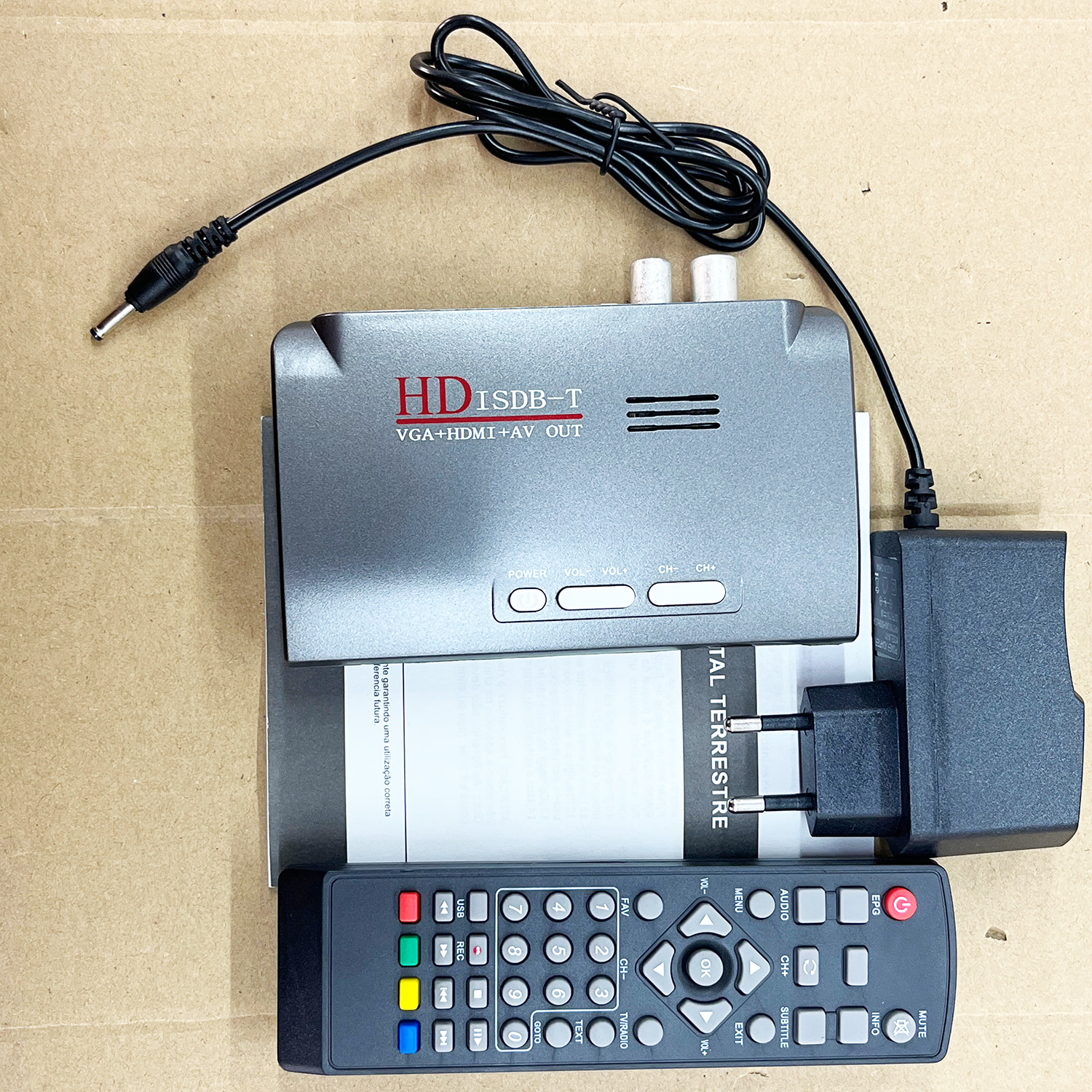




ISDB-T สำหรับบ้าน
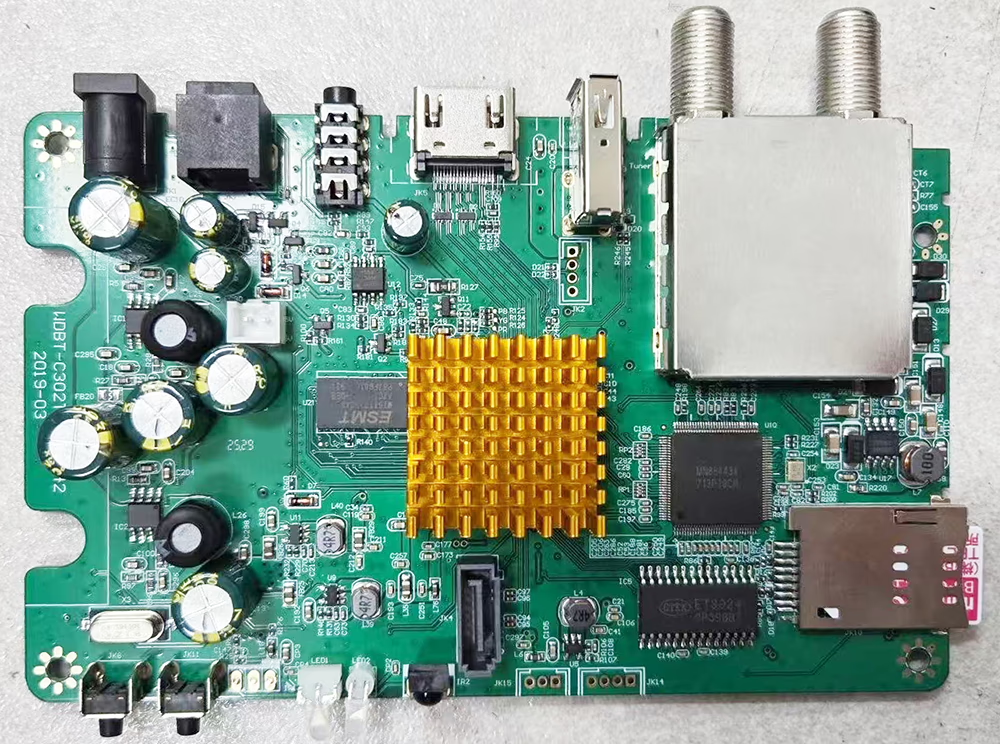
ISDB-T BS CS Japan กล่องรับสัญญาณสามแบนด์ญี่ปุ่น PVR TV PCB board

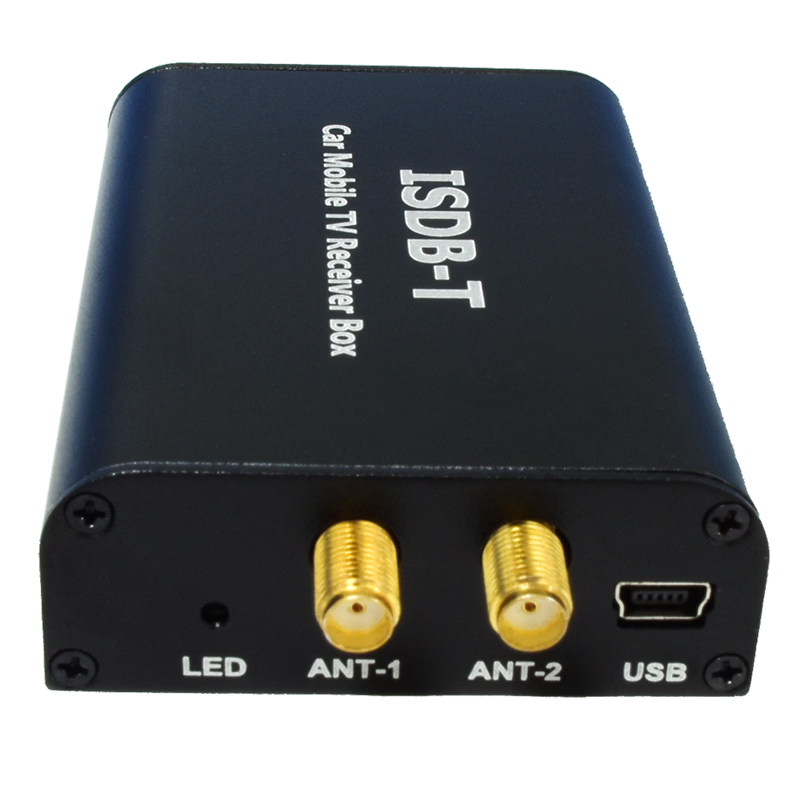
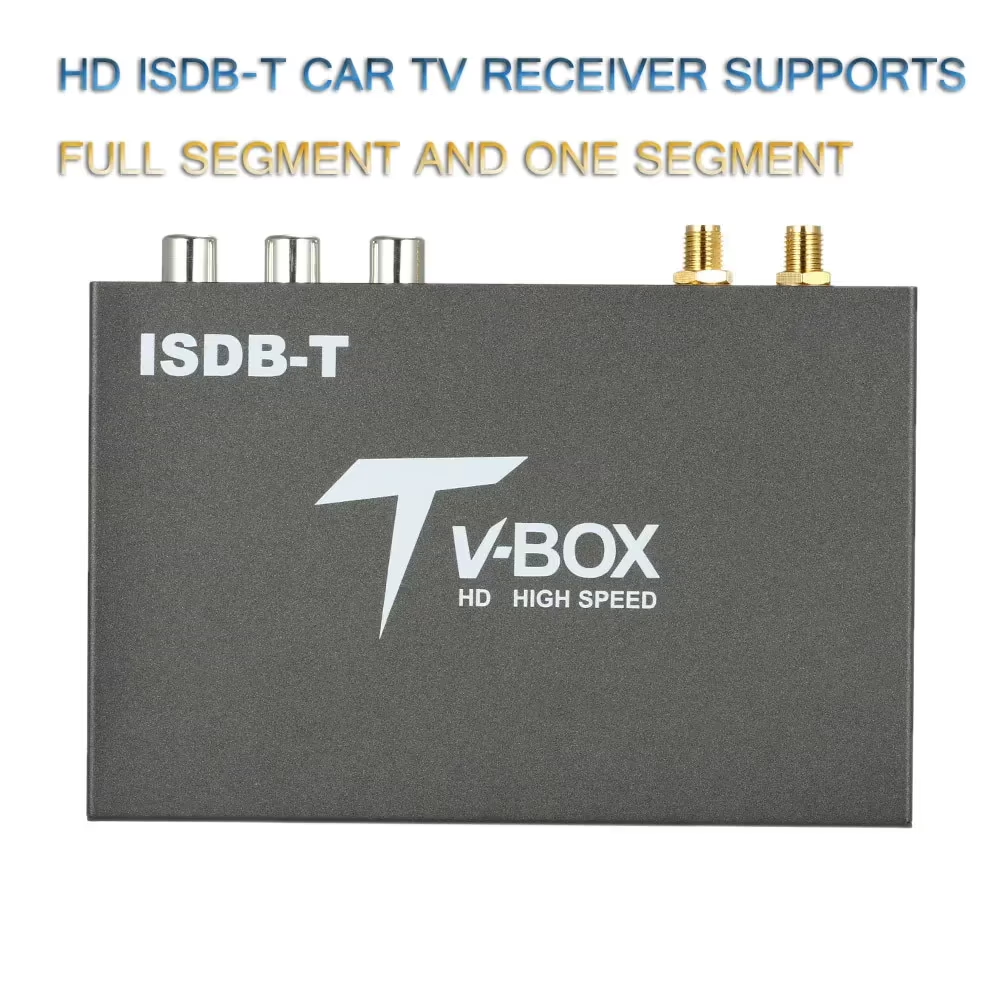
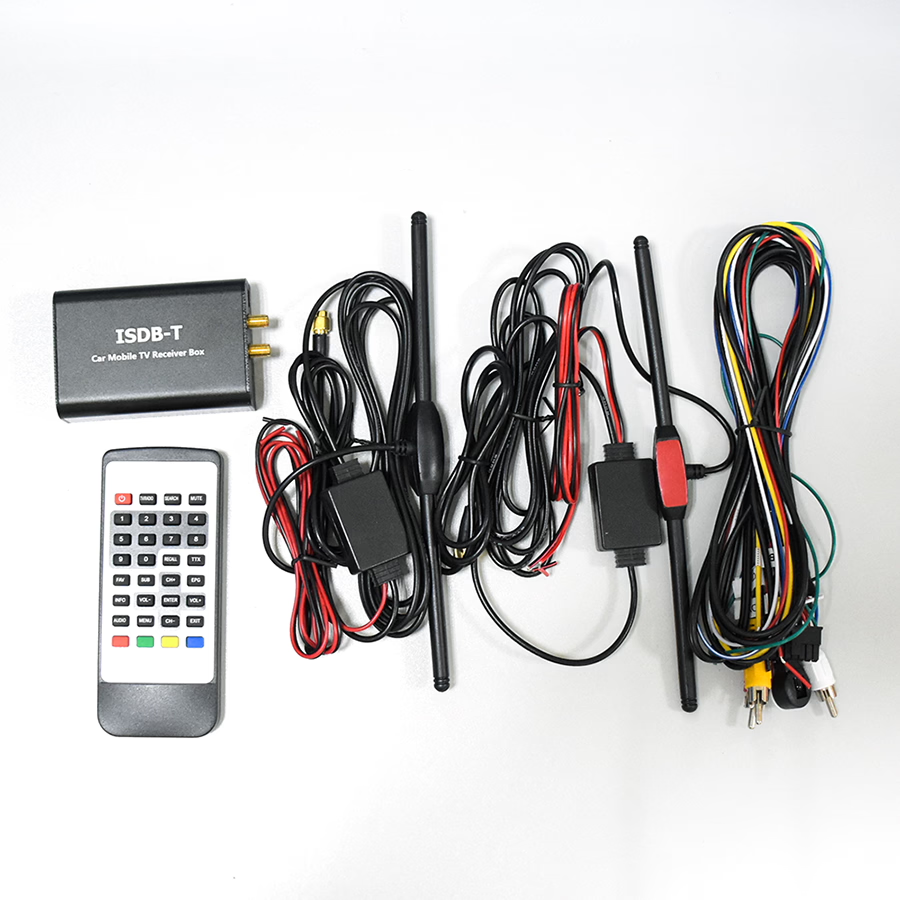
ISDB-T สำหรับรถยนต์
ตัวถอดรหัสเครื่องรับทีวีดิจิตอล ISDB-T ISDB Boardcast ANTENNA MINI MINI
ถามคำถาม
ข้อความของคุณถูกส่งไปแล้ว