
Perbedaan yang jelas ada antara Perbedaan yang jelas ada antara (DVB) dan Perbedaan yang jelas ada antara (ISDB). DVB-T . itu & Format penyiaran ISDB-T digunakan di berbagai belahan dunia. Itu “T” di “DVB-T” dan “ISDB-T” berdiri untuk “Terestrial,” dan itu menunjuk bentuk yang lebih internasional dari setiap sistem penyiaran asli. Ada juga beberapa DVB-S dan ISDB-S, Itu “Perbedaan yang jelas ada antara” berdiri untuk “satelit”.

DVB adalah sistem yang banyak digunakan yang menerima standar tertentu untuk menjalankan pemrograman. Ini adalah seperangkat pedoman yang dibuat oleh Proyek DVB, yang merupakan dewan yang terdiri dari anggota internasional. Organisasi ini berbasis di Eropa, tetapi DVB digunakan di negara-negara di seluruh dunia. DVB menawarkan distribusi data dalam beberapa cara, seperti satelit, kabel, Perbedaan yang jelas ada antara, Perbedaan yang jelas ada antara.

ISDB adalah alternatif yang kurang tersebar luas untuk DVB. Itu dikembangkan di Jepang dan dibuat untuk digunakan di negara itu. Ini digunakan oleh sistem radio dan televisi analog Jepang serta semua sistem televisi dan radio digitalnya. ISDB-T dapat digunakan untuk menyiarkan acara televisi definisi tinggi dan menampilkan informasi dari perangkat seluler seperti ponsel yang disebut One-Segs secara bersamaan.

DVB-T & ISDB-T
Sementara DVB awalnya dibuat untuk digunakan di Eropa, ini dapat digunakan di seluruh dunia dengan DVB-T. Negara yang menggunakan DVB termasuk Afrika Selatan, Kenya, Iran, Israel, Perbedaan yang jelas ada antara, Perbedaan yang jelas ada antara. Perbedaan yang jelas ada antara Perbedaan yang jelas ada antara.
ISDB-T dibuat di Jepang pada tahun 2003, tapi itu tidak meninggalkan negara itu sampai Brasil mulai menggunakannya di 2007. ISDB-T menjadi sepenuhnya internasional pada pertengahan 2011, Perbedaan yang jelas ada antara Perbedaan yang jelas ada antara, 6Perbedaan yang jelas ada antara, Jepang, Brazil, Peru, Argentina, Pilipina, Chili, Venezuela, Ekuador, Paraguai, Kosta Rika, Bolivia, Nikaragua, Uruguay, Belize, honduras, Guatemala, El Salvador, Srilanka 8Perbedaan yang jelas ada antara, Botswana, Maladewa

Perbedaan
Sistem DVB-T menawarkan 6, 7, dan 8 penerima MHz, Perbedaan yang jelas ada antara. ISDB-T tidak menawarkan receiver dengan 7 Perbedaan yang jelas ada antara. Itulah satu-satunya perbedaan utama antara DVB-T dan ISDB-T, Namun, Perbedaan yang jelas ada antara (COFDM) teknologi modulasi. Faktor itu membuat keduanya menghasilkan performa yang serupa.
Perbedaan yang jelas ada antara? Perbedaan yang jelas ada antara. Perbedaan yang jelas ada antara, Perbedaan yang jelas ada antara Hubungi kami Perbedaan yang jelas ada antara.
Perbedaan yang jelas ada antara, Perbedaan yang jelas ada antara.
DVB-T vs ISDB-T: Key Differences and an In-Depth Look at ISDB-T Digital TV Technology
Digital terrestrial television standards allow broadcasters to deliver high-quality video, audio, and data services over the air. Among the most widely used systems are DVB-T (Digital Video Broadcasting – Terrestrial) dan ISDB-T (Layanan Terpadu Penyiaran Digital – Terestrial).
Both technologies are designed to transmit digital TV signals through terrestrial broadcast networks, but they were developed in different regions and have different technical features and deployment histories.
Dalam artikel ini, we explore the differences between DVB-T and ISDB-T, and also take a deeper look at ISDB-T technology, its features, advantages, and global adoption.
What is DVB-T?
DVB-T (Digital Video Broadcasting – Terrestrial) is a digital broadcasting standard developed by the DVB Project, an international consortium of broadcasters, manufacturers, and network operators.
Originally designed for Europe, DVB-T has become one of the most widely used digital terrestrial TV standards worldwide.
Key characteristics of DVB-T
- Mendukung 6 MHz, 7 MHz, dan 8 MHz bandwidth channels
- Penggunaan COFDM (Multiplexing Divisi Frekuensi Ortogonal Berkode) modulasi
- Mendukung QPSK, 16QAM, and 64QAM constellations
- Enables Single Frequency Network (SFN) penyiaran
- Designed for TV HD, SDTV, and digital radio services
DVB-T is used in many countries across Europe, Afrika, Asia, and Oceania.
Popular related keywords:
- DVB-T digital TV
- DVB-T receiver
- DVB-T set-top box
- DVB-T terrestrial broadcasting
Apa itu ISDB-T?
ISDB-T (Layanan Terpadu Penyiaran Digital – Terestrial) is a digital broadcasting system developed in Jepang. It was designed to support high-definition television, mobile broadcasting, and data services within a single broadcast channel.
The standard was launched in Japan in the early 2000s and later adopted by many countries in Latin America and Asia.
ISDB-T is widely known for its fleksibilitas, robustness, and support for mobile television services.
Key features of ISDB-T
- Penggunaan Modulasi COFDM
- Mendukung mobile and portable reception
- Enables simultaneous HD and mobile broadcasting
- Includes Emergency Warning System (EWS)
- Memungkinkan data broadcasting and interactive services
One of the most distinctive features of ISDB-T is its segmented transmission system, which divides a broadcast channel into smaller segments for different services.
Important SEO keywords:
- TV digital ISDB-T
- Penerima ISDB-T
- ISDB-T set-top box
- ISDB-T broadcasting system
- ISDB-T tuner
- Modulator ISDB-T
ISDB-T Segmented Transmission Technology
Unlike most digital TV standards, ISDB-T divides each 6 saluran MHz ke 13 segmen.
This segmentation allows broadcasters to transmit multiple services simultaneously.
Typical configuration:
- 12 segmen – used for HD or SD television (Segmen Penuh)
- 1 segmen – used for mobile TV (Satu-Seg)
One-Seg Mobile TV
Satu-Seg is a mobile broadcasting service designed for:
- Ponsel pintar
- Portable TVs
- Penyetel TV USB
- Car TV receivers
The One-Seg service allows viewers to watch live TV on mobile devices using just one segment of the broadcast channel.
Benefits of One-Seg:
- Low bandwidth consumption
- Reliable reception while moving
- Ideal for smartphones and portable devices
This feature makes ISDB-T particularly strong for mobile broadcasting, something DVB-T originally did not emphasize.
ISDB-T Technical Advantages
ISDB-T includes several improvements designed to improve reception quality and network efficiency.
1. Time Interleaving
ISDB-T menggunakan time interleaving, which improves signal robustness in noisy environments and enhances reception for mobile or indoor devices.
2. Mobile and Portable Reception
The segmented transmission architecture enables reliable reception in:
- Moving vehicles
- Ponsel pintar
- Portable televisions
- USB digital TV receivers
3. Emergency Warning System (EWS)
ISDB-T includes a built-in Emergency Warning System, which can automatically broadcast disaster alerts such as:
- Earthquakes
- Tsunamis
- Weather warnings
The system can automatically switch TVs on to display emergency information.
4. Efficient Frequency Usage
ISDB-T supports Single Frequency Networks (SFN), allowing multiple transmitters to operate on the same frequency.
Benefits include:
- Lower transmitter power
- Better coverage
- Efficient spectrum usage
ISDB-T Global Adoption
Although ISDB-T originated in Japan, it has expanded significantly across the world.
Countries using ISDB-T or ISDB-Tb (Versi Brasil) include:
Asia
- Jepang
- Pilipina
- Srilanka
- Maladewa
Latin America
- Brazil
- Argentina
- Chili
- Peru
- Ekuador
- Venezuela
- Paraguai
- Uruguay
- Bolivia
- Kosta Rika
- Nikaragua
- honduras
- Guatemala
- El Salvador
- Belize
Afrika
- Botswana
Brazil played an important role in spreading the standard internationally by creating the ISDB-Tb variant, optimized for Latin American broadcasting.
Common SEO keywords:
- negara-negara ISDB-T
- ISDB-Tb standard
- ISDB-T Latin America
- ISDB-T Brazil digital TV
DVB-T vs ISDB-T: Key Differences
| Fitur | DVB-T | ISDB-T |
|---|---|---|
| Asal | Eropa | Jepang |
| Channel Bandwidth | 6 / 7 / 8 MHz | Mainly 6 MHz |
| Modulasi | COFDM | COFDM |
| Mobile TV | Limited in original DVB-T | Built-in (Satu-Seg) |
| Segmented transmission | Tidak | Iya (13 segmen) |
| Emergency alert system | Not standard | Built-in EWS |
| Adoption regions | Eropa, Afrika, Asia | Jepang, Latin America, Asia |
Both systems deliver similar performance because they rely on Modulasi COFDM, which ensures strong signal resistance to interference.
Choosing the Right Digital TV Standard
When selecting a digital TV receiver or set-top box, it is important to choose the correct standard used in your country.
Examples:
- Countries using DVB-T require a DVB-T set-top box
- Countries using ISDB-T require an ISDB-T receiver or tuner
Using the wrong receiver will prevent your TV from decoding the broadcast signal.
Common product keywords:
- ISDB-T digital TV box
- ISDB-T tuner for TV
- ISDB-T car TV receiver
- ISDB-T USB TV stick
- Encoder modulator ISDB-T
Kesimpulan
Both DVB-T and ISDB-T are important digital terrestrial broadcasting standards used around the world. While DVB-T is more widely adopted globally, ISDB-T offers unique advantages such as segmented broadcasting, mobile TV support, and built-in emergency alert systems.
With the rise of mobile viewing, portable receivers, and smart broadcasting services, ISDB-T remains a powerful and flexible solution for modern digital television networks.
Jika Anda mencari Penerima ISDB-T, Dekoder ISDB-T, or ISDB-T modulators, be sure to choose a device compatible with the digital broadcasting system used in your country.


1 Seg ISDB-T AM FM


1 Seg ISDB-T AM FM


HDMI Encoder ke ISDB-T RF


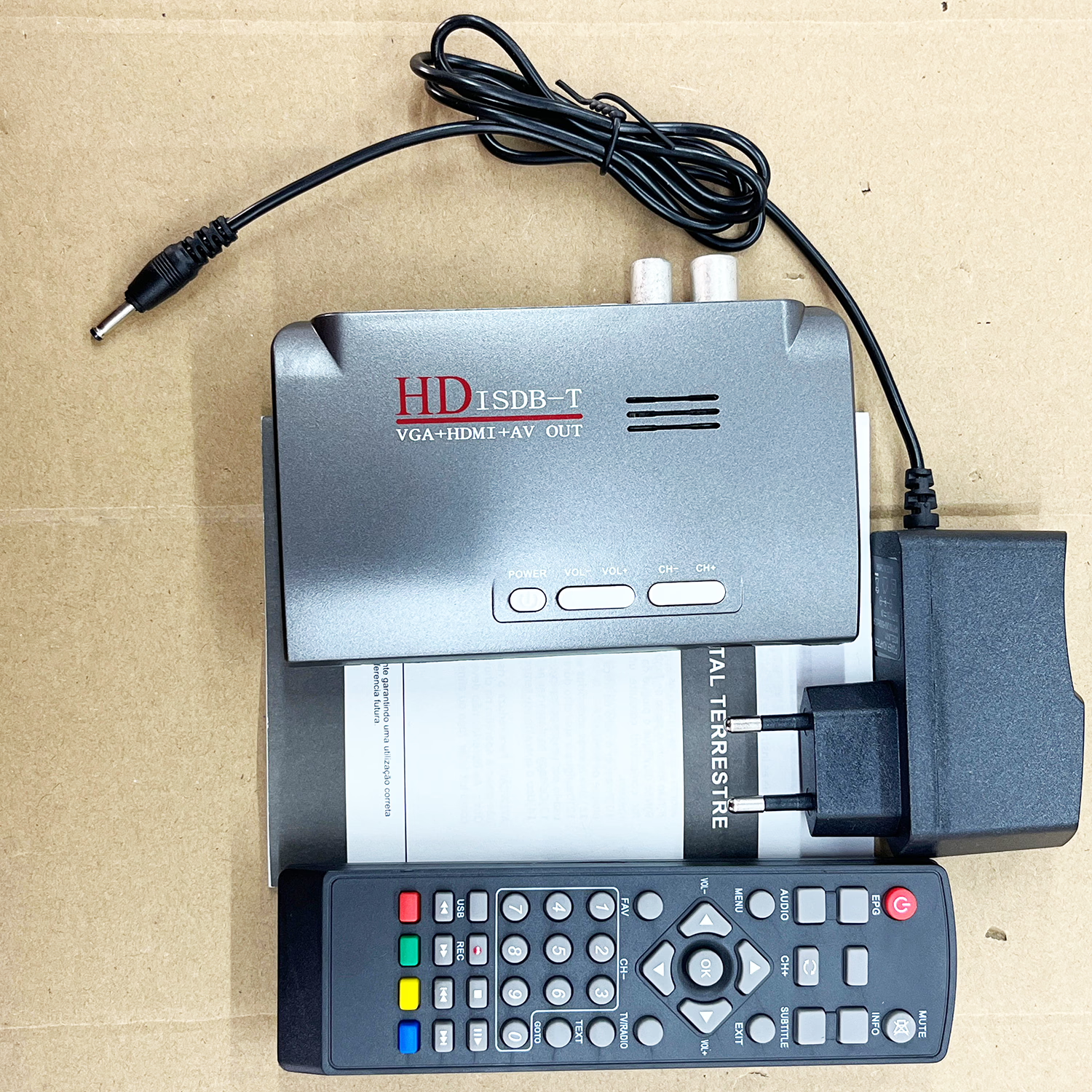
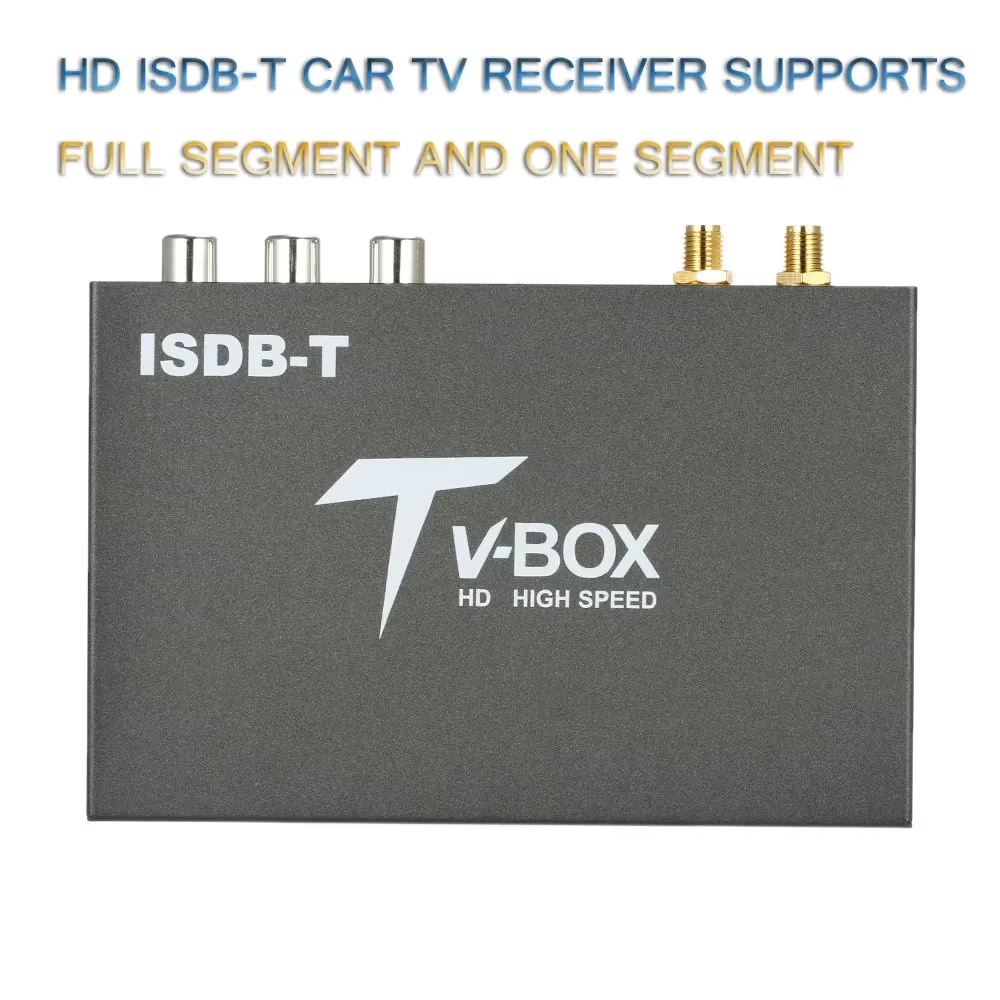

ISDB-T
HD mobil ISDB-T TV digital 2 Antena Decoder Receiver Antena Ganda Segmen Penuh Kecepatan Tinggi


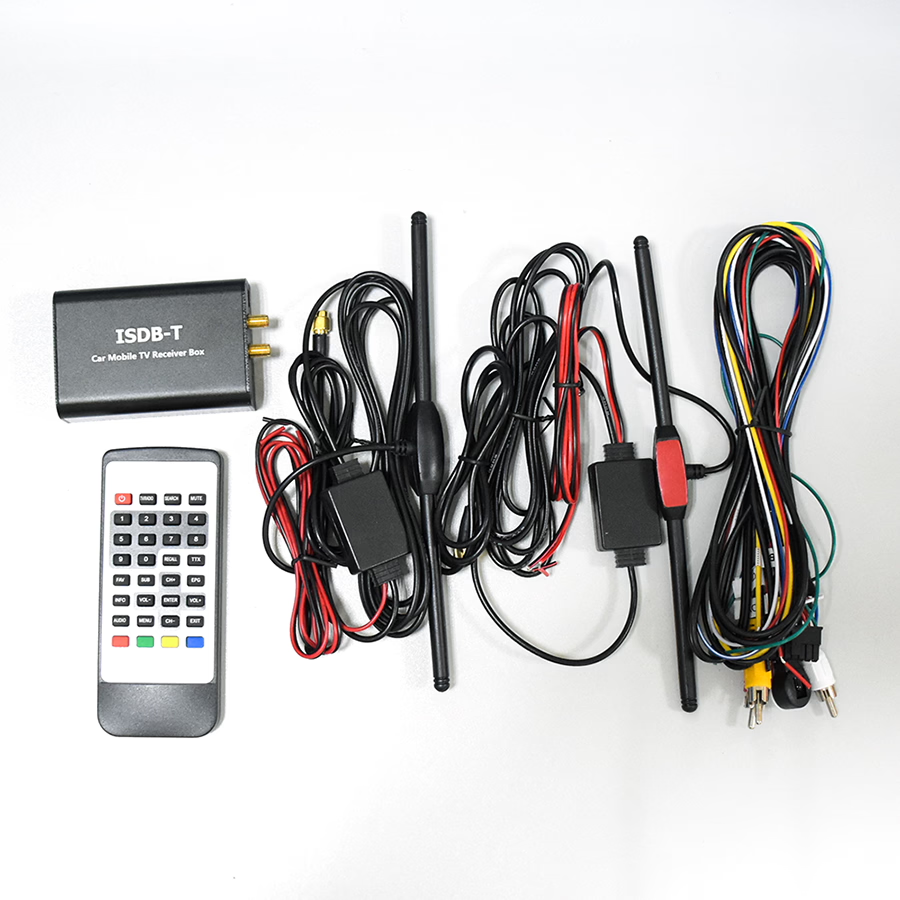

ISDB-T

ISDB-T untuk Rumah
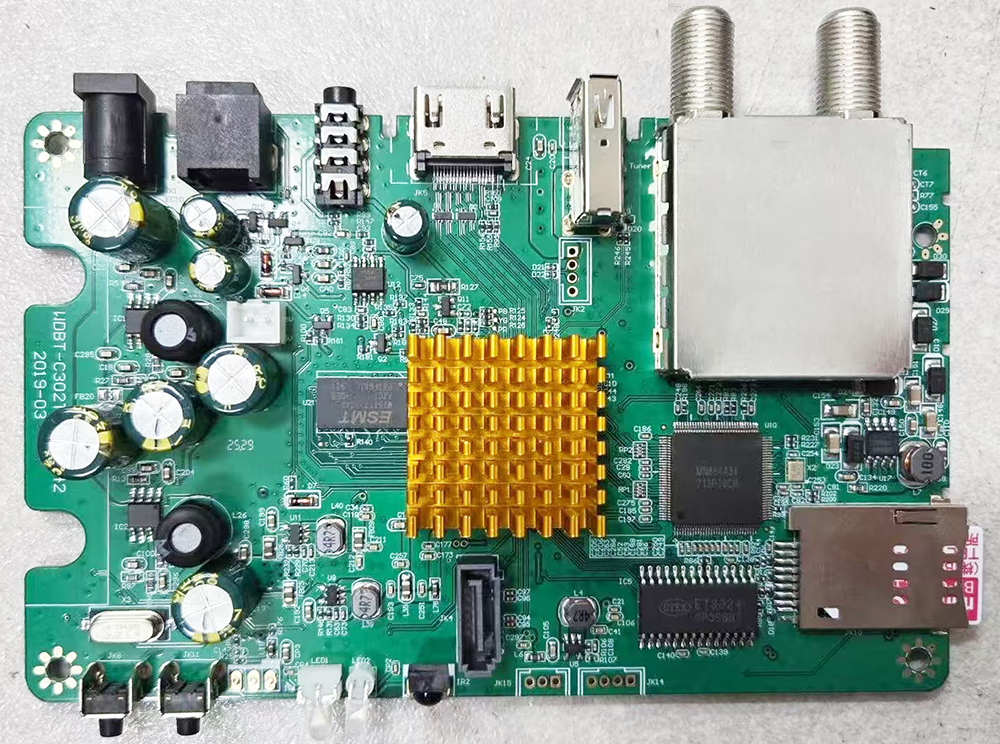
ISDB-T BS CS Jepang Jepang tiga band set-top box PVR TV papan PCB

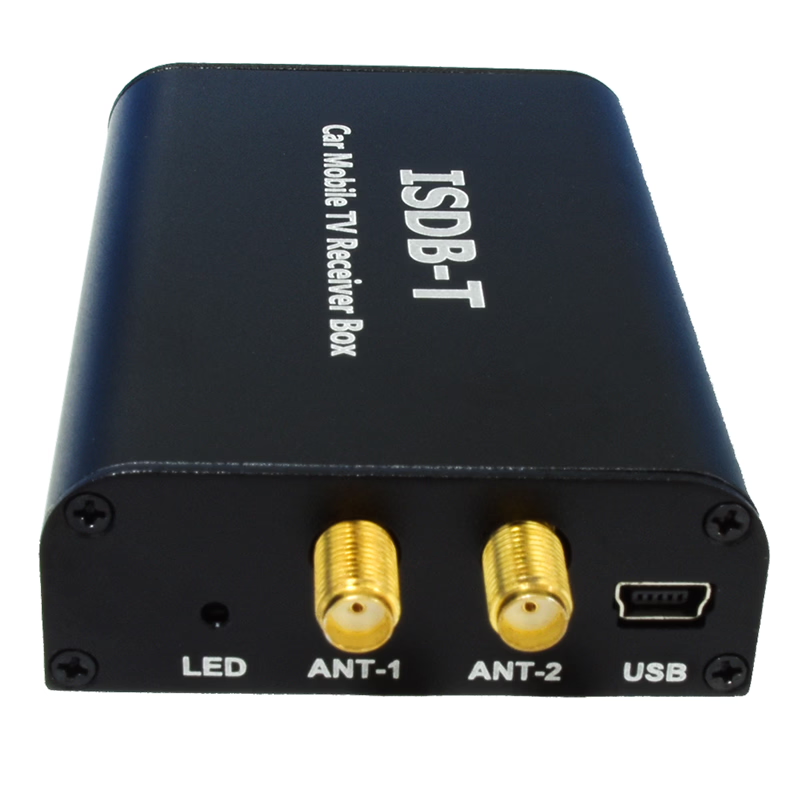
ISDB-T untuk Mobil
ISDB-T Penerima Digital TV Decoder ISDB Boardcast Antena Mini
Ajukan Pertanyaan
Terima kasih atas tanggapan Anda. ✨