
تابلوهای ماژول های رمزگذار
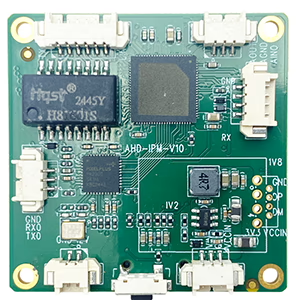
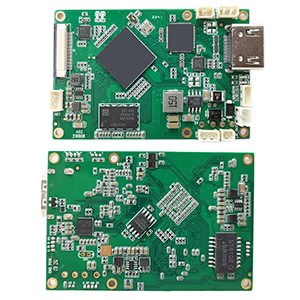
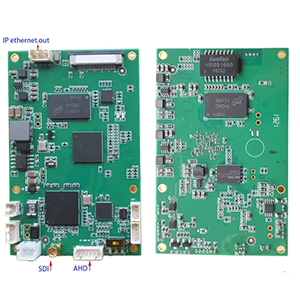
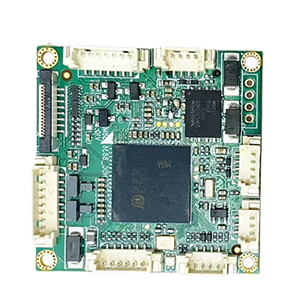

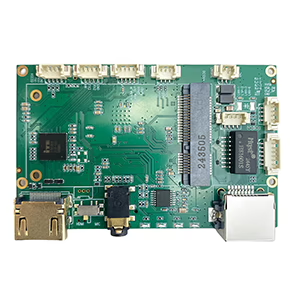
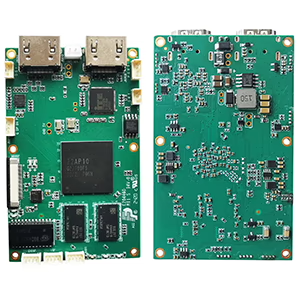
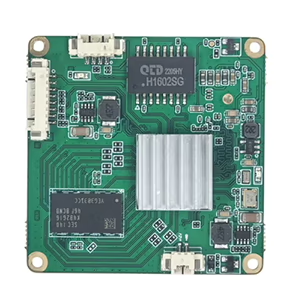
تابلوهای ماژول های رمزگشا
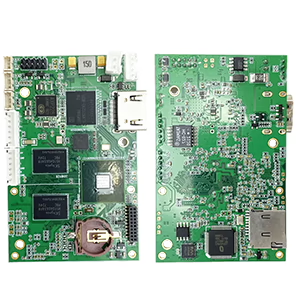

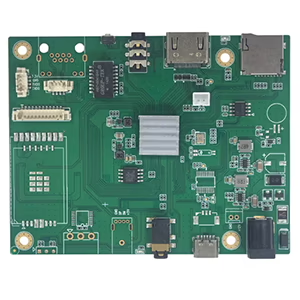
برای سفارشی سازی موجود است
من در حال یافتن راه حلی هستم که به من امکان تبدیل سیگنال های ویدئویی آنالوگ از دوربین های CVBS و AHD را می دهد., با تمرکز اولیه بر AHD, به یک فرمت مبتنی بر IP برای انتقال شبکه و ضبط دیجیتال. آیا شما نیز قادر به ارائه پشتیبانی مشابه هستید؟?
ورودی
- گزینه های کیفیت فیلم شامل AHD 720p و AHD 1080p در می باشد 30 فریم در ثانیه.
- CVBS (NTSC)
خروجی
دوربین IP از استریم RTSP با قابلیت فشرده سازی MJPEG و H264 پشتیبانی می کند.
پاسخ دهید:
با تشکر از درخواست شما در مورد مبدل AHD به IP. ما دو نوع محصول داریم که تقاضای شما را برآورده می کند. تفاوت در تأخیر است.
مدل 2090
مدل 1731 (تاخیر کمتر و پشتیبانی از دو جریان ویدئو, CVBS + AHD)
در برخی موارد, پهپادها و روبات ها به تأخیر بسیار کم نیاز دارند, در حالی که سایر برنامه ها تحت تأثیر تأخیر 100 میلی ثانیه قرار نمی گیرند.
یک رمزگذار ویدیویی که CVBS را تبدیل می کند (سیگنال باند پایه ویدیویی ترکیبی) و AHD (آنالوگ با وضوح بالا) به IP (پروتکل اینترنت) دستگاهی است که برای پل زدن سیستم های ویدئویی آنالوگ و دیجیتال با تبدیل سیگنال های آنالوگ به جریان های دیجیتال قابل انتقال از طریق شبکه طراحی شده است.. در اینجا یک تفکیک ساختار یافته است:
اجزای کلیدی & کارکرد
- مدیریت ورودی:
- CVBS: از سیگنال های آنالوگ با کیفیت استاندارد پشتیبانی می کند (به عنوان مثال, 480i/576i) از طریق اتصالات RCA یا BNC.
- AHD: سیگنال های آنالوگ با کیفیت بالا را پردازش می کند (به عنوان مثال, 720ص, 1080ص) روی کابل های کواکسیال, حفظ کیفیت HD در حین تبدیل.
- فرآیند تبدیل:
- دیجیتالی شدن: از مبدل آنالوگ به دیجیتال استفاده می کند (ADC) تبدیل سیگنال های آنالوگ به داده های دیجیتال.
- فشرده سازی: کدک هایی مانند H.264/H.265 را برای کاهش اندازه فایل و در عین حال حفظ کیفیت اعمال می کند, بهینه سازی استفاده از پهنای باند.
- بسته بندی: داده ها را در قالب های سازگار با IP محصور می کند (به عنوان مثال, RTSP, RTP) برای انتقال شبکه.
- خروجی:
- از طریق اترنت ارسال می کند, امکان ادغام در شبکه های IP. ممکن است از Power over Ethernet پشتیبانی کند (PoE) برای انتقال برق و داده ساده.
برنامه های کاربردی
- نوسازی سیستم میراث: دوربین های مداربسته آنالوگ قدیمی را ادغام می کند (CVBS/AHD) به سیستم های نظارتی مبتنی بر IP بدون جایگزینی زیرساخت های موجود.
- نظارت هیبریدی: امکان استفاده همزمان از دوربین های آنالوگ و IP را فراهم می کند, ایده آل برای ارتقاء مرحله ای.
- دسترسی از راه دور: ذخیره سازی ابری را تسهیل می کند, پخش زنده, و نظارت از راه دور از طریق دستگاه های شبکه.
ویژگی ها
- پشتیبانی چند کاناله: برخی از رمزگذارها چندین ورودی را مدیریت می کنند (به عنوان مثال, 4-مدل های کانال) برای مقیاس پذیری.
- انعطاف پذیری پیکربندی: رابط های مبتنی بر وب برای تنظیم وضوح, میزان بیت, و نرخ فریم.
- سازگاری: اغلب از استانداردهای ONVIF برای اطمینان از قابلیت همکاری با ضبطکنندههای ویدیوی شبکه پشتیبانی میکند (دستگاه های NVR) و نرم افزار.
ملاحظات
- تأخیر: رمزگذاری ممکن است تاخیرهای جزئی ایجاد کند, برای برنامه های بلادرنگ حیاتی است.
- مدیریت پهنای باند: تنظیمات فشرده سازی قابل تنظیم کیفیت ویدئو و بار شبکه را متعادل می کند.
- الزامات سخت افزاری: اطمینان از زیرساخت شبکه (به عنوان مثال, سوئیچ ها, روترها) می تواند ترافیک IP را افزایش دهد.
مثال مورد استفاده
یک سیستم امنیتی با دوربین های AHD موجود (1080ص) و دوربینهای CVBS میتوانند از یک رمزگذار برای پخش فیلم از طریق شبکه استفاده کنند. رمزگذار سیگنال ها را دیجیتالی و فشرده می کند, امکان ادغام با NVR برای مدیریت متمرکز و دسترسی از طریق تلفن های هوشمند یا رایانه های شخصی.
درباره MJPEG
MJPEG (حرکت JPEG) یک فرمت فشرده سازی ویدیویی است که در آن هر فریم جداگانه به عنوان یک تصویر JPEG مستقل فشرده می شود. برخلاف کدک های مدرن (به عنوان مثال, H.264, MPEG), استفاده نمی کندفشرده سازی بین فریم (فشرده سازی زمانی), منجر به مزایا و محدودیت های منحصر به فرد می شود.
ویژگی های کلیدی
- قاب استقلال: هر فریم یک تصویر JPEG کامل است, ساختن آن:
- پردازش ساده (سربار محاسباتی کم).
- تاخیر کم (ایده آل برای برنامه های بلادرنگ مانند نظارت یا تصویربرداری پزشکی).
- آسان برای ویرایش (فریم های جداگانه را می توان بدون رمزگشایی فریم های مجاور استخراج کرد).
- سازگاری: به دلیل فراگیر بودن JPEG به طور گسترده پشتیبانی می شود. با اکثر دستگاه ها کار می کند, مرورگرها, و نرم افزار.
- کیفیت: کیفیت ثابت در هر فریم را حفظ می کند, برای برنامه هایی که به دقت فریم نیاز دارند مفید است (به عنوان مثال, ویرایش ویدیو, تحلیل فریم به فریم).
مزایا
- تاخیر کم: مناسب برای پیش نمایش زنده یا سیستم های بلادرنگ.
- سازگار با سخت افزار: آسان برای رمزگذاری / رمزگشایی با حداقل قدرت پردازش.
- دقت قاب: بدون ایجاد مصنوعات تاری حرکتی از فشرده سازی بین فریم.
معایب
- اندازه فایل های بزرگ: عدم فشرده سازی زمانی به معنای نیازهای ذخیره سازی/پهنای باند بالاتر است.
- برای ویدیوهای طولانی ناکارآمد است: بهینه تر از کدک های مدرن (به عنوان مثال, H.265) برای پخش یا آرشیو.
- ویژگی های محدود: بدون پشتیبانی از ویژگی های مدرن مانند تنظیم نرخ بیت پویا یا HDR.
موارد استفاده رایج
- سیستم های نظارتی: تأخیر کم و دقت فریم برای نظارت در زمان واقعی.
- تصویربرداری پزشکی: استقلال فریم تضمین می کند که داده ها بین فریم های بحرانی از دست نرود.
- دستگاهها/دوربینهای قدیمی: دوربین های دیجیتال, وب کم ها, یا هواپیماهای بدون سرنشین که در آن سادگی کلید است.
- ویرایش ویدیو: دسترسی در سطح چارچوب، گردش کار پس از تولید را ساده می کند.
نکات فنی
- نمونه برداری رنگی: معمولا از JPEG استفاده می کند 4:2:0 زیر نمونه برداری رنگی.
- انواع: MJPEG2000 (از فشرده سازی موجک استفاده می کند) کیفیت بهتری ارائه می دهد اما سازگاری گسترده ای ندارد.
- قالب های کانتینر: اغلب در AVI پیچیده می شود, MOV, یا جریان های حمل و نقل چند رسانه ای.
مقایسه با کدک های مدرن
| ویژگی | MJPEG | MPEG/H.264/H.265 |
|---|---|---|
| راندمان فشرده سازی | کم (فقط درون قاب) | بالا (بین قاب + داخل) |
| تأخیر | خیلی کم | متوسط به بالا |
| انعطاف پذیری ویرایش | بالا (استقلال قاب) | پایین تر (وابستگی های GOP) |
| استفاده از پهنای باند | بالا | بهینه شده است |
زمان استفاده از MJPEG?
- اولویت بندی کنیدتاخیر کم بیش از اندازه فایل.
- نیاز دارنددسترسی فریم به فریم برای ویرایش/تحلیل.
- با سیستم ها یا سخت افزارهای قدیمی با قدرت پردازش محدود کار کنید.
برای کارایی جریان یا ذخیره سازی, کدک های مدرن (به عنوان مثال, H.265, VP9) معمولاً انتخاب های بهتری هستند.
یک سوال بپرسید
از پاسخ شما سپاسگزاریم. ✨