
Платки за модули за кодиране
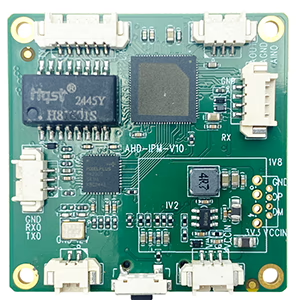
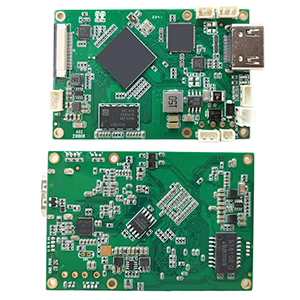
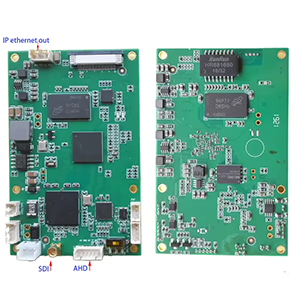
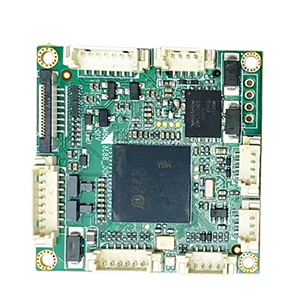

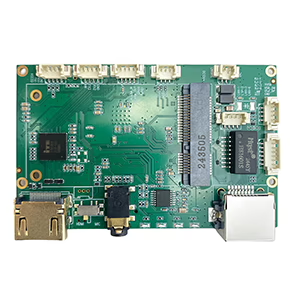
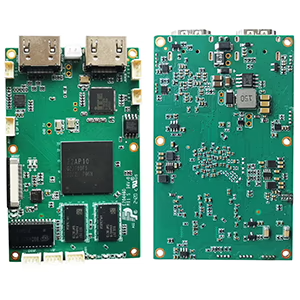
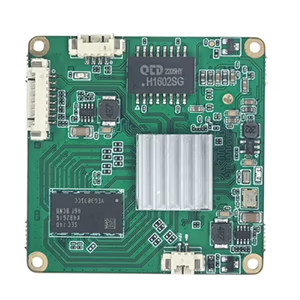
Платки за декодиращи модули
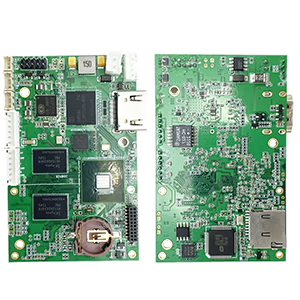

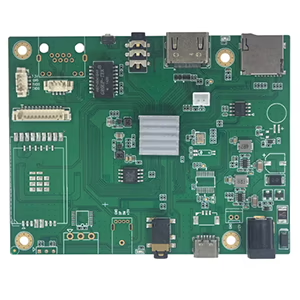
Предлага се за персонализиране
В процес съм на намиране на решение, което ще ми позволи да конвертирам аналогови видео сигнали от CVBS и AHD камери, с основен фокус върху AHD, в IP-базиран формат за мрежово предаване и цифров запис. Можете ли да предоставите и подобна поддръжка?
Вход
- Опциите за качество на видеото включват AHD 720p и AHD 1080p 30 кадри в секунда.
- CVBS (NTSC)
Изход
IP камерата поддържа RTSP поточно предаване с MJPEG и H264 възможности за компресия.
отговор:
Благодарим ви за запитването относно AHD към IP преобразувател. Имаме два вида продукти, които отговарят на вашето търсене. Разликата е в латентността.
Модел 2090
Модел 1731 (по-ниска латентност и поддръжка на два видео потока, CVBS + AHD)
В някои случаи, дронове и роботи изискват изключително ниска латентност, докато други приложения не се влияят от 100ms закъснения.
Видео енкодер, който конвертира CVBS (Композитен видео бейсбенд сигнал) и AHD (Аналогова висока разделителна способност) към IP (Интернет протокол) е устройство, предназначено да свързва аналогови и цифрови видео системи чрез трансформиране на аналогови сигнали в цифрови потоци, предавани по мрежата. Ето структурирана разбивка:
Ключови компоненти & Функционалност
- Обработка на въвеждане:
- CVBS: Поддържа аналогови сигнали със стандартна разделителна способност (e.g., 480i/576i) чрез RCA или BNC конектори.
- AHD: Обработва аналогови сигнали с висока разделителна способност (e.g., 720стр, 1080стр) през коаксиални кабели, запазване на HD качеството по време на конвертиране.
- Процес на преобразуване:
- Дигитализация: Използва аналогово-цифров преобразувател (ADC) за трансформиране на аналогови сигнали в цифрови данни.
- Компресия: Прилага кодеци като H.264/H.265, за да намали размера на файла, като същевременно поддържа качеството, оптимизиране на използването на честотната лента.
- Опаковка: Капсулира данните в удобни за IP формати (e.g., RTSP, RTP) за мрежово предаване.
- Изход:
- Предава чрез Ethernet, позволяваща интеграция в IP мрежи. Може да поддържа захранване през Ethernet (PoE) за опростено захранване и доставка на данни.
Приложения
- Модернизация на наследената система: Интегрира по-стари аналогови камери за видеонаблюдение (CVBS/AHD) в IP-базирани системи за наблюдение, без да подменя съществуващата инфраструктура.
- Хибридно наблюдение: Позволява едновременно използване на аналогови и IP камери, идеален за поетапни надстройки.
- Отдалечен достъп: Улеснява облачното съхранение, предаване на живо, и дистанционно наблюдение чрез мрежови устройства.
Характеристики
- Многоканална поддръжка: Някои енкодери обработват множество входове (e.g., 4-канални модели) за мащабируемост.
- Гъвкавост на конфигурацията: Уеб базирани интерфейси за регулиране на разделителната способност, битрейт, и кадрова честота.
- Съвместимост: Често поддържа ONVIF стандарти, за да осигури оперативна съвместимост с мрежови видеорекордери (NVR) и софтуер.
Съображения
- Латентност: Кодирането може да доведе до леки забавяния, критичен за приложения в реално време.
- Управление на честотната лента: Регулируемите настройки за компресиране балансират качеството на видеото и натоварването на мрежата.
- Хардуерни изисквания: Осигурете мрежова инфраструктура (e.g., превключватели, рутери) може да обработва увеличен IP трафик.
Примерен случай на употреба
СОТ със съществуващи AHD камери (1080стр) и CVBS камерите могат да използват енкодер за поточно предаване на кадри по мрежа. Енкодерът дигитализира и компресира сигналите, позволяваща интеграция с NVR за централизирано управление и достъп чрез смартфони или компютри.
Относно MJPEG
MJPEG (Motion JPEG) е формат за видео компресия, при който всеки отделен кадър се компресира като самостоятелно JPEG изображение. За разлика от съвременните кодеци (e.g., H.264, MPEG), не използвамеждукадрова компресия (темпорална компресия), което води до уникални предимства и ограничения.
Ключови характеристики
- Независимост на рамката: Всеки кадър е цялостно JPEG изображение, правейки го:
- Лесен за обработка (ниски изчислителни разходи).
- Ниска латентност (идеален за приложения в реално време като наблюдение или медицински изображения).
- Лесен за редактиране (отделни кадри могат да бъдат извлечени без декодиране на съседни кадри).
- Съвместимост: Широко поддържан поради повсеместното разпространение на JPEG. Работи с повечето устройства, браузъри, и софтуер.
- качество: Поддържа постоянно качество на кадър, полезно за приложения, изискващи точност на рамката (e.g., редактиране на видео, анализ кадър по кадър).
Предимства
- Ниска латентност: Подходящ за прегледи на живо или системи в реално време.
- Подходящ за хардуер: Лесен за кодиране/декодиране с минимална процесорна мощност.
- Точност на рамката: Без артефакти на замъгляване при движение от междукадрова компресия.
Недостатъци
- Големи размери на файлове: Липсата на временна компресия означава по-високи изисквания за съхранение/честотна лента.
- Неефективно за дълги видеоклипове: По-малко оптимален от съвременните кодеци (e.g., H.265) за стрийминг или архивиране.
- Ограничени функции: Няма поддръжка за модерни функции като динамична настройка на битрейт или HDR.
Обичайни случаи на употреба
- Системи за наблюдение: Ниска латентност и точност на рамката за наблюдение в реално време.
- Медицински изображения: Независимостта на рамката гарантира липса на загуба на данни между критичните рамки.
- Наследени устройства/камери: Цифрови фотоапарати, уеб камери, или дронове, където простотата е ключова.
- Редактиране на видео: Достъпът на ниво рамка опростява работните процеси след производството.
Технически бележки
- Подсемплиране на цветовете: Обикновено използва JPEG 4:2:0 наситеност на наситеността.
- Варианти: MJPEG2000 (използва вълнова компресия) предлага по-добро качество, но му липсва широка съвместимост.
- Контейнерни формати: Често обвит в AVI, MOV, или мултимедийни транспортни потоци.
Сравнение със съвременните кодеци
| Характеристика | MJPEG | MPEG/H.264/H.265 |
|---|---|---|
| Ефективност на компресия | ниско (само в рамката) | високо (междукадрови + интра) |
| Латентност | Много ниско | Умерено до високо |
| Гъвкавост при редактиране | високо (независимост на рамката) | По-ниска (GOP зависимости) |
| Използване на честотната лента | високо | Оптимизиран |
Кога да използвате MJPEG?
- Приоритизирайтениска латентност над размера на файла.
- Изискванедостъп кадър по кадър за редакция/анализ.
- Работете с наследени системи или хардуер с ограничена процесорна мощност.
За стрийминг или ефективност при съхранение, модерни кодеци (e.g., H.265, VP9) обикновено са по-добър избор.
Задайте въпрос
Вашето съобщение е изпратено