
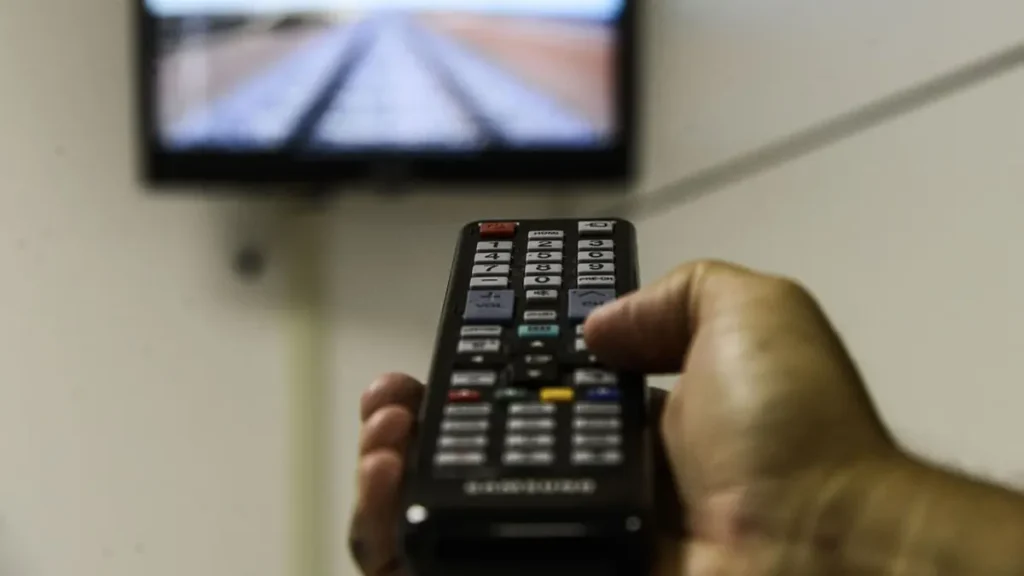
البرازيل ISDB-T أخبار, TV Aberta is responsible for connecting people from all over the world, with free services focused on entertainment, culture and information
 ↑ (صورة: Valter Campanato/Agência Brasil) البرازيل ISDB-T,
Next Sunday, the 21st, is International Television Day. A date to celebrate its 71 years and the extremely important role that open TV plays in communication and even for society. Present in Brazilian culture since the 1950s, TV Alberta is responsible for connecting people from all over the world, with free services aimed at entertainment, culture, and information.
But, to get to what it is today, television received a series of technological updates so that the population can enjoy the best experience with state-of-the-art audio and images. With this in mind, the Forum of the Brazilian System of Digital Terrestrial TV (Forum SBTVD), which works intensively on the evolution of open digital TV, listed six technological curiosities involving television. Check out:
1- First time of a TV broadcasting signal
71 years ago, for the first time, a TV broadcasting signal passed through the sky of São Paulo. At this time, the tests of the RCA television transmitter on TV Tupi, Canal 3, direct from São Paulo, began. Previous broadcasts had been done on an indoor circuit.
2- Color transmission
The B&W gained colors! In Brazil, the first broadcast in color of open TV was carried out in 1972, by TV Difusora de Porto Alegre, during the Grape Festival in Caxias do Sul.
3- Digital TV and new audio possibilities
With the arrival of Digital TV in 2007, open TV started to offer the population much more quality audio. While open analog TV worked with one channel (كثرة الوحيدات) or two channels (ستيريو) of audio, Digital TV supports up to six channels, the so-called Dolby Digital. Now, في 2021, televisions are already updating with the implementation of immersive audio.
4- Accessibility with Closed Captioning or Hidden Caption
Did you know that Closed Caption (نسخة), also known as closed captioning, is used to subtitle audiovisual content? This feature makes television content accessible to people who are deaf or have some degree of hearing impairment. Closed Caption emerged in the United States, in the 1970s, with other experimental goals. In Brazil, في 2016, the priority was the accessibility of Brazilians. The mandatory ABNT NBR 15290:2016 allowed this part of the population (which represents 5%) to have access to information, ترفيه, culture, and leisure through television screens.
5- The inventor of the remote control
The remote control was a technology designed to complement television. And, of course, for the viewer who is comfortably on the couch and would like to turn up the volume or change the channel without getting up. Nearly turning 60, the first remote control, still wired, was developed by engineer Eugene Polley, في 1950. The first wireless control was created in 1956, by the same company where Polley worked, Zenith Radio Corporation. The current remote control works with infrared or Bluetooth communication. In Brazil, the first television with remote control was officially launched in 1962.
6- Current television standard in Brazil
The digital television standard adopted in Brazil is the ISDB-TB, an adaptation of the البنك الإسلامي للتنمية-T (Integrated Services Digital Broadcasting Terrestrial), Japanese standard plus technologies developed in Brazil, such as Ginga interactivity.
The history of television continues! With technological advances, TV has evolved and, today, the consumer can enjoy, free of charge, high definition programming, surround sound, استقبال المحمول, and accessibility features (signal language, audio description, and closed captioning). Later this year, with the arrival of DTV Play on televisions, open TV will further improve interactivity, with 4K, HDR, and immersive audio content, which were features only available in paid streaming services.
-
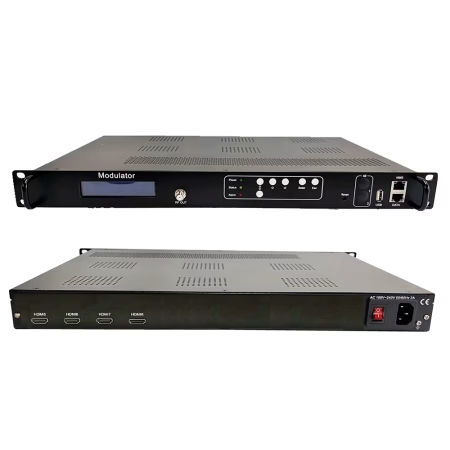 4 قناة HDMI التشفير المغير DVB-T ISDB-T DVB-C ATSC | وصلة HDMI إلى RF للتلفزيون الرقمي
 -
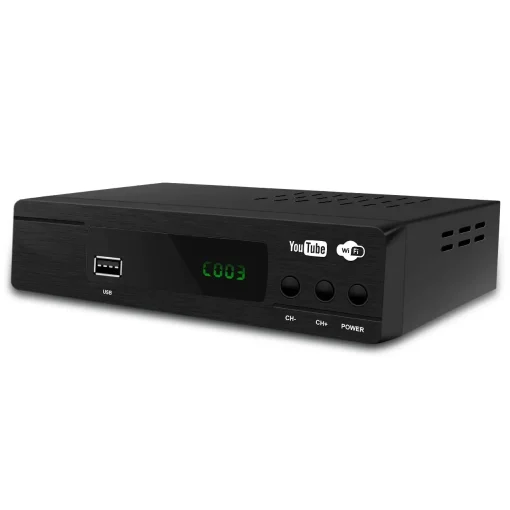 جزر المالديف 8M ISDB-T تلفزيون رقمي stb مجموعة موالف علوي Ex China Work
 -
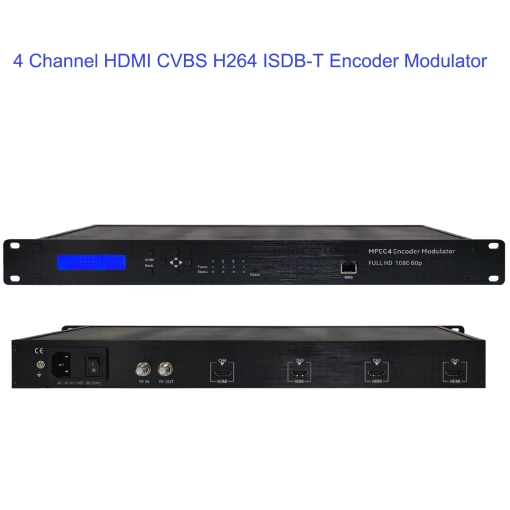 4 قناة HDMI CVBS H264 ISDB-T جهاز التشفير المغير
 -
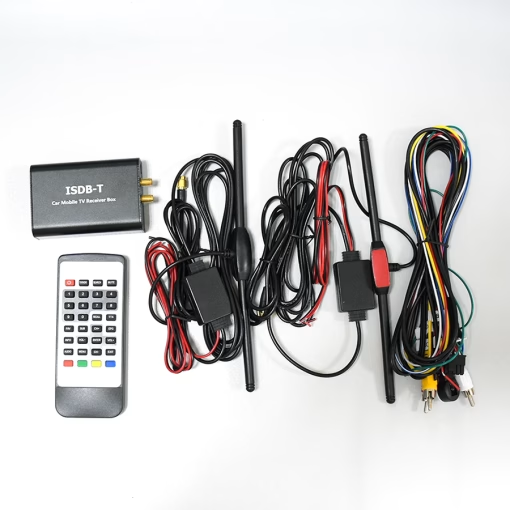 البنك الإسلامي للتنمية-T 2 نوع الهوائيات كامل Seg
 -
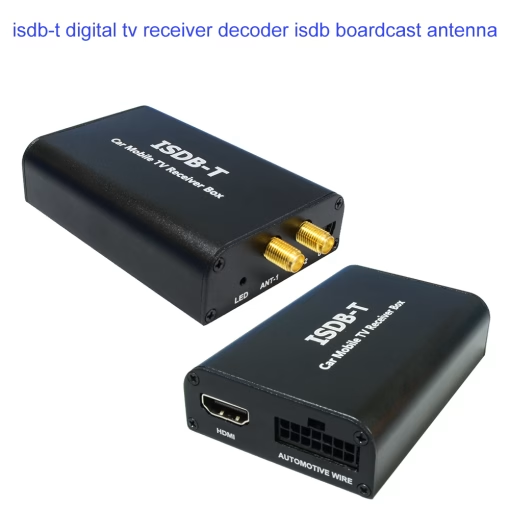 ISDB-T جهاز فك ترميز مستقبل التلفاز الرقمي ISDB هوائي بوردكاست صغير
 -
 مستقبل ISDB-T للسيارات، محول البث الرقمي ISDBT، مستقبل التلفزيون الرقمي الأرضي، وحدة فك ترميز البث
 -
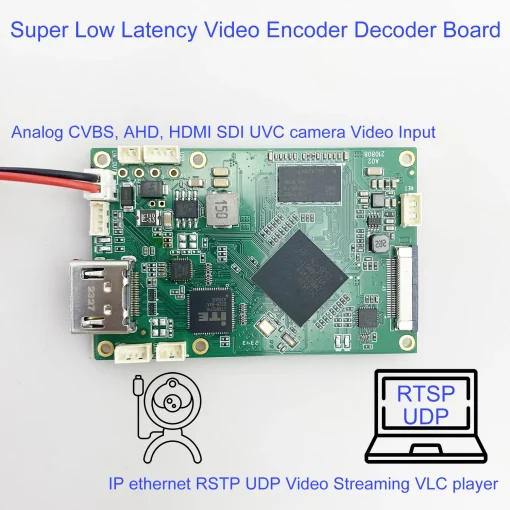 تحويل الفيديو UVC إلى IP RTSP, مدخل فيديو تناظري CVBS HDMI AHD SDI, وحدة فك ترميز الفيديو Ethernet RTSP UDP
 -
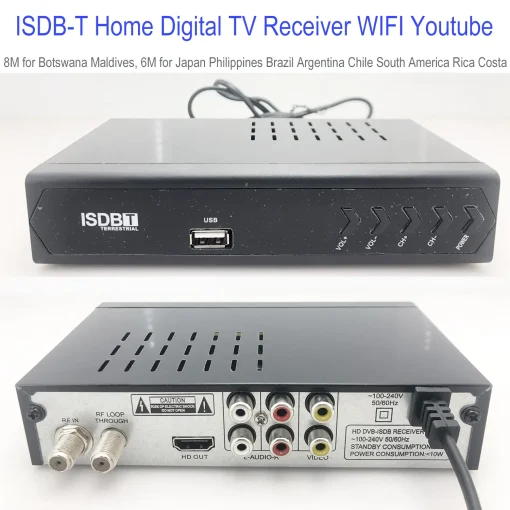 بوتسوانا ISDB-T 8M مستقبل التلفاز الرقمي فك التشفير WIFI Youtube Vcan1914
 -
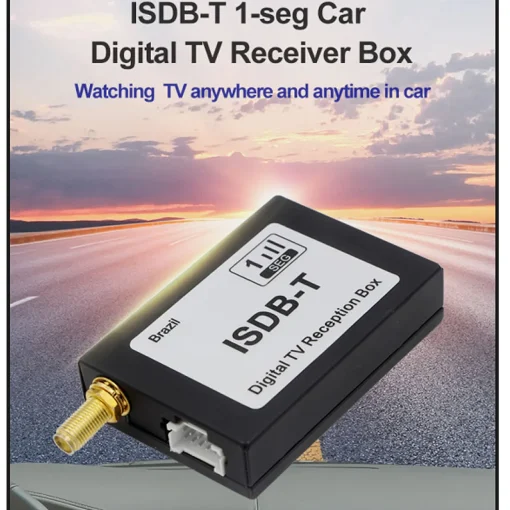 ISDB-T 1-Seg هوائي واحد أو صندوق موالف تلفزيون السيارة ذو هوائيين كاملين
 -
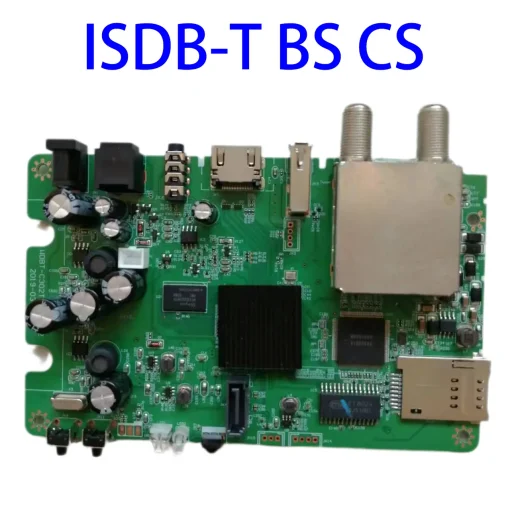 ISDB-T BS CS اليابان اليابانية ثلاثة نطاقات فك التشفير PVR TV لوحة دارات مطبوعة
 -
ISDB-T التلفزيون الرقمي stb صندوق مجموعة صندوق الموالف العلوي Sintonizador استقبال أرضي HD محول دولبي AC3 +
-
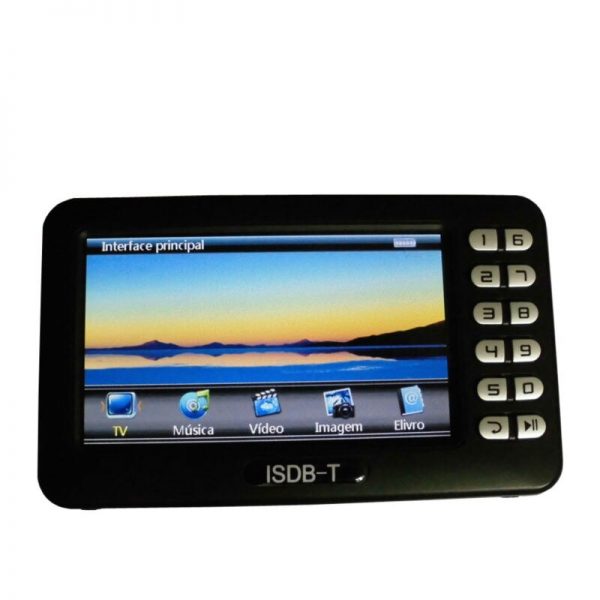 ISDBT جهاز استقبال تلفزيون صغير مع 4.3 شاشة LCD بوصة لـ ISDB-T تدعم بطاقة TF USB فيديو FM صندوق مشغل التلفزيون الرقمي
 -
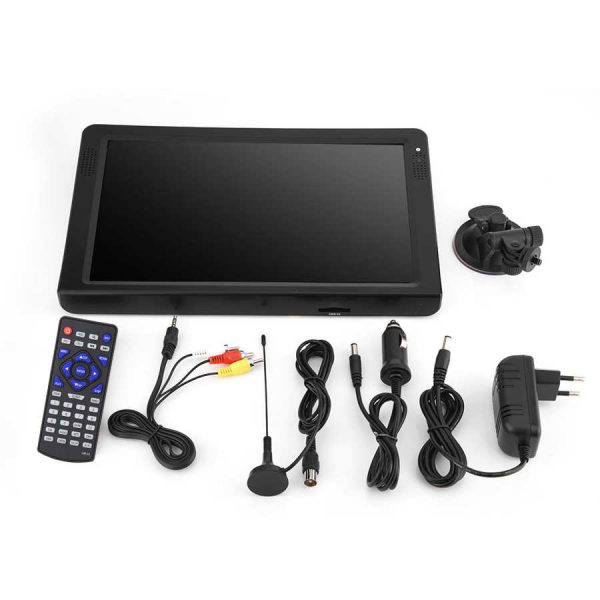 ليدستار 12 بوصة HD تلفزيون محمول ISDB-T USB تلفزيون رقمي سيارة صغيرة تلفزيون الصوت مشغل فيديو دعم شاشة MP4 الاتحاد الأوروبي التوصيل
 -
 جهاز التشفير الرقمي المغير HD-MI الموسع المتوافق مع ISDB-T TV RF المغير MJZSEE V2020I
 -
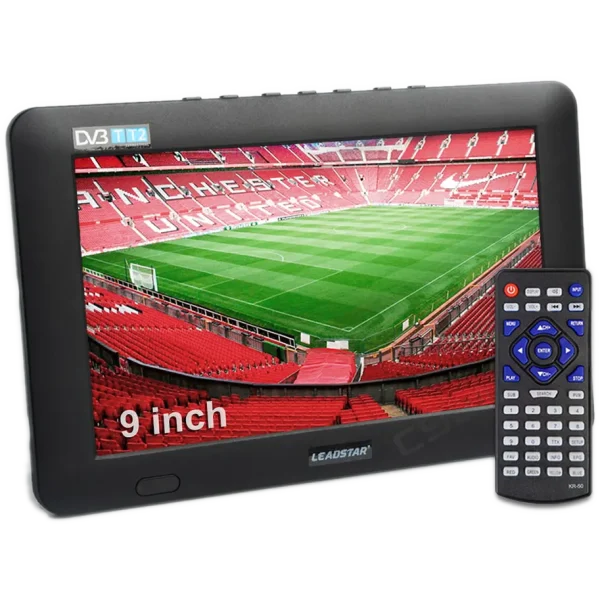 9 بوصة المحمولة ISDB-T TV TDT الرقمية والتناظرية تلفزيون سيارة صغيرة صغيرة دعم USB TF PVR MP4 H.265 AC3 DTV900
 -
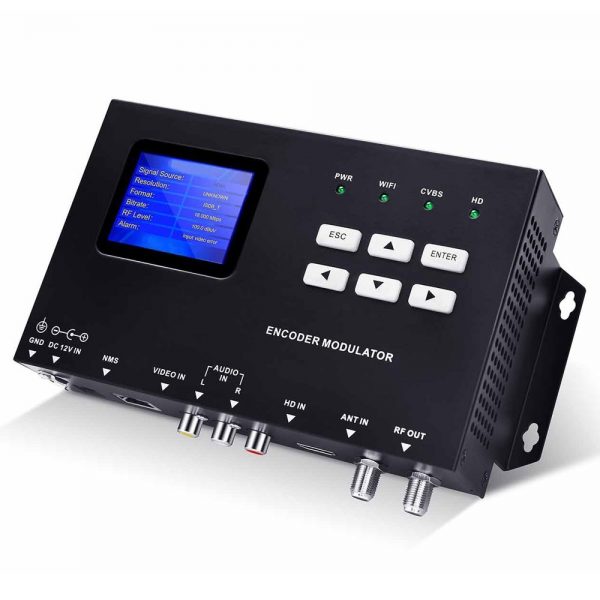 ISDB-T المغير التشفير الرقمي HDMI CVBS في DVB-T ISDB-T RF خارج المحول 1 طريق
 -
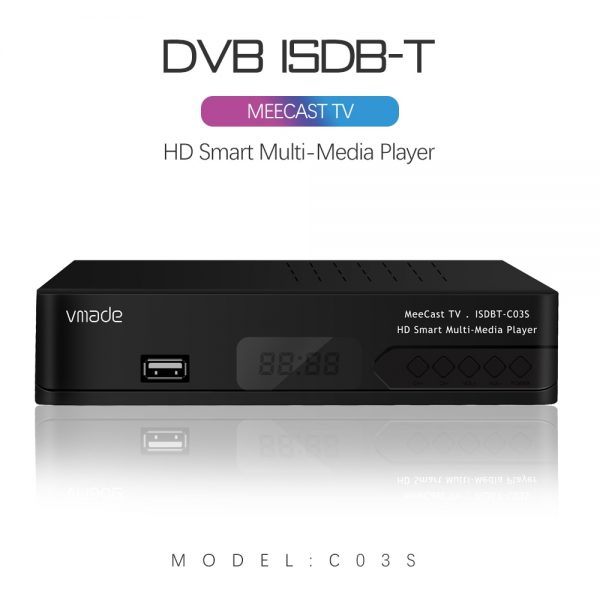 الرقمية الأرضية ISDB-T موالف التلفزيون استقبال فك التشفير كامل HD 1080P H.264 USB فك للبرازيل شيلي بيرو
 -
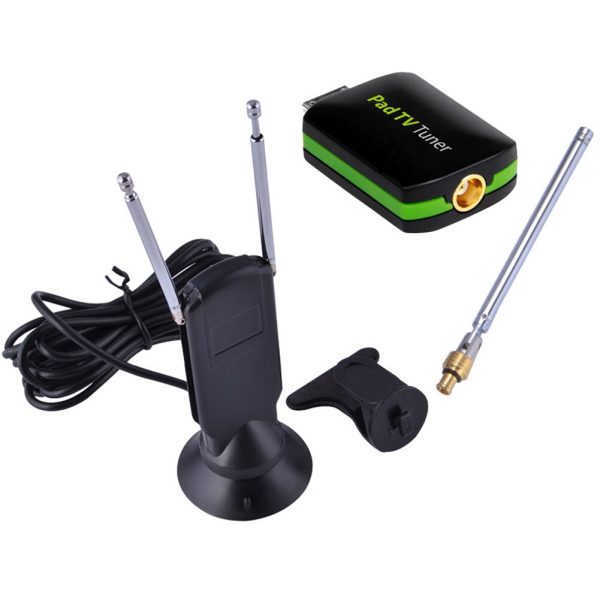 ISDB-T موالف التلفزيون دونجل للهاتف اللوحي وسادة مع هوائي محمول محمول كامل Seg حساسية عالية عالمية رقمية HD في الهواء الطلق
Ginga is a middleware specifically designed for the Brazilian Digital TV system, البنك الإسلامي للتنمية-السل (Integrated Services Digital Broadcasting-Terrestrial). It facilitates the development of interactive television (iTV) applications by providing a framework that supports various programming languages, including NCL (Nested Context Language) and Lua. Ginga is recognized for its ability to enhance user interaction with digital television through features like broadband connectivity and application interoperability
ISDB-T is a digital broadcasting standard developed in Japan and adapted for use in Brazil as ISDB-Tb. It operates within the UHF band and supports multiple channels with a bandwidth of 6 MHz each. The system utilizes MPEG-2 transport streams for data transmission, which allows for the integration of Ginga as its middleware.
اطرح سؤالاً
شكرًا لردكم ✨