
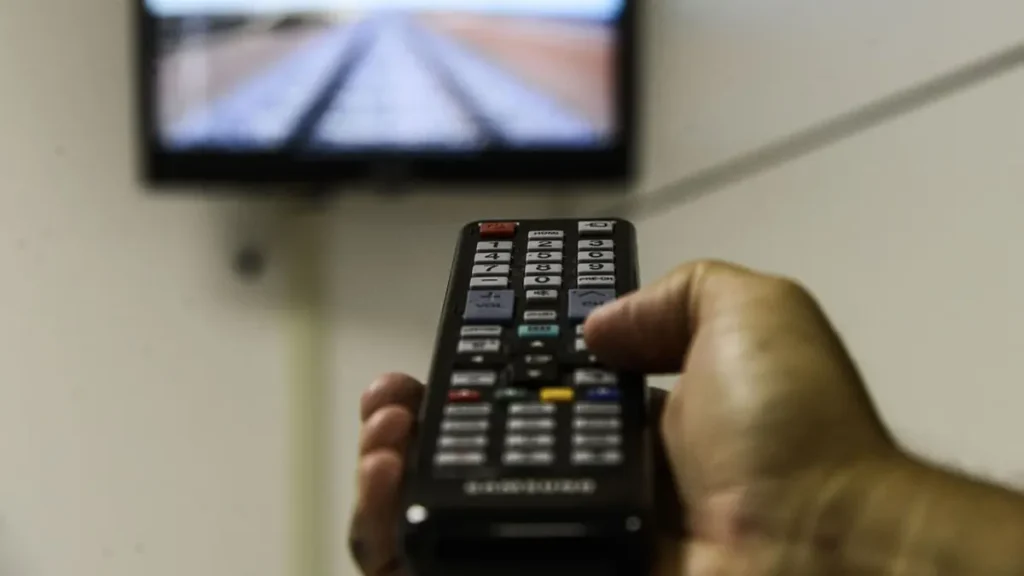
Бразилія ISDB-T новини, TV Aberta відповідає за спілкування людей з усього світу, з безкоштовними послугами, орієнтованими на розваги, культури та інформації
 ↑ (Фото: Вальтер Кампанато/Agência Brasil) Бразилія ISDB-T,
Наступної неділі, 21 число, Міжнародний день телебачення. Дата для святкування 71 років і надзвичайно важливу роль, яку відіграє відкрите ТБ у комунікації та навіть для суспільства. Присутній у культурі Бразилії з 1950-х років, TV Alberta відповідає за спілкування людей з усього світу, з безкоштовними послугами, спрямованими на розваги, культури, та інформація.
Але, щоб досягти того, що є сьогодні, телебачення отримало серію технологічних оновлень, щоб населення могло насолоджуватися найкращими враженнями від найсучаснішого аудіо та зображення. Маючи це на увазі, Форум бразильської системи цифрового ефірного телебачення (Форум СБТВД), яка інтенсивно працює над розвитком відкритого цифрового телебачення, перерахував шість технологічних курйозів, пов’язаних із телебаченням. Виїзд:
1- Перший раз сигналу телевізійного мовлення
71 років тому, вперше, телевізійний сигнал пройшов через небо Сан-Паулу. У цей час, випробування телевізійного передавача RCA на ТВ Тупі, Канал 3, прямо з Сан-Паулу, почався. Попередні трансляції проводилися в закритих приміщеннях.
2- Передача кольору
Б&Ш набрав барв! У Бразилії, вперше здійснено кольорове мовлення відкритого телебачення 1972, від TV Difusora de Porto Alegre, під час Фестивалю винограду в Кашіас-ду-Сул.
3- Цифрове телебачення та нові аудіо можливості
З появою цифрового телебачення в 2007, відкрите телебачення почало пропонувати населенню набагато більш якісний звук. Поки відкрите аналогове телебачення працювало з одним каналом (мононуклеоз) або два канали (стерео) аудіо, Цифрове телебачення підтримує до шести каналів, так званий Dolby Digital. Зараз, в 2021, телевізори вже оновлюються за допомогою захоплюючого звуку.
4- Доступність із субтитрами або прихованими субтитрами
Чи знаєте ви, що закриті субтитри (CC), також відомий як субтитри, використовується для субтитрів аудіовізуального вмісту? Ця функція робить телевізійний контент доступним для глухих або певного ступеня порушення слуху. Closed Caption з'явився в США, в 1970-х роках, з іншими експериментальними цілями. У Бразилії, в 2016, пріоритетом була доступність бразильців. Обов'язковий ABNT NBR 15290:2016 дозволено цій частині населення (який представляє 5%) мати доступ до інформації, розваги, культури, і дозвілля через екрани телевізорів.
5- Винахідник дистанційного керування
Пульт дистанційного керування був технологією, яка доповнювала телебачення. І, звичайно, для глядача, який зручно розташувався на дивані і хотів би збільшити гучність або змінити канал, не встаючи. Майже поворот 60, перший пульт дистанційного керування, все ще підключений, був розроблений інженером Юджином Поллі, в 1950. Перше бездротове керування було створено в 1956, тією ж компанією, де працював Поллі, Радіокорпорація «Зеніт». Поточний пульт дистанційного керування працює через ІЧ-порт або Bluetooth. У Бразилії, перший телевізор з дистанційним керуванням було офіційно випущено в ринок 1962.
6- Поточний телевізійний стандарт у Бразилії
Стандартом цифрового телебачення, прийнятим у Бразилії, є ISDB-TB, адаптація ISDB-T (Інтегровані послуги цифрового наземного мовлення), Японський стандарт плюс технології, розроблені в Бразилії, наприклад інтерактивність Ginga.
Історія телебачення продовжується! З технологічним прогресом, Телебачення еволюціонувало і, сьогодні, споживач може насолоджуватися, безкоштовно, програмування високої чіткості, об'ємний звук, мобільний прийом, і функції доступності (мова сигналу, аудіоопис, і субтитри). Пізніше цього року, з появою DTV Play на телевізорах, відкрите телебачення ще більше покращить інтерактивність, з 4K, HDR, і захоплюючий аудіоконтент, які були функціями, доступними лише в платних потокових сервісах.
-
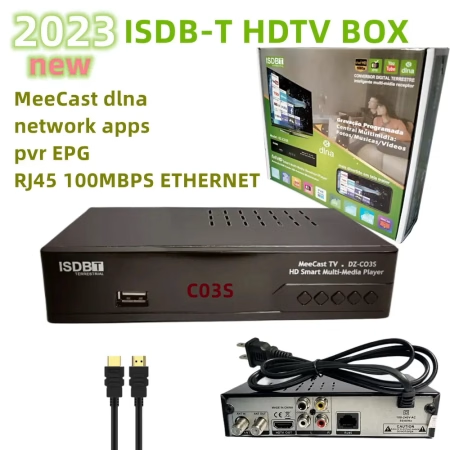 Meecast ISDB-T Full-Seg HDTV Box для Бразилії, Філіппіни і Японія
 -
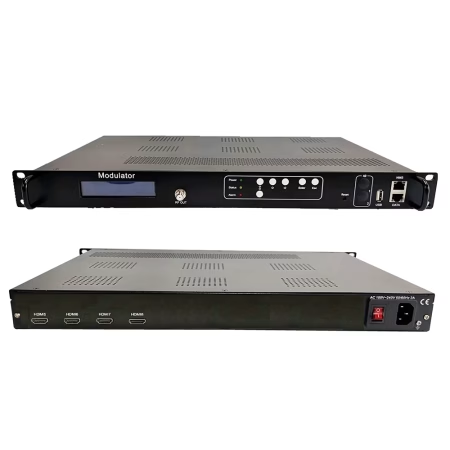 4 Модулятор каналу HDMI Encoder DVB-T ISDB-T DVB-C ATSC | Головна станція HDMI для цифрового телебачення
 -
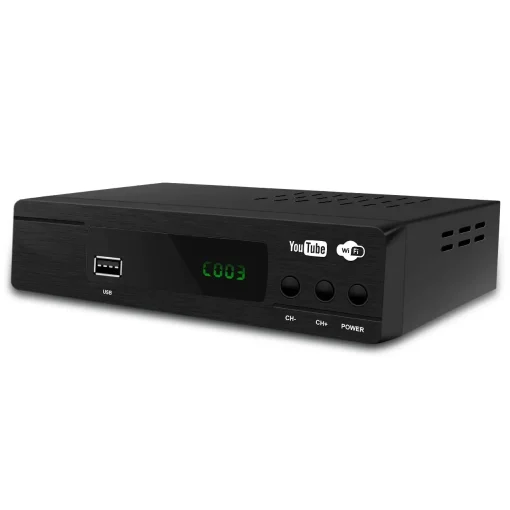 Мальдіви 8M ISDB-T цифровий tv stb set top тюнер Ex China робота
 -
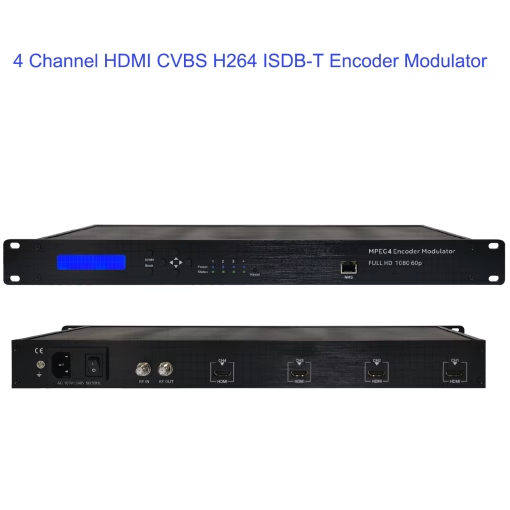 4 Модулятор каналу HDMI CVBS H264 ISDB-T
 -
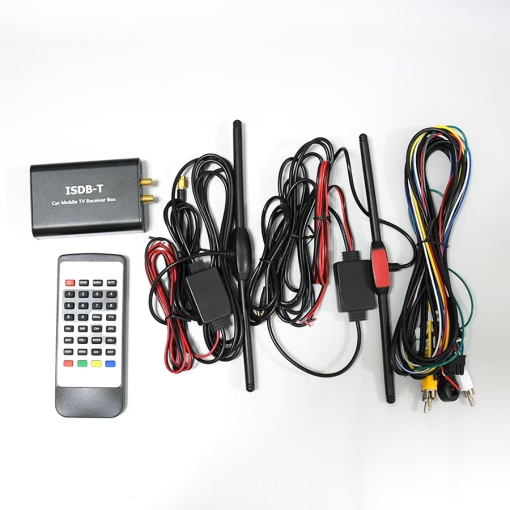 ISDB-T 2 Антени типу full seg
 -
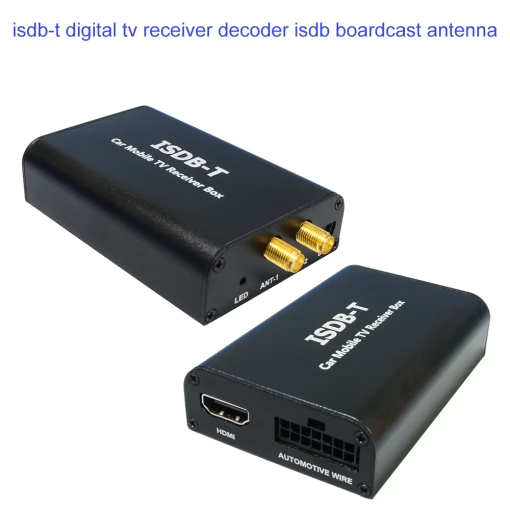 isdb-t декодер цифрового телевізійного приймача isdb boardcast antenna mini
 -
 автомобільний приймач ISDB-T цифровий перетворювач платної трансляції ISDBT наземний цифровий телевізійний рецептор декодер мовлення
 -
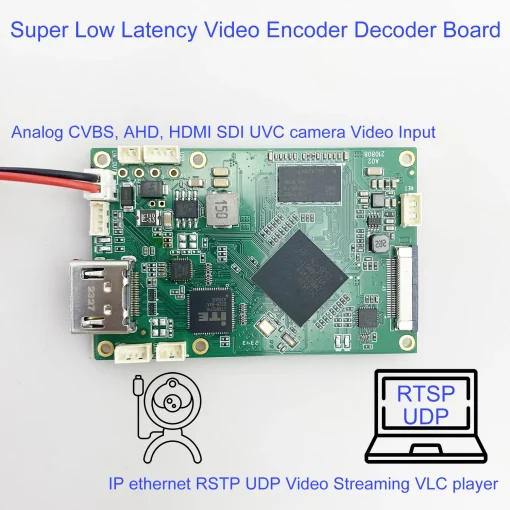 конвертувати відео UVC в IP RTSP, Аналоговий відеовхід CVBS HDMI AHD SDI, Декодер відеокодера Ethernet RTSP UDP
 -
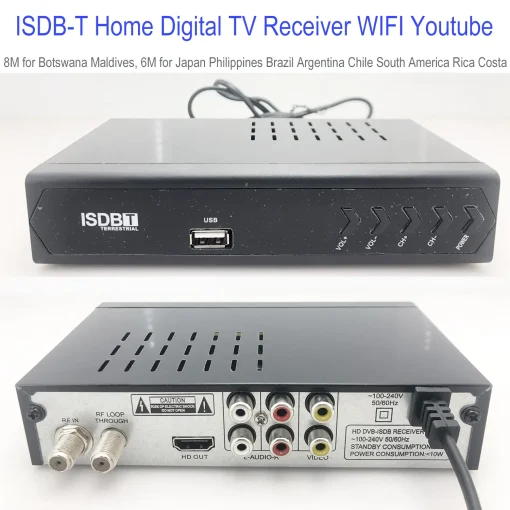 Ботсвана ISDB-T 8M приймач цифрового телебачення Set-Top-Box WIFI Youtube Vcan1914
 -
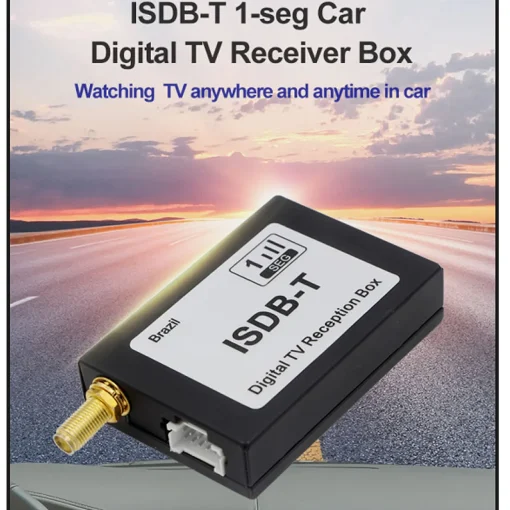 ISDB-T 1-сегментна одна антена або повний сегментний автомобільний ТВ-тюнер з двома антенами
 -
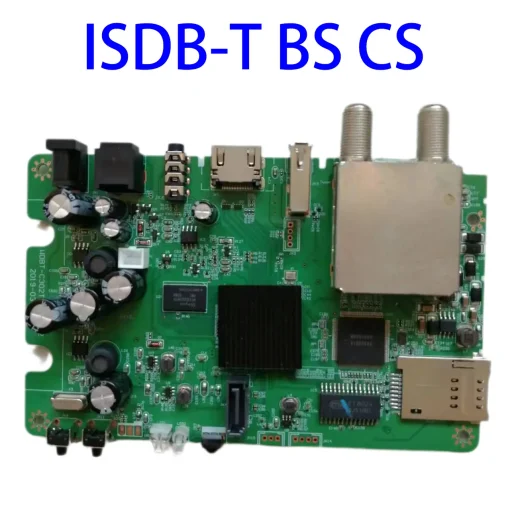 ISDB-T BS CS Японія Японська тридіапазонна приставка PVR TV PCB плата
 -
ISDB-T цифрове телебачення stb приставка приставка тюнер приставка sintonizador ефірний ресивер HD конвертер Dolby AC3+
-
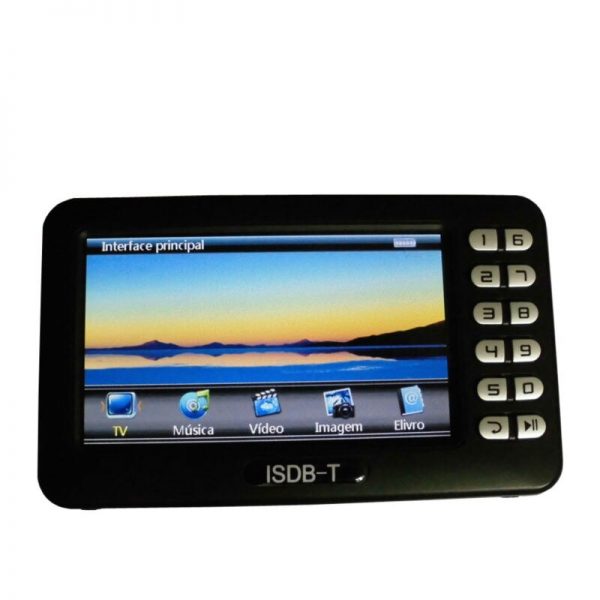 ISDBT міні-телевізійний ресивер з 4.3 дюймовий РК-екран для ISDB-T з підтримкою TF-карти USB Video FM Digital TV Player Box
 -
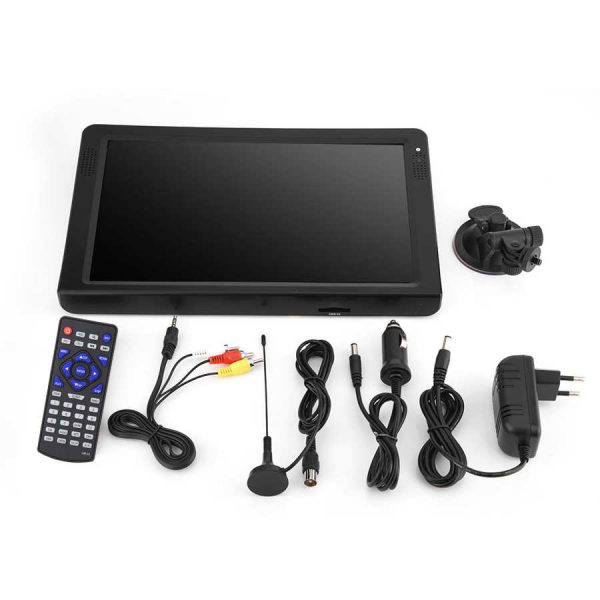 ЛЕАДЗІРКА 12 дюймовий HD Портативний телевізор ISDB-T USB Цифрове телебачення Міні автомобільний телевізор Аудіо Відео Плеєр Підтримка MP4 Монітор ЄС Plug
 -
 Цифровий кодер Модулятор HD-MI сумісний розширювач через коаксіальний ISDB-T TV RF модулятор MJZSEE V2020I
 -
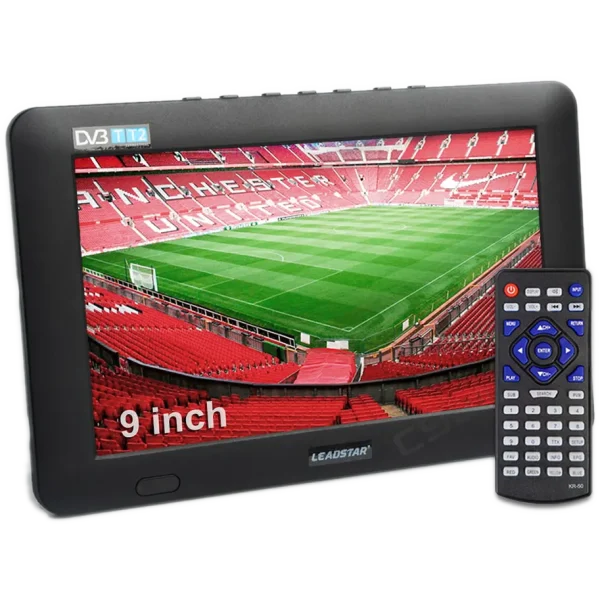 9 дюймовий Портативний ISDB-T TV TDT Цифровий і аналоговий міні маленький автомобільний телевізор Підтримка USB TF PVR MP4 H.265 AC3 DTV900
 -
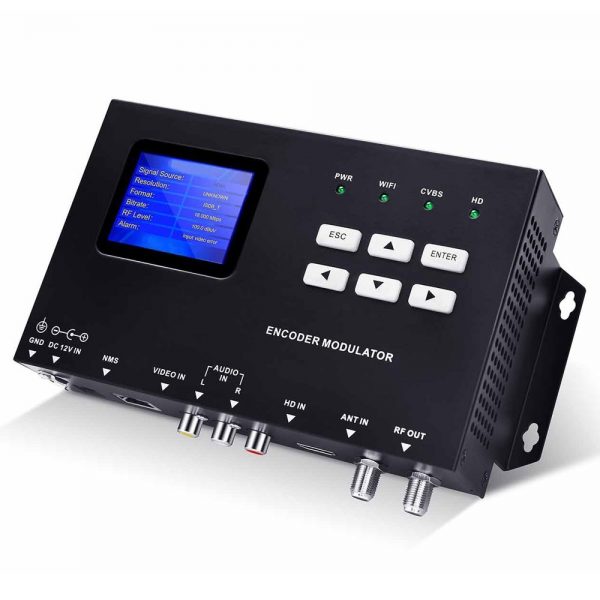 Модулятор ISDB-T кодер Цифровий HDMI CVBS в DVB-T ISDB-T РЧ вихідний перетворювач 1 Маршрут
 -
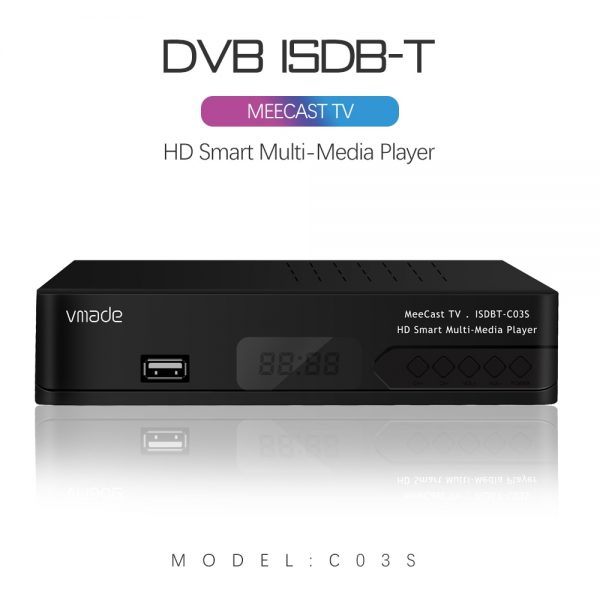 Цифровий наземний ISDB-T ТВ-тюнер Приймач Set-Top Box Full HD 1080P H.264 USB Декодер для Бразилії Чилі Перу
Ginga — це проміжне програмне забезпечення, спеціально розроблене для бразильської системи цифрового телебачення, ISDB-Tb (Інтегровані послуги цифрового мовлення – наземне). Це сприяє розвитку інтерактивного телебачення (iTV) програми, забезпечуючи структуру, яка підтримує різні мови програмування, в тому числі NCL (Мова вкладеного контексту) і Луа. Ginga визнана своєю здатністю покращувати взаємодію користувачів із цифровим телебаченням за допомогою таких функцій, як широкосмугове з’єднання та взаємодія програм
ISDB-T — це стандарт цифрового мовлення, розроблений у Японії та адаптований для використання в Бразилії як ISDB-Tb. Він працює в діапазоні UHF і підтримує кілька каналів із смугою пропускання 6 МГц кожен. Для передачі даних система використовує транспортні потоки MPEG-2, що дозволяє інтегрувати Ginga як проміжне програмне забезпечення.
Задайте питання
Дякуємо за вашу відповідь. ✨