
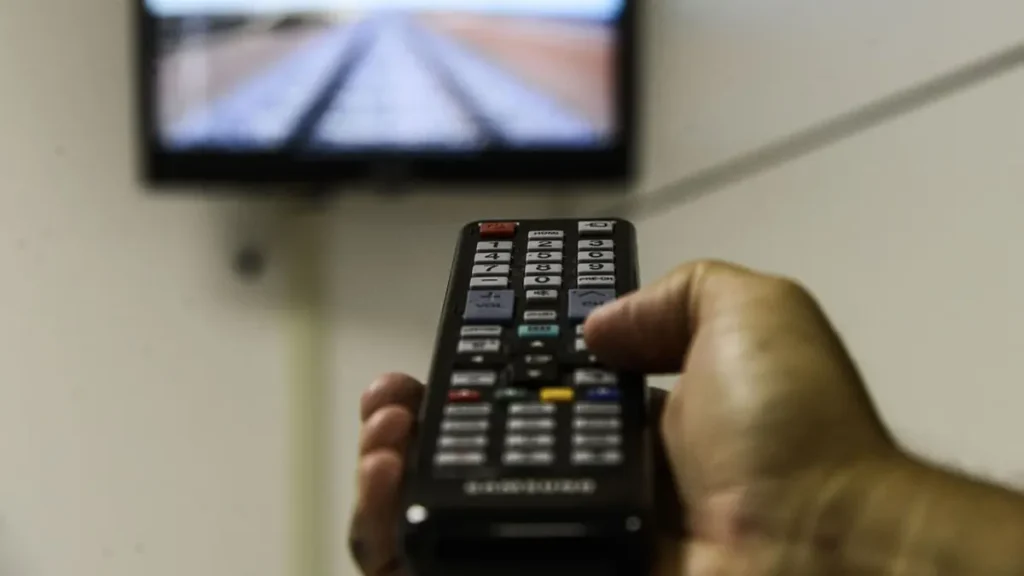
Brasil ISDB-T notícias, TV Aberta é responsável por conectar pessoas de todo o mundo, com serviços gratuitos focados em entretenimento, cultura e informação
 ↑ (Foto: Valter Campanato/Agência Brasil) Brasil ISDB-T,
Próximo domingo, dia 21, é o Dia Internacional da Televisão. Uma data para comemorar 71 anos e o papel extremamente importante que a TV aberta desempenha na comunicação e até na sociedade. Presente na cultura brasileira desde a década de 1950, TV Alberta é responsável por conectar pessoas de todo o mundo, com serviços gratuitos voltados ao entretenimento, cultura, e informações.
Mas, para chegar ao que é hoje, a televisão recebeu uma série de atualizações tecnológicas para que a população possa desfrutar da melhor experiência com áudio e imagens de última geração. Com isso em mente, o Fórum do Sistema Brasileiro de TV Digital Terrestre (Fórum SBTVD), que trabalha intensamente na evolução da TV digital aberta, listou seis curiosidades tecnológicas envolvendo a televisão. Confira:
1- Primeira vez de um sinal de transmissão de TV
71 anos atrás, pela primeira vez, um sinal de transmissão de TV passou pelo céu de São Paulo. Neste momento, os testes do transmissor de televisão RCA na TV Tupi, Canal 3, direct from São Paulo, começou. As transmissões anteriores foram feitas em um circuito interno.
2- Transmissão de cores
OB&W ganhou cores! No brasil, a primeira transmissão em cores da TV aberta foi realizada em 1972, por TV Difusora de Porto Alegre, durante a Festa da Uva em Caxias do Sul.
3- TV digital e novas possibilidades de áudio
Com a chegada da TV Digital em 2007, a TV aberta passou a oferecer à população um áudio com muito mais qualidade. Enquanto a TV analógica aberta funcionava com um canal (mono) ou dois canais (estéreo) de áudio, A TV Digital suporta até seis canais, o chamado Dolby Digital. Agora, em 2021, as televisões já estão se atualizando com a implementação de áudio imersivo.
4- Acessibilidade com legenda oculta ou legenda oculta
Você sabia que a legenda oculta (CC), também conhecido como legenda oculta, é usado para legendar conteúdo audiovisual? Esse recurso torna o conteúdo da televisão acessível a pessoas surdas ou com algum grau de deficiência auditiva. Closed Caption surgiu nos Estados Unidos, na década de 1970, com outros objetivos experimentais. No brasil, em 2016, a prioridade era a acessibilidade dos brasileiros. A ABNT NBR obrigatória 15290:2016 permitiu que esta parte da população (que representa 5%) ter acesso a informações, entretenimento, cultura, e lazer através das telas de televisão.
5- O inventor do controle remoto
O controle remoto era uma tecnologia projetada para complementar a televisão. E, claro, para o telespectador que está confortavelmente no sofá e gostaria de aumentar o volume ou mudar de canal sem se levantar. Quase virando 60, o primeiro controle remoto, ainda conectado, foi desenvolvido pelo engenheiro Eugene Polley, em 1950. O primeiro controle sem fio foi criado em 1956, pela mesma empresa onde Polley trabalhou, Corporação de Rádio Zenith. O controle remoto atual funciona com comunicação infravermelha ou Bluetooth. No brasil, a primeira televisão com controle remoto foi lançada oficialmente em 1962.
6- Padrão atual de televisão no Brasil
O padrão de televisão digital adotado no Brasil é o ISDB-TB, uma adaptação do ISDB-T (Serviços Integrados de Radiodifusão Digital Terrestre), Padrão japonês mais tecnologias desenvolvidas no Brasil, como interatividade Ginga.
A história da televisão continua! Com os avanços tecnológicos, A TV evoluiu e, hoje, o consumidor pode desfrutar, gratuitamente, programação em alta definição, som surround, recepção móvel, e recursos de acessibilidade (linguagem de sinais, audiodescrição, e legenda oculta). Mais tarde neste ano, com a chegada do DTV Play nas televisões, TV aberta vai melhorar ainda mais a interatividade, com 4K, HDR, e conteúdo de áudio envolvente, que eram recursos disponíveis apenas em serviços de streaming pagos.
-
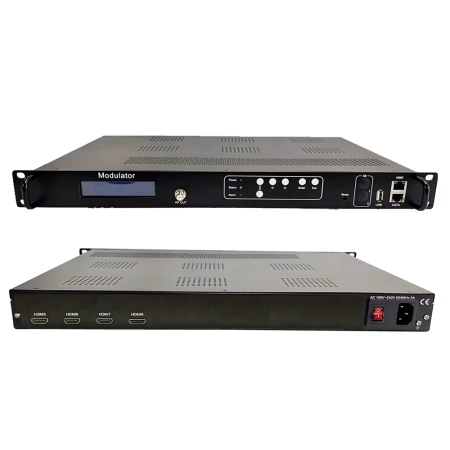 4 Modulador de codificador HDMI de canal DVB-T ISDB-T DVB-C ATSC | Headend de TV digital HDMI para RF
 -
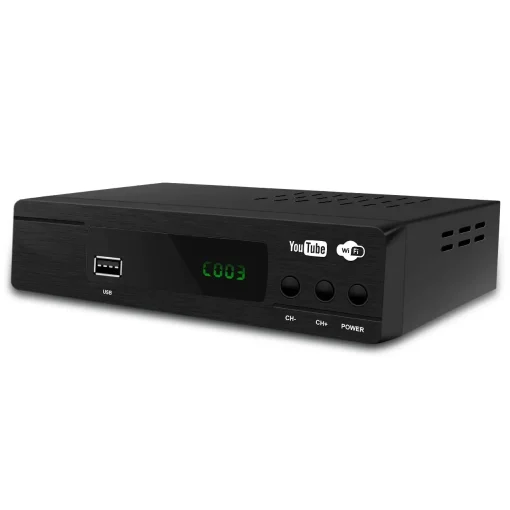 Maldivas 8M ISDB-T tv digital stb sintonizador top Ex China trabalho
 -
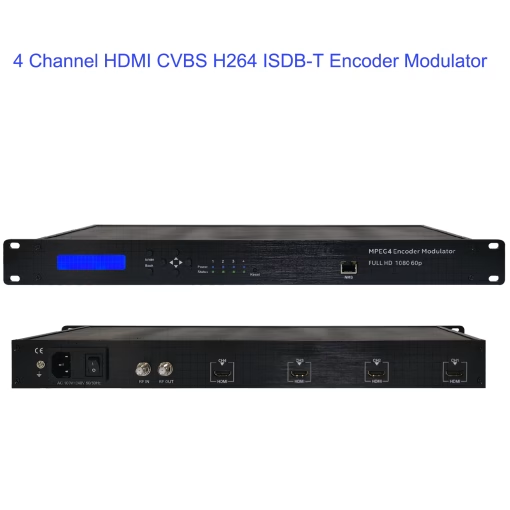 4 Modulador de codificador de canal HDMI CVBS H264 ISDB-T
 -
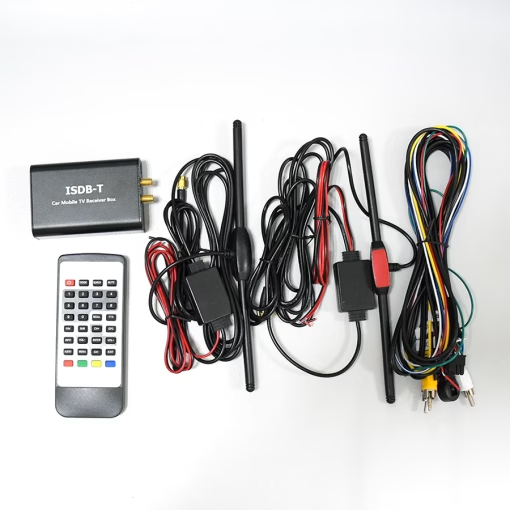 ISDB-T 2 Antenas tipo full seg
 -
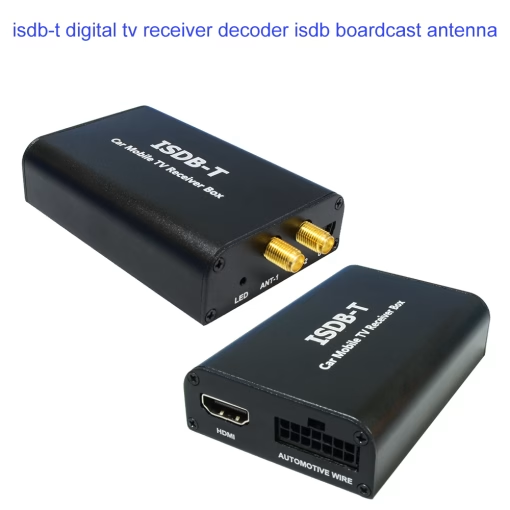 isdb-t receptor de tv digital decodificador isdb boardcast antena mini
 -
 automóvel ISDB-T receptor digital boardcast conversor ISDBT receptor de TV digital terrestre decodificador de transmissão
 -
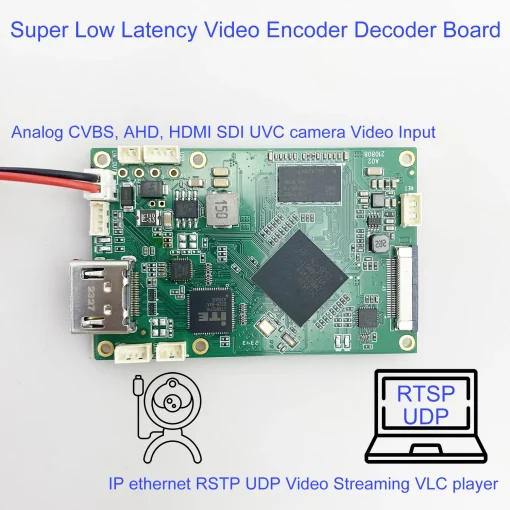 converter vídeo UVC para IP RTSP, Entrada de vídeo analógica CVBS HDMI AHD SDI, Decodificador codificador de vídeo Ethernet RTSP UDP
 -
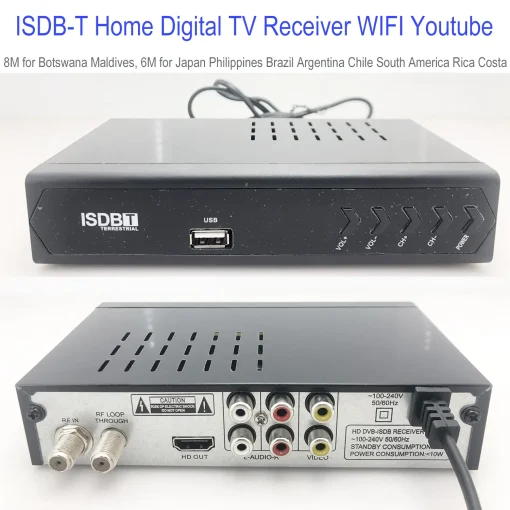 Botswana ISDB-T 8M receptor de TV digital Set-Top-Box WIFI Youtube Vcan1914
 -
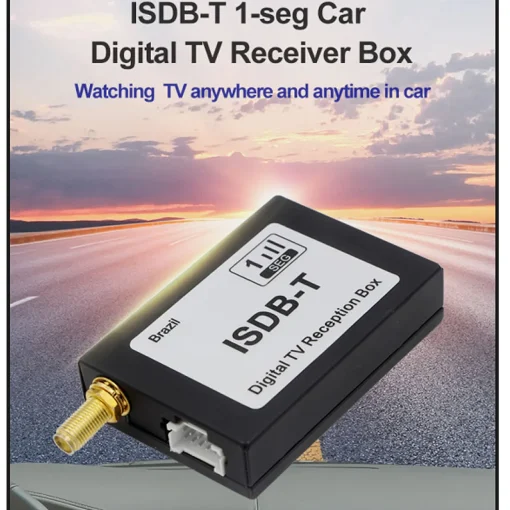 ISDB-T 1-Seg uma antena ou segmento completo duas antenas caixa sintonizadora de TV para carro
 -
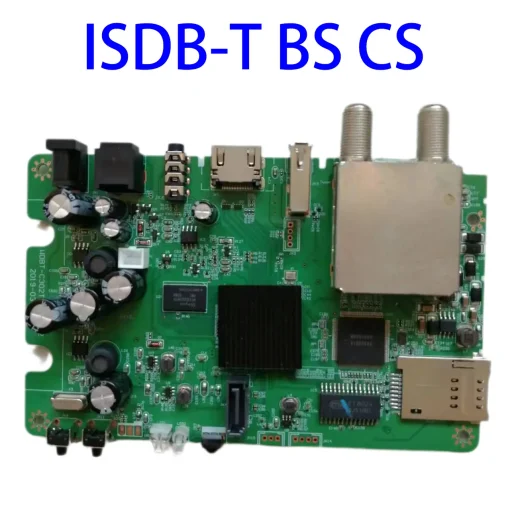 ISDB-T BS CS Japão japonês set-top box de três bandas PVR TV PCB placa
 -
ISDB-T tv digital stb box set top tuner box sintonizador receptor terrestre HD conversor Dolby AC3 +
-
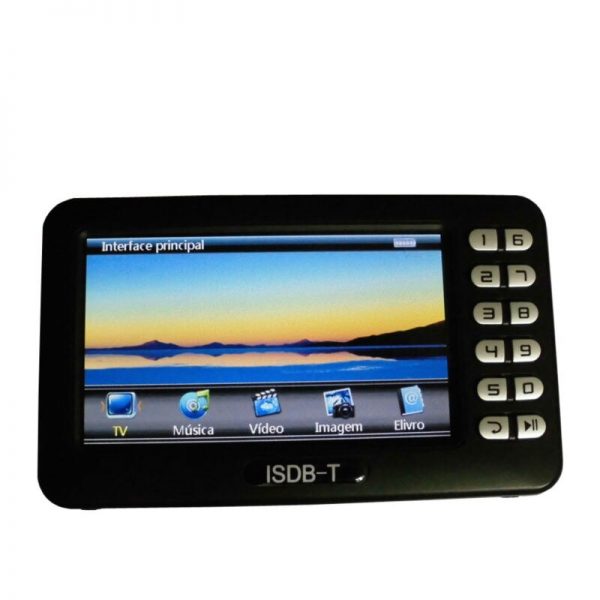 Mini receptor de TV ISDBT com 4.3 Tela LCD de polegada para ISDB-T Suporte TF Cartão USB Vídeo FM Digital TV Player Box
 -
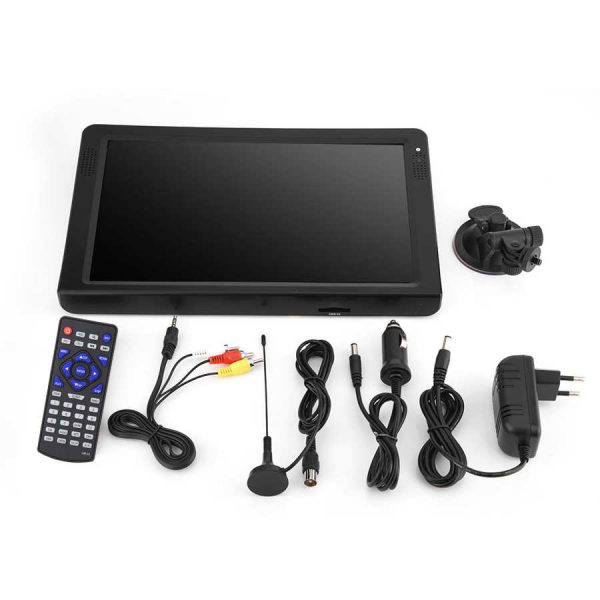 LEADSTAR 12 Polegada hd tv portátil ISDB-T usb televisão digital mini carro tv áudio player de vídeo suporte mp4 monitor plugue da ue
 -
 Modulador de codificador digital HD-MI extensor compatível sobre modulador coaxial ISDB-T TV RF MJZSEE V2020I
 -
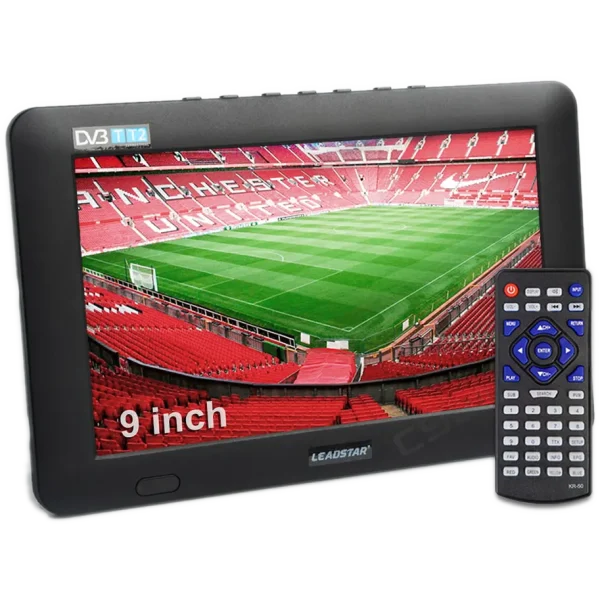 9 Polegada portátil ISDB-T tv tdt digital e analógico mini pequeno carro televisão suporte usb tf pvr mp4 h.265 ac3 dtv900
 -
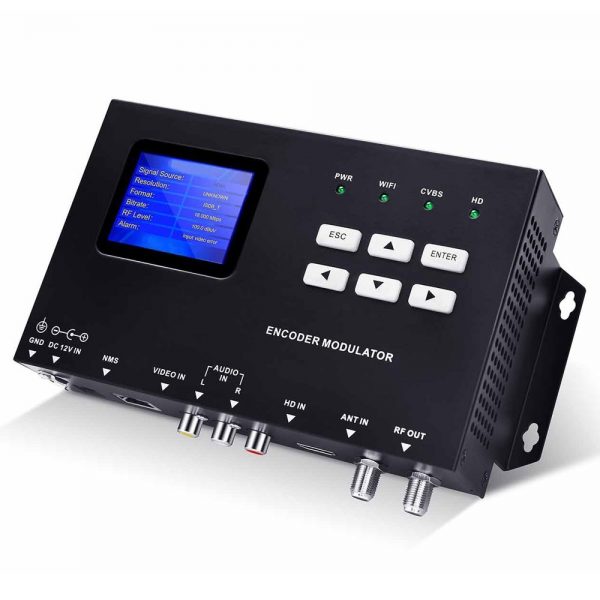 Codificador modulador ISDB-T Digital HDMI CVBS em DVB-T ISDB-T RF conversor de saída 1 Rota
 -
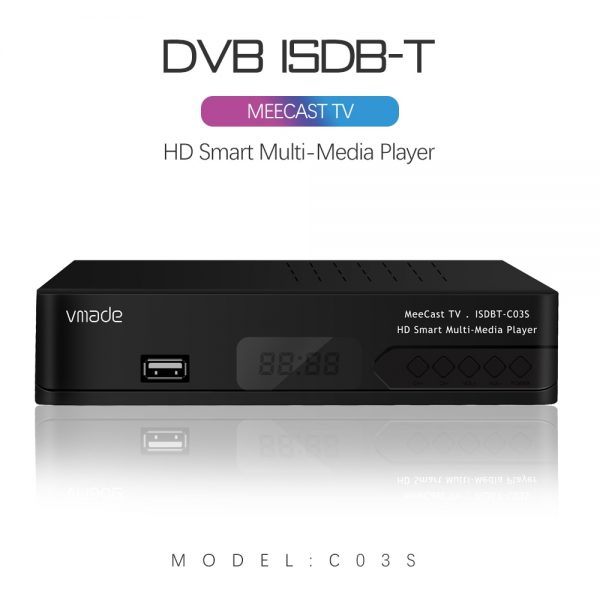 Receptor de sintonizador de TV digital terrestre ISDB-T Set-Top Box Totalmente HD 1080P H.264 Decodificador USB para Brasil Chile Peru
 -
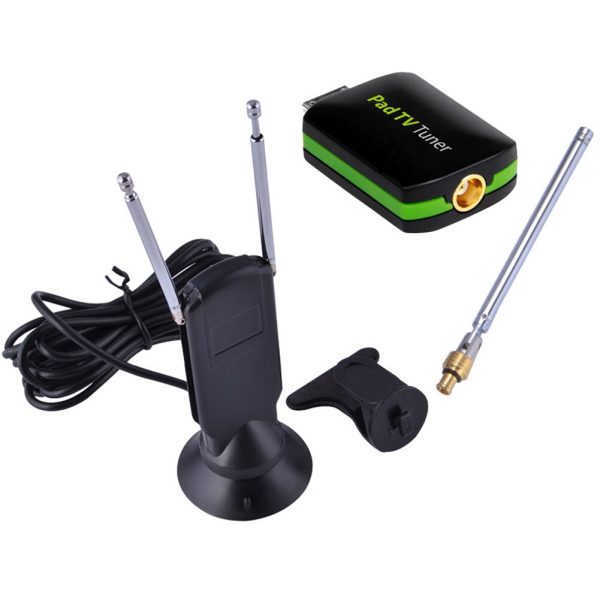 Dongle sintonizador de tv para celular e tablet, com antena portátil, seg completo, alta sensibilidade, universal, digital, hd, ambiente externo
Ginga é um middleware desenvolvido especificamente para o sistema brasileiro de TV Digital, ISDB-Tb (Serviços Integrados de Radiodifusão Digital-Terrestre). Facilita o desenvolvimento da televisão interativa (iTV) aplicativos, fornecendo uma estrutura que suporta várias linguagens de programação, incluindo NCL (Linguagem de contexto aninhado) e Lua. O Ginga é reconhecido por sua capacidade de aprimorar a interação do usuário com a televisão digital por meio de recursos como conectividade de banda larga e interoperabilidade de aplicativos
ISDB-T é um padrão de transmissão digital desenvolvido no Japão e adaptado para uso no Brasil como ISDB-Tb. Opera na banda UHF e suporta múltiplos canais com largura de banda de 6 MHz cada. O sistema utiliza fluxos de transporte MPEG-2 para transmissão de dados, que permite a integração do Ginga como seu middleware.
Faça uma pergunta
Sua mensagem foi enviada