
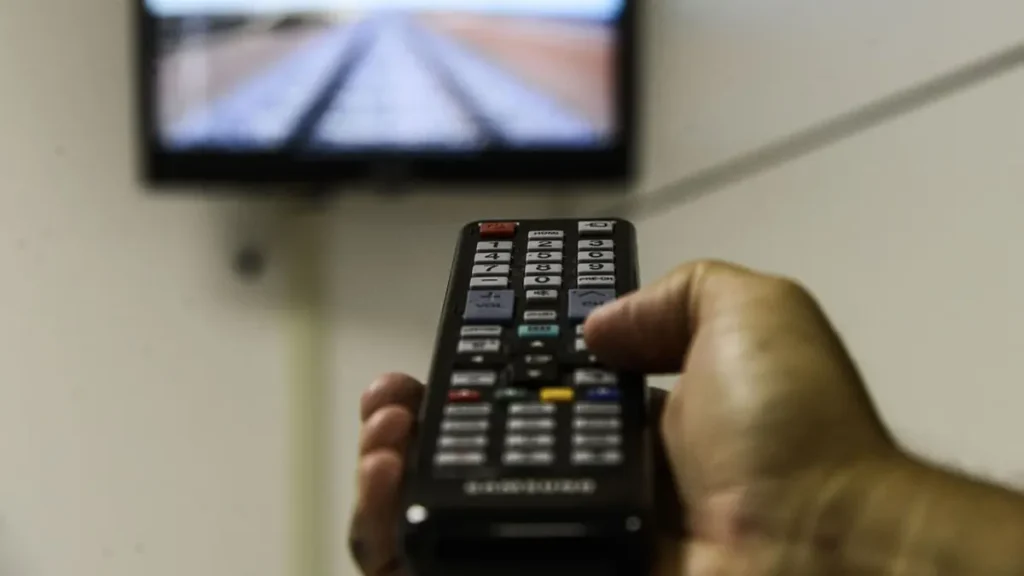
Brezilya ISDB-T haberler, TV Aberta dünyanın her yerinden insanları birbirine bağlamaktan sorumludur, eğlence odaklı ücretsiz hizmetlerle, kültür ve bilgi
 ↑ (Fotoğraf: Valter Campanato/Agência Brezilya) Brezilya ISDB-T,
Gelecek Pazar, 21'inci, Uluslararası Televizyon Günü. Kutlanacak bir tarih 71 Yıllardır açık TV'nin iletişimde ve hatta toplum için oynadığı son derece önemli rol. 1950'lerden beri Brezilya kültüründe mevcut, TV Alberta dünyanın her yerinden insanları birbirine bağlamaktan sorumludur, eğlenceye yönelik ücretsiz hizmetler ile, kültür, ve bilgi.
Ancak, bugünkü duruma ulaşmak için, Televizyon, halkın en son teknolojiye sahip ses ve görüntülerle en iyi deneyimi yaşayabilmesi için bir dizi teknolojik güncelleme aldı. Bunu akılda tutarak, Brezilya Dijital Karasal TV Sistemi Forumu (Forum SBTVD), açık dijital TV'nin gelişimi üzerinde yoğun bir şekilde çalışan, televizyonla ilgili altı teknolojik merakı sıraladı. Çıkış yapmak:
1- İlk kez TV yayın sinyali
71 Yıllar önce, ilk defa, São Paulo semalarından bir TV yayın sinyali geçti. Şu anda, TV Tupi'deki RCA televizyon vericisinin testleri, Kanal 3, doğrudan São Paulo'dan, başlamak. Önceki yayınlar kapalı devrede yapılmıştı.
2- Renk iletimi
B&Renkler kazandık! Brezilya'da, Açık TV'de ilk renkli yayın gerçekleştirildi 1972, TV Difusora de Porto Alegre tarafından, Caxias do Sul'daki Üzüm Festivali sırasında.
3- Dijital TV ve yeni ses olanakları
Dijital TV'nin gelişiyle birlikte 2007, açık TV halka çok daha kaliteli ses sunmaya başladı. Açık analog TV tek kanalla çalışırken (mono) veya iki kanal (stereo) sesin, Dijital TV altı kanala kadar destekler, sözde Dolby Digital. Şimdi, içinde 2021, televizyonlar halihazırda sürükleyici ses teknolojisinin uygulanmasıyla güncelleniyor.
4- Kapalı Altyazı veya Gizli Altyazı ile Erişilebilirlik
Kapalı Altyazıyı biliyor muydunuz? (CC), kapalı altyazı olarak da bilinir, görsel-işitsel içeriğe altyazı eklemek için kullanılır? Bu özellik, televizyon içeriğinin sağır veya bir dereceye kadar işitme bozukluğu olan kişiler için erişilebilir olmasını sağlar. Kapalı Altyazı Amerika Birleşik Devletleri'nde ortaya çıktı, 1970'lerde, diğer deneysel hedeflerle. Brezilya'da, içinde 2016, öncelik Brezilyalıların erişilebilirliğiydi. Zorunlu ABNT NBR 15290:2016 nüfusun bu kısmına izin verildi (hangisi temsil eder 5%) bilgiye erişebilmek, eğlence, kültür, ve televizyon ekranları aracılığıyla eğlence.
5- Uzaktan kumandanın mucidi
Uzaktan kumanda televizyonu tamamlamak üzere tasarlanmış bir teknolojiydi. Ve, Elbette, Kanepede rahatça oturan ve kalkmadan sesi açmak veya kanalı değiştirmek isteyen izleyici için. Neredeyse dönüyor 60, ilk uzaktan kumanda, hala kablolu, mühendis Eugene Polley tarafından geliştirildi, içinde 1950. İlk kablosuz kontrol 1900'lerde oluşturuldu. 1956, Polley'in çalıştığı şirket tarafından, Zenith Radyo Şirketi. Mevcut uzaktan kumanda kızılötesi veya Bluetooth iletişimiyle çalışır. Brezilya'da, ilk uzaktan kumandalı televizyon resmi olarak piyasaya sürüldü 1962.
6- Brezilya'daki mevcut televizyon standardı
Brezilya'da benimsenen dijital televizyon standardı ISDB-TB'dir., bir uyarlaması ISDB-T (Entegre Hizmetler Dijital Yayıncılık Karasal), Brezilya'da geliştirilen Japon standardı artı teknolojiler, Ginga etkileşimi gibi.
Televizyonun tarihi devam ediyor! Teknolojik gelişmelerle, Televizyon gelişti ve, Bugün, tüketicinin keyfini çıkarabileceği, ücretsiz, yüksek çözünürlüklü programlama, surround ses, mobil resepsiyon, ve erişilebilirlik özellikleri (sinyal dili, sesli açıklama, ve altyazı). Bu yılın ilerleyen zamanlarında, DTV Play'in televizyonlara gelişiyle birlikte, açık TV etkileşimi daha da geliştirecek, 4K ile, HDR, ve sürükleyici ses içeriği, bunlar yalnızca ücretli yayın hizmetlerinde mevcut olan özelliklerdi.
-
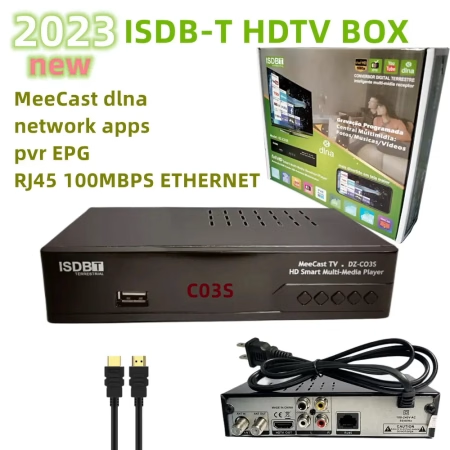 Brezilya için Meecast ISDB-T Tam Seg HDTV Kutusu, Filipinler ve Japonya
 -
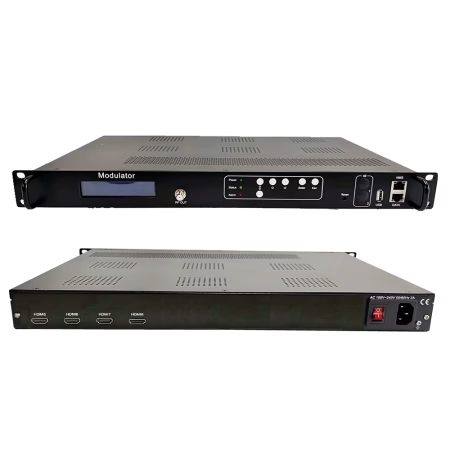 4 Kanal HDMI Kodlayıcı Modülatör DVB-T ISDB-T DVB-C ATSC | HDMI'dan RF'ye Dijital TV Baş Ucu
 -
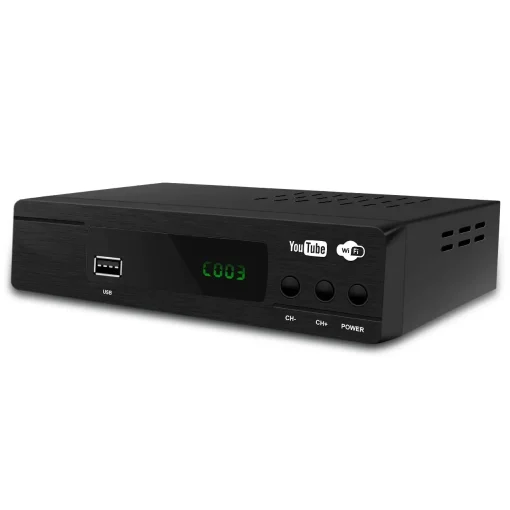 Maldivler 8M ISDB-T dijital tv stb set üstü tuner Çin çıkışlı çalışma
 -
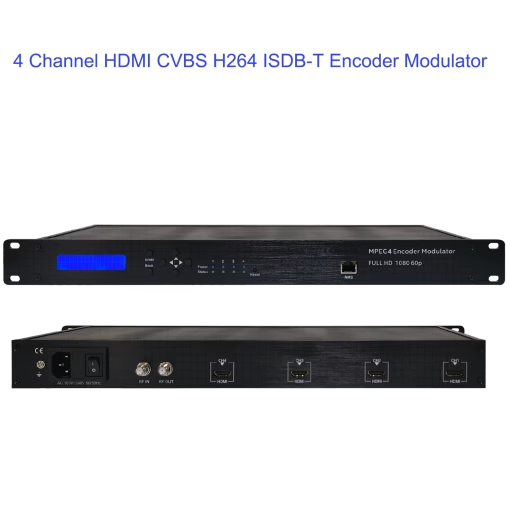 4 Kanal HDMI CVBS H264 ISDB-T Kodlayıcı Modülatörü
 -
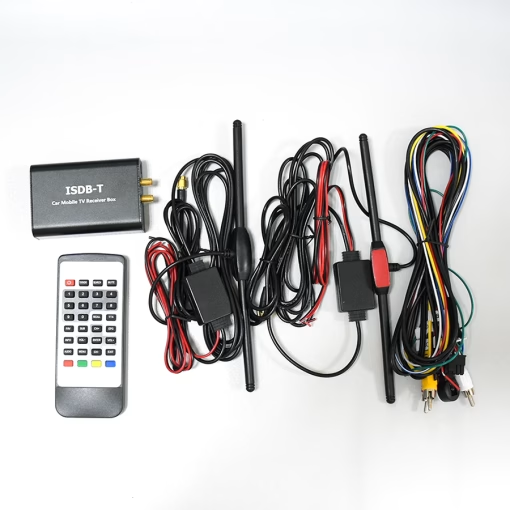 ISDB-T 2 Antenler tipi tam segment
 -
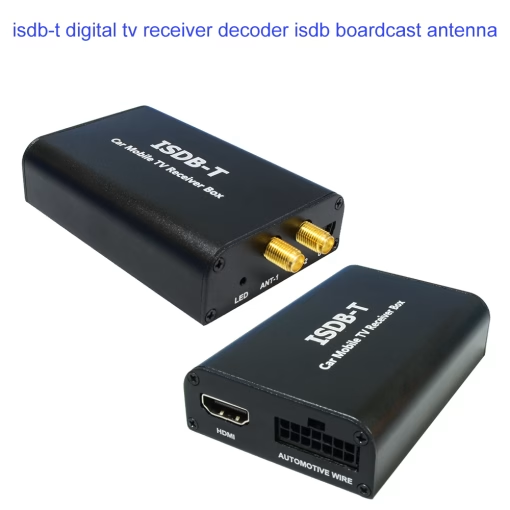 isdb-t dijital tv alıcısı dekoder isdb boardcast anten mini
 -
 Otomobil ISDB-T alıcısı dijital boardcast dönüştürücü ISDBT karasal dijital tv reseptörü yayın kod çözücü
 -
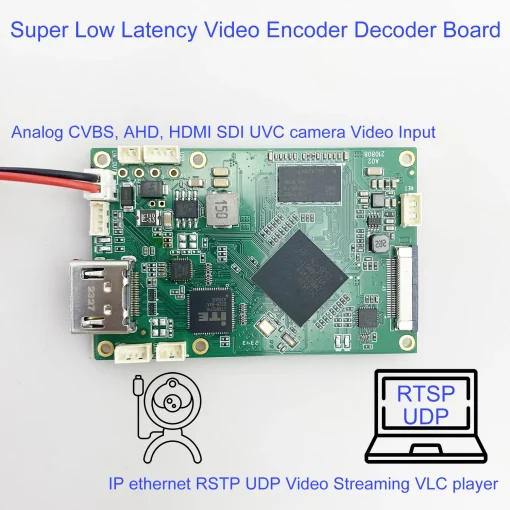 video UVC'yi IP RTSP'ye dönüştürün, Analog CVBS HDMI AHD SDI video girişi, Ethernet RTSP UDP video kodlayıcı kod çözücü
 -
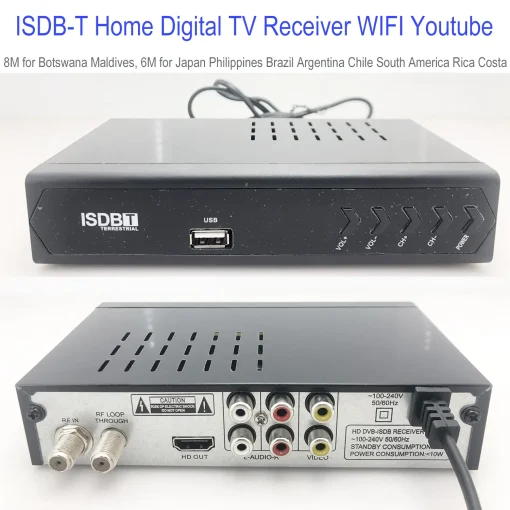 Botsvana ISDB-T 8M dijital tv alıcısı Set Üstü Kutu WIFI Youtube Vcan1914
 -
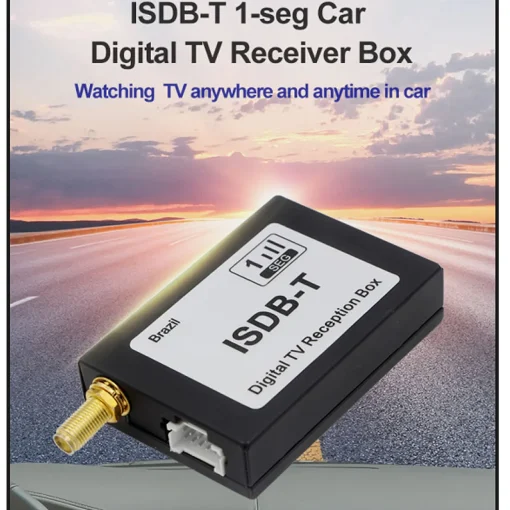 ISDB-T 1 Segmentli bir Anten veya tam segmentli İki Antenli Araba TV tuner kutusu
 -
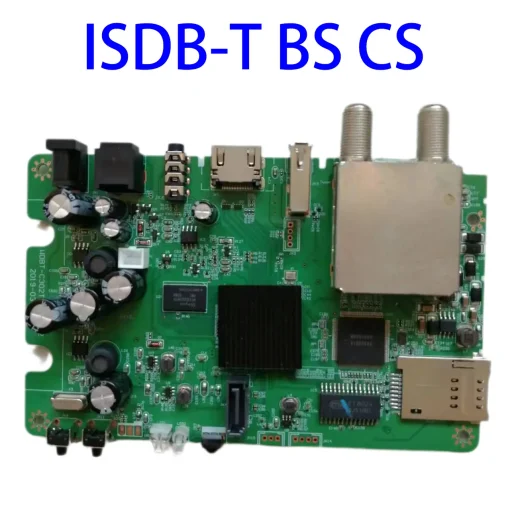 ISDB-T BS CS Japonya Japon üç bantlı set üstü kutu PVR TV PCB kartı
 -
ISDB-T dijital tv stb kutusu set üstü tuner kutusu sintonizador karasal alıcı HD dönüştürücü Dolby AC3+
-
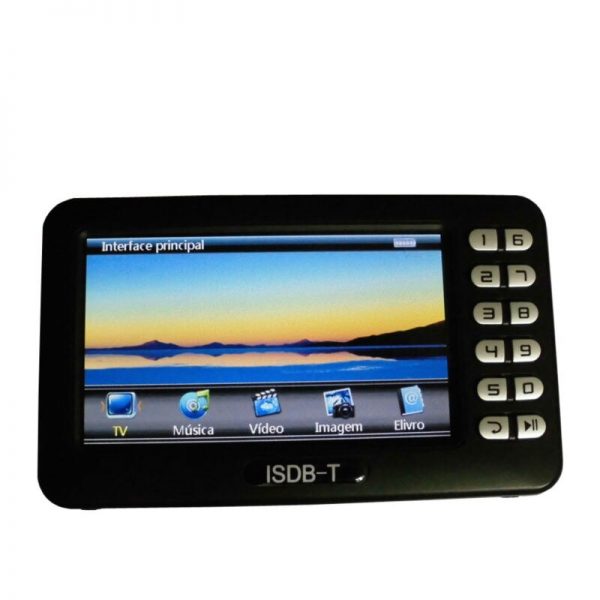 ISDBT Mini TV Alıcısı 4.3 ISDB-T Desteği TF Kart USB Video FM Dijital TV Oynatıcı Kutusu için inç LCD Ekran
 -
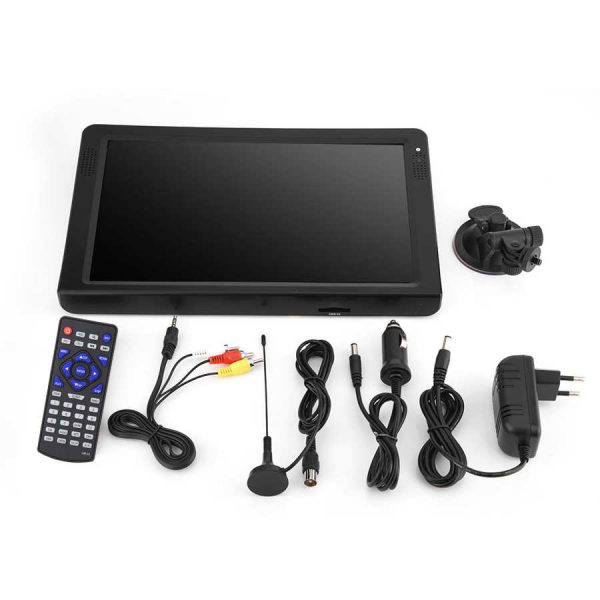 LİDER YILDIZ 12 inç HD Taşınabilir TV ISDB-T USB Dijital Televizyon Mini Araba TV Ses Video Oynatıcı Desteği MP4 Monitör AB Tak
 -
 Dijital Kodlayıcı Modülatör HD-MI uyumlu Koaksiyel ISDB-T TV Üzerinden Genişletici RF Modülatör MJZSEE V2020I
 -
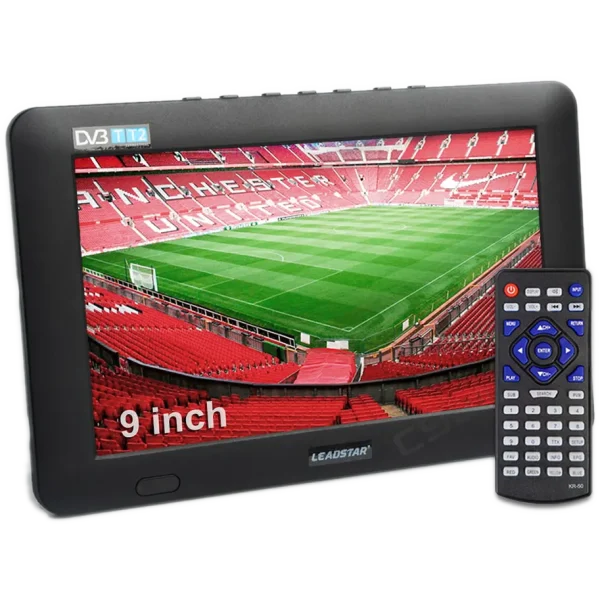 9 inç Taşınabilir ISDB-T TV TDT Dijital ve Analog mini küçük Araba Televizyon Desteği USB TF PVR MP4 H.265 AC3 DTV900
 -
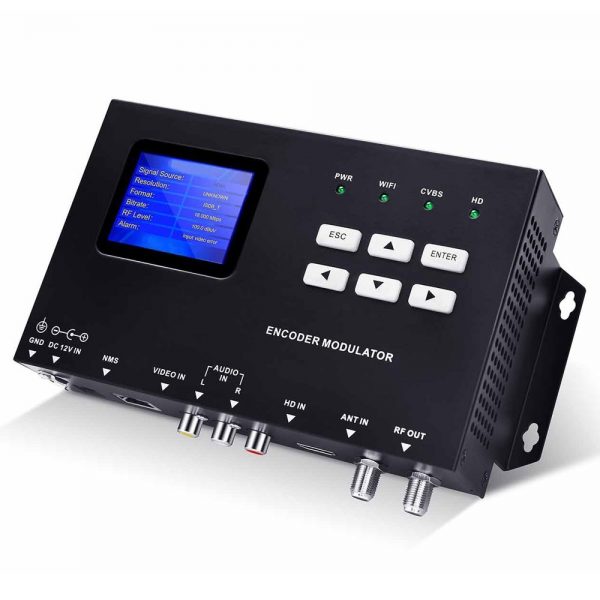 ISDB-T modülatör kodlayıcı DVB-T'de Dijital HDMI CVBS ISDB-T RF çıkış Dönüştürücü 1 Rota
 -
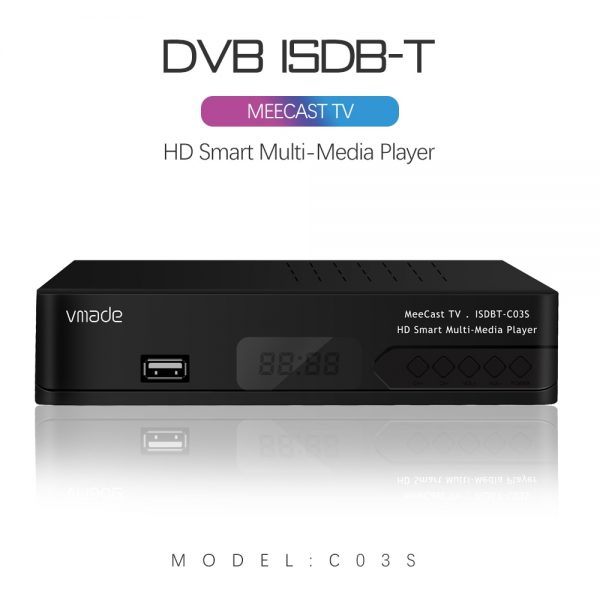 Dijital Karasal ISDB-T TV Tuner Alıcısı Set Üstü Kutusu Full HD 1080 P H.264 Brezilya Şili Peru için USB Dekoder
Ginga, Brezilya Dijital TV sistemi için özel olarak tasarlanmış bir ara yazılımdır, ISDB-Tb (Entegre Hizmetler Dijital Yayıncılık-Karasal). İnteraktif televizyonun gelişimini kolaylaştırır (iTV) çeşitli programlama dillerini destekleyen bir çerçeve sağlayarak uygulamalar, NCL dahil (İç İçe Bağlam Dili) ve Lua. Ginga, geniş bant bağlantısı ve uygulama birlikte çalışabilirliği gibi özellikler aracılığıyla dijital televizyonla kullanıcı etkileşimini geliştirme yeteneğiyle tanınmaktadır.
ISDB-T, Japonya'da geliştirilen ve Brezilya'da ISDB-Tb olarak kullanılmak üzere uyarlanan bir dijital yayın standardıdır.. UHF bandında çalışır ve bant genişliğine sahip birden fazla kanalı destekler. 6 her biri MHz. Sistem, veri iletimi için MPEG-2 taşıma akışlarını kullanır, Ginga'nın ara katman yazılımı olarak entegrasyonuna izin veren.
Soru Sor
Yanıtınız için teşekkür ederiz. ✨