
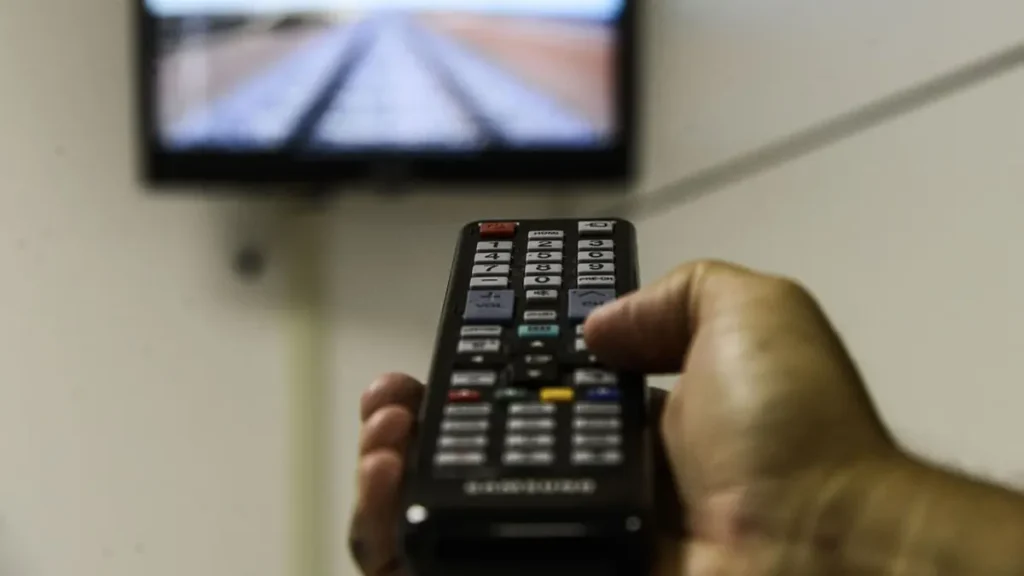
브라질 ISDB-T 소식, TV Aberta는 전 세계 사람들을 연결하는 역할을 담당하고 있습니다., 엔터테인먼트에 초점을 맞춘 무료 서비스로, 문화와 정보
 ↑ (사진: 발터 캄파나토/Agência Brasil) 브라질 ISDB-T,
다음주 일요일, 21일, 국제 텔레비전의 날입니다. 이를 기념하는 데이트 71 개방형 TV가 의사소통은 물론 사회에서도 매우 중요한 역할을 한다는 사실을 알게 되었습니다. 1950년대 이후 브라질 문화에 등장, TV Alberta는 전 세계 사람들을 연결하는 역할을 담당하고 있습니다., 오락을 목적으로 한 무료 서비스로, 문화, 그리고 정보.
하지만, 오늘의 상황에 도달하기 위해, 텔레비전은 사람들이 최첨단 오디오와 이미지로 최고의 경험을 즐길 수 있도록 일련의 기술 업데이트를 받았습니다. 이를 염두에 두고, 브라질 디지털 지상파 TV 시스템 포럼 (포럼 SBTVD), 개방형 디지털 TV의 진화에 집중적으로 노력하고 있습니다., 텔레비전과 관련된 여섯 가지 기술적 호기심을 나열했습니다. 확인해 보세요:
1- TV 방송 신호 최초
71 여러 해 전에, 처음으로, 상파울루 상공을 통과하는 TV 방송 신호. 이때, TV Tupi의 RCA 텔레비전 송신기 테스트, 운하 3, 상파울루에서 직접, 시작했다. 기존 방송은 실내 서킷에서 진행됐다..
2- 색상 전달
더 비&W 획득 색상! 브라질에서는, 오픈TV 컬러 첫 방송이 진행됐다. 1972, TV Difusora de Porto Alegre 제작, Caxias do Sul의 포도 축제 기간 동안.
3- 디지털 TV와 새로운 오디오 가능성
디지털 TV가 등장하면서 2007, 개방형 TV는 대중에게 훨씬 더 우수한 품질의 오디오를 제공하기 시작했습니다. 개방형 아날로그 TV가 하나의 채널로 작동하는 동안 (단핵증) 또는 두 개의 채널 (스테레오 재생) 오디오의, 디지털 TV는 최대 6개의 채널을 지원합니다., 소위 돌비 디지털. 지금, ~에 2021, 텔레비전은 이미 몰입형 오디오 구현으로 업데이트되고 있습니다..
4- 폐쇄 캡션 또는 히든 캡션을 통한 접근성
클로즈드 캡션이라는 것을 알고 계셨나요? (CC), 폐쇄자막이라고도 함, 시청각 콘텐츠에 자막을 추가하는 데 사용됩니다.? 이 기능을 사용하면 청각 장애가 있거나 어느 정도 청각 장애가 있는 사람들이 TV 콘텐츠에 액세스할 수 있습니다. 폐쇄 자막이 미국에서 등장했습니다., 1970년대에, 다른 실험 목표와 함께. 브라질에서는, ~에 2016, 우선순위는 브라질인의 접근성이었습니다. 필수 ABNT NBR 15290:2016 인구의 이 부분을 허용했습니다. (이는 5%) 정보에 접근할 수 있도록, 오락, 문화, 텔레비전 화면을 통한 여가.
5- 리모콘의 발명가
리모콘은 텔레비전을 보완하기 위해 고안된 기술이었습니다. 그리고, 물론, 소파에 편하게 앉아 일어나지 않고 볼륨을 높이거나 채널을 바꾸고 싶은 시청자를 위한 제품입니다. 거의 회전 중 60, 최초의 리모콘, 아직 연결되어 있어, 엔지니어 Eugene Polley가 개발했습니다., ~에 1950. 최초의 무선 컨트롤이 탄생했습니다. 1956, Polley가 일했던 회사에서, 제니스 라디오 주식회사. 현재 리모컨은 적외선이나 블루투스 통신으로 작동합니다. 브라질에서는, 리모콘이 장착된 최초의 TV가 공식적으로 출시되었습니다. 1962.
6- 브라질의 현재 텔레비전 표준
브라질에서 채택된 디지털 텔레비전 표준은 ISDB-TB입니다., 의 적응 ISDB-T (통합서비스 디지털방송 지상파), 브라질에서 개발된 일본 표준과 기술, Ginga 상호작용과 같은.
텔레비전의 역사는 계속된다! 기술의 발전으로, TV는 진화했고,, 오늘, 소비자가 즐길 수 있는, 무료, 고화질 프로그래밍, 서라운드 사운드, 모바일 수신, 및 접근성 기능 (신호 언어, 오디오 설명, 그리고 자막). 올해 말, TV에 DTV Play가 등장하면서, 오픈 TV는 상호작용성을 더욱 향상시킬 것입니다, 4K로, HDR, 몰입형 오디오 콘텐츠, 유료 스트리밍 서비스에서만 볼 수 있었던 기능이었습니다..
-
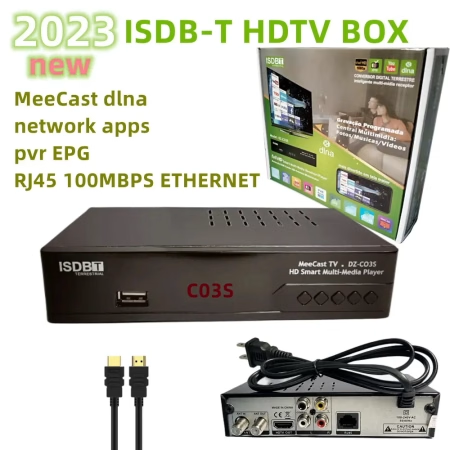 브라질용 Meecast ISDB-T Full-Seg HDTV 박스, 필리핀과 일본
 -
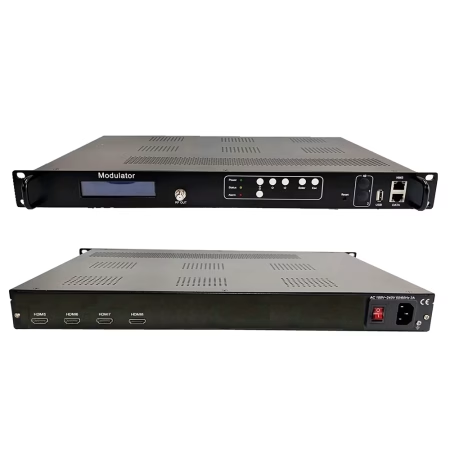 4 채널 HDMI 인코더 변조기 DVB-T ISDB-T DVB-C ATSC | HDMI-RF 디지털 TV 헤드엔드
 -
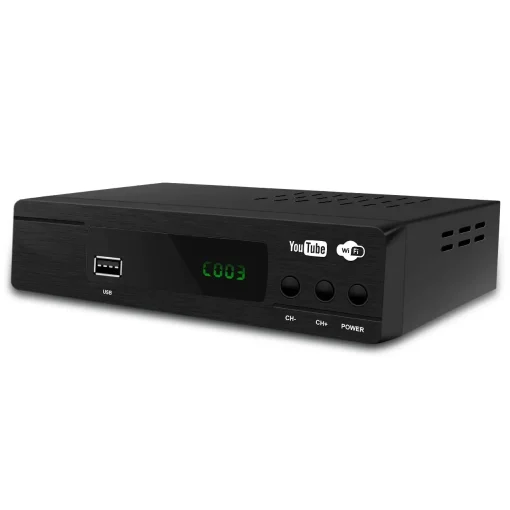 몰디브 8M ISDB-T 디지털 TV STB 셋톱 튜너 중국산 제품
 -
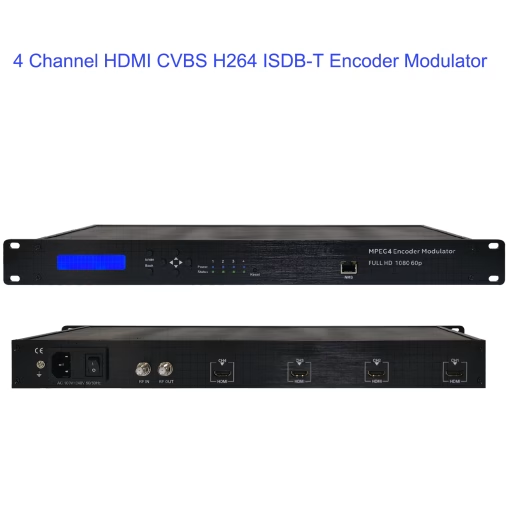 4 채널 HDMI CVBS H264 ISDB-T 인코더 변조기
 -
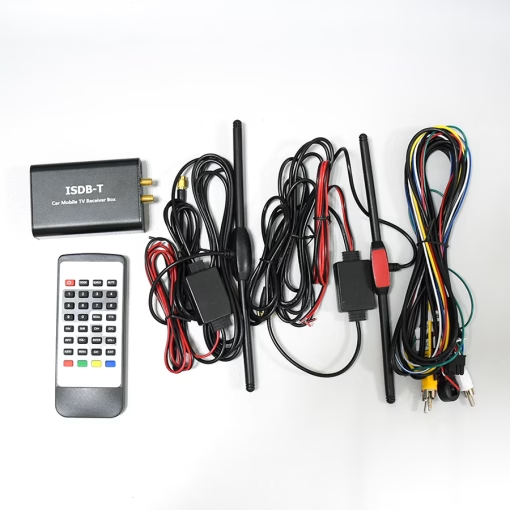 ISDB-T 2 안테나 유형 전체 세그먼트
 -
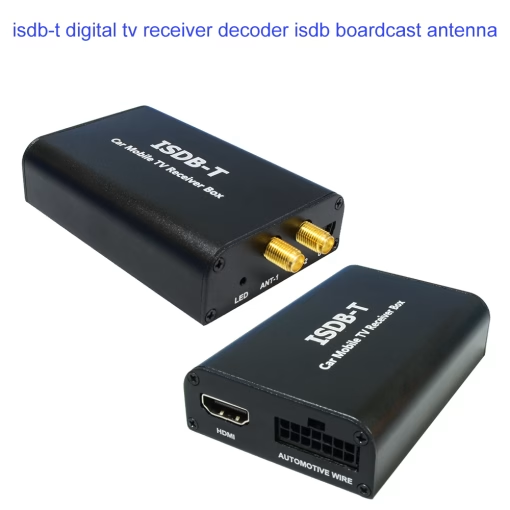 isdb-t 디지털 TV 수신기 디코더 isdb 보드캐스트 안테나 미니
 -
 자동차 ISDB-T 수신기 디지털 보드캐스트 변환기 ISDBT 지상파 디지털 TV 수신기 방송 디코더
 -
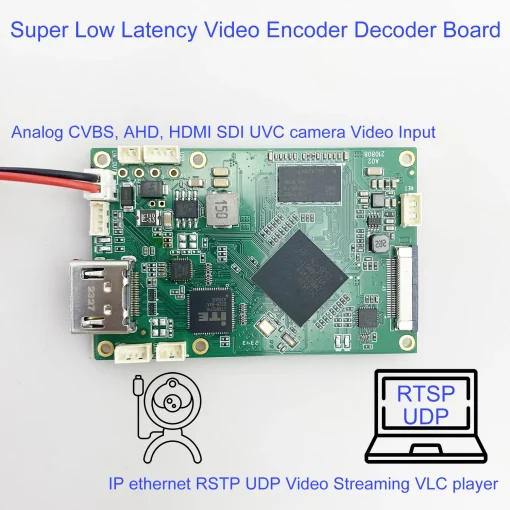 비디오 UVC를 IP RTSP로 변환, 아날로그 CVBS HDMI AHD SDI 비디오 입력, 이더넷 RTSP UDP 비디오 인코더 디코더
 -
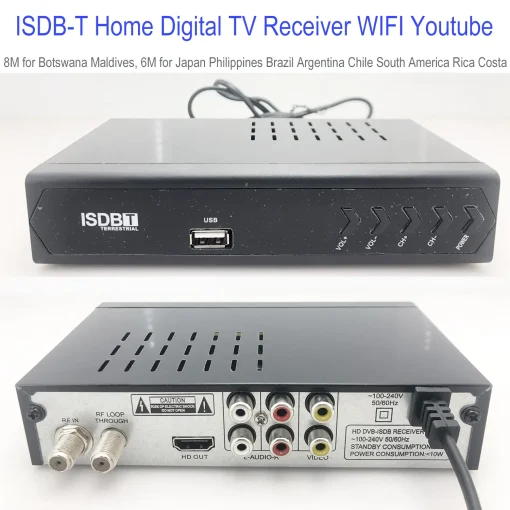 보츠와나 ISDB-T 8M 디지털 TV 수신기 셋톱박스 WIFI Youtube Vcan1914
 -
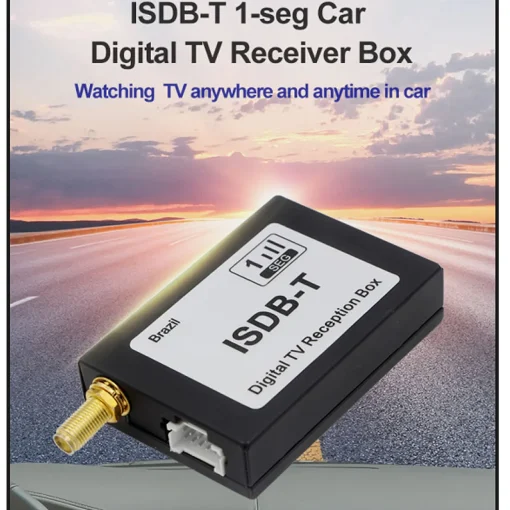 ISDB-T 1-세그 1개 안테나 또는 전체 세그먼트 2개 안테나 차량용 TV 튜너 박스
 -
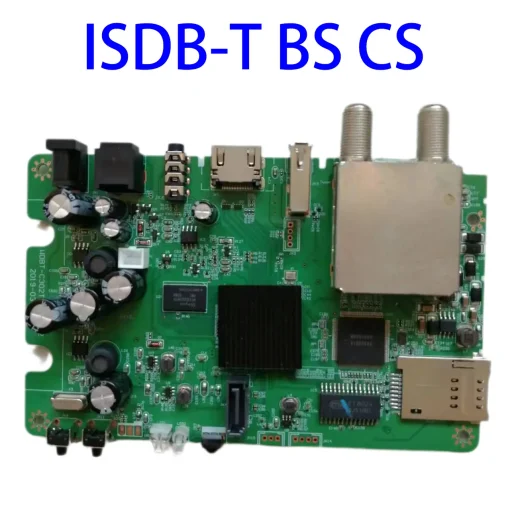 ISDB-T BS CS 일본 일본 3밴드 셋톱박스 PVR TV PCB 보드
 -
ISDB-T 디지털 tv stb 박스 셋톱 튜너 박스 sintonizador 지상파 수신기 HD 변환기 Dolby AC3+
-
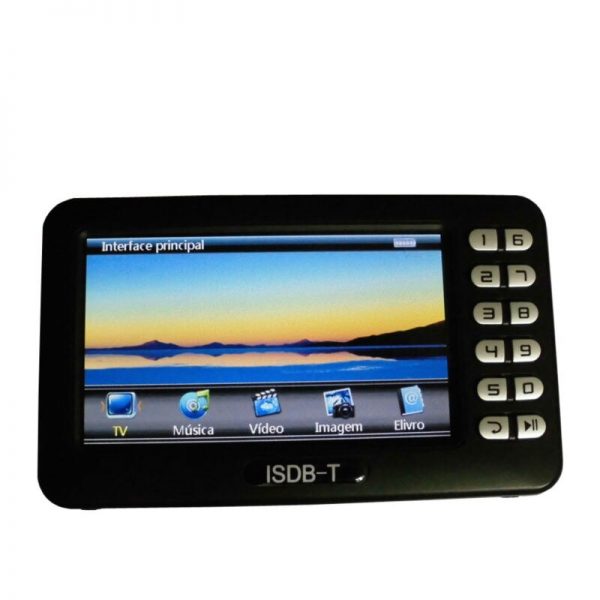 ISDBT 미니 TV 수신기 4.3 ISDB-T 지원 TF 카드 USB 비디오 FM 디지털 TV 플레이어 박스용 인치 LCD 화면
 -
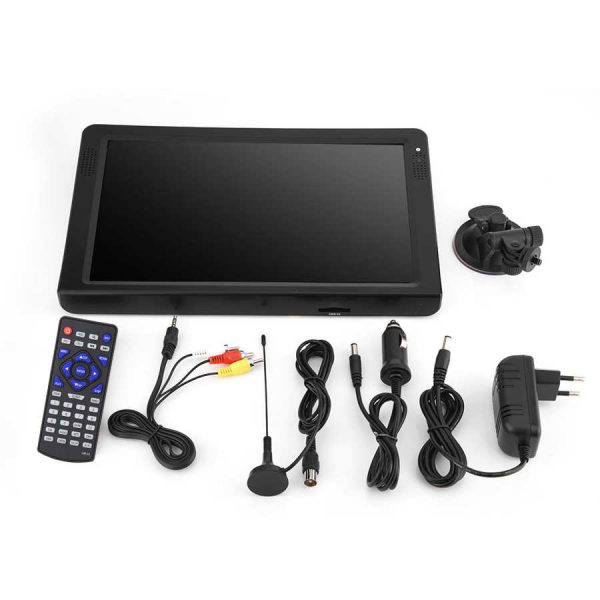 리드스타 12 인치 HD 휴대용 TV ISDB-T USB 디지털 텔레비전 미니 자동차 TV 오디오 비디오 플레이어 지원 MP4 모니터 EU 플러그
 -
 디지털 인코더 변조기 동축 ISDB-T TV RF 변조기 MJZSEE V2020I를 통한 HD-MI 호환 확장기
 -
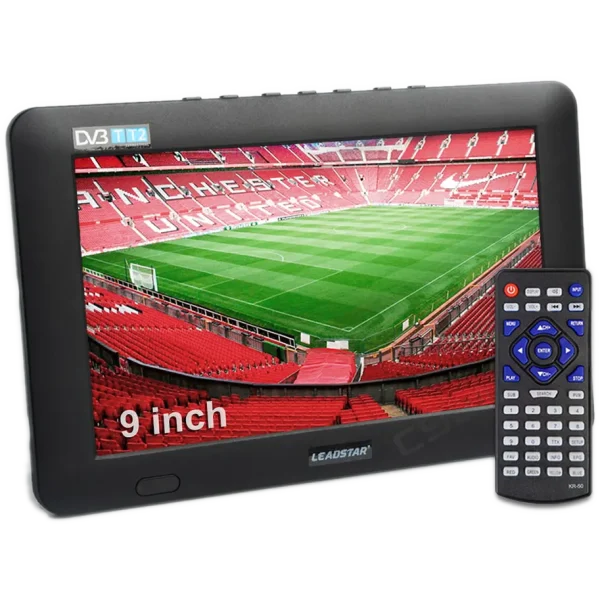 9 인치 휴대용 ISDB-T TV TDT 디지털 및 아날로그 미니 소형 자동차 텔레비전 지원 USB TF PVR MP4 H.265 AC3 DTV900
 -
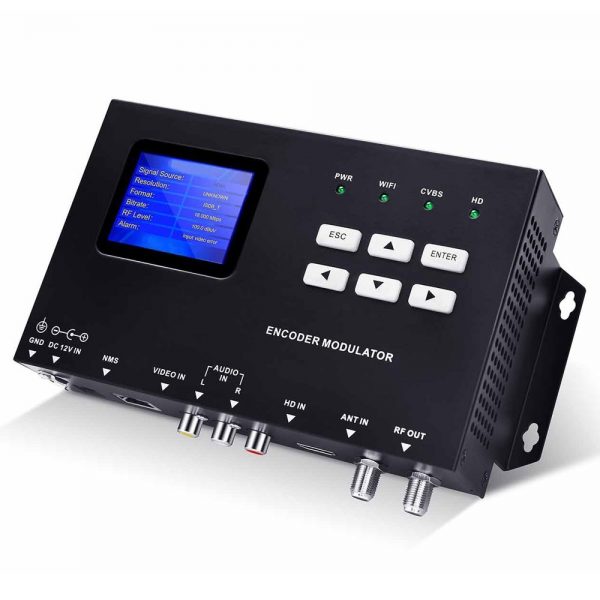 ISDB-T 변조기 인코더 DVB-T ISDB-T RF 출력 변환기의 디지털 HDMI CVBS 1 노선
 -
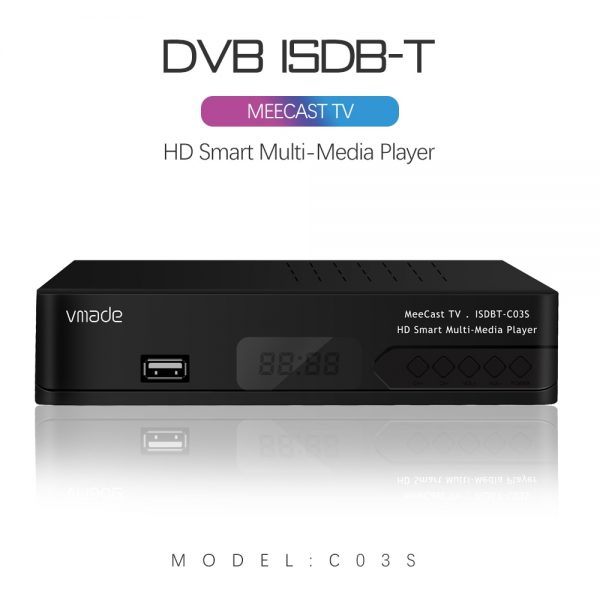 디지털 지상파 ISDB-T TV 튜너 수신기 셋톱박스 브라질 칠레 페루용 완전 HD 1080P H.264 USB 디코더
Ginga는 브라질 디지털 TV 시스템을 위해 특별히 설계된 미들웨어입니다., ISDB-Tb (통합서비스 디지털방송-지상파). 이는 대화형 텔레비전의 개발을 촉진합니다. (iTV) 다양한 프로그래밍 언어를 지원하는 프레임워크를 제공하여 애플리케이션, NCL 포함 (중첩된 컨텍스트 언어) 그리고 루아. Ginga는 광대역 연결 및 애플리케이션 상호 운용성과 같은 기능을 통해 디지털 TV와의 사용자 상호 작용을 향상시키는 능력으로 인정받고 있습니다.
ISDB-T는 일본에서 개발되어 브라질에서 ISDB-Tb로 사용하도록 채택된 디지털 방송 표준입니다.. UHF 대역 내에서 작동하며 다음 대역폭의 다중 채널을 지원합니다. 6 각각 MHz. 시스템은 데이터 전송을 위해 MPEG-2 전송 스트림을 활용합니다., 이를 통해 Ginga를 미들웨어로 통합할 수 있습니다..
질문하기
응답해 주셔서 감사합니다. ✨