
آیا ISDB-T را می شناسید؟?
درخدمات یکپارچه پخش دیجیتال (ISDB) (ژاپنی: سرویس پخش دیجیتال یکپارچه, توگو دیجیتارو هوسو سابیسو) یک استاندارد ژاپنی برای تلویزیون دیجیتال است(DTV) و رادیو دیجیتال(DAB) مورد استفاده شبکه های رادیویی و تلویزیونی کشور است. ISDB جایگزین مورد استفاده قبلی شدMUSE Hi-vision سیستم آنالوگ HDTV. مشتق شده از ISDB, ISDB-T International, توسط دولت برزیل توسعه داده شد و به طور گسترده در آمریکای جنوبی پذیرفته شد.

ISDB-T.com یک seg را ارائه می دهد, کامل, MPEG2, و گیرنده های تلویزیون دیجیتال MPEG4, که الزامات فناوری ISDB را برآورده می کند. تمامی محصولات در ژاپن تست شده اند, فیلیپین, و آمریکای جنوبی.
An Introduction to ISDB-T: Japan’s Digital Terrestrial Broadcasting Standard
ISDB (خدمات یکپارچه پخش دیجیتال) یک استاندارد ژاپنی برای تلویزیون دیجیتال است (DTV) and digital radio broadcasting developed for terrestrial, ماهواره, and cable networks. The system was designed to support high-quality broadcasting while also enabling mobile reception and data services.
ISDB replaced the earlier analog high-definition television system known as MUSE Hi-Vision, which had been used in Japan for experimental HDTV broadcasting. With the transition to digital broadcasting, ISDB became the backbone of Japan’s modern television infrastructure.
Among the different variants of ISDB, ISDB-T (خدمات یکپارچه پخش دیجیتال - زمینی) is the most widely known, as it is used for terrestrial digital television broadcasting.
Development of the ISDB System
The ISDB standard was primarily developed in Japan through cooperation between the Japanese government and the national public broadcaster NHK. The goal was to create a broadcasting system capable of delivering multiple services over a single transmission channel.
The ISDB family includes several standards:
- ISDB-T – Terrestrial digital television broadcasting
- ISDB-S – Satellite digital broadcasting
- ISDB-C – Cable digital broadcasting
- ISDB-Tsb – Terrestrial digital sound broadcasting
Among these, ISDB-T became particularly influential due to its flexibility and ability to support both fixed and mobile reception.
Key Technologies Behind ISDB-T
One of the main strengths of ISDB-T is its advanced transmission technology, which allows reliable broadcasting even in complex urban environments.
Segmented Transmission
ISDB-T divides a single 6 کانال مگاهرتز به 13 بخشها.
- 12 بخشها are typically used for standard or high-definition television broadcasting (بخش کامل).
- 1 بخش is dedicated to mobile devices (تک سگمنت).
This design allows the system to broadcast both high-quality television programs and mobile video services simultaneously.
OFDM Modulation
ISDB-T استفاده می کند تقسیم فرکانس متعامد چند برابر (OFDM) for signal transmission. This modulation technique provides several advantages:
- Strong resistance to multipath interference
- Reliable signal reception in urban environments
- Support for single-frequency networks (SFN)
These capabilities make ISDB-T particularly suitable for densely populated cities.
Flexible Video Compression
Early Japanese ISDB-T broadcasts used MPEG-2 video compression. هر چند, newer implementations and international versions have adopted MPEG-4 / H.264, which offers much better compression efficiency and improved picture quality at lower bitrates.
One-Seg and Full-Seg Broadcasting
A unique feature of ISDB-T is its ability to support both fixed and mobile television services.
تک سگمنت
تک سگمنت refers to the mobile broadcasting service that uses one of the 13 segments in the ISDB-T transmission channel.
Key features include:
- Low bitrate video
- Optimized for mobile devices
- Low power consumption
در ژاپن, One-Seg became widely used in smartphones, portable TVs, and vehicle entertainment systems.
بخش کامل
بخش کامل refers to the main television broadcast using the remaining segments of the channel. This mode delivers higher resolution and higher bitrate video suitable for HDTV broadcasting on traditional television sets.
ISDB-T International
Although ISDB-T was originally developed for Japan, the technology was later adapted for international use.
A modified version called ISDB-T International (ISDB-TB) was developed with major contributions from برزیل. The Brazilian government enhanced the system by introducing improvements such as:
- H.264 video compression
- Enhanced middleware
- Improved mobile broadcasting capabilities
Because of Brazil’s contributions, the system is sometimes referred to as the Brazilian Digital TV System (sbtvd).
Global Adoption
ISDB-T International has been adopted by many countries, especially in South America and parts of Asia.
Countries that use the standard include:
- ژاپن
- برزیل
- آرژانتین
- شیلی
- پرو
- فیلیپین
Many of these countries selected ISDB-T because of its superior mobile reception capabilities and flexible service architecture.
Comparison with Other Digital TV Standards
Globally, three major terrestrial digital television standards dominate the market:
| استاندارد | Primary Regions |
|---|---|
| ISDB-T | ژاپن, آمریکای جنوبی, parts of Asia |
| DVB-T | اروپا, آفریقا, parts of Asia |
| ATSC | North America |
Each standard has its strengths:
- ATSC was widely adopted in North America but initially had weaker mobile reception support.
- DVB-T became popular due to its early adoption across Europe and many other regions.
- ISDB-T stands out for its segmented transmission design and strong mobile broadcasting capabilities.
ISDB-T Receivers and Devices
A wide range of hardware products support ISDB-T reception, از جمله:
- Digital televisions
- Set-top boxes
- تیونرهای تلویزیون USB
- Mobile TV receivers
- Automotive digital TV systems
Companies such as ISDB-T.com offer digital TV receivers supporting technologies like:
- تک سگمنت
- بخش کامل
- MPEG-2 decoding
- MPEG-4 / H.264 decoding
These products are typically tested for compatibility in regions where ISDB-T is deployed, including Japan, فیلیپین, و آمریکای جنوبی.
The Future of ISDB Broadcasting
Broadcasting technology continues to evolve, and newer generations of ISDB standards are being developed to support ultra-high-definition television.
مثلا, Japan has introduced advanced systems such as ISDB-S3, which supports 4K and 8K ultra-high-definition broadcasting.
These technologies were showcased during events such as the Tokyo 2020 Olympics, demonstrating the future potential of the ISDB broadcasting ecosystem.
نتیجه گیری
ISDB-T represents one of the most advanced digital terrestrial broadcasting standards in the world. Its segmented transmission architecture, robust modulation techniques, and support for both fixed and mobile devices make it highly versatile.
Thanks to these advantages, ISDB-T has expanded far beyond Japan and become an important digital television standard across South America and parts of Asia. As broadcasting technology continues to evolve toward 4K and 8K ultra-high-definition content, the ISDB ecosystem remains an important player in the global broadcasting landscape.


1 SEG ISDB-T AM FM


رمزگذار HDMI به ISDB-T RF


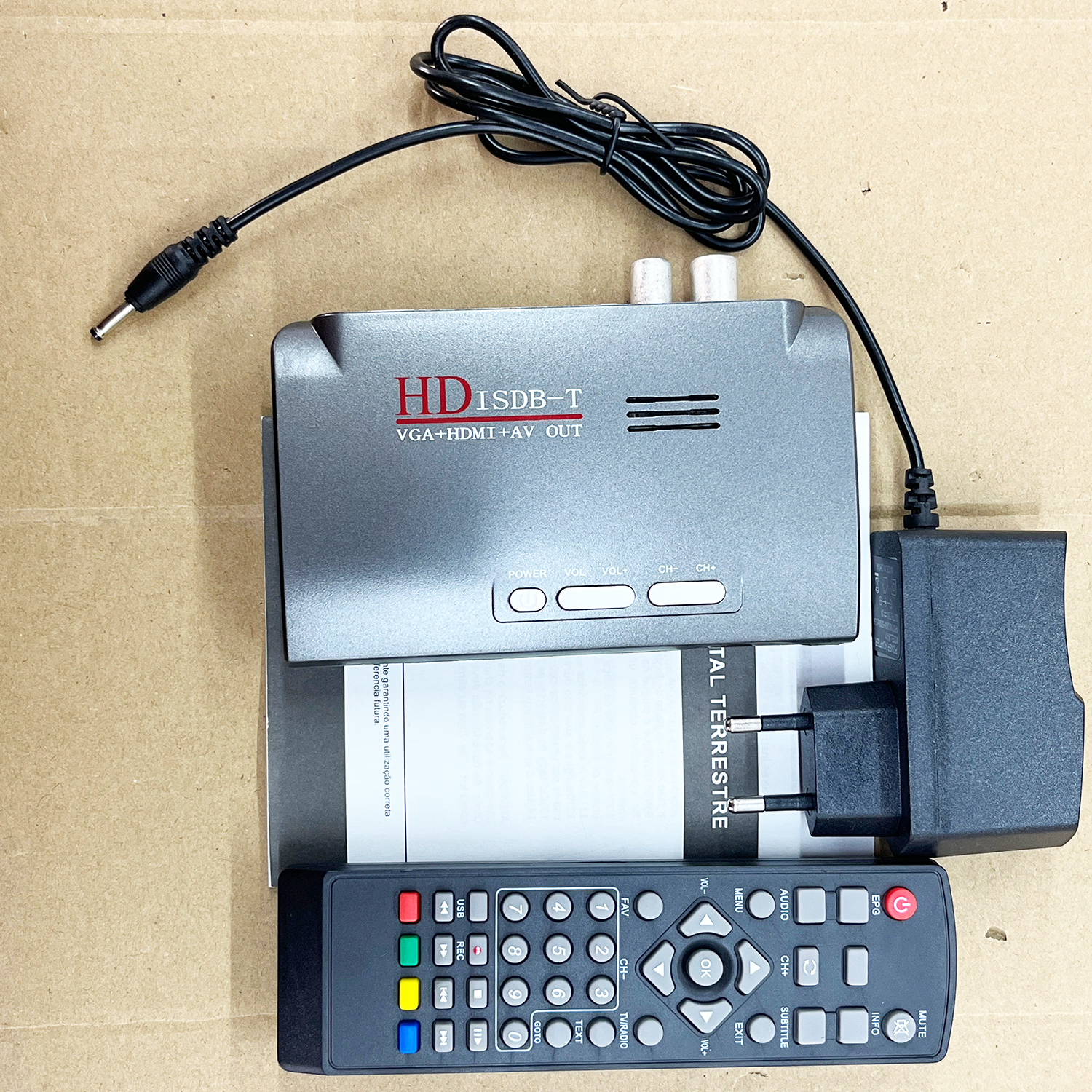


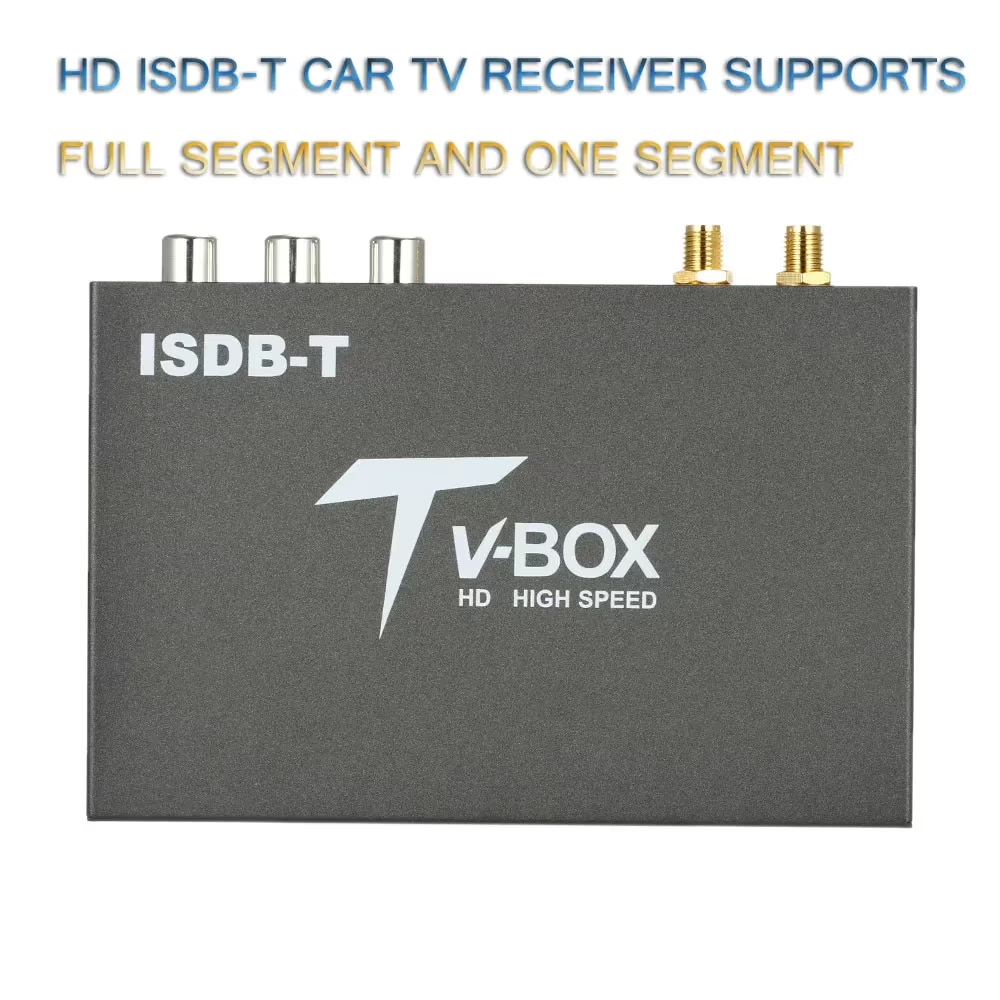


ISDB-T
گیرنده تلویزیون گیرنده HD FTA ISDB-T زمینی برای برزیل آرژانتین شیلی ونزوئلا کاستاریکا فیلیپین
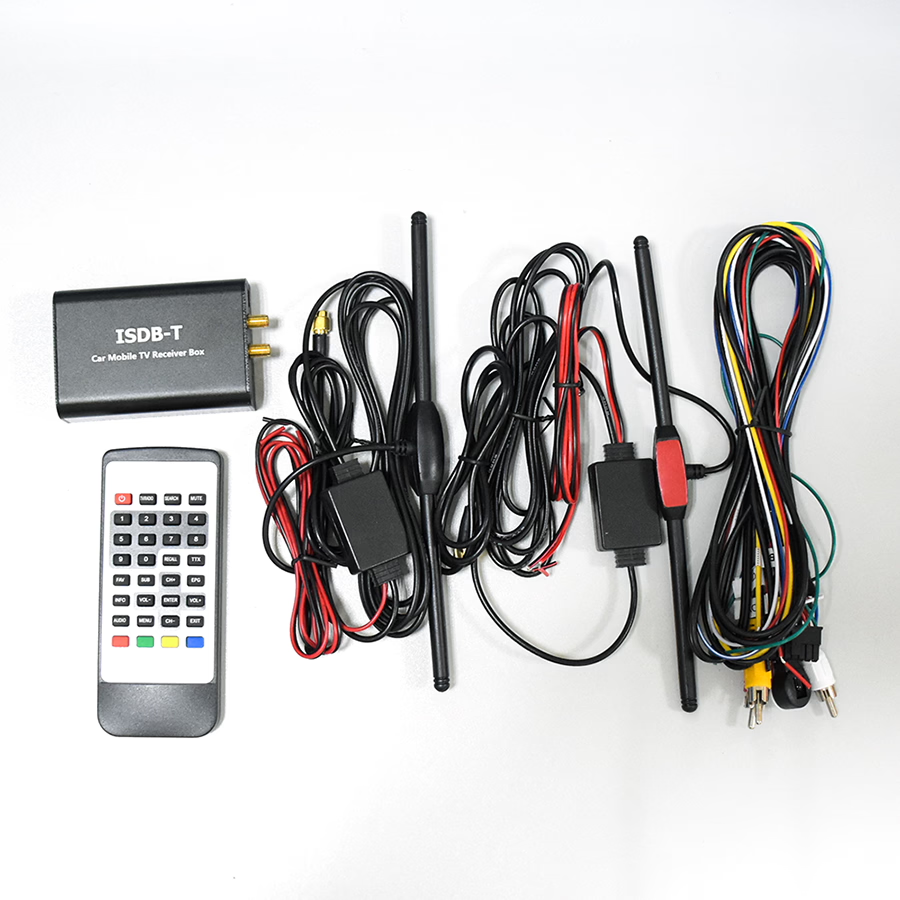

ISDB-T

ISDB-T برای خانه
ISDB-T BS CS ژاپن ستاپ باکس PVR برد PCB تلویزیون سه بانده ژاپنی
یک سوال بپرسید
از پاسخ شما سپاسگزاریم. ✨