
Ar žinote ISDB-T?
TheIntegruotų paslaugų skaitmeninis transliavimas (ISDB) (Japonų: Integruota skaitmeninio transliavimo paslauga, Laukinis) yra Japonijos skaitmeninės televizijos standartas(DTV) ir skaitmeninis radijas(DAB) kuriais naudojasi šalies radijo ir televizijos tinklai. ISDB pakeitė anksčiau naudotąMUSE Hi-vision analoginė HDTV sistema. ISDB darinys, ISDB-T International, buvo sukurta Brazilijos vyriausybės ir yra plačiai taikoma Pietų Amerikoje.

ISDB-T.com siūlo vieną segmentą, pilnas, MPEG2, ir MPEG4 skaitmeninės televizijos imtuvai, kurios atitinka ISDB technologijos reikalavimus. Visi produktai yra išbandyti Japonijoje, Filipinai, ir Pietų Amerika.
Įvadas į ISDB-T: Japonijos skaitmeninio antžeminio transliavimo standartas
ISDB (Integruotų paslaugų skaitmeninis transliavimas) yra Japonijos skaitmeninės televizijos standartas (DTV) ir skaitmeninis radijo transliavimas, sukurtas antžeminiam transliavimui, palydovas, ir kabelinius tinklus. Sistema buvo sukurta taip, kad palaikytų aukštos kokybės transliavimą, kartu užtikrinant mobiliojo ryšio priėmimo ir duomenų paslaugas.
ISDB pakeitė ankstesnę analoginę didelės raiškos televizijos sistemą, žinomą kaip MUSE Hi-Vision, kuris Japonijoje buvo naudojamas eksperimentiniam HDTV transliavimui. Pereinant prie skaitmeninio transliavimo, ISDB tapo šiuolaikinės Japonijos televizijos infrastruktūros pagrindu.
Tarp skirtingų ISDB variantų, ISDB-T (Integruotų paslaugų skaitmeninis transliavimas – antžeminis) yra plačiausiai žinomas, nes jis naudojamas antžeminės skaitmeninės televizijos transliavimui.
ISDB sistemos kūrimas
ISDB standartas pirmiausia buvo sukurtas Japonijoje bendradarbiaujant Japonijos vyriausybei ir nacionaliniam visuomeniniam transliuotojui NHK. Tikslas buvo sukurti transliavimo sistemą, galinčią teikti kelias paslaugas vienu perdavimo kanalu.
ISDB šeimą sudaro keli standartai:
- ISDB-T – Antžeminės skaitmeninės televizijos transliavimas
- ISDB-S – Palydovinis skaitmeninis transliavimas
- ISDB-C – Kabelinis skaitmeninis transliavimas
- ISDB-Tsb – Antžeminio skaitmeninio garso transliavimas
Tarp šių, ISDB-T tapo ypač įtakingas dėl savo lankstumo ir galimybės palaikyti tiek fiksuotą, tiek mobilųjį priėmimą.
Pagrindinės ISDB-T technologijos
Viena iš pagrindinių ISDB-T privalumų yra pažangi perdavimo technologija, kuri leidžia patikimai transliuoti net sudėtingoje miesto aplinkoje.
Segmentinė transmisija
ISDB-T dalija singlą 6 MHz kanalą į 13 segmentai.
- 12 segmentai paprastai naudojami standartiniam arba didelės raiškos televizijos transliavimui (Visas seg).
- 1 segmente skirta mobiliesiems įrenginiams (Vienas segmentas).
Ši konstrukcija leidžia sistemai vienu metu transliuoti ir aukštos kokybės televizijos programas, ir mobiliojo vaizdo paslaugas.
OFDM moduliavimas
ISDB-T naudoja Stačiakampio dažnio padalijimo tankinimas (OFDM) signalo perdavimui. Ši moduliavimo technika turi keletą privalumų:
- Stiprus atsparumas kelių krypčių trukdžiams
- Patikimas signalo priėmimas miesto aplinkoje
- Vieno dažnio tinklų palaikymas (SFN)
Dėl šių galimybių ISDB-T ypač tinka tankiai apgyvendintiems miestams.
Lankstus vaizdo suspaudimas
Naudotos ankstyvosios Japonijos ISDB-T transliacijos MPEG-2 vaizdo suspaudimas. Tačiau, priimtos naujesnės versijos ir tarptautinės versijos MPEG-4 / H.264, kuris siūlo daug geresnį glaudinimo efektyvumą ir geresnę vaizdo kokybę esant mažesniam bitų dažniui.
Vieno segmento ir viso segmento transliacija
Unikali ISDB-T savybė yra galimybė palaikyti tiek fiksuotos, tiek mobiliosios televizijos paslaugas.
Vienas segmentas
Vienas segmentas reiškia mobiliojo transliavimo paslaugą, kuri naudoja vieną iš 13 segmentus ISDB-T perdavimo kanale.
Pagrindinės funkcijos apima:
- Mažo pralaidumo vaizdo įrašas
- Optimizuotas mobiliesiems įrenginiams
- Mažas energijos suvartojimas
Japonijoje, One-Seg tapo plačiai naudojamas išmaniuosiuose telefonuose, nešiojamieji televizoriai, ir transporto priemonių pramogų sistemos.
Visas seg
Visas seg reiškia pagrindinę televizijos transliaciją naudojant likusius kanalo segmentus. Šis režimas užtikrina didesnę raišką ir didesnį pralaidumą, tinkantį HDTV transliavimui tradiciniuose televizoriuose.
ISDB-T International
Nors ISDB-T iš pradžių buvo sukurtas Japonijai, vėliau technologija buvo pritaikyta tarptautiniam naudojimui.
Modifikuota versija vadinama ISDB-T International (ISDB-Tb) buvo sukurta su dideliu indėliu iš Brazilija. Brazilijos vyriausybė patobulino sistemą įdiegdama tokius patobulinimus kaip:
- H.264 vaizdo glaudinimas
- Patobulinta tarpinė programinė įranga
- Patobulintos mobiliojo transliavimo galimybės
Dėl Brazilijos indėlio, sistema kartais vadinama Brazilijos skaitmeninės televizijos sistema (SBTVD).
Visuotinis priėmimas
ISDB-T International priėmė daugelis šalių, ypač Pietų Amerikoje ir kai kuriose Azijos dalyse.
Šalys, kurios naudoja standartą, apima:
- Japonija
- Brazilija
- Argentina
- Čilė
- Peru
- Filipinai
Daugelis šių šalių pasirinko ISDB-T dėl puikių mobiliojo priėmimo galimybių ir lanksčios paslaugų architektūros.
Palyginimas su kitais skaitmeninės televizijos standartais
Pasauliniu mastu, rinkoje dominuoja trys pagrindiniai antžeminės skaitmeninės televizijos standartai:
| Standartinis | Pirminiai regionai |
|---|---|
| ISDB-T | Japonija, Pietų Amerika, Azijos dalys |
| DVB-T | Europa, Afrika, Azijos dalys |
| ATSC | Šiaurės Amerika |
Kiekvienas standartas turi savo stipriąsias puses:
- ATSC buvo plačiai pritaikytas Šiaurės Amerikoje, tačiau iš pradžių turėjo silpnesnį judriojo ryšio priėmimo palaikymą.
- DVB-T išpopuliarėjo dėl ankstyvo pritaikymo Europoje ir daugelyje kitų regionų.
- ISDB-T išsiskiria segmentuotu perdavimo dizainu ir stipriomis mobiliojo transliavimo galimybėmis.
ISDB-T imtuvai ir įrenginiai
Platus aparatūros produktų asortimentas palaiko ISDB-T priėmimą, įskaitant:
- Skaitmeniniai televizoriai
- Televizoriai
- USB TV imtuvai
- Mobilieji TV imtuvai
- Automobilių skaitmeninės televizijos sistemos
Tokios įmonės kaip ISDB-T.com pasiūlyti skaitmeninės televizijos imtuvus, palaikančius tokias technologijas kaip:
- Vienas segmentas
- Visas seg
- MPEG-2 dekodavimas
- MPEG-4 / H.264 dekodavimas
Šių produktų suderinamumas paprastai tikrinamas regionuose, kuriuose yra įdiegtas ISDB-T, įskaitant Japoniją, Filipinai, ir Pietų Amerika.
ISDB transliavimo ateitis
Transliavimo technologija toliau tobulėja, ir kuriami naujesnės kartos ISDB standartai, skirti palaikyti itin didelės raiškos televiziją.
Pavyzdžiui, Japonija pristatė pažangias sistemas, tokias kaip ISDB-S3, kuri palaiko 4K ir 8K itin didelės raiškos transliacija.
Šios technologijos buvo demonstruojamos per tokius renginius kaip Tokijas 2020 Olimpiados, parodydamas būsimą ISDB transliavimo ekosistemos potencialą.
Išvada
ISDB-T yra vienas pažangiausių skaitmeninio antžeminio transliavimo standartų pasaulyje. Jo segmentuota perdavimo architektūra, tvirti moduliavimo metodai, ir fiksuotų, ir mobiliųjų įrenginių palaikymas daro jį labai universalų.
Šių privalumų dėka, ISDB-T išsiplėtė toli už Japonijos ribų ir tapo svarbiu skaitmeninės televizijos standartu Pietų Amerikoje ir kai kuriose Azijos dalyse. Transliavimo technologijai toliau tobulėjant link 4K ir 8K itin didelės raiškos turinio, ISDB ekosistema išlieka svarbiu pasaulinio transliavimo kraštovaizdžio žaidėju.


1 Segu ISDB-T AM FM
AM FM radijas 1 seg ISDB-T televizoriaus garsas su akumuliatoriniu garsiakalbiu


HDMI kodavimo įrenginys į ISDB-T RF


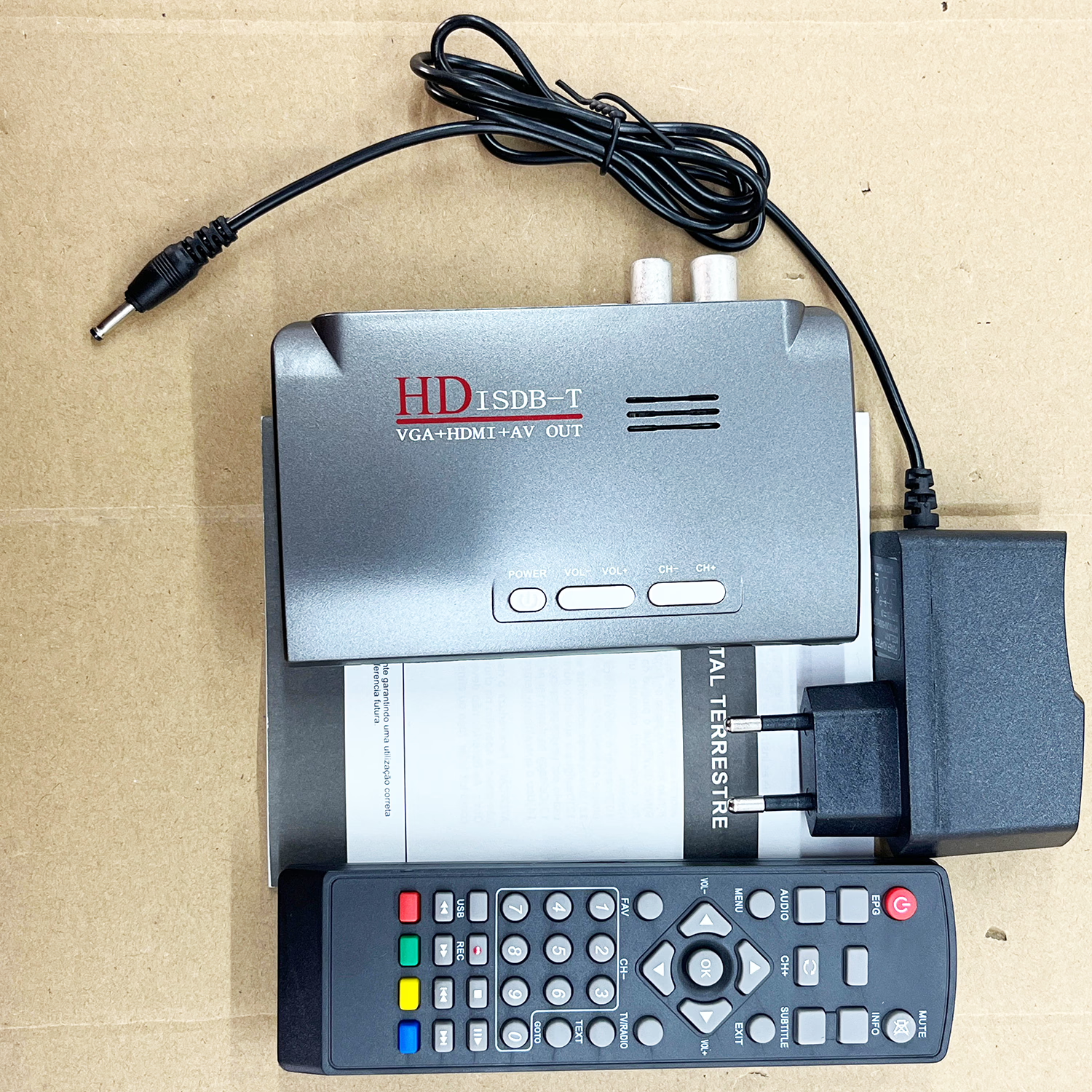



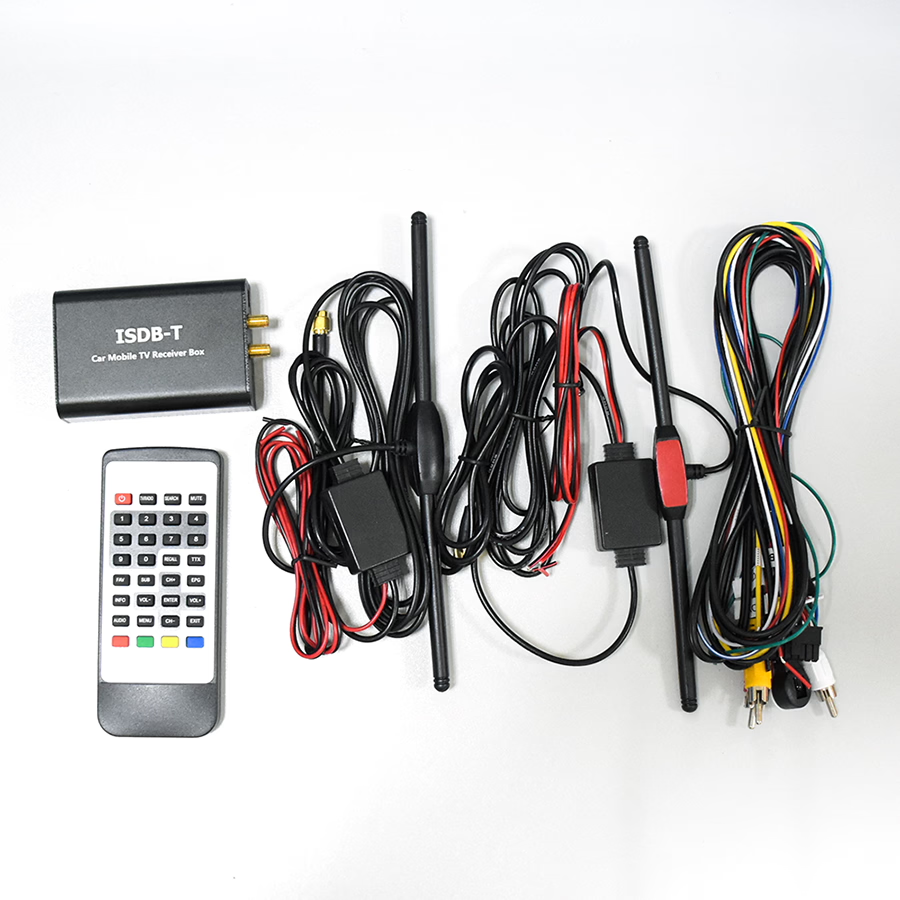

ISDB-T


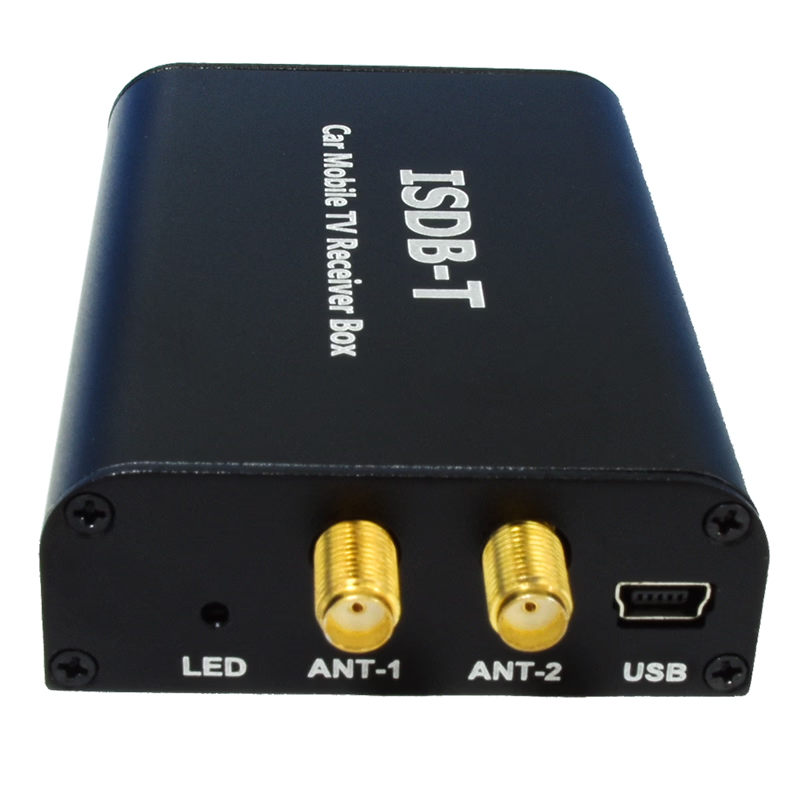
ISDB-T automobiliui
ISDB-T Skaitmeninio televizoriaus imtuvo dekoderis ISDB „Boardcast“ antenos mini
Užduoti klausimą
Jūsų pranešimas išsiųstas