
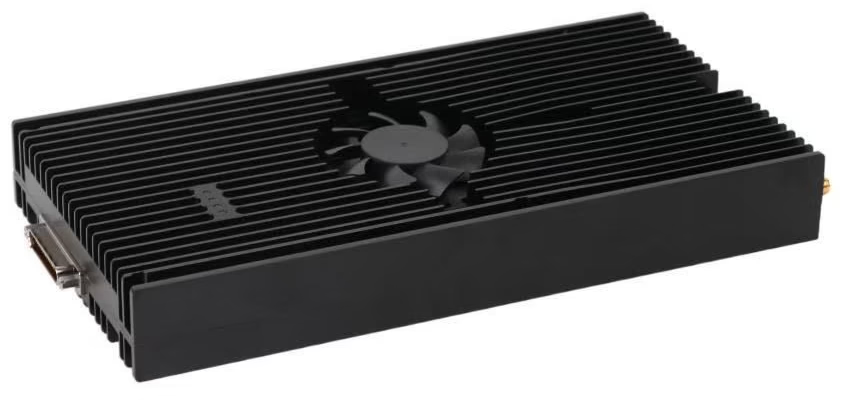
주파수 테스트를 위한 드론 무선 데이터 링크 규정 준수
본 제품은 RES의 기술 요구 사항을 충족하도록 설계되었습니다. (무선 전자 수단) 주 무선 주파수 위원회에서 정의한 대로 (SCRF) 결정 번호. 07-20-03-001 5월자 7, 2007.
- 지원되는 주파수 대역: 868.7 – 869.2 MHz 최대 EIRP는 최대 100 밀리와트
- 지원되는 주파수 대역: 2400 – 2483.5 MHz 최대 스펙트럼 전력 밀도는 다음과 같습니다. 10 mW/MHz 최대 EIRP는 최대 100 밀리와트
중요 공지: 그만큼 1.2 GHz 대역은 엄격히 비활성화되어 있습니다., 러시아 연방 영토 내에서는 사용이 금지되어 있으므로.
무선주파수센터에서 테스트 및 확인을 성공적으로 마친 후 (RFC), 해당 제품은 공식적으로 Roskomnadzor 등록.
에이 드론 무선 데이터 링크 은 무선 통신 채널 드론을 연결해주는 (무인항공기) 지상 제어 스테이션 또는 기타 시스템과 함께. 이는 본질적으로 데이터를 앞뒤로 전달하는 "에어 브릿지"입니다..
여기에 분석이 있습니다.:
- 목적:
- 부치다 원격 측정 데이터 (고도, 위치, 배터리 잔량, GPS 좌표).
- 보내다 제어 명령 (항해, 비행 모드, 페이로드 제어).
- 고급 시스템에서는, 또한 가지고 다닌다 비디오 또는 센서 데이터 명령 및 제어와 함께.
- 주파수 대역:
- 일반적으로 사용 433 MHz, 868/915 MHz, 1.2 GHz, 2.4 GHz, 또는 5.8 GHz 규정 및 범위 요구 사항에 따라.
- 일부 전문/군사 링크 사용 COFDM, TDD, 또는 LTE/5G 기반 더 긴 범위와 더 높은 신뢰성을 위한 시스템.
- 주요 특징:
- 낮은 대기 시간 (실시간 제어에 중요).
- 장거리 (수 킬로미터까지 100+ km는 전력 및 안테나에 따라 다름).
- 간섭 방지 기술 (FHSS, DSSS, 또는 암호화된 디지털 링크).
- 양방향: 업링크를 모두 허용 (명령) 그리고 다운링크 (원격 측정/비디오).
요컨대, 그만큼 드론 무선 데이터 링크 UAV 원격 작동의 중추입니다., 조종사는 드론을 제어하거나 데이터를 수신할 수 없습니다..
질문하기
응답해 주셔서 감사합니다. ✨