
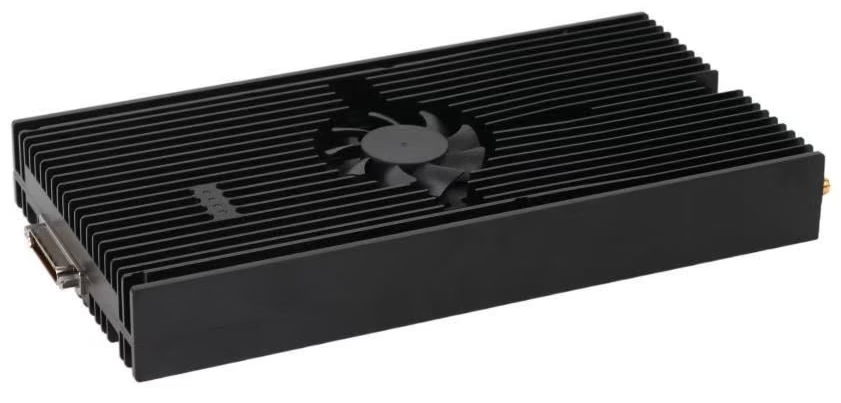
Відповідність каналу радіопередачі даних дроном для тестування частоти
Цей продукт розроблено відповідно до технічних вимог ВДЕ (Радіоелектронні засоби) за визначенням Державної комісії з радіочастот (SCRF) Рішення №. 07-20-03-001 від травня 7, 2007.
- Підтримувані діапазони частот: 868.7 – 869.2 МГц з максимальною EIRP до 100 мВт
- Підтримувані діапазони частот: 2400 – 2483.5 МГц з максимальною спектральною щільністю потужності 10 мВт/МГц і максимальна EIRP до 100 мВт
Важливе повідомлення: The 1.2 Діапазон ГГц суворо вимкнено, так як його використання на території Російської Федерації заборонено.
Після успішного тестування та підтвердження Центром радіочастот (RFC), продукт буде офіційно зареєстровано в Roskomnadzor Register.
А безпілотний радіозв'язок є канал бездротового зв'язку що з’єднує дрон (БПЛА) зі своєю наземною станцією управління або іншими системами. По суті, це «повітряний міст», який переносить дані вперед і назад.
Ось розбивка:
- призначення:
- Передавати телеметричні дані (висота, положення, рівень заряду батареї, GPS координати).
- Надіслати команди керування (навігація, режими польоту, контроль корисного навантаження).
- У просунутих системах, також нести відео або дані датчика поряд з командуванням.
- Смуги частот:
- Зазвичай використовується 433 МГц, 868/915 МГц, 1.2 ГГц, 2.4 ГГц, або 5.8 ГГц залежно від норм і вимог асортименту.
- Деякі професійні/військові посилання використовують COFDM, TDD, або на основі LTE/5G системи для більшої дальності та більшої надійності.
- Ключові характеристики:
- Низька затримка (важливі для контролю в реальному часі).
- Далекобійний (кілька кілометрів 100+ км залежно від потужності та антен).
- Протиперешкода технології (FHSS, DSSS, або зашифровані цифрові посилання).
- Двонаправлений: дозволяє як висхідний канал (команди) і вниз (телеметрія/відео).
Якщо коротко, в безпілотний радіозв'язок є основою дистанційної роботи БПЛА — без нього, пілот не може керувати дроном або отримувати його дані.
Задайте питання
Дякуємо за вашу відповідь. ✨