
האם אתה מכיר את ISDB-T?
השירותים משולבים שידור דיגיטלי (ISDB) (יַפָּנִית: שירות שידור דיגיטלי משולב, הפרא) הוא תקן יפני לטלוויזיה דיגיטלית(DTV) ורדיו דיגיטלי(טְפִיחָה) בשימוש על ידי רשתות הרדיו והטלוויזיה של המדינה. ISDB החליף את הקוד שהיה בשימושMUSE Hi-Vision מערכת HDTV אנלוגית. נגזרת של ISDB, ISDB-T International, פותח על ידי ממשלת ברזיל ומאומץ באופן נרחב בדרום אמריקה.

ISDB-T.com מציע סג אחד, מָלֵא, MPEG2, ומקלטי טלוויזיה דיגיטליים MPEG4, העומדים בדרישות הטכנולוגיה של ISDB. כל המוצרים נבדקו ביפן, הפיליפינים, ודרום אמריקה.
מבוא ל-ISDB-T: תקן השידור הקרקעי הדיגיטלי של יפן
ISDB (שירותים משולבים שידור דיגיטלי) הוא תקן יפני לטלוויזיה דיגיטלית (DTV) ושידורי רדיו דיגיטליים שפותחו לקרקע, לוויין, ורשתות כבלים. המערכת תוכננה לתמוך בשידורים באיכות גבוהה ובמקביל לאפשר קליטה סלולרית ושירותי נתונים.
ISDB החליפה את מערכת הטלוויזיה האנלוגית בחדות גבוהה הקודמת הידועה בשם MUSE Hi-Vision, אשר שימש ביפן לשידורי HDTV ניסיוניים. עם המעבר לשידור דיגיטלי, ISDB הפכה לעמוד השדרה של תשתית הטלוויזיה המודרנית של יפן.
בין הגרסאות השונות של ISDB, ISDB-T (שירותים משולבים שידור דיגיטלי - יבשתי) הוא הידוע ביותר, כפי שהוא משמש לשידורי טלוויזיה דיגיטליים יבשתיים.
פיתוח מערכת ISDB
תקן ה-ISDB פותח בעיקר ביפן באמצעות שיתוף פעולה בין ממשלת יפן לשידור הציבורי הלאומי NHK. המטרה הייתה ליצור מערכת שידור המסוגלת לספק שירותים מרובים על ערוץ שידור אחד.
משפחת ISDB כוללת מספר תקנים:
- ISDB-T – שידורי טלוויזיה דיגיטליים יבשתיים
- ISDB-S - שידור דיגיטלי לווייני
- ISDB-C - שידור דיגיטלי בכבלים
- ISDB-Tsb – שידור סאונד דיגיטלי יבשתי
בין אלה, ISDB-T הפכה למשפיעה במיוחד בשל הגמישות והיכולת שלו לתמוך בקבלה קבועה וניידת כאחד..
טכנולוגיות מפתח מאחורי ISDB-T
אחת החוזקות העיקריות של ISDB-T היא טכנולוגיית ההולכה המתקדמת שלה, מה שמאפשר שידור אמין גם בסביבות עירוניות מורכבות.
הילוכים מפולחים
ISDB-T מחלק סינגל 6 ערוץ MHz לתוך 13 פלחים.
- 12 פלחים משמשים בדרך כלל לשידורי טלוויזיה סטנדרטיים או בחדות גבוהה (Full-Seg).
- 1 מִגזָר מוקדש למכשירים ניידים (One-Seg).
עיצוב זה מאפשר למערכת לשדר בו זמנית גם תוכניות טלוויזיה באיכות גבוהה וגם שירותי וידאו ניידים.
אפנון OFDM
ISDB-T משתמש ריבוי תדרים אורתוגונלי (OFDM) להעברת אותות. טכניקת אפנון זו מספקת מספר יתרונות:
- עמידות חזקה להפרעות רב-נתיביות
- קליטת אותות אמינה בסביבות עירוניות
- תמיכה ברשתות בתדר בודד (SFN)
יכולות אלו הופכות את ISDB-T למתאים במיוחד לערים מאוכלסות בצפיפות.
דחיסת וידאו גמישה
נעשה שימוש בשידורי ISDB-T יפניים מוקדמים MPEG-2 דחיסת וידאו. אוּלָם, יישומים חדשים יותר וגרסאות בינלאומיות אימצו MPEG-4 / H.264, מה שמציע יעילות דחיסה טובה בהרבה ואיכות תמונה משופרת בקצבי סיביות נמוכים יותר.
שידור חד-סג ו-Full-Seg
תכונה ייחודית של ISDB-T היא היכולת שלו לתמוך בשירותי טלוויזיה נייחים וגם ניידים.
One-Seg
One-Seg הכוונה לשירות השידור הנייד המשתמש באחד מה 13 מקטעים בערוץ השידור ISDB-T.
תכונות מפתח כוללות:
- סרטון קצב סיביות נמוך
- מותאם למכשירים ניידים
- צריכת חשמל נמוכה
ביפן, One-Seg נעשה שימוש נרחב בסמארטפונים, טלוויזיות ניידות, ומערכות בידור לרכב.
Full-Seg
Full-Seg הכוונה לשידור הטלוויזיה הראשי באמצעות שאר הקטעים של הערוץ. מצב זה מספק רזולוציה גבוהה יותר וקצב סיביות גבוה יותר מתאים לשידור טלוויזיית HD במכשירי טלוויזיה מסורתיים.
ISDB-T International
למרות ש-ISDB-T פותח במקור עבור יפן, הטכנולוגיה הותאמה מאוחר יותר לשימוש בינלאומי.
גרסה שונה בשם ISDB-T International (ISDB-TB) פותחה עם תרומות גדולות מ בְּרָזִיל. ממשלת ברזיל שיפרה את המערכת על ידי הכנסת שיפורים כגון:
- דחיסת וידאו H.264
- תוכנת ביניים משופרת
- יכולות שידור נייד משופרות
בגלל התרומות של ברזיל, המערכת מכונה לעתים בשם מערכת טלוויזיה דיגיטלית ברזילאית (SBTVD).
אימוץ גלובלי
ISDB-T International אומצה על ידי מדינות רבות, במיוחד בדרום אמריקה ובחלקים מאסיה.
מדינות המשתמשות בתקן כוללות:
- יפן
- בְּרָזִיל
- ארגנטינה
- צ'ילה
- פרו
- הפיליפינים
רבות מהמדינות הללו בחרו ב-ISDB-T בגלל יכולות הקליטה הניידות המעולות שלה וארכיטקטורת השירות הגמישה שלה.
השוואה עם תקני טלוויזיה דיגיטליים אחרים
באופן גלובלי, שלושה תקני טלוויזיה דיגיטליים יבשתיים עיקריים שולטים בשוק:
| תֶקֶן | אזורים ראשוניים |
|---|---|
| ISDB-T | יפן, דרום אמריקה, חלקים של אסיה |
| DVB-T | אֵירוֹפָּה, אַפְרִיקָה, חלקים של אסיה |
| ATSC | צפון אמריקה |
לכל תקן יש את החוזקות שלו:
- ATSC אומץ באופן נרחב בצפון אמריקה, אך בתחילה הייתה לו תמיכה קליטה ניידת חלשה יותר.
- DVB-T הפך לפופולרי בשל אימוצו המוקדם ברחבי אירופה ובאזורים רבים אחרים.
- ISDB-T בולט בעיצוב השידור המפולח וביכולות השידור הנייד החזקות שלו.
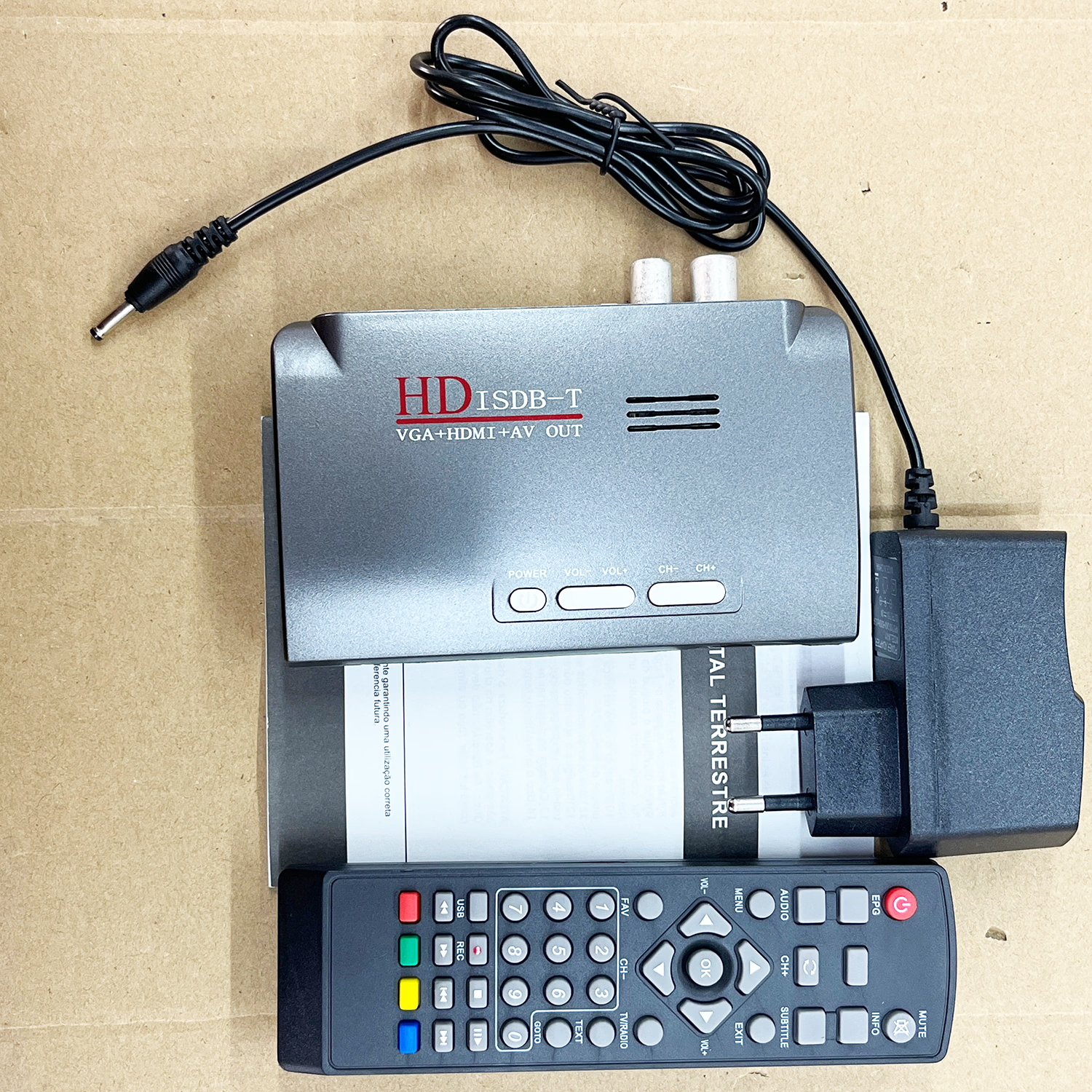
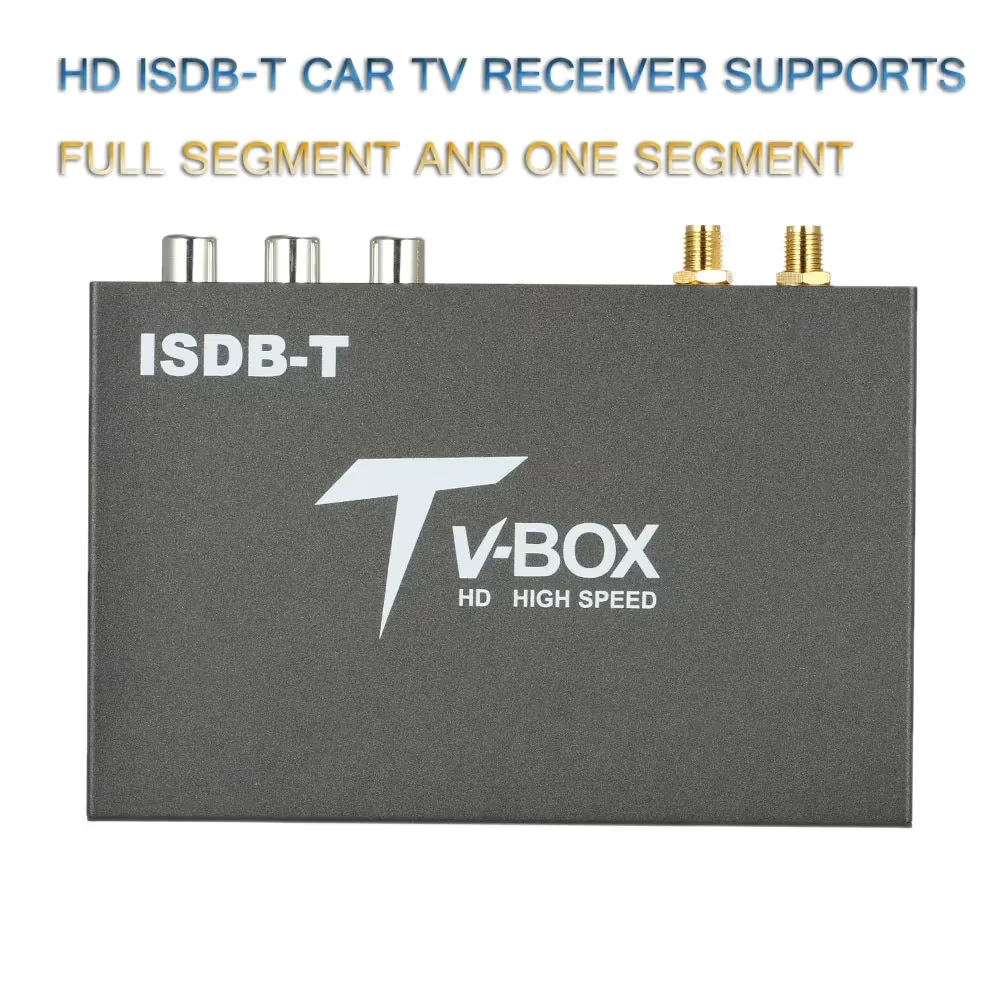
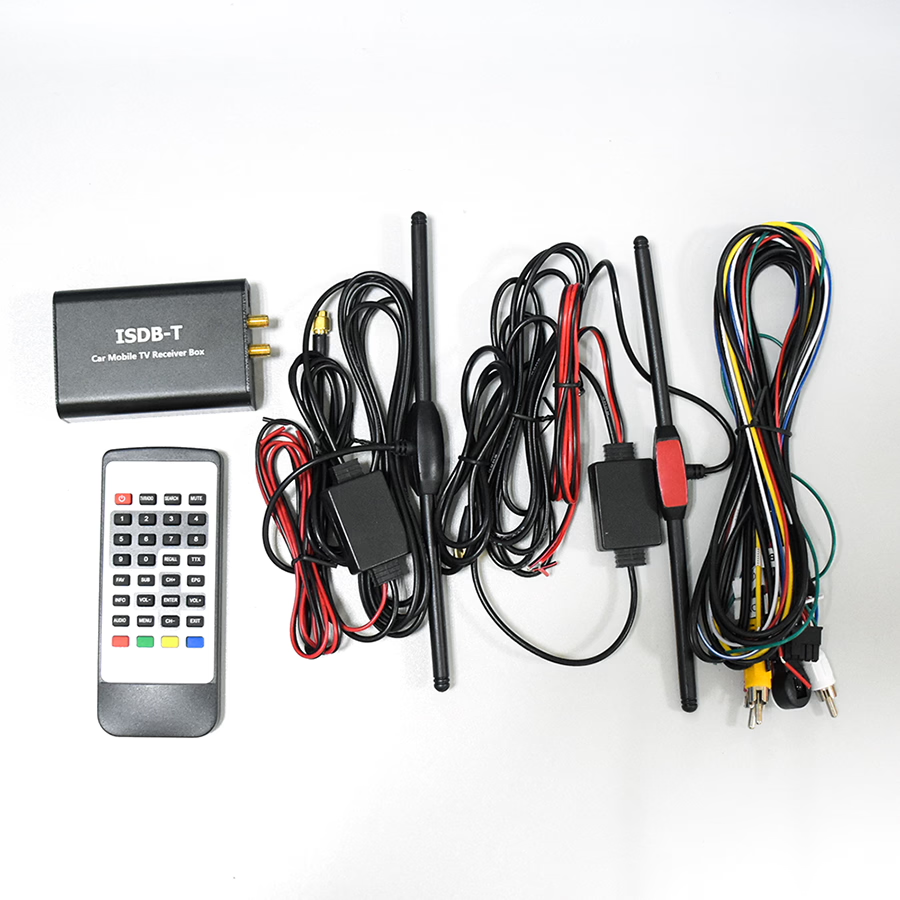
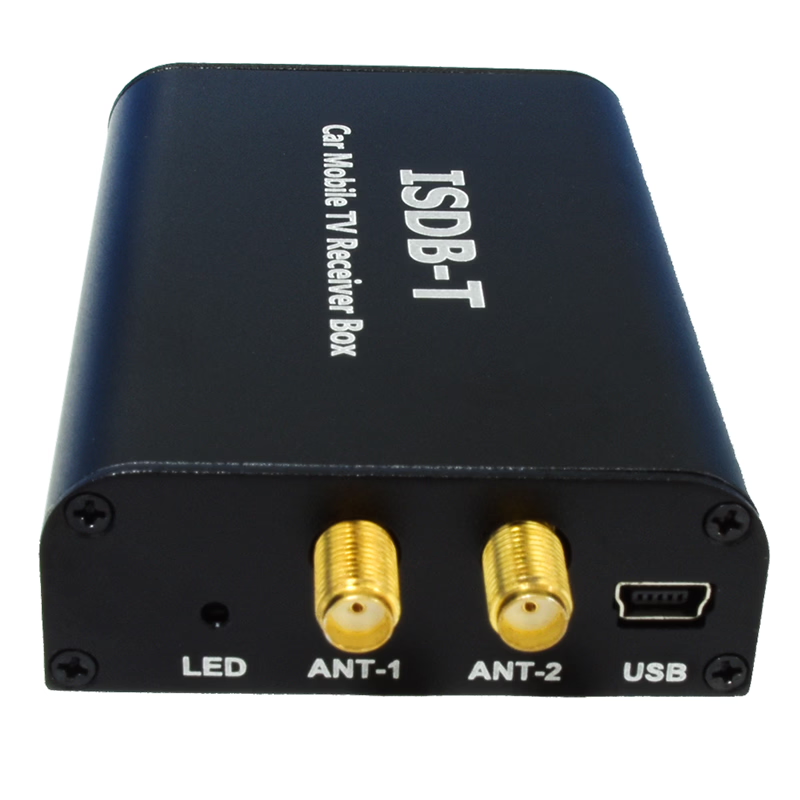
מקלטים והתקנים של ISDB-T
מגוון רחב של מוצרי חומרה תומכים בקליטת ISDB-T, לְרַבּוֹת:
- טלוויזיות דיגיטליות
- ממירים
- מקלטי טלוויזיה מסוג USB
- מקלטי טלוויזיה ניידים
- מערכות טלוויזיה דיגיטליות לרכב
חברות כגון ISDB-T.com מציעים מקלטי טלוויזיה דיגיטליים התומכים בטכנולוגיות כמו:
- One-Seg
- Full-Seg
- פענוח MPEG-2
- MPEG-4 / פענוח H.264
מוצרים אלה נבדקים בדרך כלל עבור תאימות באזורים שבהם ISDB-T נפרס, כולל יפן, הפיליפינים, ודרום אמריקה.
העתיד של שידורי ISDB
טכנולוגיית השידור ממשיכה להתפתח, ודורות חדשים יותר של תקני ISDB מפותחים כדי לתמוך בטלוויזיה אולטרה-גבוהה.
לְדוּגמָה, יפן הציגה מערכות מתקדמות כגון ISDB-S3, שתומך 4שידורי K ו-8K בחדות גבוהה במיוחד.
טכנולוגיות אלו הוצגו במהלך אירועים כגון טוקיו 2020 אולימפיאדה, הדגמת הפוטנציאל העתידי של מערכת השידורים של ISDB.
מַסְקָנָה
ISDB-T מייצג את אחד מתקני השידור הקרקעיים הדיגיטליים המתקדמים בעולם. ארכיטקטורת השידור המפולחת שלו, טכניקות אפנון חזקות, ותמיכה במכשירים קבועים וניידים כאחד הופכת אותו לרב-תכליתי.
בזכות היתרונות הללו, ISDB-T התרחבה הרבה מעבר ליפן והפכה לתקן טלוויזיה דיגיטלי חשוב ברחבי דרום אמריקה וחלקים מאסיה. ככל שטכנולוגיית השידור ממשיכה להתפתח לעבר תוכן 4K ו-8K בחדות גבוהה במיוחד, המערכת האקולוגית של ISDB נותרה שחקן חשוב בנוף השידור העולמי.


1 Seg ISDB-T AM FM


1 Seg ISDB-T AM FM
3 אינץ' כיס isdb-t רדיו טלוויזיית isdb LCD ניידת עם טלוויזיה דיגיטלית מקטע אחד, מיני Pocket TV ליפן


1 Seg ISDB-T AM FM


מקודד HDMI ל-ISDB-T RF
מאפנן מקודד דיגיטלי HD-MI תואם מאריך על קואקסיאלי ISDB-T טלוויזיה RF מאפנן MJZSEE V2020I




ISDB-T
מקלט טלוויזיה מקלט HD FTA ISDB-T מקומי עבור ברזיל ארגנטינה צ'ילה ונצואלה קוסטה ריקה הפיליפינים

ISDB-T


שאל שאלה
תודה רבה ששלחת את התשובה! ✨